High-Performance Polyethylene Well Pipe: Durable, Chemical-Resistant Water Well Solutions

Get a Free Quote

Our representative will contact you soon.
Email
Mobile
Name
Message
0/1000

polyethylene well pipe

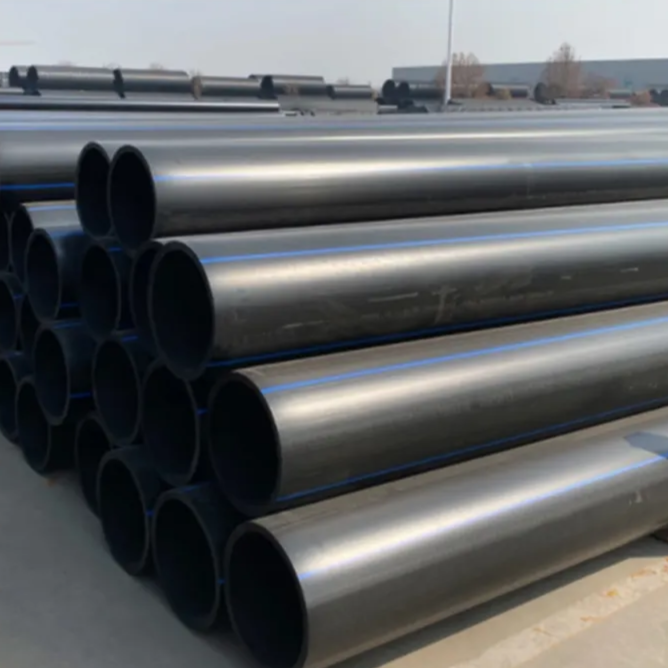
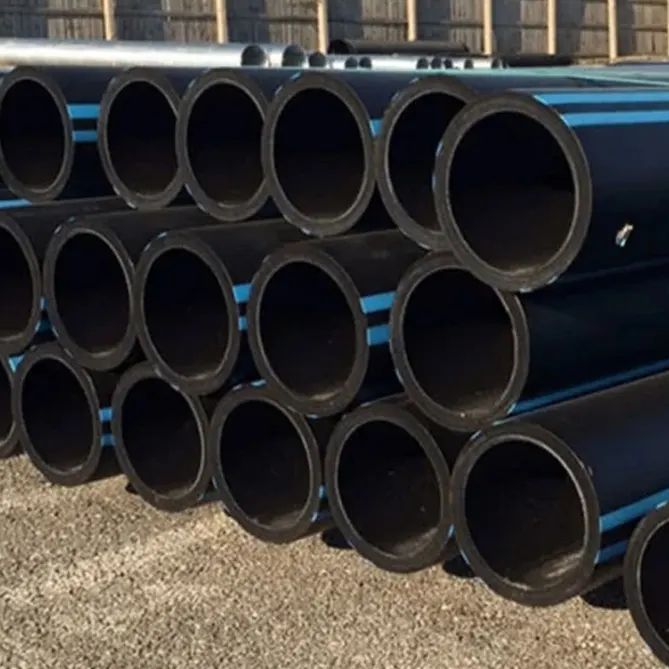
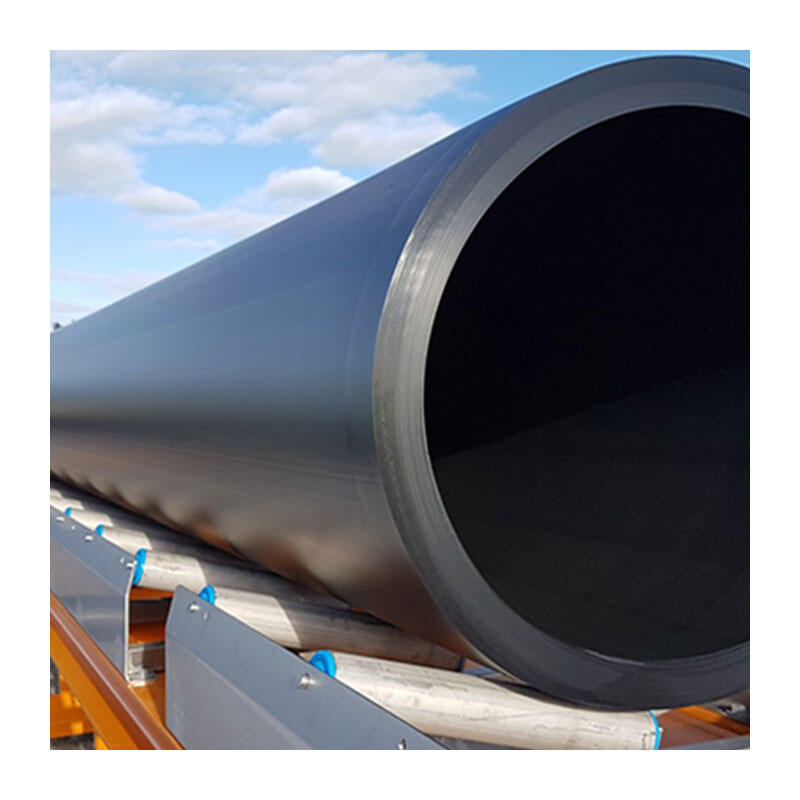
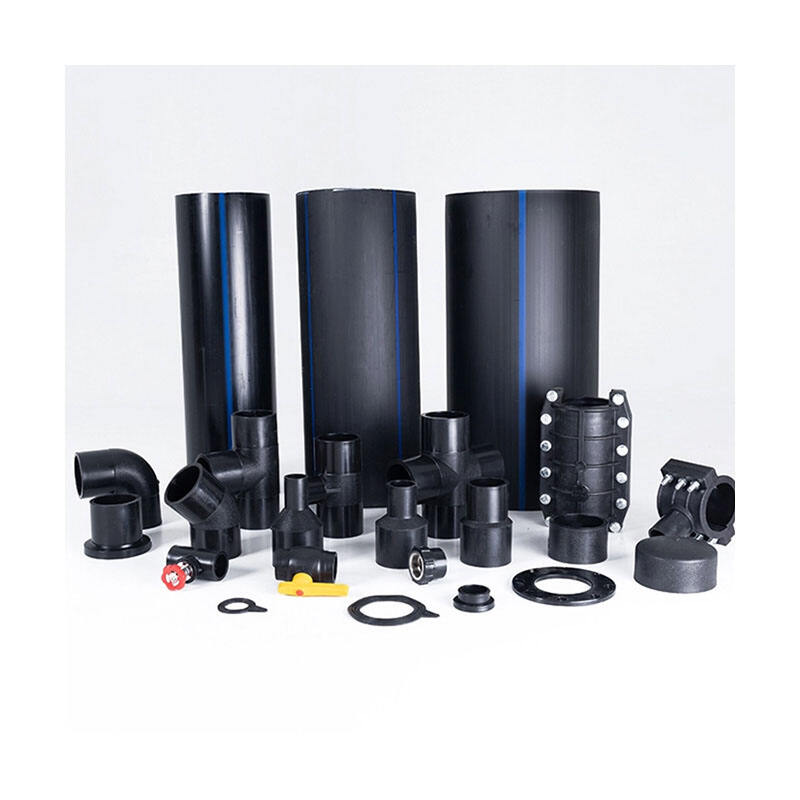
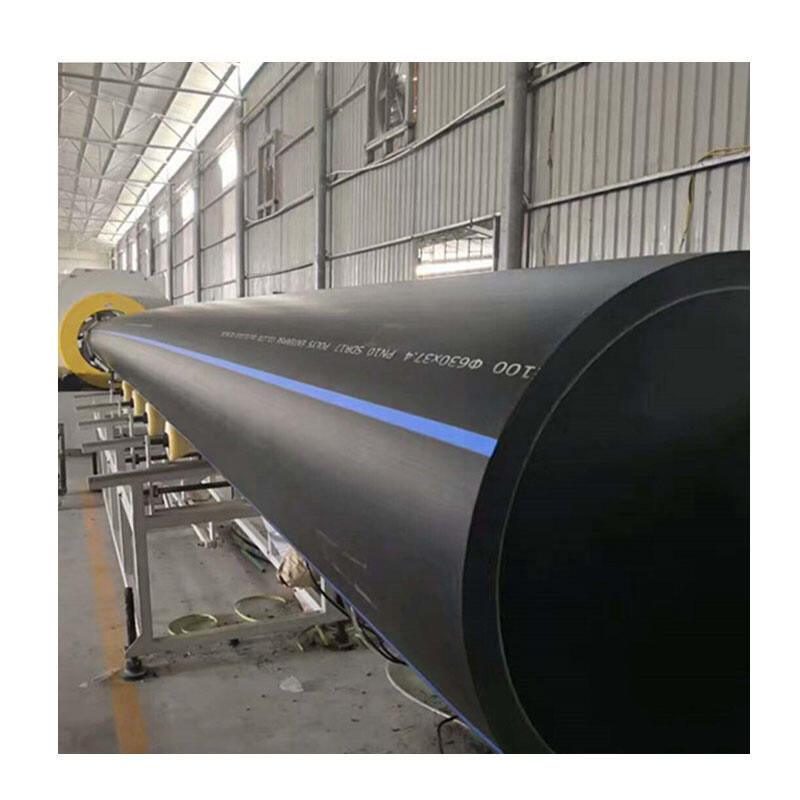
Polyethylene well pipe represents a revolutionary advancement in water well construction and rehabilitation technology. This specialized piping system is engineered from high-density polyethylene (HDPE) materials, designed specifically to meet the demanding requirements of groundwater extraction systems. The polyethylene well pipe serves multiple critical functions in modern well installations, acting as both a structural conduit and a protective barrier that ensures long-term water quality and system reliability. The primary function of polyethylene well pipe involves creating a secure pathway for groundwater to flow from aquifer sources to surface pumping equipment. This piping system effectively isolates the water column from surrounding soil conditions, preventing contamination while maintaining optimal flow characteristics. The technological features of polyethylene well pipe include exceptional chemical resistance, superior flexibility, and remarkable durability under various environmental conditions. These pipes are manufactured using advanced extrusion processes that create uniform wall thickness and consistent material properties throughout the entire length. The smooth interior surface of polyethylene well pipe minimizes friction losses, optimizing water flow efficiency and reducing energy consumption for pumping operations. Applications for polyethylene well pipe span across residential, commercial, industrial, and agricultural sectors. Homeowners utilize these systems for private water wells, ensuring reliable access to clean groundwater for household consumption. Commercial facilities depend on polyethylene well pipe for irrigation systems, cooling tower applications, and general water supply needs. Industrial operations integrate these pipes into process water systems, where chemical resistance and reliability are paramount. Agricultural applications include irrigation wells, livestock watering systems, and crop irrigation infrastructure. The versatility of polyethylene well pipe makes it suitable for both new well construction and rehabilitation of existing water sources, providing cost-effective solutions for diverse water management challenges.


New Product Recommendations

Polyethylene well pipe offers numerous compelling advantages that make it the preferred choice for modern water well applications. The most significant benefit lies in its exceptional chemical resistance, which protects against corrosion and degradation that commonly affects traditional metal piping systems. Unlike steel or iron pipes that rust and deteriorate over time, polyethylene well pipe maintains its structural integrity for decades, even when exposed to aggressive groundwater conditions or chemical treatments. This resistance translates directly into reduced maintenance costs and extended system lifespan, providing substantial long-term value for property owners. The lightweight nature of polyethylene well pipe dramatically simplifies installation procedures, reducing both labor costs and equipment requirements. Traditional metal pipes often require heavy machinery and multiple workers for proper installation, while polyethylene systems can be handled with standard equipment and smaller crews. This advantage becomes particularly valuable in remote locations or challenging terrain where access is limited. The flexibility of polyethylene well pipe allows it to accommodate ground movement and settling without cracking or breaking, a critical feature in areas prone to seismic activity or soil shifts. Cost-effectiveness represents another major advantage, as polyethylene well pipe typically costs less than comparable metal alternatives while delivering superior performance. The smooth interior surface of these pipes reduces friction losses, improving water flow efficiency and reducing energy costs for pumping operations. This translates into lower operational expenses over the system's lifetime. Polyethylene well pipe also offers excellent freeze resistance, expanding and contracting without damage during temperature fluctuations that would crack rigid piping materials. The non-toxic nature of polyethylene ensures that water quality remains uncompromised, meeting all regulatory standards for potable water applications. Installation versatility allows polyethylene well pipe to be used in both vertical and horizontal applications, adapting to various well configurations and site conditions. The joining methods for polyethylene pipe create leak-proof connections that maintain system integrity under pressure variations and environmental stresses. These combined advantages make polyethylene well pipe an intelligent investment for anyone seeking reliable, efficient, and economical water well solutions.

Practical Tips

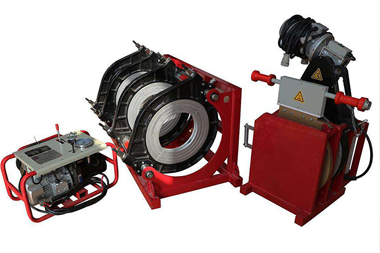
HDPE Welding Machine: A technological tool that shapes a new era of pipeline connection

18

Sep

HDPE Welding Machine: A technological tool that shapes a new era of pipeline connection

View More
Understanding the Benefits of Dredging Pipelines in Marine Construction

30

Jun

Understanding the Benefits of Dredging Pipelines in Marine Construction

Explore the profound impact of dredging pipelines in modern marine construction. Discover how they enhance efficiency, enable large-scale infrastructure, and support global trade. Learn about key materials like HDPE, PVC, and Polyethylene, and understand future trends in dredging technology.
View More
Why HDPE Double Wall Corrugated Pipes Are Ideal for Stormwater Management

24

Jun

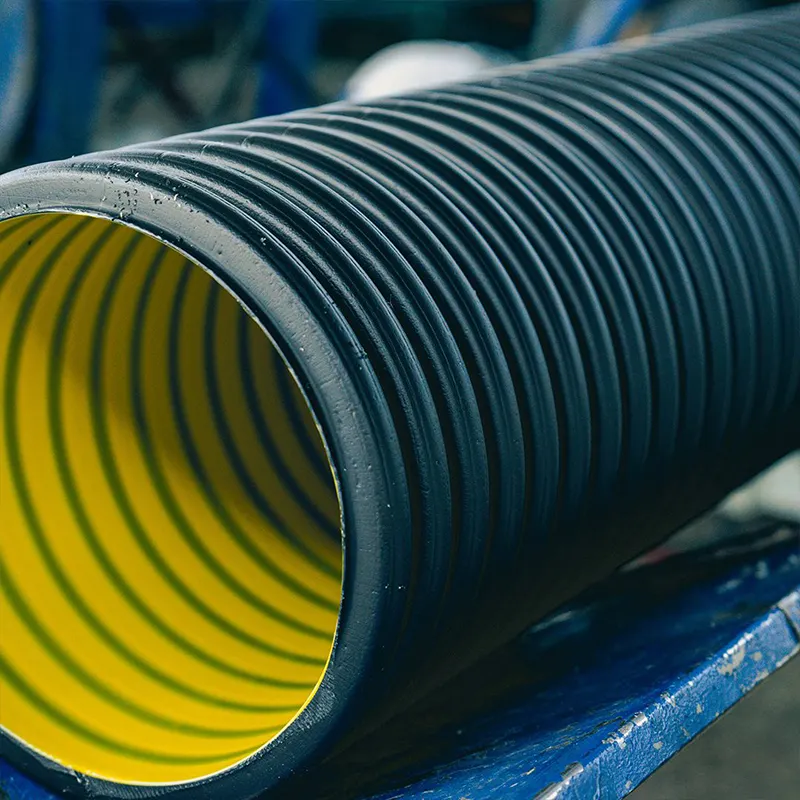
Why HDPE Double Wall Corrugated Pipes Are Ideal for Stormwater Management

Explore the growing significance of stormwater management amid urbanization and climate change. Discover how HDPE double wall corrugated pipes enhance infrastructure resilience, offering superior load-bearing capacity, corrosion resistance, and sustainability benefits.
View More
How to Choose the Right Dredging Pipeline for Your Project

30

Jun

How to Choose the Right Dredging Pipeline for Your Project

Explore the key requirements for dredging pipelines, including sediment type, project scope, and environmental regulations, to ensure optimal performance and compliance with industry standards. Learn about HDPE pipe advantages and considerations for efficient sediment transport.
View More

Get a Free Quote

Our representative will contact you soon.
Email
Mobile
Name
Message
0/1000

polyethylene well pipe

Superior Chemical Resistance and Longevity

Superior Chemical Resistance and Longevity

The exceptional chemical resistance of polyethylene well pipe stands as its most distinguishing feature, setting it apart from conventional piping materials in groundwater applications. This remarkable resistance stems from the molecular structure of high-density polyethylene, which creates an impermeable barrier against a wide range of aggressive chemicals commonly found in groundwater environments. Unlike metal pipes that suffer from galvanic corrosion, electrochemical reactions, and mineral buildup, polyethylene well pipe maintains its structural integrity and performance characteristics throughout its service life. This chemical inertness proves particularly valuable in areas where groundwater contains high concentrations of minerals, salts, or industrial contaminants that would rapidly degrade metal piping systems. The polyethylene material resists attack from acids, bases, and organic solvents, ensuring consistent water quality and system reliability regardless of changing groundwater chemistry. This resistance extends to chlorine and other disinfectants used in well maintenance, allowing for regular system sanitization without material degradation. The longevity benefits of this chemical resistance translate into significant economic advantages for well owners. While traditional metal pipes may require replacement every 10-15 years due to corrosion damage, polyethylene well pipe systems routinely provide 50+ years of reliable service with minimal maintenance requirements. This extended lifespan reduces lifecycle costs substantially, eliminating frequent replacement expenses and associated downtime. The consistent performance over decades means that initial investment in polyethylene well pipe technology pays dividends through reduced operational disruptions and maintenance interventions. Property owners can rely on stable water supply without concerns about sudden system failures or water quality deterioration caused by pipe degradation. The environmental benefits of this longevity include reduced material waste and lower environmental impact from manufacturing replacement components. This combination of chemical resistance and extended service life makes polyethylene well pipe an environmentally responsible choice that delivers exceptional value through decades of dependable performance.
Enhanced Installation Flexibility and Efficiency

Enhanced Installation Flexibility and Efficiency

The installation advantages of polyethylene well pipe revolutionize well construction projects through unprecedented flexibility and efficiency gains. The lightweight characteristics of polyethylene materials dramatically reduce handling requirements, allowing installation crews to work more efficiently while minimizing equipment needs. A typical polyethylene well pipe section weighs approximately 80% less than equivalent steel piping, enabling manual handling in many situations where mechanical lifting would otherwise be necessary. This weight reduction translates into faster installation times, reduced labor costs, and improved safety conditions for installation crews. The inherent flexibility of polyethylene well pipe allows it to accommodate irregular well bore conditions and navigate around obstacles that would require complex fittings with rigid piping systems. This flexibility proves invaluable when dealing with deviated wells, curved installations, or situations where the well path must follow specific geological formations. The ability to bend and flex without permanent deformation means that polyethylene well pipe can adapt to ground movement, thermal expansion, and settling without compromising system integrity. Installation efficiency gains extend to the joining methods available for polyethylene well pipe systems. Heat fusion welding creates monolithic pipe strings that eliminate potential leak points associated with threaded or mechanical connections. This welding process can be performed in field conditions using portable equipment, allowing for custom pipe lengths and configurations that match specific well requirements. The fusion joints actually become stronger than the parent pipe material, creating a completely integrated system with superior pressure resistance and longevity. The coiled availability of smaller diameter polyethylene well pipe further enhances installation efficiency by reducing the number of joints required for deep well applications. Continuous lengths of up to several hundred feet can be installed without intermediate connections, minimizing installation time and potential failure points. This continuous installation capability proves particularly beneficial for horizontal directional drilling applications and situations where access is limited. The compatibility of polyethylene well pipe with modern installation techniques, including push-pull methods and continuous installation systems, makes it the preferred choice for contractors seeking efficient, reliable installation procedures that minimize project timelines and costs.
Optimal Flow Characteristics and Energy Efficiency

Optimal Flow Characteristics and Energy Efficiency

The hydraulic performance advantages of polyethylene well pipe deliver substantial operational benefits through optimized flow characteristics and enhanced energy efficiency. The smooth interior surface of polyethylene pipe exhibits significantly lower friction coefficients compared to traditional metal piping materials, resulting in reduced pressure losses and improved water flow rates. This smoothness is maintained throughout the pipe's service life, as polyethylene does not develop the mineral buildup, corrosion, or surface roughening that degrades the hydraulic performance of metal pipes over time. The consistent smooth bore ensures that initial system design parameters remain valid throughout the operational life of the well, providing predictable performance and eliminating the need for oversized pumping equipment to compensate for degraded pipe conditions. The hydraulic efficiency of polyethylene well pipe translates directly into energy savings for well owners through reduced pumping power requirements. Lower friction losses mean that pumps can operate at reduced pressures while maintaining desired flow rates, resulting in decreased electrical consumption and extended pump life. These energy savings compound over the system's operational lifetime, providing substantial cost reductions that often exceed the initial investment in polyethylene well pipe technology. The smooth interior also reduces pump cycling frequency, as systems can maintain pressure more efficiently without frequent on-off cycles that increase energy consumption and mechanical wear. Flow optimization benefits extend to the uniform wall thickness and consistent internal diameter maintained throughout polyethylene well pipe manufacturing processes. Advanced extrusion techniques ensure that flow restrictions and turbulence-causing irregularities are eliminated, providing laminar flow conditions that maximize system efficiency. The thermal properties of polyethylene materials help maintain stable water temperatures during transmission, reducing thermal losses and maintaining optimal conditions for sensitive applications. The non-reactive nature of polyethylene surfaces prevents biofilm formation and bacterial growth that can restrict flow and degrade water quality in other piping materials. This biological resistance maintains optimal flow characteristics while ensuring water quality standards are preserved throughout the distribution system. The combination of superior hydraulic performance, energy efficiency, and maintained flow characteristics makes polyethylene well pipe an intelligent choice for applications where operational costs and performance reliability are critical considerations.
Inquiry High-Performance Polyethylene Well Pipe: Durable, Chemical-Resistant Water Well Solutions Inquiry High-Performance Polyethylene Well Pipe: Durable, Chemical-Resistant Water Well Solutions High-Performance Polyethylene Well Pipe: Durable, Chemical-Resistant Water Well Solutions High-Performance Polyethylene Well Pipe: Durable, Chemical-Resistant Water Well Solutions
Write down your question

We are not only a product manufacturer, but also a solution provider. Whether you have questions or quotation requests, we will help you.

Get a Quote

Contact Us

Your email address will not be published. Required fields are marked *
Email
Name
Mobile
Message
0/1000