HDPE Sewer Pipe Solutions: Advanced Wastewater Infrastructure with Superior Durability and Performance

Get a Free Quote

Our representative will contact you soon.
Email
Mobile
Name
Message
0/1000

hdpe sewer pipe

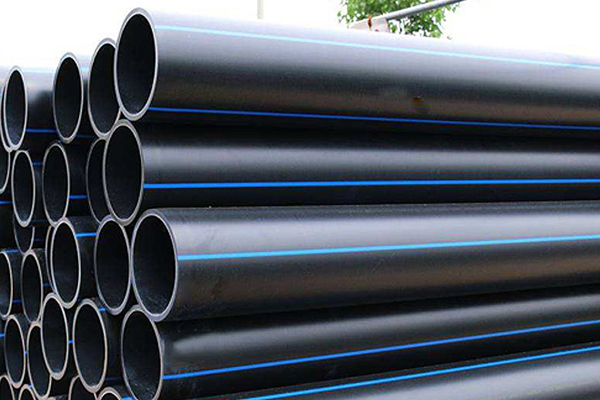
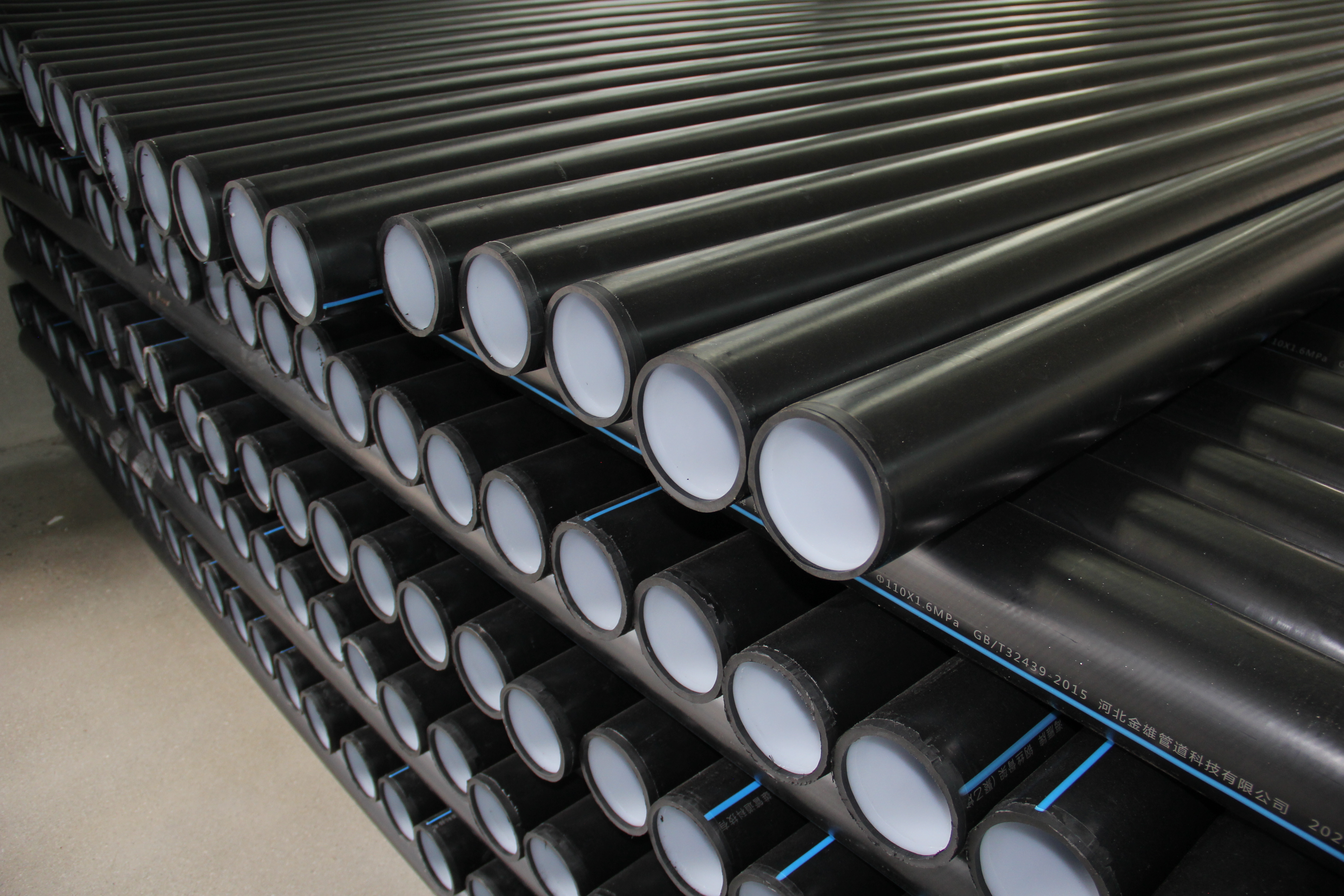
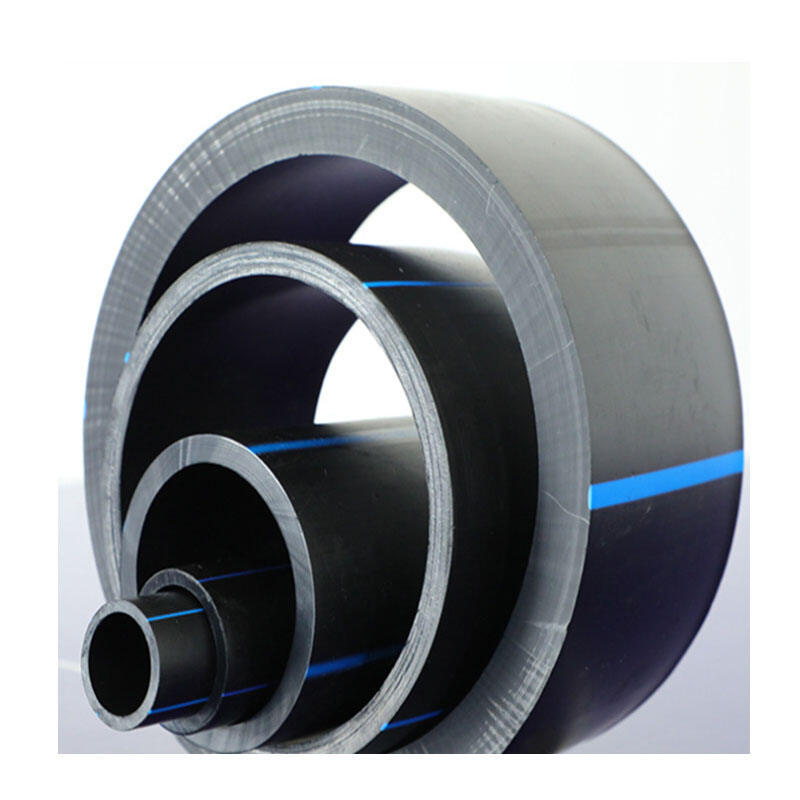
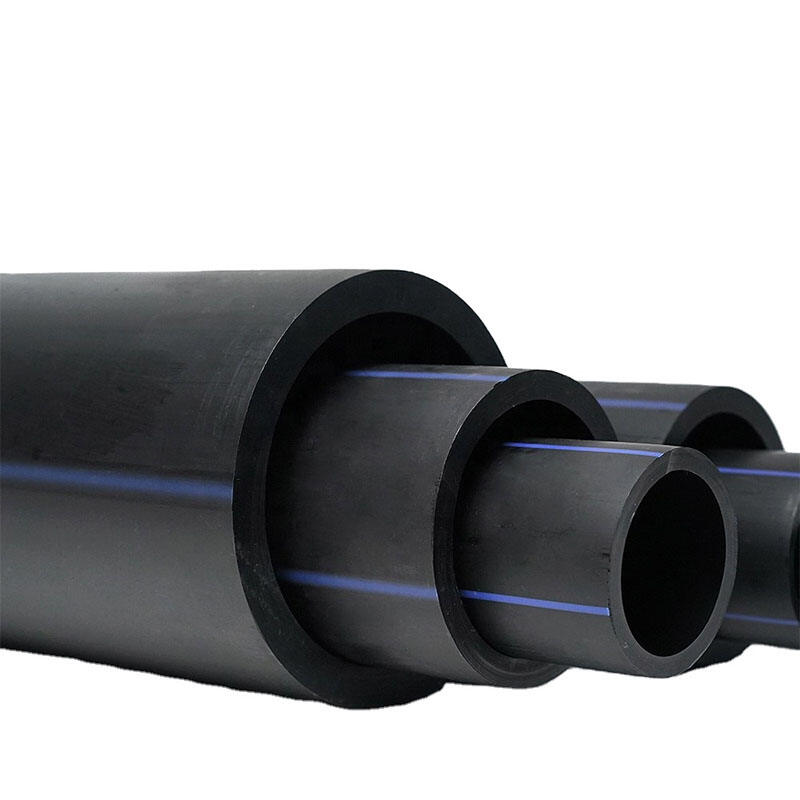
HDPE sewer pipe represents a revolutionary advancement in underground drainage infrastructure, utilizing high-density polyethylene material to deliver exceptional performance in municipal and industrial wastewater management systems. This innovative piping solution combines superior chemical resistance, structural integrity, and installation efficiency to address the demanding requirements of modern sewer networks. The hdpe sewer pipe system functions as the backbone of wastewater collection and transportation, efficiently moving sewage from residential, commercial, and industrial sources to treatment facilities. Its primary technological features include seamless joint construction through heat fusion welding, creating leak-proof connections that maintain system integrity over decades of service. The material composition of hdpe sewer pipe provides outstanding resistance to corrosion, abrasion, and chemical attack from aggressive wastewater constituents, ensuring reliable long-term performance without degradation. Advanced manufacturing processes create smooth interior surfaces that minimize friction losses and prevent solids accumulation, optimizing flow characteristics throughout the pipeline network. The flexibility of hdpe sewer pipe allows accommodation of ground movement and settling without cracking or joint separation, making it ideal for challenging soil conditions and seismic zones. Applications span across diverse sectors including municipal sewerage systems, industrial process water discharge, stormwater management, and residential subdivision development projects. The lightweight nature of hdpe sewer pipe facilitates easier handling and installation compared to traditional concrete or clay alternatives, reducing labor costs and construction timelines. Environmental sustainability features include complete recyclability at end-of-service life and reduced carbon footprint during manufacturing and transportation phases. Quality assurance standards ensure consistent wall thickness, pressure ratings, and dimensional accuracy across all hdpe sewer pipe products, meeting stringent industry specifications for critical infrastructure applications.


New Products

The hdpe sewer pipe delivers remarkable cost savings through reduced installation expenses, lower maintenance requirements, and extended service life that significantly outperforms traditional piping materials. Installation crews can handle hdpe sewer pipe sections more efficiently due to their lightweight construction, requiring smaller equipment and fewer workers to complete projects safely and quickly. The fusion welding process creates monolithic pipeline systems without mechanical joints that typically fail over time, eliminating future repair costs associated with joint leakage and infiltration problems. Chemical resistance properties of hdpe sewer pipe prevent deterioration from hydrogen sulfide, acids, and other corrosive compounds commonly found in wastewater environments, maintaining structural integrity where concrete and metal pipes would fail. The smooth interior surface of hdpe sewer pipe promotes superior hydraulic performance with reduced friction coefficients, allowing smaller diameter pipes to carry equivalent flow volumes compared to rougher pipe materials. This hydraulic efficiency translates into lower pumping costs for pressurized systems and improved gravity flow performance in collection networks. Flexibility characteristics enable hdpe sewer pipe to withstand ground movement, freeze-thaw cycles, and seismic activity without cracking or joint displacement, reducing emergency repair incidents and system downtime. Environmental benefits include zero leachate production, complete recyclability, and reduced energy consumption during manufacturing processes compared to concrete or metal alternatives. The leak-tight nature of properly installed hdpe sewer pipe systems prevents groundwater contamination and reduces inflow infiltration that overloads treatment facilities during wet weather events. Long-term durability testing demonstrates service life expectations exceeding 100 years under normal operating conditions, providing exceptional return on infrastructure investment. Quality control measures during manufacturing ensure consistent pipe properties and dimensional accuracy, reducing installation problems and ensuring reliable system performance. The versatility of hdpe sewer pipe allows adaptation to various installation methods including traditional trenching, horizontal directional drilling, pipe bursting, and slip-lining rehabilitation techniques. Reduced maintenance requirements stem from the non-corrosive nature of the material and the absence of mechanical joints that require periodic adjustment or replacement, minimizing operational disruption and ongoing costs for utilities and property owners.

Tips And Tricks

Pressure test of PE steel mesh skeleton

14

Sep

Pressure test of PE steel mesh skeleton

View More
 Ensuring Integrity in PE Steel Wire Mesh Skeleton Systems Through Pressure Testing

14

Sep

Ensuring Integrity in PE Steel Wire Mesh Skeleton Systems Through Pressure Testing

View More
HDPE Pipe: Key Material for Modern Pipe Systems

18

Sep

HDPE Pipe: Key Material for Modern Pipe Systems

View More
HDPE Pipes: The Versatile Solution for Modern Piping Needs

24

Jun

HDPE Pipes: The Versatile Solution for Modern Piping Needs

Discover why HDPE pipes are a versatile and sustainable solution for modern infrastructure, offering key benefits such as corrosion resistance and cost-effectiveness. Learn about their applications and best practices for installation.
View More

Get a Free Quote

Our representative will contact you soon.
Email
Mobile
Name
Message
0/1000

hdpe sewer pipe

Superior Chemical Resistance and Longevity

Superior Chemical Resistance and Longevity

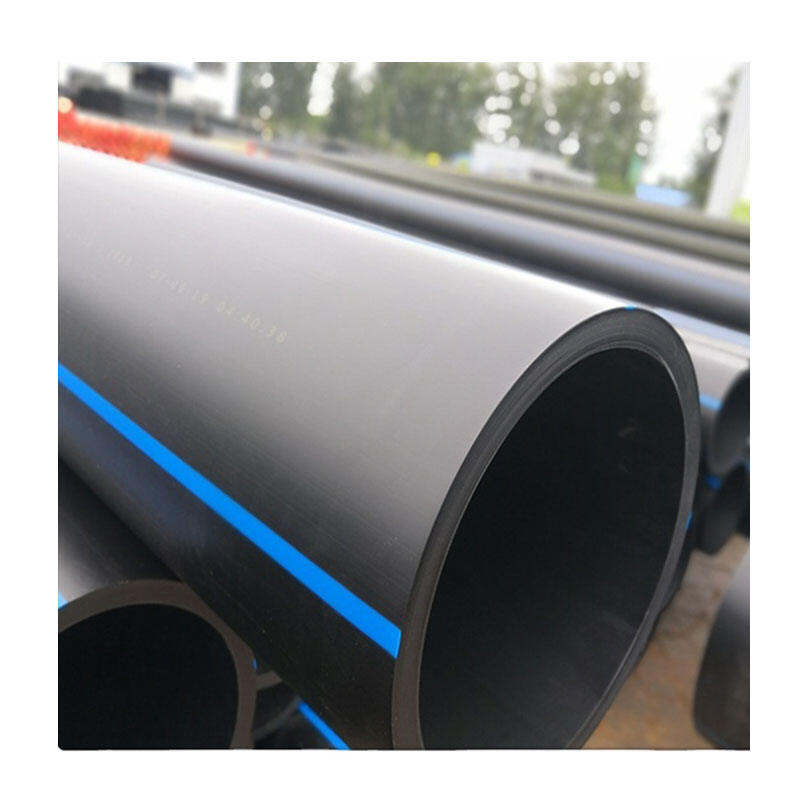
The hdpe sewer pipe demonstrates exceptional resistance to chemical attack from aggressive wastewater constituents that routinely destroy conventional piping materials, providing unmatched longevity for critical infrastructure investments. Unlike concrete pipes that suffer from sulfuric acid corrosion or metal pipes that experience galvanic corrosion, hdpe sewer pipe maintains structural integrity when exposed to hydrogen sulfide, organic acids, and industrial chemicals commonly present in municipal and industrial wastewater streams. Laboratory testing confirms that hdpe sewer pipe retains mechanical properties after prolonged exposure to pH levels ranging from 1 to 14, making it suitable for the most challenging chemical environments. The molecular structure of high-density polyethylene creates an inert barrier that prevents chemical penetration and material degradation, ensuring consistent performance throughout the design service life. This chemical resistance translates into significant cost savings by eliminating premature pipe replacement projects that plague systems using susceptible materials. The hdpe sewer pipe material composition includes advanced stabilization packages that provide ultraviolet resistance and thermal stability, maintaining performance characteristics even when exposed to extreme temperature variations during installation and service. Field experience across diverse geographic regions demonstrates that hdpe sewer pipe systems continue operating effectively after decades of service without showing signs of chemical deterioration or loss of structural capacity. The smooth, chemically inert surface prevents biofilm formation and mineral scale buildup that can reduce flow capacity and create maintenance challenges in other pipe materials. Environmental stress crack resistance ensures that hdpe sewer pipe maintains integrity under combined chemical exposure and mechanical loading conditions typical of buried infrastructure applications. Quality assurance testing protocols verify chemical resistance properties through standardized exposure tests that simulate accelerated aging under aggressive chemical conditions, providing confidence in long-term performance projections for hdpe sewer pipe installations.
Exceptional Hydraulic Performance and Flow Efficiency

Exceptional Hydraulic Performance and Flow Efficiency

The hdpe sewer pipe delivers superior hydraulic performance through its ultra-smooth interior surface that minimizes friction losses and maximizes flow capacity, enabling more efficient wastewater collection and transport systems. The Manning's roughness coefficient for hdpe sewer pipe measures approximately 0.009, significantly lower than concrete pipes at 0.013 or clay pipes at 0.014, resulting in substantially improved flow characteristics and reduced pumping energy requirements. This smooth surface finish prevents solids accumulation and biofilm buildup that commonly plague rougher pipe materials, maintaining consistent hydraulic performance throughout the system's operational life. The enhanced flow capacity of hdpe sewer pipe allows engineers to specify smaller diameter pipes for equivalent flow rates, reducing excavation volumes, backfill requirements, and overall project costs while maintaining adequate hydraulic capacity. Flow modeling studies demonstrate that hdpe sewer pipe systems can transport 15-20 percent more volume than equivalent diameter concrete or clay pipes under identical gradient conditions, providing significant design flexibility and cost optimization opportunities. The seamless joint construction achieved through heat fusion welding eliminates flow obstructions and turbulence caused by protruding gaskets or misaligned sections common in mechanical joint systems, further enhancing hydraulic efficiency. Self-cleaning velocity characteristics improve in hdpe sewer pipe due to reduced friction, helping prevent solids deposition and reducing maintenance requirements for cleaning and inspection operations. The hydraulic advantages of hdpe sewer pipe become particularly valuable in flat terrain applications where maintaining adequate velocity for solids transport presents design challenges with conventional materials. Computational fluid dynamics analysis confirms uniform flow patterns within hdpe sewer pipe systems, eliminating dead zones and stagnation areas that contribute to odor generation and corrosion in traditional piping materials. Long-term hydraulic performance remains stable because the chemically inert surface of hdpe sewer pipe resists tuberculation, scaling, and roughening that degrades flow capacity in metal and concrete pipes over time, ensuring consistent system performance throughout the design life.
Flexible Installation Methods and Reduced Construction Impact

Flexible Installation Methods and Reduced Construction Impact

The hdpe sewer pipe offers unprecedented installation flexibility through compatibility with multiple construction methods, enabling projects to minimize surface disruption, reduce environmental impact, and adapt to challenging site conditions while maintaining superior system performance. Trenchless installation techniques including horizontal directional drilling, pipe bursting, and slip-lining rehabilitation become highly effective with hdpe sewer pipe due to its flexibility and fusion welding capabilities, allowing installation under roads, railways, and environmentally sensitive areas without surface excavation. The lightweight nature of hdpe sewer pipe reduces equipment requirements and enables installation in confined spaces where heavy machinery access is limited, making it ideal for urban reconstruction projects and utility corridor upgrades. Flexible characteristics allow hdpe sewer pipe to accommodate ground movement, differential settling, and seismic activity without joint failure or pipe cracking, providing reliable performance in unstable soil conditions and earthquake-prone regions. Installation productivity increases significantly with hdpe sewer pipe because fusion welding creates permanent joints faster than mechanical connection methods, reducing labor time and project schedules while ensuring superior joint integrity. The coil delivery option for smaller diameter hdpe sewer pipe eliminates numerous joints over long runs, further reducing installation time and potential leak points while minimizing traffic disruption in urban environments. Cold weather installation capability distinguishes hdpe sewer pipe from concrete or clay alternatives that require frost protection and heating, enabling year-round construction scheduling and improved project delivery timelines. Specialized fusion equipment ensures consistent, high-quality joints that meet stringent performance standards regardless of field conditions, providing reliable installation results with properly trained crews and equipment. The rehabilitation potential of hdpe sewer pipe through slip-lining applications extends the service life of deteriorating infrastructure while avoiding costly excavation and replacement projects, making it an ideal solution for aging municipal systems. Quality control procedures during installation include pressure testing and inspection protocols that verify system integrity before commissioning, ensuring reliable long-term performance of hdpe sewer pipe installations across diverse application environments.
Inquiry HDPE Sewer Pipe Solutions: Advanced Wastewater Infrastructure with Superior Durability and Performance Inquiry HDPE Sewer Pipe Solutions: Advanced Wastewater Infrastructure with Superior Durability and Performance HDPE Sewer Pipe Solutions: Advanced Wastewater Infrastructure with Superior Durability and Performance HDPE Sewer Pipe Solutions: Advanced Wastewater Infrastructure with Superior Durability and Performance
Write down your question

We are not only a product manufacturer, but also a solution provider. Whether you have questions or quotation requests, we will help you.

Get a Quote

Contact Us

Your email address will not be published. Required fields are marked *
Email
Name
Mobile
Message
0/1000