Superior Chemical Resistance and Water Quality Protection
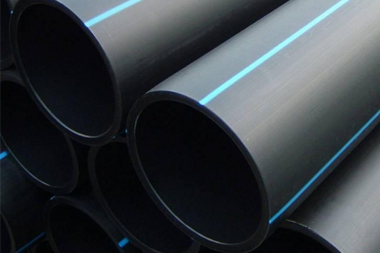
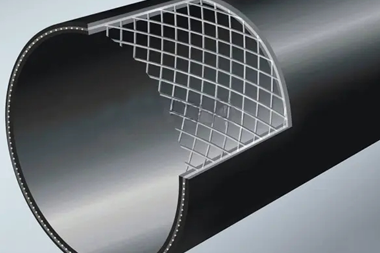
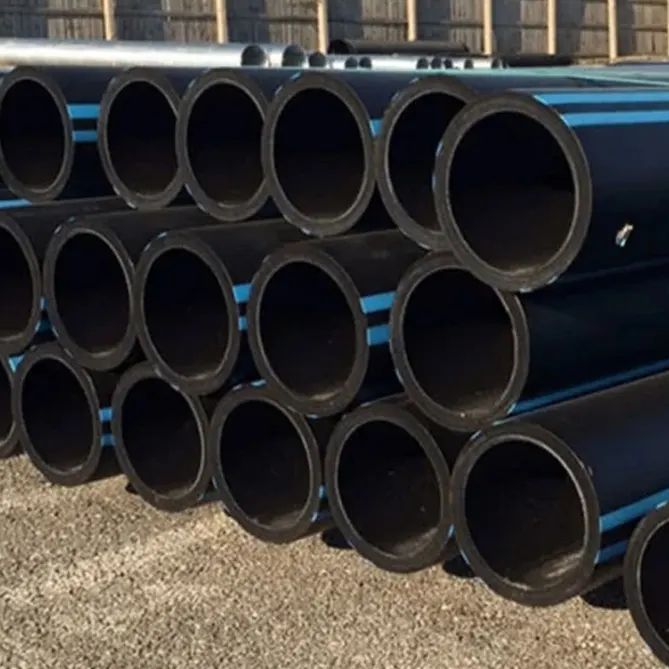
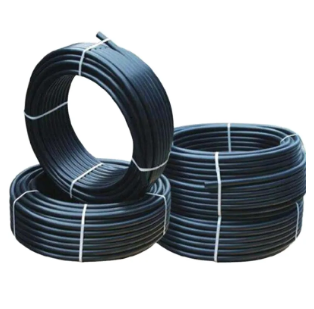
The exceptional chemical resistance properties of hdpe water pipe fittings provide unmatched protection for water quality and system longevity, making them the preferred choice for demanding applications across diverse industries. This critical advantage stems from the molecular structure of high-density polyethylene, which remains inert when exposed to a wide range of chemicals, acids, bases, and organic compounds commonly found in water systems. Unlike traditional metal fittings that suffer from corrosion, pitting, and gradual deterioration, hdpe water pipe fittings maintain their structural integrity and performance characteristics throughout decades of service. The non-reactive nature of HDPE prevents the leaching of harmful substances into transported water, ensuring compliance with stringent drinking water standards and protecting public health. This chemical stability becomes particularly valuable in industrial applications where process chemicals or cleaning agents might interact with piping components, potentially compromising system integrity or contaminating water supplies. Agricultural irrigation systems benefit tremendously from this chemical resistance, as fertilizers, pesticides, and soil treatments cannot degrade the fitting materials or affect water quality. The smooth, non-porous surface of hdpe water pipe fittings prevents bacterial growth and biofilm formation, maintaining hygienic conditions essential for potable water systems. This characteristic eliminates the need for chemical treatments that might be required with other materials, reducing operational costs and environmental impact. Mining and industrial operations rely on this chemical resistance when transporting water containing dissolved minerals, process chemicals, or acidic compounds that would rapidly deteriorate alternative materials. The long-term stability provided by hdpe water pipe fittings eliminates premature replacement cycles, reducing lifecycle costs and minimizing system disruptions. Environmental applications, such as groundwater remediation or wastewater treatment, depend on this chemical compatibility to ensure effective operation without material degradation compromising treatment processes.