Unmatched Temperature Performance and Thermal Stability
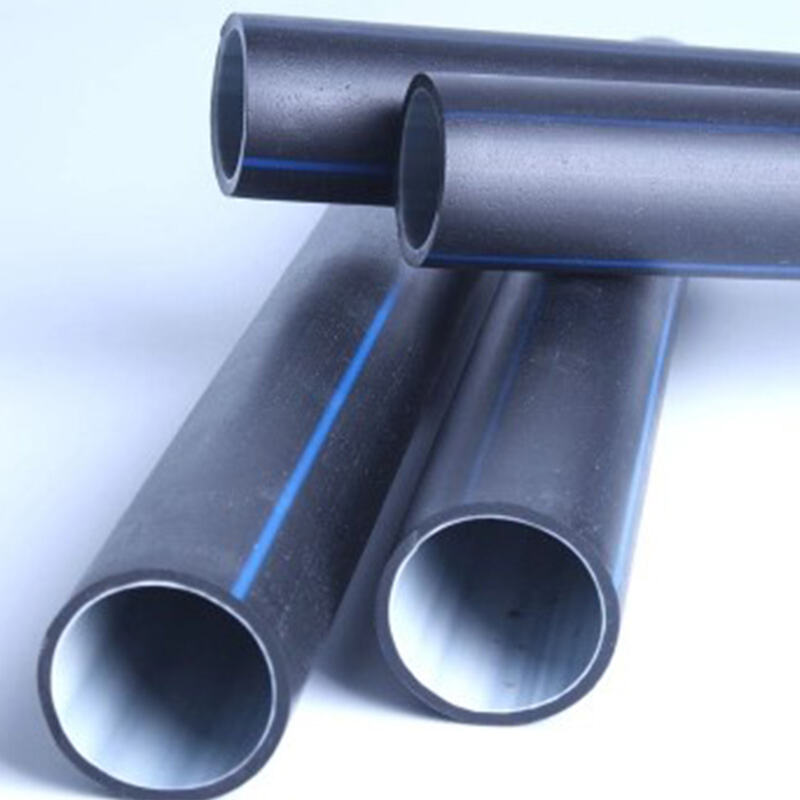
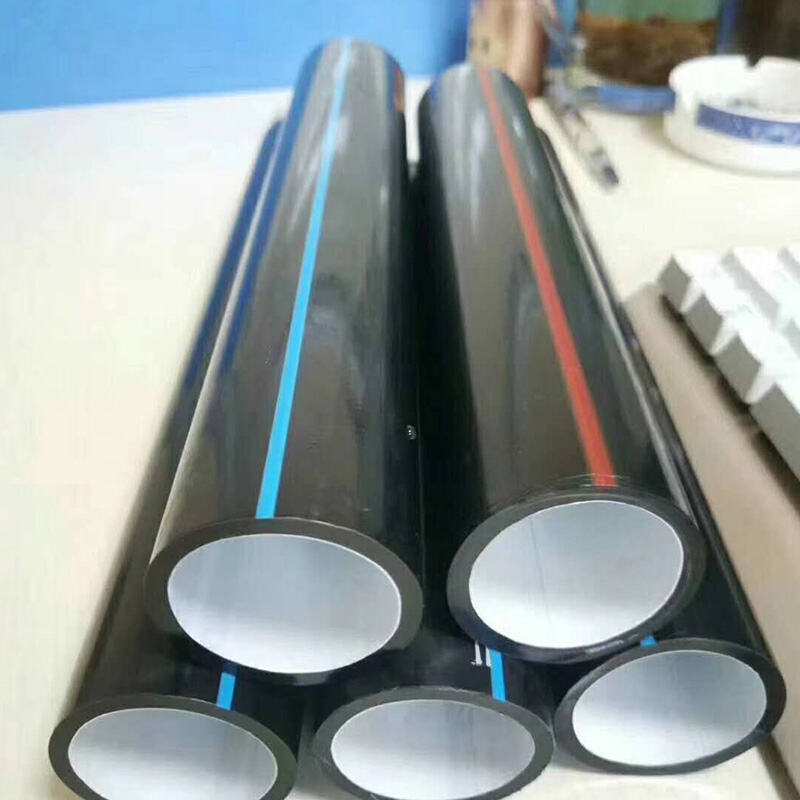
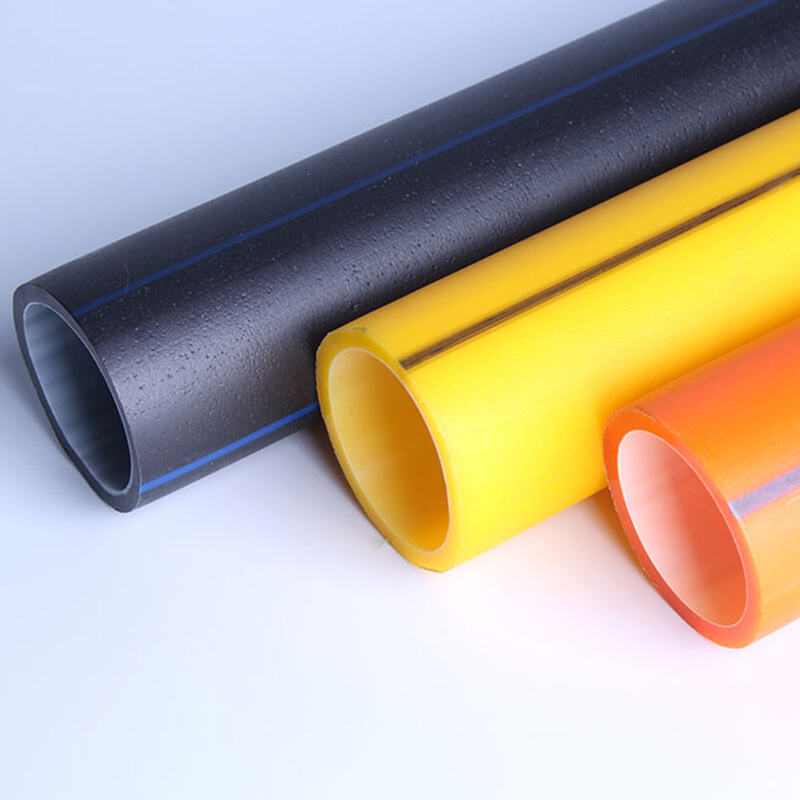
The hdpe silicon core pipe for harsh environments sets new industry standards for temperature performance through its innovative dual-material construction that addresses the most challenging thermal conditions encountered in industrial applications. The silicon core technology represents a breakthrough in conduit design, maintaining flexibility and protective properties across an unprecedented temperature range from -40°C to +150°C, far exceeding the capabilities of traditional conduit materials. In arctic environments, where conventional PVC conduits become brittle and crack under thermal stress, the hdpe silicon core pipe for harsh environments continues to provide reliable protection for critical infrastructure cables. The silicon core prevents the inner surface from hardening, ensuring that cables remain easily removable for maintenance even after prolonged exposure to extreme cold. This flexibility proves invaluable in applications such as arctic research stations, northern oil drilling operations, and cold storage facilities where equipment reliability directly impacts operational success and safety. At the opposite extreme, in high-temperature environments such as steel mills, chemical processing plants, and solar installations in desert regions, the hdpe silicon core pipe for harsh environments maintains its protective integrity without warping, melting, or releasing toxic fumes. The advanced polymer formulation includes specialized heat stabilizers that prevent thermal degradation, while the silicon core acts as a thermal barrier, protecting sensitive cables from temperature-induced damage. This thermal performance eliminates the need for expensive active cooling systems or frequent conduit replacements that plague conventional solutions. The thermal expansion characteristics of the hdpe silicon core pipe for harsh environments are carefully engineered to minimize stress on joints and connections during temperature cycling, preventing leaks and maintaining system integrity throughout seasonal temperature variations. This stability reduces maintenance requirements and extends system lifespan, providing exceptional long-term value in applications where temperature fluctuations are routine and severe.