hdpe silicon core pipe for telecommunication
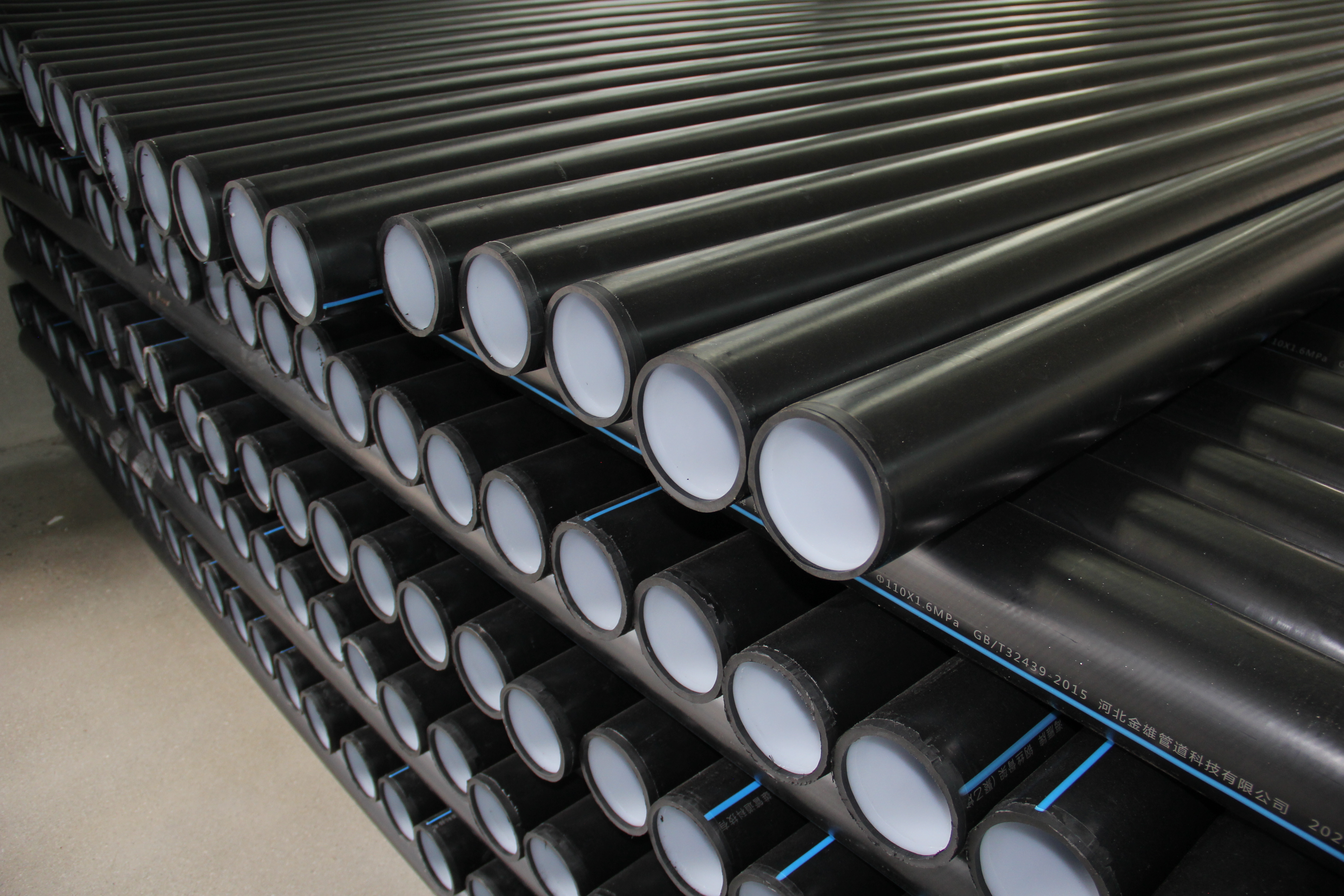
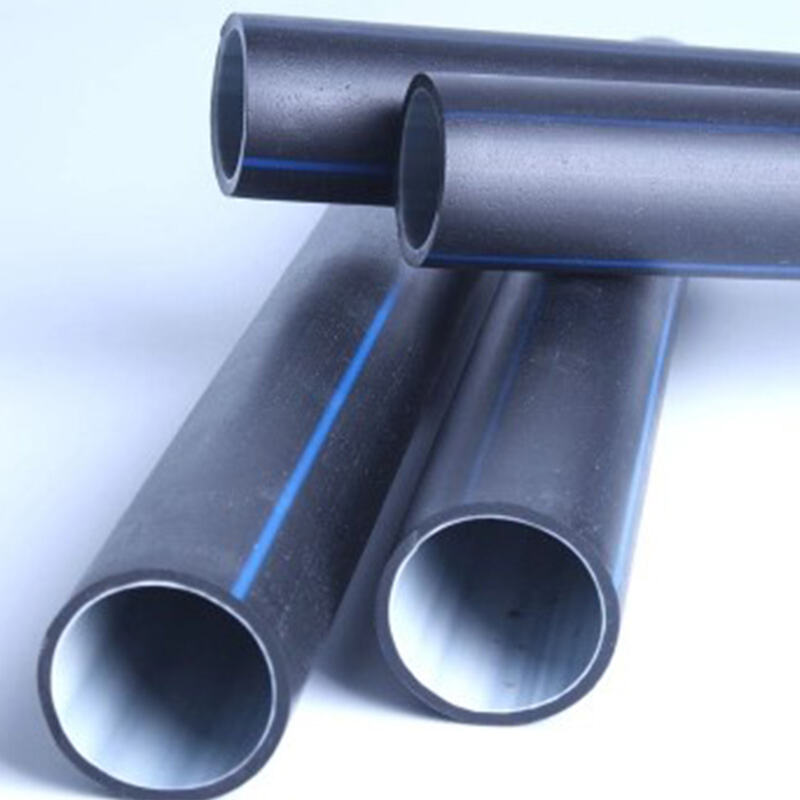
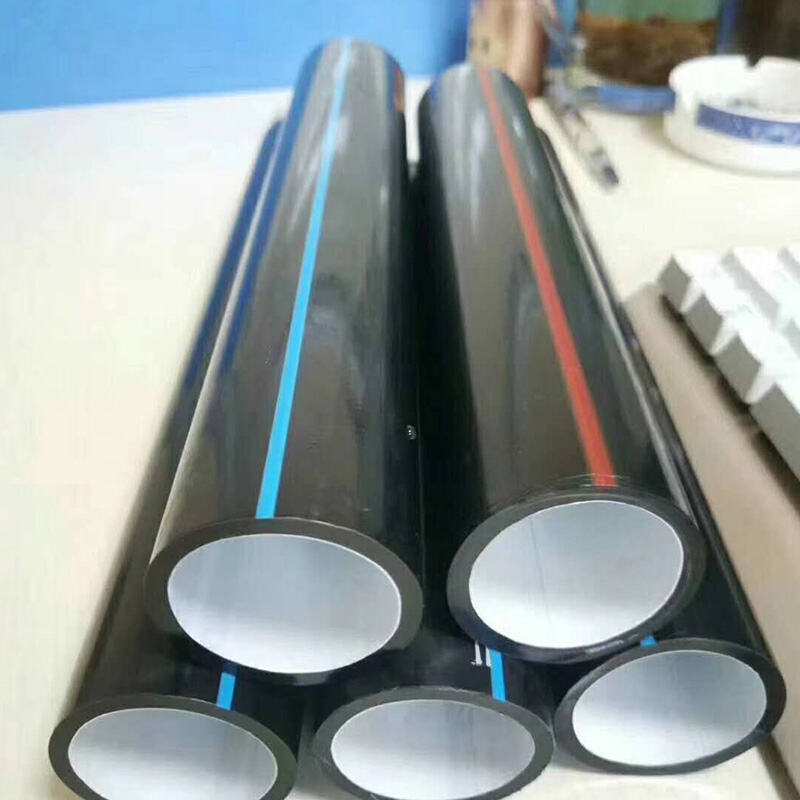
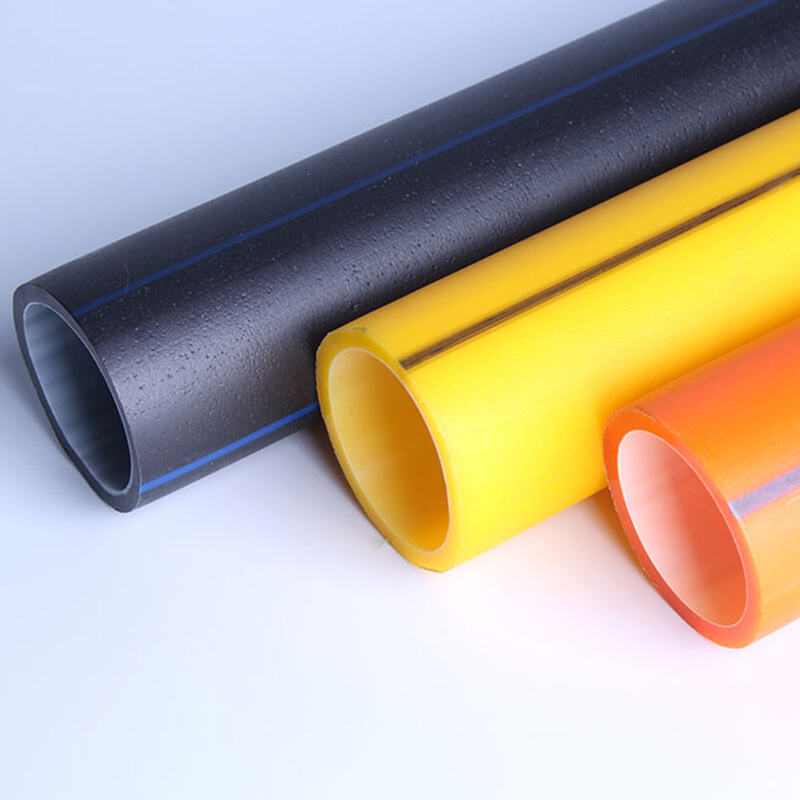
The HDPE silicon core pipe for telecommunication represents a revolutionary advancement in fiber optic cable protection and installation systems. This innovative infrastructure solution combines high-density polyethylene (HDPE) exterior construction with a specialized silicon-lined interior core, creating an optimal environment for telecommunications cable deployment. The primary function of this system centers on providing superior protection for fiber optic cables while facilitating smooth installation and maintenance procedures. The technological framework incorporates advanced polymer engineering that ensures exceptional durability against environmental stressors, chemical exposure, and mechanical damage. The HDPE silicon core pipe for telecommunication features a unique dual-layer construction where the outer HDPE shell provides structural integrity and weather resistance, while the inner silicon core creates a low-friction pathway for cable installation. This design enables efficient cable pulling operations, reducing installation time and labor costs significantly. The pipe system accommodates various cable configurations, from single-fiber installations to high-density multi-fiber networks. Key technological features include UV-resistant additives in the HDPE material, ensuring long-term performance under direct sunlight exposure. The silicon core maintains consistent properties across temperature fluctuations, preventing cable binding during seasonal changes. Applications span across diverse telecommunications infrastructure projects, including underground fiber networks, aerial installations, building-to-building connections, and metropolitan area networks. The HDPE silicon core pipe for telecommunication proves particularly valuable in challenging environments where traditional conduit systems struggle with performance limitations. Installation versatility allows deployment in direct burial applications, concrete encasement, and above-ground routing systems. The system supports both new construction projects and retrofit installations, making it an ideal choice for network expansion initiatives. Quality control measures ensure consistent manufacturing standards, with rigorous testing protocols validating mechanical properties, chemical resistance, and dimensional accuracy. The telecommunications industry increasingly relies on this technology to meet growing bandwidth demands while maintaining cost-effective installation practices.