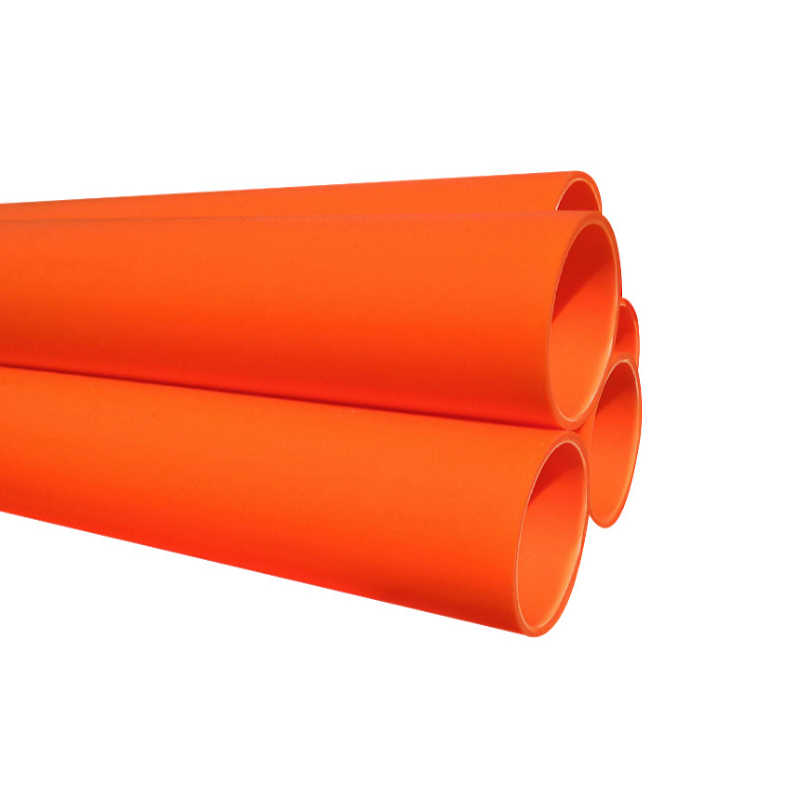
krah hdpe pipes
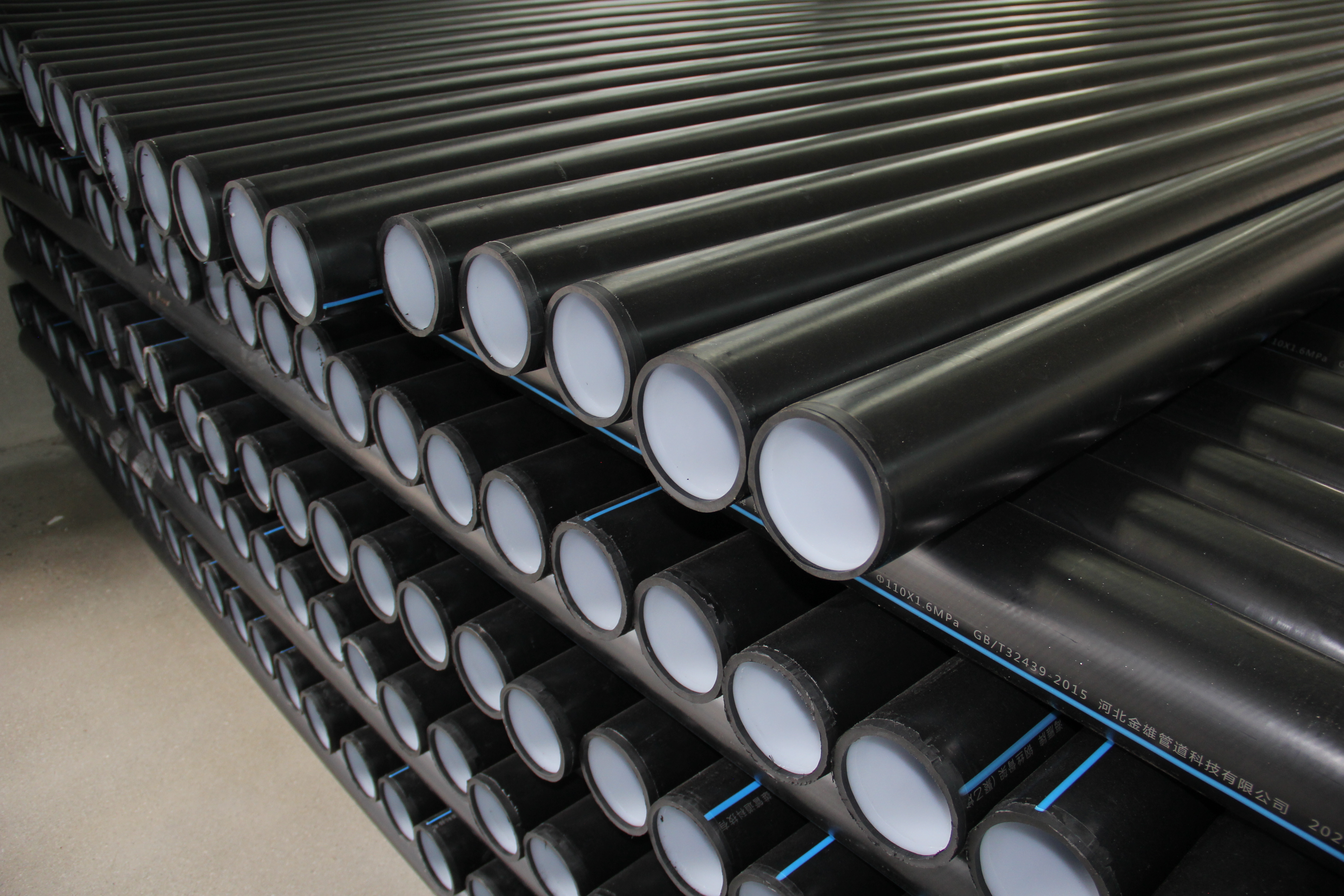
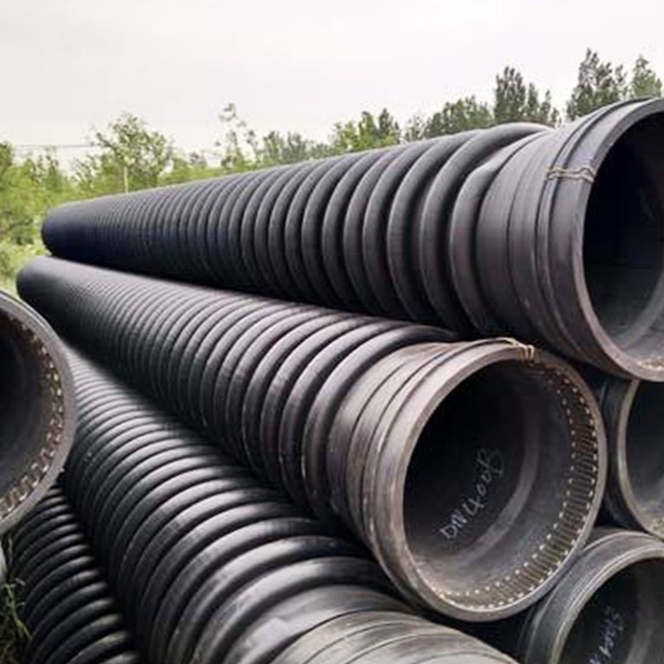
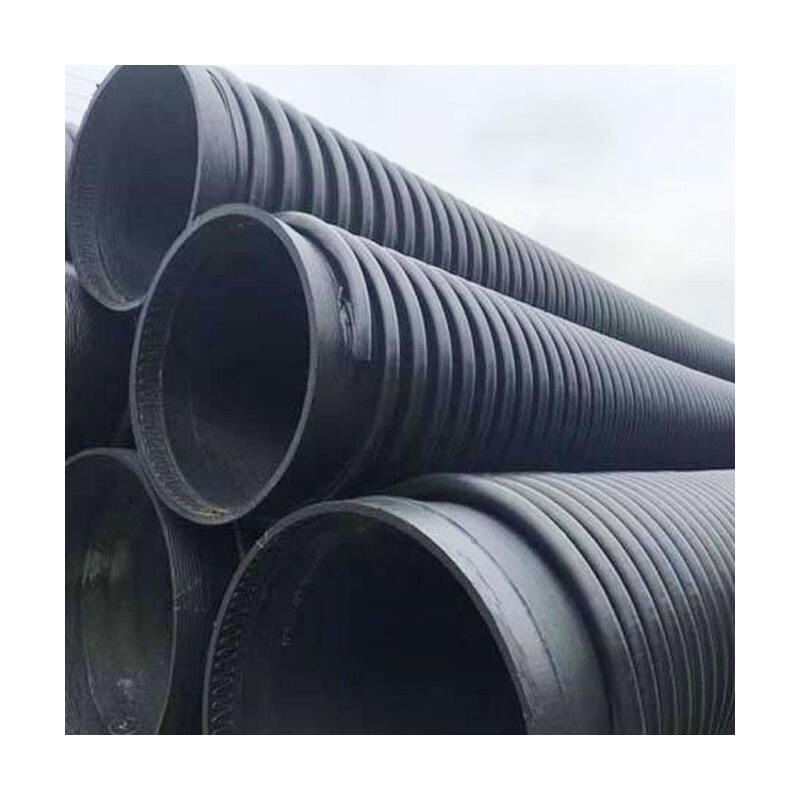
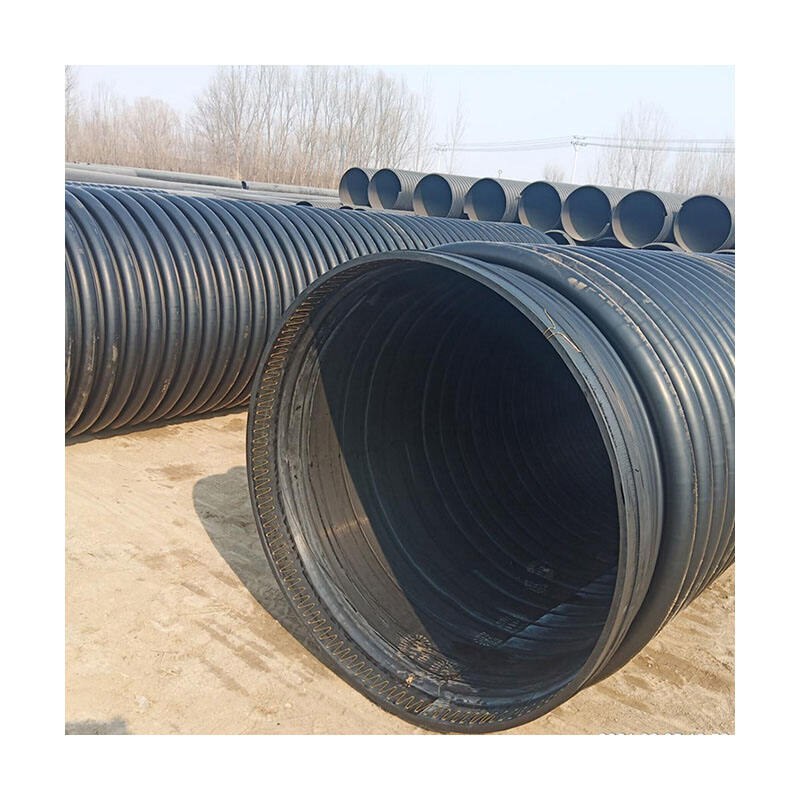
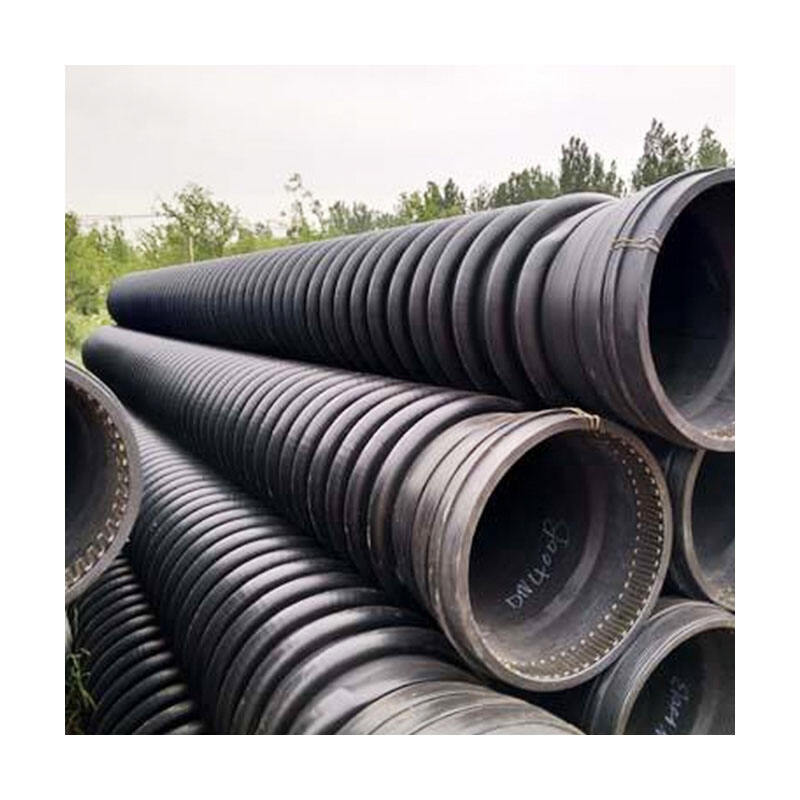
Krah HDPE pipes represent a revolutionary advancement in modern infrastructure piping systems, combining innovative design with superior performance characteristics. These specialized pipes utilize High-Density Polyethylene (HDPE) material manufactured through the unique Krah process, which creates a distinctive spiral-wound structure that sets them apart from conventional piping solutions. The primary function of Krah HDPE pipes centers on providing reliable fluid transport for various applications including water distribution, sewerage systems, industrial processes, and drainage networks. The technological foundation of these pipes lies in their advanced manufacturing process, where HDPE material is formed into a continuous spiral configuration, creating exceptional structural integrity and flexibility. This spiral-wound construction methodology enables the production of large-diameter pipes that maintain consistent wall thickness and superior mechanical properties throughout their length. The Krah manufacturing process incorporates precise temperature control and pressure application, ensuring optimal molecular bonding and eliminating weak points that commonly occur in traditional pipe joining methods. Key technological features include the seamless spiral construction that eliminates longitudinal joints, enhanced ring stiffness that resists external loads, and excellent chemical resistance properties inherent to HDPE materials. The pipes demonstrate remarkable adaptability to ground movement and settling, making them ideal for challenging installation environments. Applications for Krah HDPE pipes span numerous industries and infrastructure projects, including municipal water supply networks, wastewater collection systems, industrial chemical transport, mining operations, and agricultural irrigation systems. Their versatility extends to underground installations, above-ground applications, and specialized environments requiring corrosion-resistant materials. The pipes excel in projects demanding large-diameter solutions, such as major trunk sewers, storm water management systems, and industrial process piping where traditional materials would face limitations in size, weight, or installation complexity.