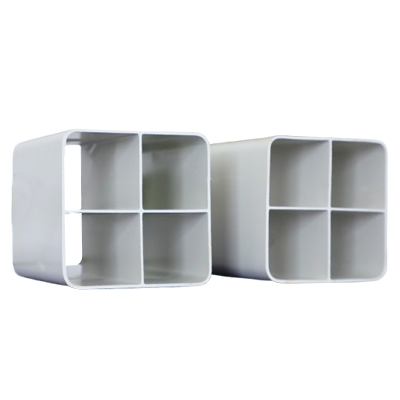
Premium Large Fish Cage Systems - Advanced Aquaculture Solutions for Commercial Fish Farming

Get a Free Quote

Our representative will contact you soon.
Email
Mobile
Name
Message
0/1000

large fish cage

The large fish cage represents a revolutionary advancement in commercial aquaculture technology, designed to maximize fish production while maintaining optimal environmental conditions. This sophisticated aquaculture system consists of robust mesh enclosures constructed from high-grade materials that can withstand harsh marine environments and varying weather conditions. The large fish cage typically spans dimensions ranging from 20 to 100 meters in diameter, providing substantial volume for fish cultivation on an industrial scale. These structures incorporate advanced engineering principles to ensure structural integrity while allowing natural water circulation patterns. The main functions of a large fish cage include secure fish containment, protection from predators, controlled feeding operations, and streamlined harvesting processes. The technological features encompass corrosion-resistant materials, reinforced anchoring systems, and modular design components that facilitate easy installation and maintenance. Modern large fish cage systems often integrate monitoring equipment for water quality assessment, automated feeding mechanisms, and environmental sensors that track temperature, oxygen levels, and current flow. Applications span across various aquaculture sectors including salmon farming, sea bass cultivation, tuna ranching, and specialty fish breeding operations. Commercial fisheries utilize these systems in coastal waters, offshore locations, and protected bays where natural conditions support healthy fish development. The large fish cage technology has transformed traditional fishing practices by enabling controlled production environments that reduce dependency on wild fish populations. These systems support sustainable aquaculture practices by minimizing environmental impact while maximizing yield efficiency. The versatility of large fish cage designs allows customization for specific fish species, local environmental conditions, and operational requirements. Installation flexibility enables deployment in various water depths and geographical locations, making this technology accessible to diverse aquaculture operations worldwide. The large fish cage represents a cornerstone technology for meeting growing global seafood demand through responsible and efficient fish farming methods.


New Product Releases

The large fish cage offers numerous practical benefits that directly impact profitability and operational efficiency for aquaculture businesses. First, these systems significantly increase production capacity compared to traditional pond farming methods, allowing operators to cultivate thousands of fish in a single unit. The controlled environment within a large fish cage reduces fish mortality rates by protecting stock from natural predators, diseases, and environmental fluctuations that commonly affect open-water populations. This protection translates to higher survival rates and more predictable harvest yields, enabling better financial planning and resource allocation. The large fish cage design promotes superior fish health through improved water circulation, which maintains optimal oxygen levels and removes waste products more effectively than static water systems. Enhanced water quality leads to faster fish growth rates, reduced feeding costs per kilogram of fish produced, and improved meat quality that commands premium market prices. Operational efficiency benefits include streamlined feeding processes, as the contained environment allows precise feed distribution and monitoring, reducing waste and optimizing nutrition delivery. Maintenance requirements are significantly lower compared to land-based facilities, as the large fish cage utilizes natural water filtration and requires minimal infrastructure investment. The modular design enables scalable operations, allowing businesses to expand production capacity incrementally based on market demand and available capital. Installation flexibility means operations can relocate to optimal farming locations or adjust positioning based on seasonal conditions, environmental factors, or regulatory requirements. Labor costs decrease substantially because automated systems integrated into modern large fish cage designs reduce manual intervention needs for routine operations. The contained environment facilitates better disease management and treatment protocols, enabling targeted interventions that protect entire stock populations. Environmental benefits include reduced pressure on wild fish populations, minimized land use requirements, and decreased freshwater consumption compared to terrestrial farming methods. The large fish cage system supports year-round production cycles, providing consistent supply chains and stable revenue streams regardless of seasonal variations. Quality control improvements result from controlled growing conditions that produce uniform fish sizes, consistent meat quality, and reduced contamination risks, making products more attractive to premium markets and export opportunities.

Practical Tips

Advanced Features and Maintenance Strategies for PE Steel Wire Mesh Skeleton Pipes

14

Sep

Advanced Features and Maintenance Strategies for PE Steel Wire Mesh Skeleton Pipes

View More
 Optimizing Performance and Durability in PE Steel Wire Mesh Skeleton Pipeline Systems

14

Sep

Optimizing Performance and Durability in PE Steel Wire Mesh Skeleton Pipeline Systems

View More
The Advantages of HDPE Silicon Core Pipes for Fiber Optic Cable Installation

24

Jun

The Advantages of HDPE Silicon Core Pipes for Fiber Optic Cable Installation

Explore the structural advantages of HDPE silicon core pipes, featuring dual-layer protection, chemical resistance, UV stability, and cost-effectiveness. Ideal for telecommunication networks, data centers, and urban infrastructure, learn how these pipes offer sustainable and reliable solutions.
View More
A Guide to Installing HDPE Silicon Core Pipes for Maximum Performance

24

Jun

A Guide to Installing HDPE Silicon Core Pipes for Maximum Performance

Explore the comprehensive guide on pre-installation preparation for HDPE silicon core pipes, including design planning, site setup, trench excavation, and maintenance strategies for long-term durability. Discover steps for regulatory compliance and testing to ensure optimal performance of your pipeline system.
View More

Get a Free Quote

Our representative will contact you soon.
Email
Mobile
Name
Message
0/1000

large fish cage

Advanced Structural Engineering and Durability

Advanced Structural Engineering and Durability

The large fish cage incorporates cutting-edge structural engineering that sets new standards for aquaculture infrastructure durability and performance. The framework utilizes marine-grade materials specifically selected for their resistance to saltwater corrosion, ultraviolet degradation, and mechanical stress from waves, currents, and weather conditions. High-density polyethylene meshes and galvanized steel components form the backbone of these systems, engineered to withstand forces equivalent to severe storm conditions while maintaining structural integrity over decades of continuous operation. The large fish cage design employs sophisticated anchoring systems that distribute loads evenly across multiple connection points, preventing structural failure even in challenging marine environments. Advanced mesh technology features precisely calculated opening sizes that prevent fish escape while allowing optimal water flow for maintaining healthy aquatic conditions. The engineering excellence extends to buoyancy systems that maintain proper cage positioning regardless of load variations, tidal changes, or weather conditions. Reinforcement patterns throughout the large fish cage structure incorporate redundant safety features, ensuring that localized damage does not compromise overall system integrity. The modular construction methodology enables field repairs and component replacement without requiring complete system removal or production shutdown. Quality control processes during manufacturing ensure every large fish cage meets stringent international standards for aquaculture equipment. The structural design accommodates expansion accessories, monitoring equipment, and automated systems without compromising the fundamental integrity of the containment system. Fatigue resistance testing demonstrates that these structures maintain performance characteristics throughout extended operational periods, providing long-term reliability for commercial aquaculture investments. The engineering specifications include calculations for maximum stocking densities, optimal water exchange rates, and environmental load factors that ensure safe operation across diverse geographical locations and climatic conditions. This level of structural sophistication represents a significant advancement over traditional aquaculture containment methods, offering operators confidence in their infrastructure investments while supporting sustainable fish farming practices that meet growing global seafood demand.
Integrated Environmental Control and Monitoring Systems

Integrated Environmental Control and Monitoring Systems

The large fish cage incorporates sophisticated environmental control and monitoring systems that revolutionize aquaculture management through real-time data collection and automated response mechanisms. These integrated systems continuously monitor critical parameters including water temperature, dissolved oxygen levels, pH balance, salinity, current velocity, and waste accumulation within the large fish cage environment. Advanced sensor networks provide operators with comprehensive environmental data that enables proactive management decisions and immediate response to changing conditions that could impact fish health or production efficiency. The monitoring technology includes wireless communication capabilities that transmit data to centralized control systems, allowing remote oversight of multiple large fish cage installations from single management locations. Automated alert systems notify operators immediately when environmental parameters exceed predetermined thresholds, enabling rapid intervention before conditions become detrimental to fish populations. The large fish cage environmental control features include automated feeding systems that adjust feed delivery based on fish behavior patterns, water conditions, and predetermined nutrition schedules. Water circulation enhancement systems can be activated automatically to maintain optimal oxygen levels during periods of high biological demand or environmental stress. The integration capabilities extend to weather monitoring systems that provide advance warning of approaching storms, enabling protective measures and operational adjustments to safeguard both equipment and fish populations. Data logging functions create comprehensive historical records that support production optimization, regulatory compliance, and scientific research initiatives. The environmental monitoring systems support precision aquaculture practices by providing detailed insights into the relationship between environmental conditions and fish growth rates, feeding efficiency, and overall health indicators. Machine learning algorithms integrated into advanced large fish cage systems can predict optimal harvesting times, identify disease outbreak patterns, and recommend operational adjustments based on accumulated data from multiple production cycles. The monitoring technology supports sustainability goals by tracking environmental impact metrics, ensuring that large fish cage operations maintain ecological balance with surrounding marine ecosystems while maximizing production efficiency and profitability for aquaculture businesses.
Scalable Production Capacity and Economic Efficiency

Scalable Production Capacity and Economic Efficiency

The large fish cage delivers exceptional scalable production capacity that transforms aquaculture economics by maximizing output per unit of investment while minimizing operational complexity. These systems support stocking densities ranging from moderate to intensive levels, accommodating various fish species and production strategies based on market demands and environmental conditions. The large fish cage design enables operators to achieve production volumes that were previously impossible with traditional aquaculture methods, supporting commercial operations that can supply regional markets or large-scale processing facilities. Economic efficiency benefits emerge from optimized space utilization, as the three-dimensional growing environment maximizes productive volume within the allocated water area. The scalability features allow progressive expansion through modular additions, enabling businesses to grow production capacity incrementally without major infrastructure overhauls or operational disruptions. Cost-effectiveness calculations demonstrate significant advantages in terms of production cost per kilogram of fish, facility maintenance expenses, and labor requirements compared to alternative aquaculture approaches. The large fish cage systems support multiple production cycles annually, enabling continuous revenue generation and improved return on investment timelines. Operational flexibility allows adaptation to changing market conditions, seasonal demands, or regulatory requirements without substantial capital expenditure or system modifications. The economic model supports various business scales, from family-owned operations to large commercial enterprises, making advanced aquaculture technology accessible across different market segments. Efficiency gains include reduced feed conversion ratios due to controlled feeding environments, lower mortality rates through predator protection, and improved growth rates from optimized water conditions. The large fish cage technology enables geographic flexibility for operations, allowing deployment in locations with optimal environmental conditions or proximity to processing facilities and distribution networks. Revenue optimization occurs through improved product quality consistency, reduced production risks, and enhanced market positioning for premium seafood products. The economic sustainability of large fish cage operations contributes to rural coastal development, employment creation, and food security objectives while generating competitive returns for investors and operators in the expanding global aquaculture industry.
Inquiry Premium Large Fish Cage Systems - Advanced Aquaculture Solutions for Commercial Fish Farming Inquiry Premium Large Fish Cage Systems - Advanced Aquaculture Solutions for Commercial Fish Farming Premium Large Fish Cage Systems - Advanced Aquaculture Solutions for Commercial Fish Farming Premium Large Fish Cage Systems - Advanced Aquaculture Solutions for Commercial Fish Farming
Write down your question

We are not only a product manufacturer, but also a solution provider. Whether you have questions or quotation requests, we will help you.

Get a Quote

Contact Us

Your email address will not be published. Required fields are marked *
Email
Name
Mobile
Message
0/1000