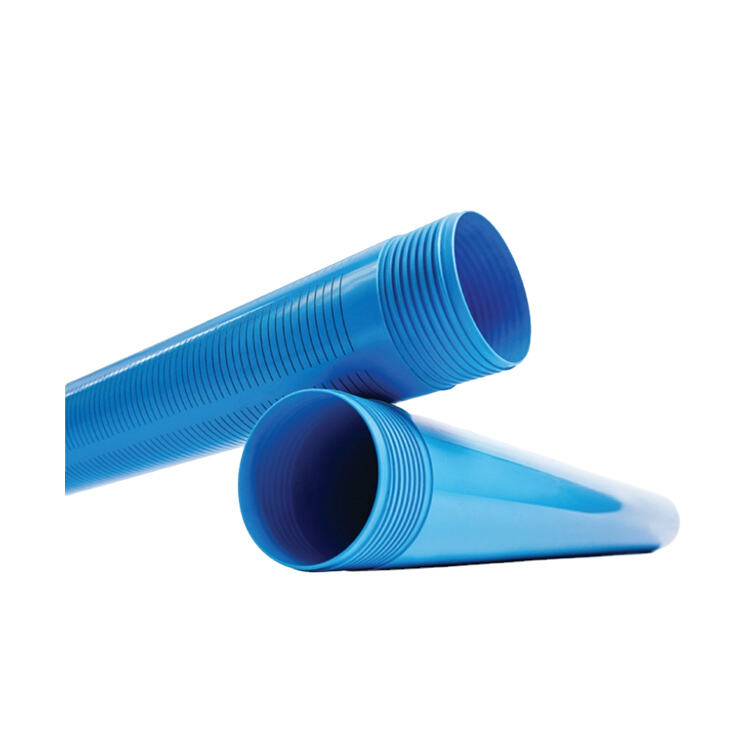
permeable geomembrane
Permeable geomembrane represents a revolutionary advancement in geosynthetic engineering, combining controlled permeability with barrier functionality to address complex environmental and infrastructure challenges. This innovative material serves as a selective barrier system that allows controlled fluid passage while maintaining structural integrity and environmental protection. The permeable geomembrane features a unique multi-layered construction that incorporates specialized microporous technology, enabling precise control over fluid transmission rates while preventing contaminant migration. The main functions of permeable geomembrane include groundwater management, landfill leachate control, contaminated soil remediation, and gas venting applications. The material operates on advanced filtration principles, utilizing engineered pore structures that permit water passage while blocking harmful substances based on molecular size and chemical properties. Technological features encompass high tensile strength, chemical resistance, UV stability, and long-term durability under varying environmental conditions. The permeable geomembrane maintains its selective permeability characteristics across temperature fluctuations and chemical exposure scenarios. Manufacturing processes involve sophisticated extrusion techniques that create uniform pore distribution throughout the membrane thickness, ensuring consistent performance across large installation areas. Applications span numerous industries including waste management, mining operations, agricultural drainage systems, and environmental remediation projects. The material excels in situations requiring controlled water flow while maintaining contamination barriers. Installation procedures are streamlined compared to traditional barrier systems, reducing project timelines and labor costs. Quality control measures during production ensure each permeable geomembrane batch meets stringent performance standards for permeability rates, mechanical properties, and chemical compatibility. The technology addresses growing environmental concerns by providing sustainable solutions for groundwater protection, soil stabilization, and waste containment while allowing natural hydrological processes to continue.