Versatile Performance Across Multiple Applications
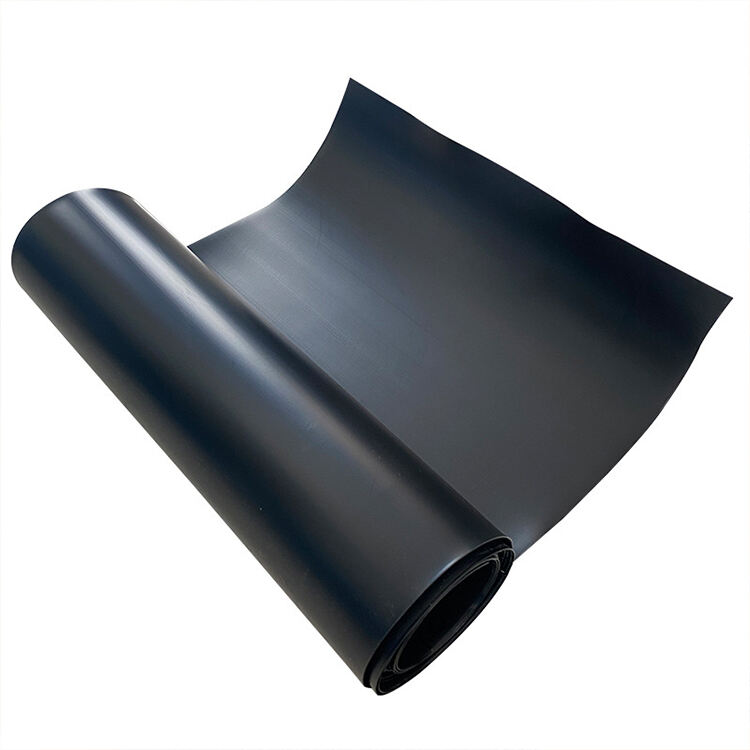
Geomembrane geotextile systems demonstrate remarkable versatility across diverse industrial and environmental applications, adapting to specific performance requirements through customizable material specifications and installation techniques. This adaptability makes the composite system suitable for projects ranging from small-scale agricultural applications to large-scale industrial containment facilities. In waste management applications, the material functions as primary liner systems in municipal solid waste landfills, providing reliable containment while accommodating differential settlement and thermal cycling. The flexibility of the composite allows it to conform to irregular subgrade surfaces without compromising sealing effectiveness, making it ideal for retrofit applications where existing surfaces cannot be perfectly graded. Mining applications benefit from the durability and chemical resistance required for process water containment, heap leach operations, and tailings storage facilities where exposure to aggressive solutions demands superior material performance. Agricultural implementations utilize the composite for pond liners, irrigation systems, and livestock waste management where cost-effectiveness must be balanced with environmental protection requirements. Water treatment facilities rely on geomembrane geotextile for clarifier linings, storage tank secondary containment, and treatment pond systems where regulatory compliance demands proven performance and long-term reliability. The material adapts to various installation methods including anchor trench systems, ballast installations, and mechanical attachment methods that accommodate different site conditions and performance requirements. Surface texturing options provide enhanced friction characteristics for slope installations, while smooth surfaces optimize flow characteristics in canal and channel applications. Color options including black, white, and custom colors serve both functional and aesthetic purposes while maintaining material performance standards. Thickness variations allow optimization for specific stress conditions, chemical exposure levels, and expected service life requirements. The geotextile component can be customized with different weights, permeabilities, and fiber compositions to match drainage, separation, and protection requirements specific to each application. Quality control testing adapts to project specifications through customized testing protocols that verify performance parameters relevant to specific applications, ensuring that each installation meets or exceeds design requirements for optimal long-term performance and environmental protection.