geomembrane waterproofing
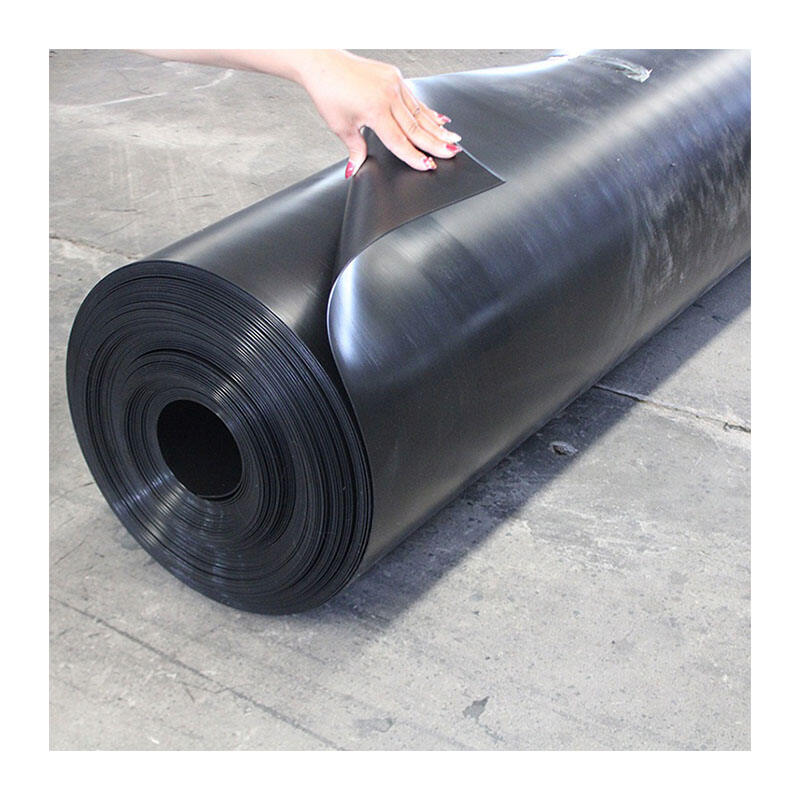
Geomembrane waterproofing represents a cutting-edge solution in modern construction and environmental protection, utilizing synthetic polymer membranes to create impermeable barriers that prevent water infiltration and contamination. This advanced technology employs flexible sheets manufactured from materials such as high-density polyethylene (HDPE), low-density polyethylene (LDPE), polyvinyl chloride (PVC), and ethylene propylene diene monomer (EPDM). These geomembrane waterproofing systems function as primary containment barriers, effectively blocking liquid penetration while maintaining structural integrity under various environmental conditions. The technological features of geomembrane waterproofing include exceptional chemical resistance, UV stability, and thermal expansion capabilities that accommodate ground movement without compromising seal integrity. Modern manufacturing processes ensure consistent thickness distribution and superior weld strength, enabling reliable long-term performance in demanding applications. Installation techniques involve precision welding methods that create continuous, seamless barriers with minimal joints, reducing potential failure points. Quality control measures include pressure testing, spark testing, and visual inspections to verify installation integrity. Geomembrane waterproofing applications span diverse industries including landfill containment, mining operations, agricultural water storage, aquaculture facilities, and building foundation protection. In environmental applications, these systems prevent groundwater contamination by containing hazardous materials and leachates. Civil engineering projects utilize geomembrane waterproofing for tunnel linings, bridge deck protection, and parking structure waterproofing. The versatility of geomembrane waterproofing extends to decorative water features, swimming pool construction, and industrial secondary containment systems. Advanced formulations provide enhanced puncture resistance and flexibility, ensuring optimal performance in challenging soil conditions and extreme temperature variations.