pvc casing pipe fittings
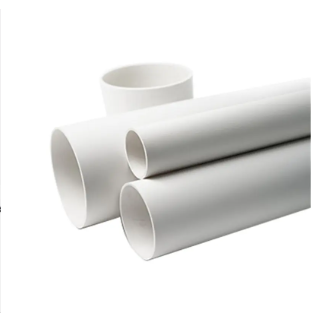
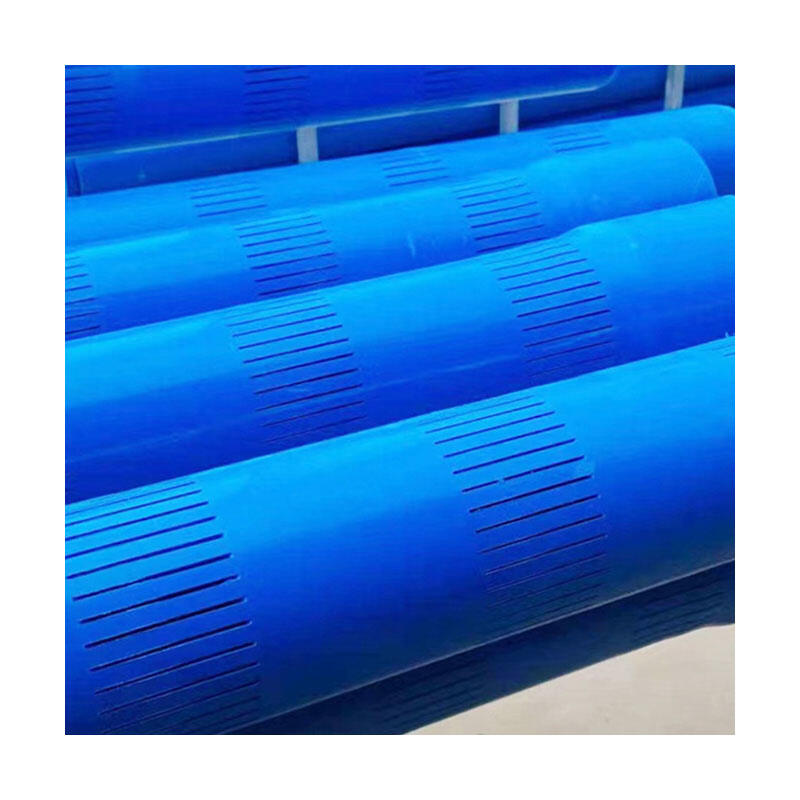
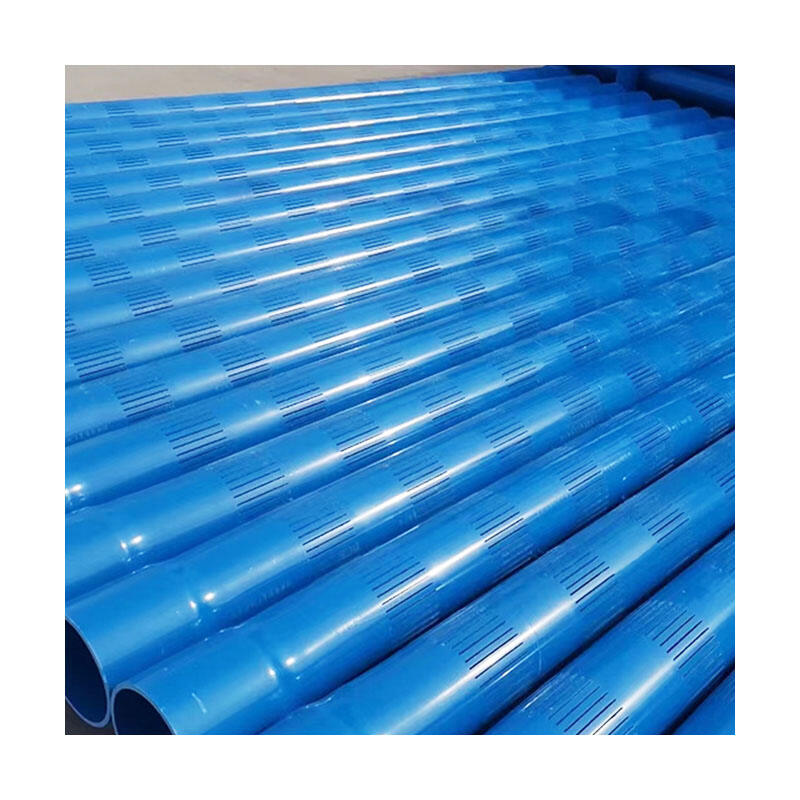
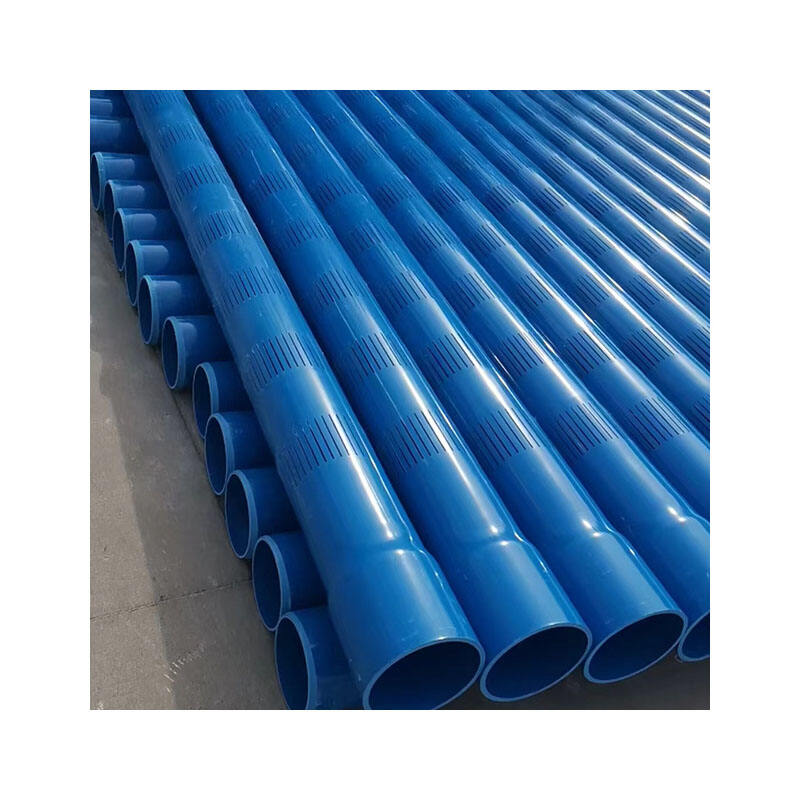
PVC casing pipe fittings represent a crucial component in modern water well construction and borehole installations, serving as protective conduits that safeguard submersible pumps, electrical cables, and plumbing systems from external contamination and physical damage. These specialized fittings are engineered from high-grade polyvinyl chloride material, designed specifically to create secure connections between casing sections while maintaining optimal water flow and system integrity. The primary function of pvc casing pipe fittings involves creating watertight seals that prevent groundwater infiltration, surface contaminants, and debris from entering the well system, ensuring clean water delivery and protecting expensive equipment investments. Technologically, these fittings incorporate precision-molded threading systems, reinforced joint designs, and corrosion-resistant formulations that withstand harsh underground environments for decades. The manufacturing process utilizes advanced polymer chemistry to achieve optimal strength-to-weight ratios, thermal stability, and chemical resistance properties essential for long-term performance. Modern pvc casing pipe fittings feature standardized dimensions that ensure compatibility across different manufacturers and system configurations, facilitating easier installation and maintenance procedures. Applications span residential water wells, agricultural irrigation systems, municipal water supplies, geothermal installations, and industrial process water systems. These fittings prove particularly valuable in areas with aggressive soil conditions, high mineral content groundwater, or extreme temperature variations where traditional metal alternatives would deteriorate rapidly. The versatility of pvc casing pipe fittings extends to rehabilitation projects where existing wells require upgrades or repairs, offering cost-effective solutions that restore system functionality without complete reconstruction. Environmental considerations make these fittings increasingly popular as they contain no harmful metals, resist biological growth, and maintain water quality standards throughout their operational lifespan.