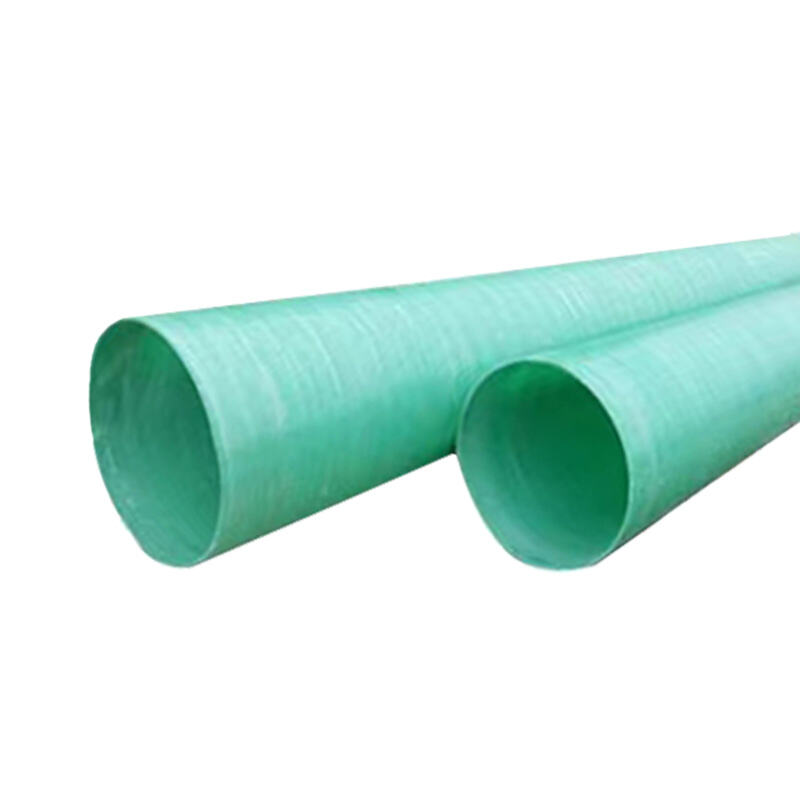
Superior Corrosion Resistance and Chemical Immunity
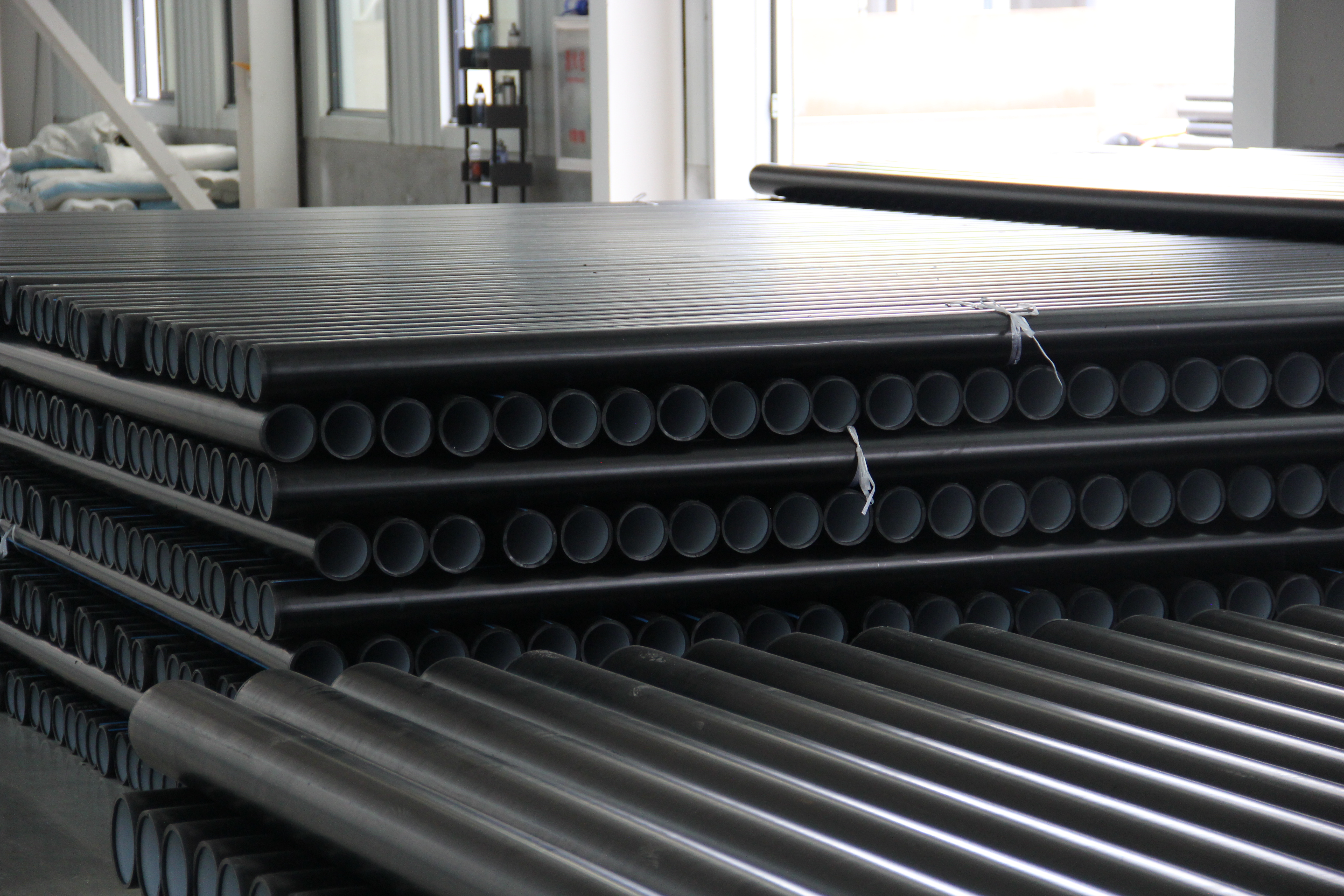
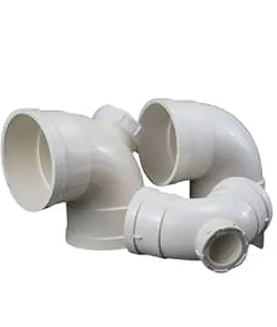
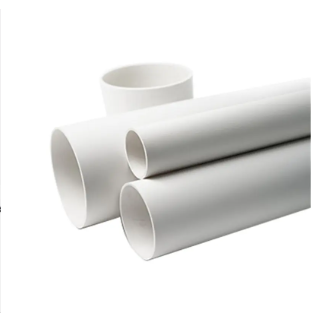
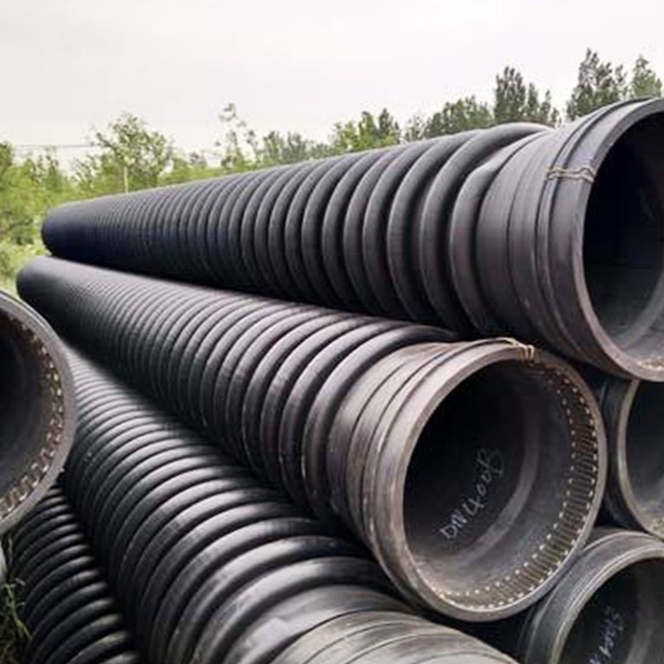
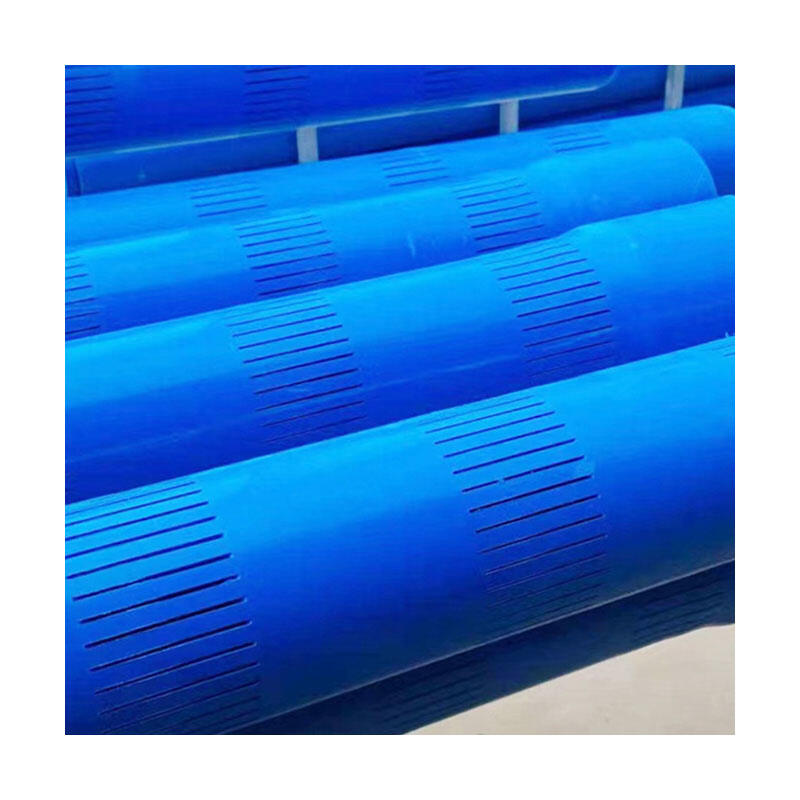
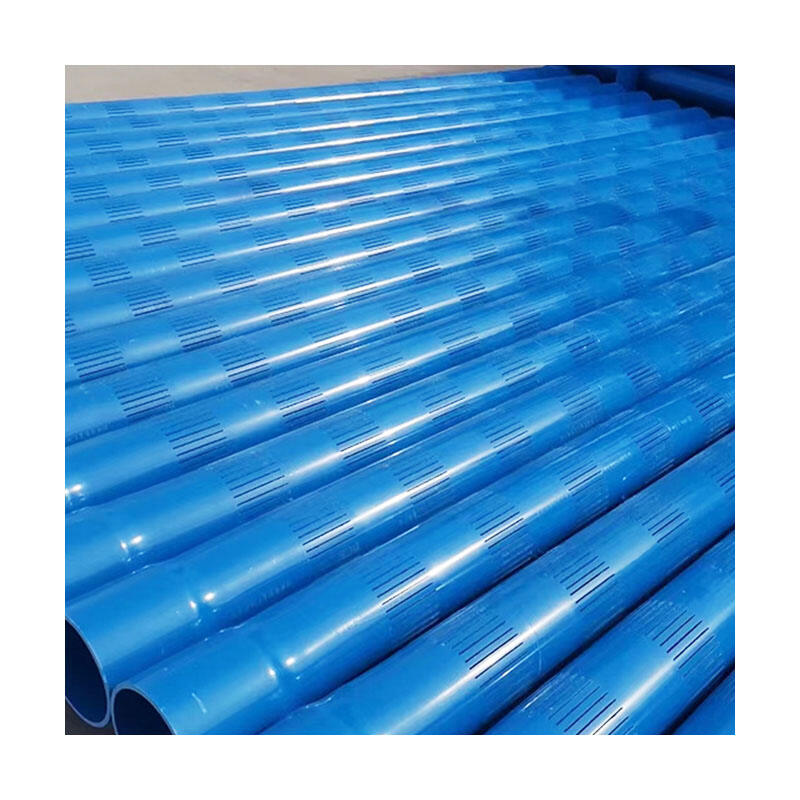
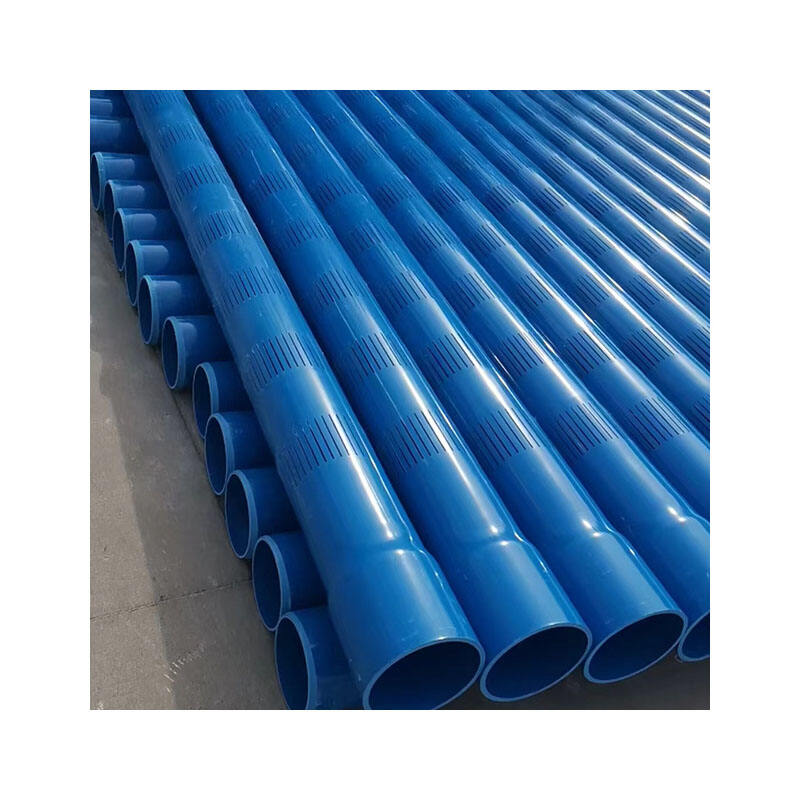
The exceptional corrosion resistance of pvc casing pipes stands as their most significant advantage, providing unmatched protection against the harsh chemical environments commonly encountered in groundwater applications. Unlike traditional metal casing pipes that succumb to rust, oxidation, and chemical degradation within years of installation, pvc casing pipes maintain their structural integrity and performance characteristics for decades without deterioration. This corrosion immunity stems from the inherent chemical stability of polyvinyl chloride, which remains unaffected by acidic conditions, alkaline environments, and the presence of dissolved minerals that rapidly destroy metal alternatives. The molecular structure of PVC creates an impermeable barrier against aggressive groundwater chemicals, including sulfates, chlorides, and organic acids that cause catastrophic failure in steel or iron pipes. This chemical resistance extends to industrial applications where contaminated groundwater or process fluids would quickly compromise metal systems. The long-term cost savings achieved through corrosion resistance are substantial, eliminating the need for expensive pipe replacement, system downtime, and associated labor costs. Property owners benefit from predictable system performance without the uncertainty of corrosion-related failures that can leave them without water access. The maintenance-free operation of pvc casing pipes allows system owners to focus resources on other priorities rather than constantly monitoring and replacing deteriorating components. Environmental benefits include reduced waste generation from failed pipes and elimination of metal contamination in groundwater systems. The consistent performance of pvc casing pipes across diverse geological conditions provides engineers and contractors with confidence in system design and long-term reliability. This corrosion resistance makes pvc casing pipes particularly valuable in coastal areas where salt water intrusion accelerates metal pipe degradation, extending system life far beyond what traditional materials could achieve in such challenging environments.