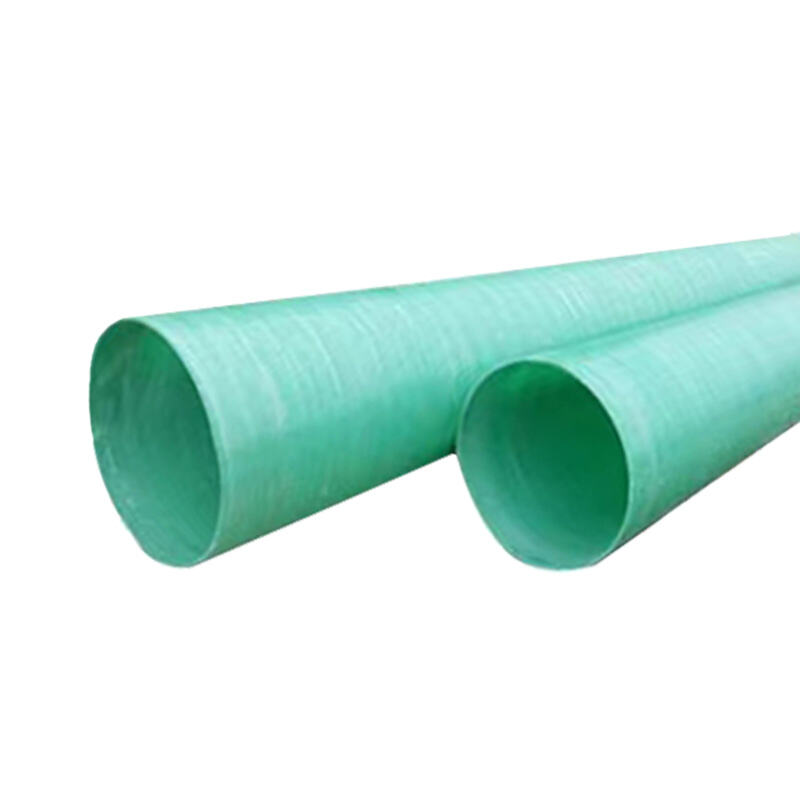
PVC DWV Pipe: Complete Guide to Drain Waste Vent Plumbing Systems

Get a Free Quote

Our representative will contact you soon.
Email
Mobile
Name
Message
0/1000

pvc dwv pipe

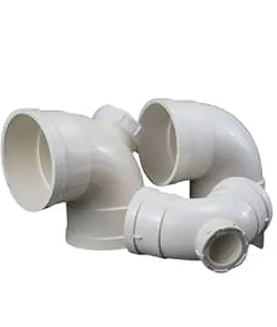
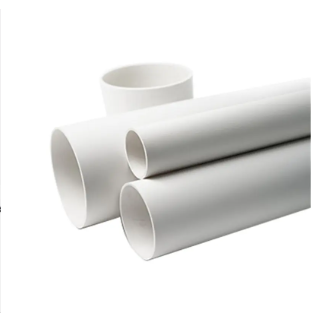
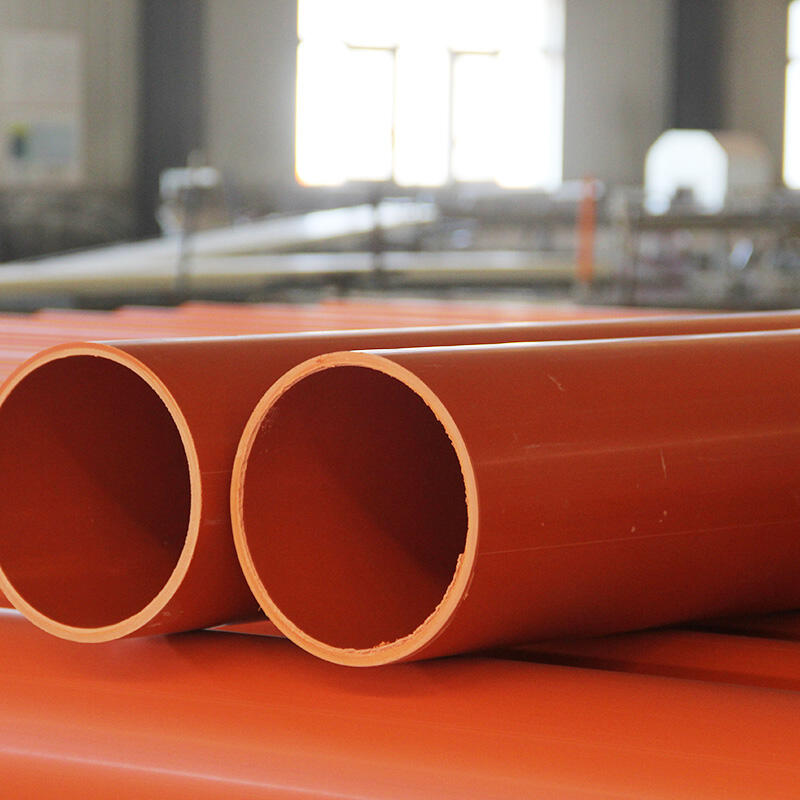
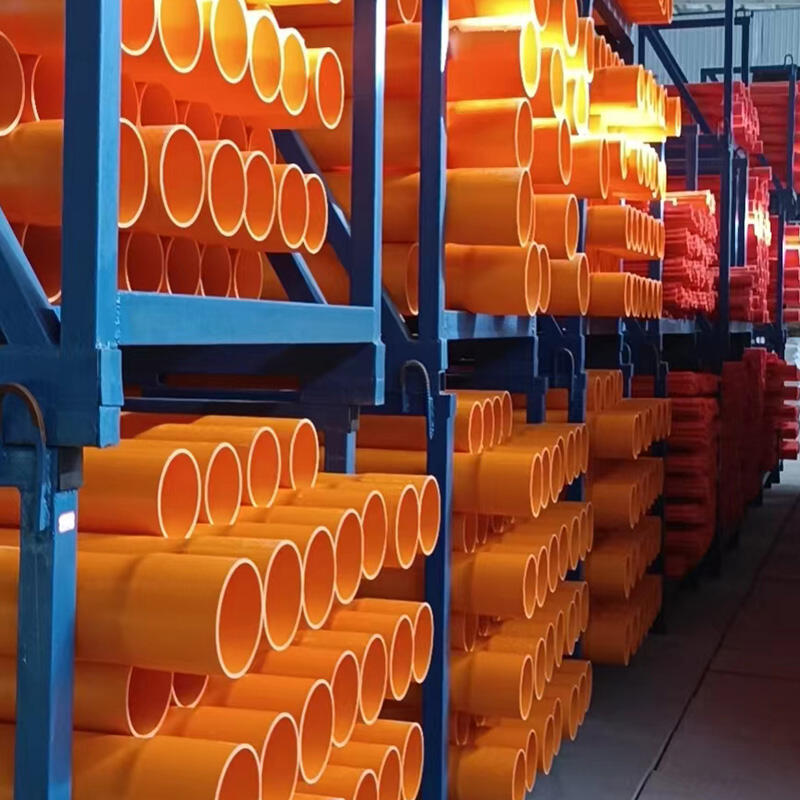
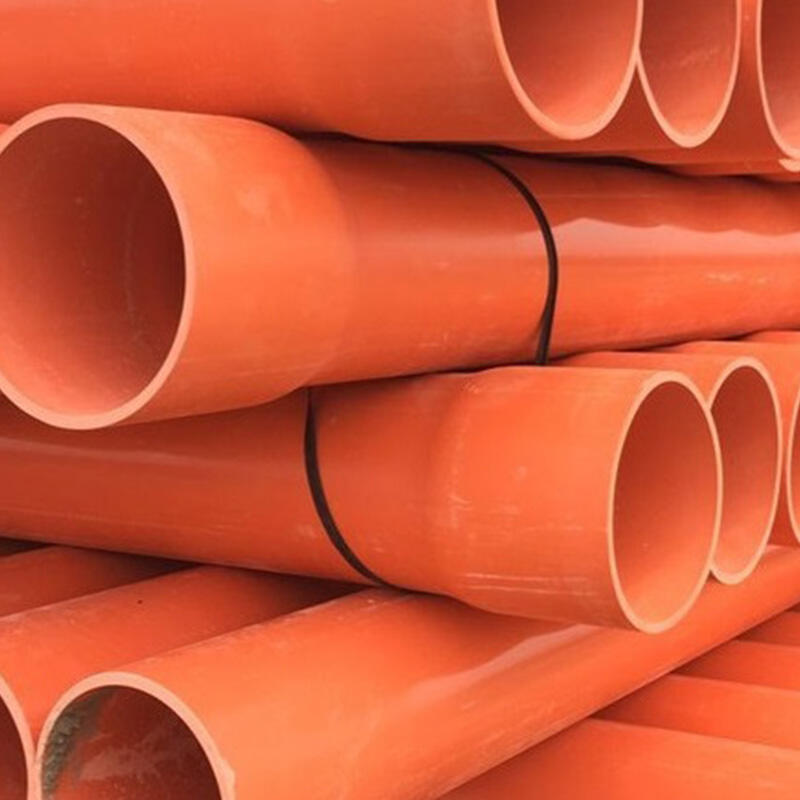
PVC DWV pipe stands for Polyvinyl Chloride Drain, Waste, and Vent piping, representing a cornerstone technology in modern plumbing systems. This specialized piping solution serves as the backbone for removing wastewater, sewage, and providing proper ventilation throughout residential, commercial, and industrial buildings. The pvc dwv pipe system operates under gravity flow principles, efficiently channeling liquids and gases away from fixtures while maintaining optimal pressure balance within the entire drainage network. Manufacturing processes utilize high-grade polyvinyl chloride resin compounds, creating pipes that demonstrate exceptional chemical resistance and structural integrity. The technological foundation of pvc dwv pipe incorporates precise dimensional tolerances, ensuring seamless connections between fittings, joints, and pipe segments. These pipes feature smooth interior surfaces that minimize friction losses and prevent debris accumulation, promoting consistent flow rates throughout the system lifecycle. Installation specifications require proper slope calculations, typically ranging from one to four inches per foot depending on pipe diameter and application requirements. The pvc dwv pipe design accommodates thermal expansion and contraction through strategic joint placement and flexible coupling systems. Quality control measures during production include pressure testing, dimensional verification, and chemical composition analysis to guarantee compliance with industry standards. Modern pvc dwv pipe systems integrate seamlessly with various fixture types, from kitchen sinks and bathroom facilities to industrial floor drains and commercial washing equipment. The material composition provides excellent resistance to corrosive chemicals commonly found in household and industrial waste streams, including acids, bases, and organic solvents. Advanced manufacturing techniques ensure consistent wall thickness distribution, preventing weak points that could lead to premature failure. The pvc dwv pipe infrastructure supports sustainable building practices through recyclable materials and energy-efficient production methods.


New Product Recommendations

The pvc dwv pipe system delivers remarkable cost-effectiveness compared to traditional materials like cast iron or copper, reducing initial installation expenses by up to sixty percent while maintaining superior performance standards. Property owners benefit from significantly lower maintenance costs because pvc dwv pipe resists corrosion, scale buildup, and chemical degradation that plague metal alternatives. Installation teams appreciate the lightweight nature of pvc dwv pipe, which cuts labor hours and reduces physical strain during construction projects. The material weighs approximately one-sixth that of cast iron equivalents, allowing single workers to handle longer pipe sections safely and efficiently. Longevity represents another crucial advantage, as pvc dwv pipe systems typically provide fifty to one hundred years of reliable service under normal operating conditions. The smooth interior surface of pvc dwv pipe prevents grease accumulation and mineral deposits, maintaining optimal flow capacity throughout the system's operational lifetime. Chemical resistance properties ensure that pvc dwv pipe withstands exposure to cleaning agents, industrial chemicals, and naturally occurring acids without degradation or structural compromise. Temperature stability allows pvc dwv pipe to function effectively across wide temperature ranges, from freezing conditions to elevated temperatures common in commercial applications. Noise reduction benefits make pvc dwv pipe ideal for residential installations, as the material dampens water flow sounds significantly better than metal alternatives. Environmental considerations favor pvc dwv pipe selection, since the manufacturing process requires less energy consumption and produces fewer carbon emissions compared to metal pipe production. Flexibility during installation permits pvc dwv pipe systems to accommodate building settling and minor ground movement without cracking or joint separation. The standardized fitting system ensures reliable connections between pvc dwv pipe segments, reducing leak potential and simplifying repair procedures. Fire resistance ratings meet strict building codes, providing peace of mind for property owners and compliance with safety regulations. Recycling programs accept pvc dwv pipe materials at end-of-life, supporting circular economy principles and reducing landfill waste accumulation.

Practical Tips

HDPE Fitting: A key component for connecting future pipeline systems

18

Sep

HDPE Fitting: A key component for connecting future pipeline systems

View More
Maximizing Efficiency with Dredging Pipelines: A Comprehensive Guide

24

Jun

Maximizing Efficiency with Dredging Pipelines: A Comprehensive Guide

Explore the role of booster pumps in optimizing dredging pipeline efficiency, enhancing slurry velocity, and reducing operational costs. Understand strategic placement, calculate critical velocities, and delve into advanced technologies for modern dredging operations using HDPE solutions.
View More
HDPE Pipes: The Versatile Solution for Modern Piping Needs

24

Jun

HDPE Pipes: The Versatile Solution for Modern Piping Needs

Discover why HDPE pipes are a versatile and sustainable solution for modern infrastructure, offering key benefits such as corrosion resistance and cost-effectiveness. Learn about their applications and best practices for installation.
View More
HDPE Pipes: The Environmental Benefits of a Sustainable Piping Material

24

Jun

HDPE Pipes: The Environmental Benefits of a Sustainable Piping Material

Discover the environmental and economic benefits of HDPE recycled materials in supporting a circular economy, with advantages in durability, low carbon footprint, and applications in municipal systems and renewable energy.
View More

Get a Free Quote

Our representative will contact you soon.
Email
Mobile
Name
Message
0/1000

pvc dwv pipe

Superior Chemical Resistance and Durability

Superior Chemical Resistance and Durability

The pvc dwv pipe demonstrates exceptional chemical resistance properties that set it apart from conventional drainage materials, making it the preferred choice for demanding applications across residential and commercial sectors. This remarkable resistance stems from the inherent molecular structure of polyvinyl chloride, which remains chemically inert when exposed to acids, bases, salts, and organic compounds commonly found in wastewater streams. Unlike metal pipes that succumb to corrosion and deterioration, pvc dwv pipe maintains structural integrity even when subjected to harsh cleaning chemicals, industrial solvents, and naturally occurring acids present in household waste. The material's non-reactive nature prevents chemical breakdown that could compromise pipe walls or create hazardous conditions within the drainage system. Laboratory testing confirms that pvc dwv pipe withstands continuous exposure to sulfuric acid, hydrochloric acid, and sodium hydroxide solutions without measurable degradation over extended periods. This chemical stability translates directly into reduced maintenance requirements and longer service life, providing property owners with substantial cost savings over the system's operational lifetime. The durability factor extends beyond chemical resistance to include mechanical strength characteristics that enable pvc dwv pipe to handle significant structural loads and pressure variations. Impact resistance testing demonstrates that properly installed pvc dwv pipe systems maintain integrity under freeze-thaw cycles, ground settling, and seismic activity that could damage brittle materials. The flexible nature of pvc dwv pipe allows controlled deflection under stress, preventing catastrophic failure modes common in rigid piping materials. Quality assurance protocols during manufacturing ensure consistent material properties throughout each pipe section, eliminating weak points that could lead to premature failure. The combination of chemical resistance and mechanical durability makes pvc dwv pipe suitable for challenging environments including hospitals, laboratories, industrial facilities, and food processing plants where contamination prevention is critical.
Cost-Effective Installation and Maintenance Benefits

Cost-Effective Installation and Maintenance Benefits

The economic advantages of pvc dwv pipe systems extend far beyond initial material costs, encompassing installation efficiency, labor savings, and long-term maintenance benefits that deliver exceptional value for property owners and contractors alike. Installation crews consistently report faster project completion times when working with pvc dwv pipe compared to traditional materials, thanks to the lightweight construction that allows single-person handling of standard pipe lengths. The reduced weight eliminates the need for heavy lifting equipment in most applications, cutting equipment rental costs and improving job site safety conditions. Joining techniques for pvc dwv pipe utilize solvent cement connections that create permanent, leak-proof bonds in minutes rather than hours required for threaded or welded joints in metal systems. This rapid assembly process reduces labor hours significantly, translating directly into lower installation costs for property owners. The standardized dimensions and fitting systems ensure proper alignment and connection integrity, minimizing callback visits and warranty issues that increase project costs. Maintenance advantages become apparent immediately after installation, as pvc dwv pipe systems rarely require service interventions during normal operation. The smooth interior surface prevents debris accumulation and root intrusion that commonly plague other piping materials, reducing the frequency and cost of professional cleaning services. When repairs become necessary, pvc dwv pipe systems offer straightforward replacement procedures that minimize disruption to building occupants and reduce repair costs. The availability of standard fittings and pipe sections in most supply channels ensures quick turnaround times for maintenance projects. Long-term cost analysis reveals that pvc dwv pipe systems typically provide return on investment within the first decade of operation through reduced maintenance expenses and extended service life. Energy efficiency considerations also favor pvc dwv pipe selection, as the manufacturing process requires significantly less energy input compared to metal alternatives, supporting sustainable building practices and reducing overall project environmental impact.
Enhanced Flow Performance and System Reliability

Enhanced Flow Performance and System Reliability

The hydraulic performance characteristics of pvc dwv pipe systems deliver superior flow efficiency and system reliability that directly impact building functionality and occupant satisfaction. The exceptionally smooth interior surface of pvc dwv pipe achieves Manning's roughness coefficients as low as 0.009, significantly better than cast iron or concrete alternatives that develop rougher surfaces over time. This smooth surface maintains consistent flow velocities and prevents the formation of biofilms or mineral deposits that can restrict drainage capacity in other piping materials. Computational fluid dynamics analysis confirms that pvc dwv pipe systems maintain design flow rates throughout their operational lifetime, while metal alternatives often experience progressive capacity reduction due to corrosion and scale buildup. The consistent interior diameter ensures predictable hydraulic behavior that simplifies system design calculations and reduces the risk of inadequate drainage capacity during peak flow periods. Thermal expansion characteristics of pvc dwv pipe allow controlled movement that prevents stress concentration at joints and fittings, maintaining system integrity under varying temperature conditions. The material's thermal expansion coefficient enables proper joint design that accommodates building movement without compromising connection reliability. Noise attenuation properties make pvc dwv pipe particularly valuable in residential and hospitality applications where water flow sounds could disturb occupants. The polymer material naturally dampens vibration and acoustic transmission, creating quieter drainage systems compared to metal alternatives. System reliability benefits extend to freeze resistance, as pvc dwv pipe demonstrates superior performance in cold climates where metal pipes might crack or burst under freezing conditions. The flexible nature of the material allows controlled expansion during freeze events, preventing catastrophic failure that could cause extensive property damage. Quality control measures during manufacturing ensure consistent wall thickness and material properties that support reliable long-term performance. Advanced testing protocols verify pressure ratings, impact resistance, and dimensional accuracy before pipes leave manufacturing facilities. Installation guidelines provide clear specifications for proper slope, support spacing, and joint assembly that optimize system performance and prevent common failure modes.
Inquiry PVC DWV Pipe: Complete Guide to Drain Waste Vent Plumbing Systems Inquiry PVC DWV Pipe: Complete Guide to Drain Waste Vent Plumbing Systems PVC DWV Pipe: Complete Guide to Drain Waste Vent Plumbing Systems PVC DWV Pipe: Complete Guide to Drain Waste Vent Plumbing Systems
Write down your question

We are not only a product manufacturer, but also a solution provider. Whether you have questions or quotation requests, we will help you.

Get a Quote

Contact Us

Your email address will not be published. Required fields are marked *
Email
Name
Mobile
Message
0/1000