Superior Chemical Resistance and Longevity
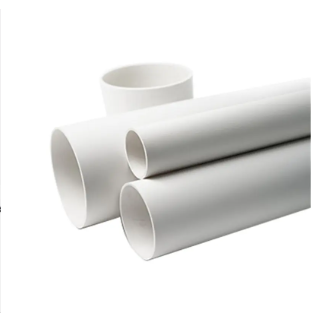
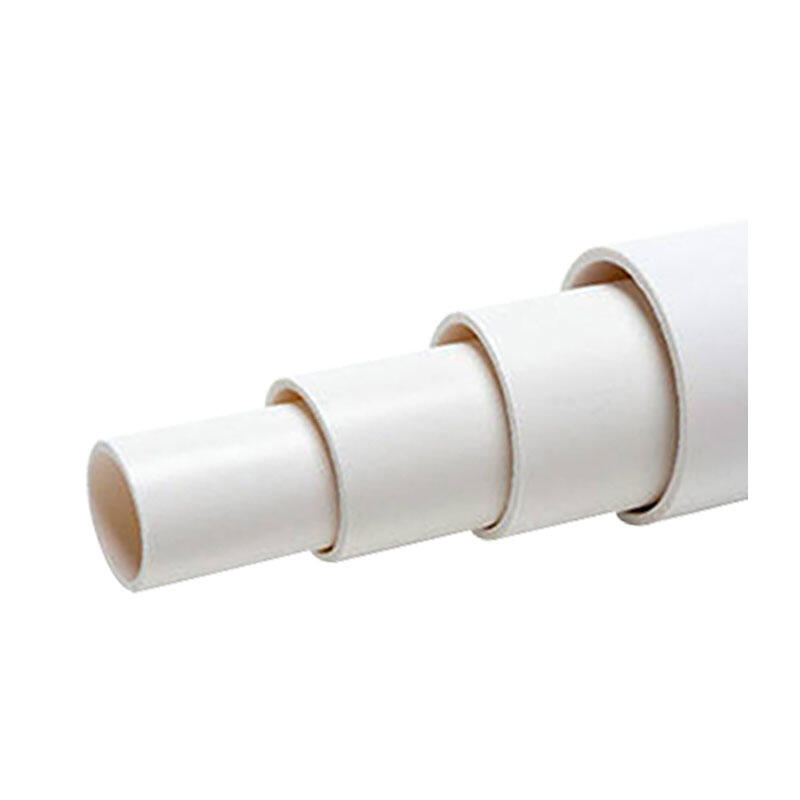
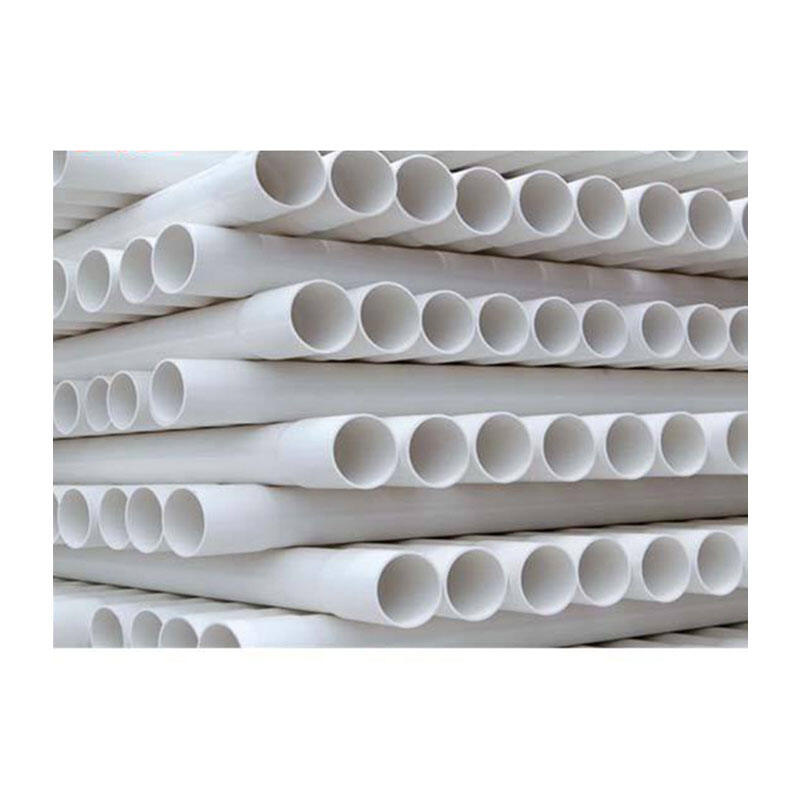
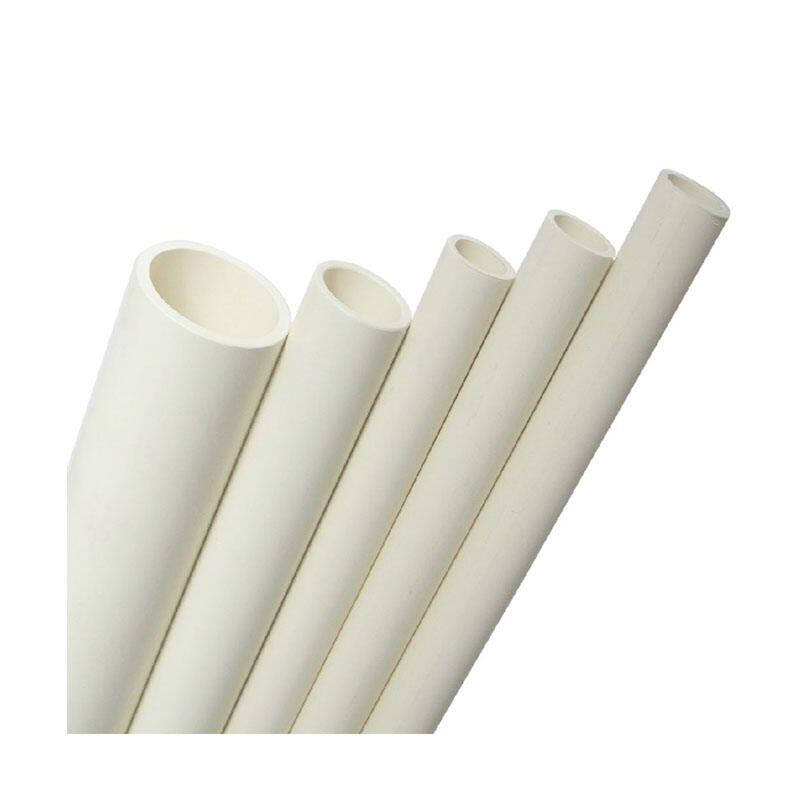
The upvc casing pipe demonstrates unmatched chemical resistance properties that fundamentally transform underground utility protection standards, offering unprecedented durability in challenging soil environments where traditional materials fail prematurely. This exceptional resistance stems from the molecular structure of unplasticized polyvinyl chloride, which remains chemically inert when exposed to acids, alkalis, salts, and organic compounds commonly present in various soil types. Unlike steel casing pipes that succumb to electrochemical corrosion within years of installation, upvc casing pipe maintains structural integrity for decades without degradation, eliminating costly replacement cycles and emergency repair situations. The material's resistance extends to industrial pollutants, agricultural chemicals, and urban contaminants that increasingly permeate modern soil environments, ensuring reliable protection regardless of surrounding chemical conditions. Laboratory testing demonstrates that upvc casing pipe withstands continuous exposure to sulfuric acid concentrations, sodium hydroxide solutions, and chloride-rich environments without measurable deterioration, conditions that rapidly destroy alternative materials. This chemical stability translates into predictable long-term performance, allowing engineers and facility managers to plan infrastructure investments with confidence in extended service life projections. The economic implications prove substantial, as the initial investment in upvc casing pipe systems often costs less than half the lifecycle expenses associated with steel alternatives when factoring replacement, maintenance, and failure remediation costs. Furthermore, the material's immunity to galvanic corrosion eliminates the complex cathodic protection systems required for metallic installations, reducing both installation complexity and ongoing operational expenses. Environmental benefits accompany the chemical resistance advantages, as upvc casing pipe prevents leaching of metallic contaminants into surrounding soil and groundwater systems, supporting sustainable infrastructure development goals. The predictable aging characteristics enable accurate service life modeling, facilitating informed asset management decisions and budget planning for large-scale utility networks spanning multiple decades of operation.