upvc drainage pipe
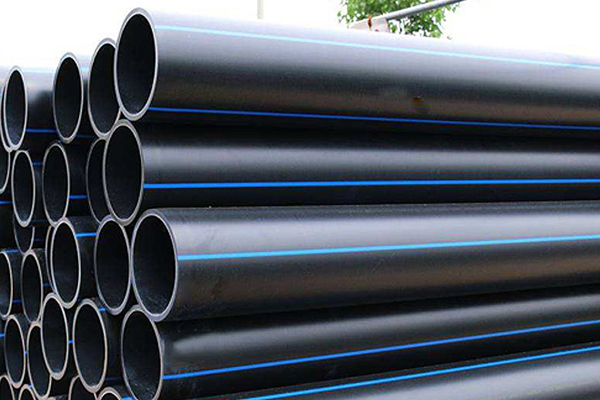
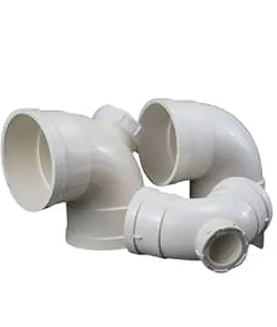
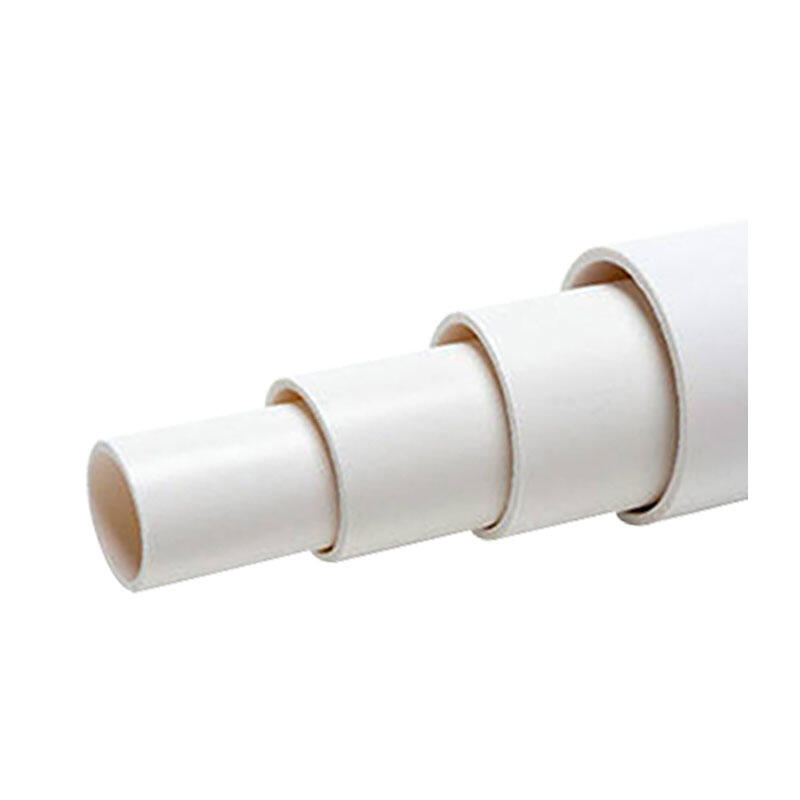
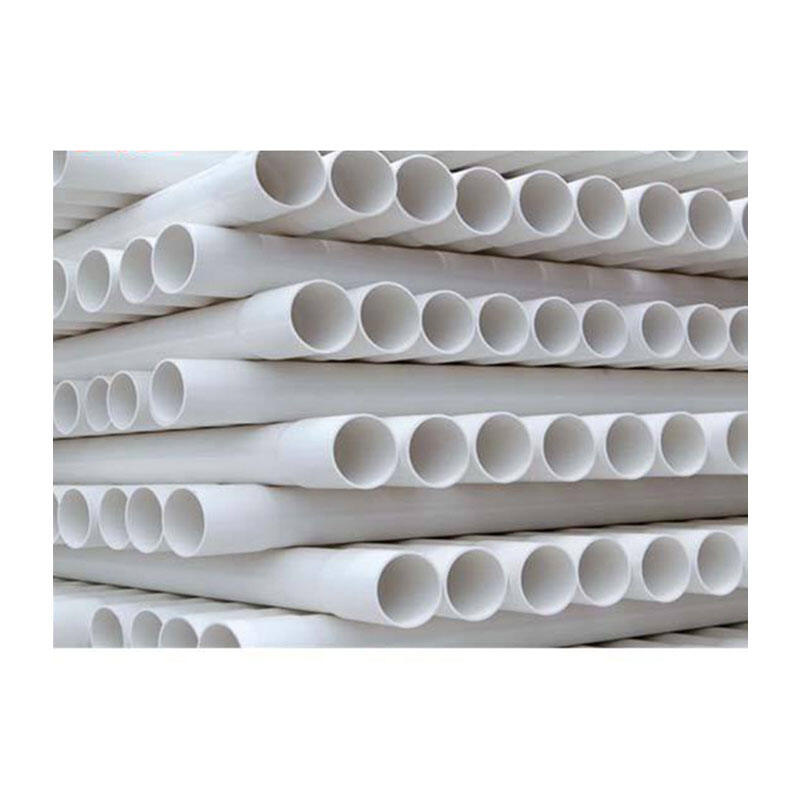
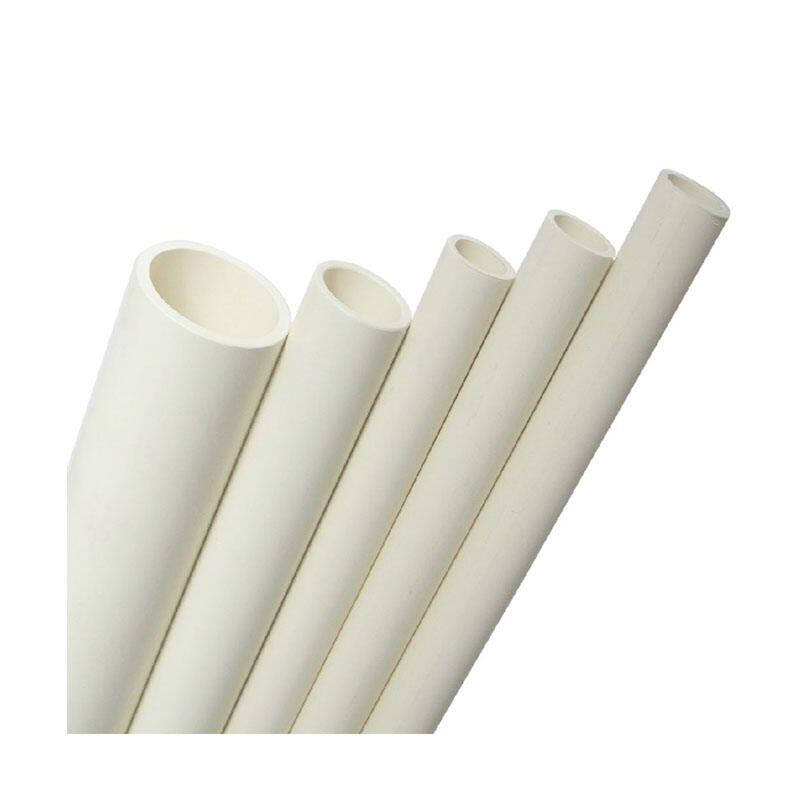
UPVC drainage pipe represents a revolutionary advancement in modern plumbing infrastructure, offering exceptional performance for residential, commercial, and industrial waste management systems. Manufactured from unplasticized polyvinyl chloride, these pipes deliver superior durability and chemical resistance compared to traditional materials. The primary function of UPVC drainage pipe systems involves efficiently transporting wastewater, sewage, and storm water from buildings to treatment facilities or disposal points. These sophisticated piping solutions incorporate advanced polymer technology that ensures consistent flow rates while preventing blockages and maintaining structural integrity over extended periods. UPVC drainage pipe installations feature smooth internal surfaces that minimize friction and promote optimal hydraulic performance, resulting in reduced energy consumption and enhanced system efficiency. The technological features of UPVC drainage pipe include precise dimensional accuracy, excellent joint sealing capabilities, and resistance to corrosion from acidic or alkaline substances commonly found in wastewater streams. Manufacturing processes utilize high-grade PVC compounds that undergo rigorous quality control testing to ensure compliance with international standards and certifications. UPVC drainage pipe applications span across diverse sectors including residential housing developments, office complexes, hospitals, schools, shopping centers, and industrial facilities requiring reliable waste management infrastructure. Installation versatility allows UPVC drainage pipe systems to accommodate various configurations including underground burial, above-ground mounting, and vertical stack arrangements. The material composition provides exceptional longevity with minimal maintenance requirements, making UPVC drainage pipe an economical choice for long-term infrastructure investments. Environmental considerations favor UPVC drainage pipe solutions due to their recyclable nature and reduced carbon footprint during production and transportation phases.