UPVC Pipe Applications: Durable Solutions for Water, Sewer & Industrial Systems

Get a Free Quote

Our representative will contact you soon.
Email
Mobile
Name
Message
0/1000

upvc pipe applications

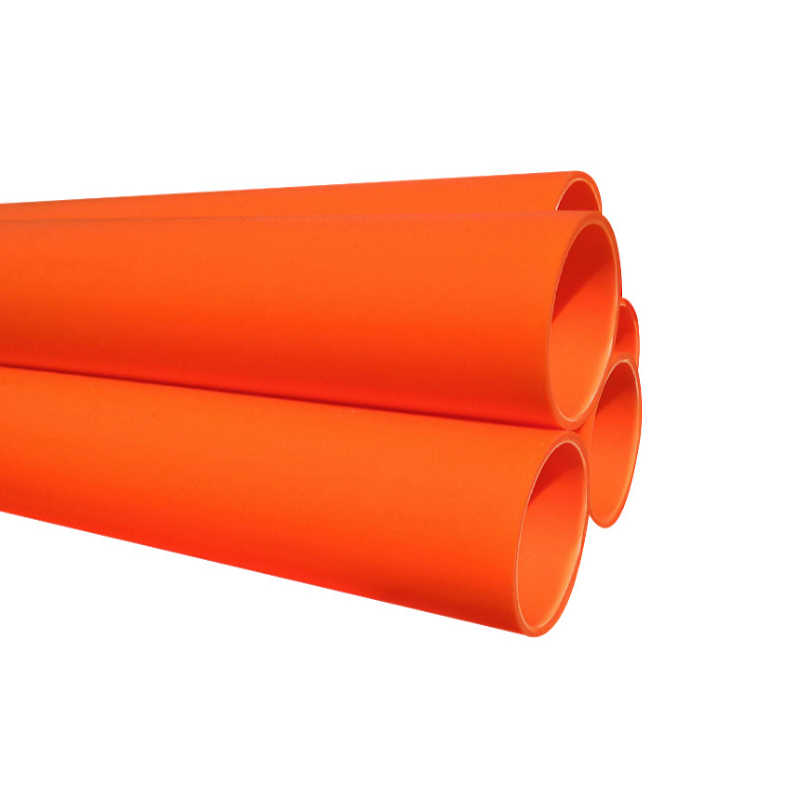
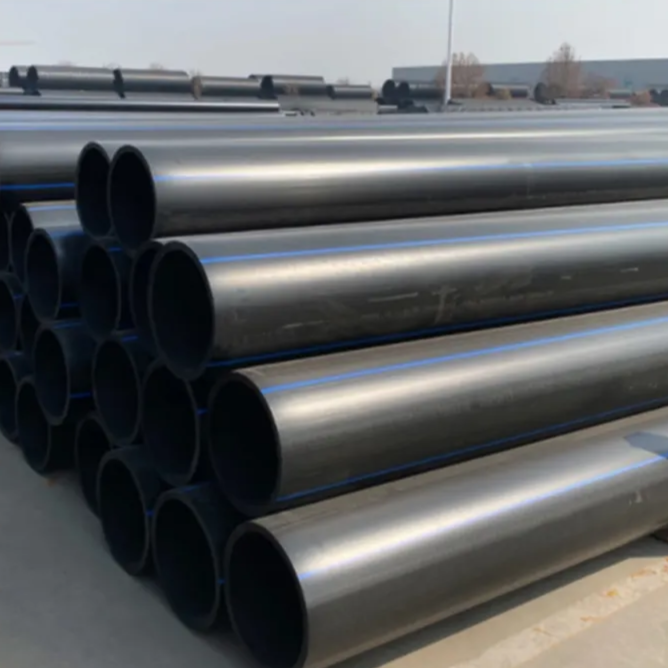
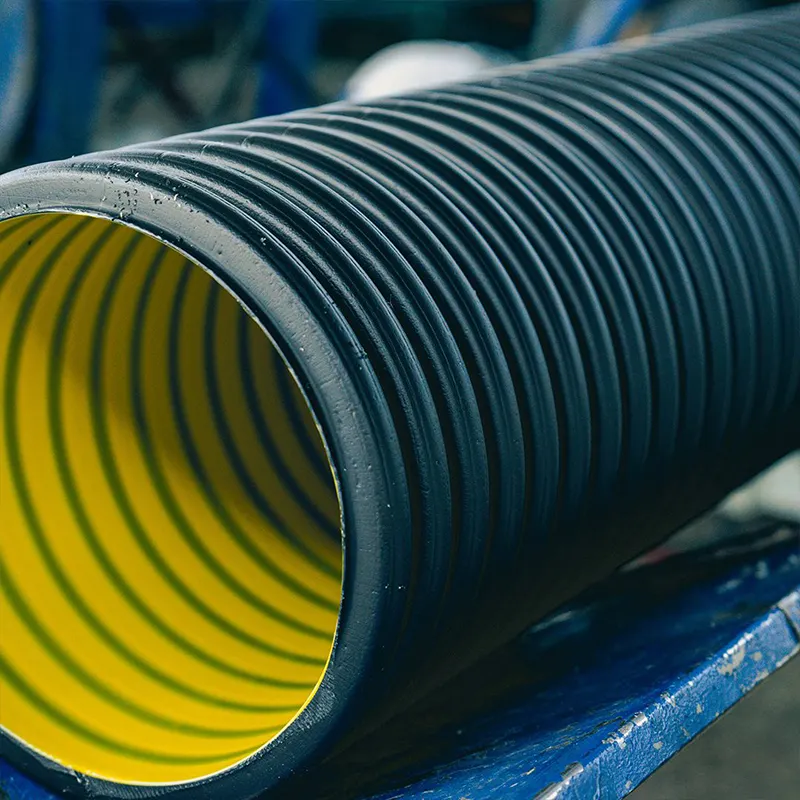
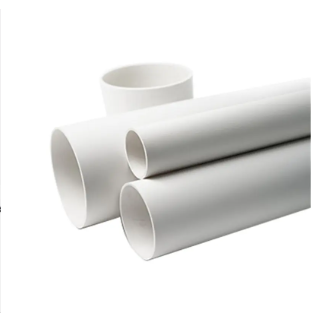
UPVC pipe applications represent a cornerstone of modern infrastructure development, offering versatile solutions across numerous industrial, commercial, and residential sectors. Unplasticized Polyvinyl Chloride pipes have revolutionized fluid transportation systems through their exceptional durability, chemical resistance, and cost-effectiveness. These thermoplastic pipes serve as essential components in water supply networks, sewage management systems, electrical conduit installations, and agricultural irrigation projects worldwide. The technological foundation of UPVC pipe applications stems from advanced polymer chemistry that creates rigid, lightweight structures capable of withstanding extreme environmental conditions. Manufacturing processes involve precision extrusion techniques that ensure consistent wall thickness, dimensional accuracy, and superior mechanical properties. The smooth internal surface of these pipes minimizes friction losses, enhancing flow efficiency and reducing energy consumption in pumping systems. UPVC pipe applications extend beyond basic water conveyance to include specialized functions in telecommunications infrastructure, where they protect sensitive cables from moisture, chemical exposure, and physical damage. In municipal water distribution networks, these pipes maintain water quality standards while providing leak-resistant joints through solvent welding and rubber ring sealing technologies. The non-toxic nature of UPVC materials ensures safe potable water delivery without introducing harmful chemicals or affecting taste and odor. Chemical processing industries rely heavily on UPVC pipe applications for handling corrosive substances, acids, and alkaline solutions that would rapidly degrade metallic alternatives. The temperature resistance of these pipes, typically ranging from -10°C to 60°C, makes them suitable for various climate conditions and seasonal temperature fluctuations. Underground installations benefit from the pipes' resistance to soil chemicals, root penetration, and ground movement, ensuring long-term system reliability and minimal maintenance requirements throughout their operational lifespan.


Popular Products

UPVC pipe applications deliver numerous practical benefits that make them the preferred choice for contractors, engineers, and property owners seeking reliable piping solutions. The lightweight nature of these pipes significantly reduces installation costs by minimizing labor requirements and eliminating the need for heavy machinery during transport and positioning. A standard UPVC pipe weighs approximately 80% less than equivalent steel pipes, allowing single-person handling for most residential and commercial installations. This weight advantage translates directly into reduced shipping costs and faster project completion times. The corrosion resistance of UPVC pipe applications ensures decades of trouble-free service without the rust, scaling, or deterioration common in metal piping systems. Unlike steel or iron pipes that require protective coatings and regular maintenance, UPVC pipes maintain their structural integrity and flow capacity throughout their 50-year design life. This longevity eliminates costly replacement cycles and reduces long-term ownership expenses significantly. Installation flexibility represents another major advantage of UPVC pipe applications, as these pipes can be easily cut, fitted, and joined using simple tools and techniques. Solvent welding creates permanent, leak-proof connections that are stronger than the pipe material itself, while rubber ring joints allow for thermal expansion and ground settlement without compromising system integrity. The smooth internal surface of UPVC pipes maintains consistent flow rates by preventing mineral buildup and reducing friction losses by up to 40% compared to rough-surfaced alternatives. This efficiency improvement results in lower pumping costs and energy consumption throughout the system's operational life. UPVC pipe applications also offer superior chemical compatibility, safely transporting drinking water, sewage, and various industrial fluids without leaching harmful substances or affecting fluid quality. The non-conductive properties of these pipes eliminate electrolytic corrosion problems that plague metal piping systems in contact with dissimilar materials. Environmental benefits include 100% recyclability and lower carbon footprint during manufacturing compared to metal alternatives. The freeze-thaw resistance of properly installed UPVC pipe applications prevents burst failures in cold climates, reducing emergency repairs and water damage risks. Fire retardant properties ensure safe performance in building applications, while UV stabilized formulations maintain structural integrity in exposed outdoor installations.

Latest News

Understanding the Benefits of Dredging Pipelines in Marine Construction

30

Jun

Understanding the Benefits of Dredging Pipelines in Marine Construction

Explore the profound impact of dredging pipelines in modern marine construction. Discover how they enhance efficiency, enable large-scale infrastructure, and support global trade. Learn about key materials like HDPE, PVC, and Polyethylene, and understand future trends in dredging technology.
View More
Why HDPE Double Wall Corrugated Pipes Are Ideal for Stormwater Management

24

Jun

Why HDPE Double Wall Corrugated Pipes Are Ideal for Stormwater Management

Explore the growing significance of stormwater management amid urbanization and climate change. Discover how HDPE double wall corrugated pipes enhance infrastructure resilience, offering superior load-bearing capacity, corrosion resistance, and sustainability benefits.
View More
HDPE Pipes: The Environmental Benefits of a Sustainable Piping Material

24

Jun

HDPE Pipes: The Environmental Benefits of a Sustainable Piping Material

Discover the environmental and economic benefits of HDPE recycled materials in supporting a circular economy, with advantages in durability, low carbon footprint, and applications in municipal systems and renewable energy.
View More
PVC-U Pipes: The Ultimate Solution for Well Construction – Unmatched Performance and Durability

04

Jun

PVC-U Pipes: The Ultimate Solution for Well Construction – Unmatched Performance and Durability

View More

Get a Free Quote

Our representative will contact you soon.
Email
Mobile
Name
Message
0/1000

upvc pipe applications

Exceptional Chemical Resistance and Durability

Exceptional Chemical Resistance and Durability

UPVC pipe applications excel in environments where chemical resistance is paramount, making them indispensable for industrial processes, water treatment facilities, and aggressive soil conditions. The molecular structure of unplasticized polyvinyl chloride creates an impermeable barrier against a wide spectrum of chemicals, including acids, bases, salts, and organic solvents that rapidly corrode traditional metal piping systems. This chemical inertness ensures that UPVC pipe applications maintain their structural integrity and flow characteristics even when exposed to pH levels ranging from 2 to 12, covering most industrial applications. In chemical processing plants, these pipes safely handle concentrated sulfuric acid, hydrochloric acid, sodium hydroxide, and various organic compounds without degradation or contamination risks. The non-porous surface prevents chemical absorption and subsequent leaching, maintaining product purity in pharmaceutical and food processing applications. Water treatment facilities rely on UPVC pipe applications for chlorine gas lines, chemical feed systems, and effluent discharge where traditional materials fail due to oxidative attack. The durability of these pipes extends beyond chemical resistance to include excellent abrasion resistance, making them suitable for slurry transport and high-velocity fluid applications. Impact resistance testing demonstrates that properly installed UPVC pipe applications can withstand significant mechanical stress without cracking or failure. This robustness is particularly valuable in underground installations where pipes must resist soil pressure, freeze-thaw cycles, and external loading from traffic or construction activities. The dimensional stability of UPVC materials ensures that pipe diameter and wall thickness remain constant over decades of service, preventing flow restrictions and maintaining hydraulic efficiency. Unlike metal pipes that experience wall thinning due to corrosion, UPVC pipe applications retain their original specifications throughout their service life. This consistency is crucial for systems requiring precise flow rates and pressure maintenance. The resistance to biological attack prevents bacterial growth and biofilm formation on pipe walls, reducing maintenance requirements and ensuring hygienic fluid transport in medical and food service applications.
Cost-Effective Installation and Long-Term Value

Cost-Effective Installation and Long-Term Value

UPVC pipe applications provide exceptional economic advantages through reduced installation costs, minimal maintenance requirements, and extended service life that delivers superior return on investment. The installation process for these pipes requires significantly less time and labor compared to traditional materials, as lightweight components can be handled manually without heavy equipment. A typical 6-inch UPVC pipe weighs only 15 pounds per 20-foot length, compared to 170 pounds for equivalent ductile iron pipe, allowing faster positioning and alignment during installation. This weight reduction translates into lower transportation costs, reduced equipment rental expenses, and faster project completion timelines. The joining methods for UPVC pipe applications utilize simple solvent welding or elastomeric sealing systems that create reliable connections without specialized welding equipment or certified welders. Solvent welding produces molecularly fused joints that are stronger than the pipe material itself, eliminating leak points and ensuring long-term system integrity. The speed of installation allows contractors to complete projects in half the time required for steel or concrete pipe systems, reducing labor costs and minimizing disruption to surrounding activities. Long-term value creation stems from the exceptional durability and low maintenance characteristics of UPVC pipe applications. These systems typically require no routine maintenance for the first 25 years of service, eliminating costs associated with cleaning, coating renewal, or cathodic protection systems needed for metal alternatives. The smooth internal surface maintains flow capacity without the gradual reduction common in rougher materials, preserving pumping efficiency and energy costs throughout the system's life. Repair costs are minimal due to the pipes' resistance to corrosion, root intrusion, and external attack, while the availability of standard repair fittings and techniques ensures quick resolution of any damage. The 50-year design life of UPVC pipe applications provides cost certainty and budget predictability for infrastructure planning. Life cycle cost analysis consistently demonstrates 40-60% savings compared to alternative materials when installation, maintenance, and replacement costs are considered. Insurance companies often provide reduced premiums for buildings with UPVC plumbing systems due to their lower failure rates and reduced water damage risks.
Environmental Sustainability and Health Safety

Environmental Sustainability and Health Safety

UPVC pipe applications represent an environmentally responsible choice that supports sustainable development goals while ensuring safe, healthy water delivery systems. The manufacturing process for these pipes consumes 88% less energy than steel pipe production and generates 67% fewer greenhouse gas emissions, contributing to reduced carbon footprint in construction projects. Raw material efficiency is maximized through advanced extrusion techniques that minimize waste generation during production, while post-consumer recycling programs convert used UPVC pipes into new products, supporting circular economy principles. The longevity of UPVC pipe applications reduces replacement frequency and associated environmental impacts from manufacturing, transportation, and disposal activities over infrastructure lifecycles. Unlike metal pipes that require mining operations and energy-intensive smelting processes, UPVC materials utilize readily available petrochemical feedstocks processed through efficient polymerization reactions. The leak-resistant properties of these pipe systems prevent groundwater contamination and conserve precious water resources through reduced system losses. In municipal applications, UPVC pipe applications typically achieve leak rates below 2% compared to 15-25% losses common in aging metal distribution systems, representing significant water conservation benefits. The non-toxic nature of UPVC materials ensures safe potable water delivery without leaching heavy metals, additives, or degradation products that could affect human health. Extensive testing and certification by health authorities worldwide confirm that UPVC pipe applications meet or exceed drinking water safety standards, including NSF/ANSI 61 certification for potable water contact. The absence of metallic ions eliminates concerns about lead, copper, or iron contamination that can occur with aging metal piping systems. Bacterial growth inhibition on smooth UPVC surfaces reduces the need for chemical disinfection treatments, supporting natural water quality maintenance. The UV-resistant formulations used in exposed UPVC pipe applications prevent polymer degradation and maintain structural integrity without releasing microplastics or chemical additives into the environment. Fire safety characteristics include self-extinguishing properties and low smoke generation, reducing toxic emission risks during building fires. The recyclability of UPVC materials at end-of-life supports waste reduction goals, with established collection and reprocessing networks converting old pipes into new products, flooring, and other construction materials.
Inquiry UPVC Pipe Applications: Durable Solutions for Water, Sewer & Industrial Systems Inquiry UPVC Pipe Applications: Durable Solutions for Water, Sewer & Industrial Systems UPVC Pipe Applications: Durable Solutions for Water, Sewer & Industrial Systems UPVC Pipe Applications: Durable Solutions for Water, Sewer & Industrial Systems
Write down your question

We are not only a product manufacturer, but also a solution provider. Whether you have questions or quotation requests, we will help you.

Get a Quote

Contact Us

Your email address will not be published. Required fields are marked *
Email
Name
Mobile
Message
0/1000