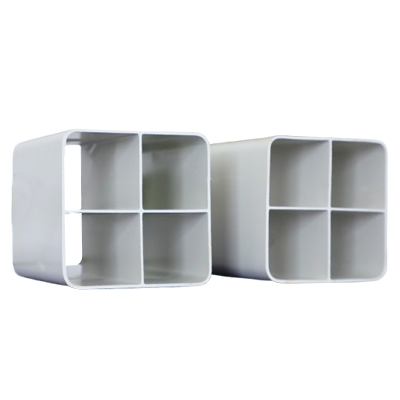
UPVC Duct Systems: Superior Ventilation Solutions for Industrial and Commercial Applications

Get a Free Quote

Our representative will contact you soon.
Email
Mobile
Name
Message
0/1000

upvc duct

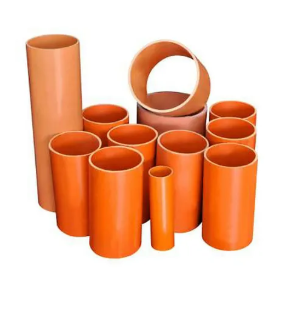
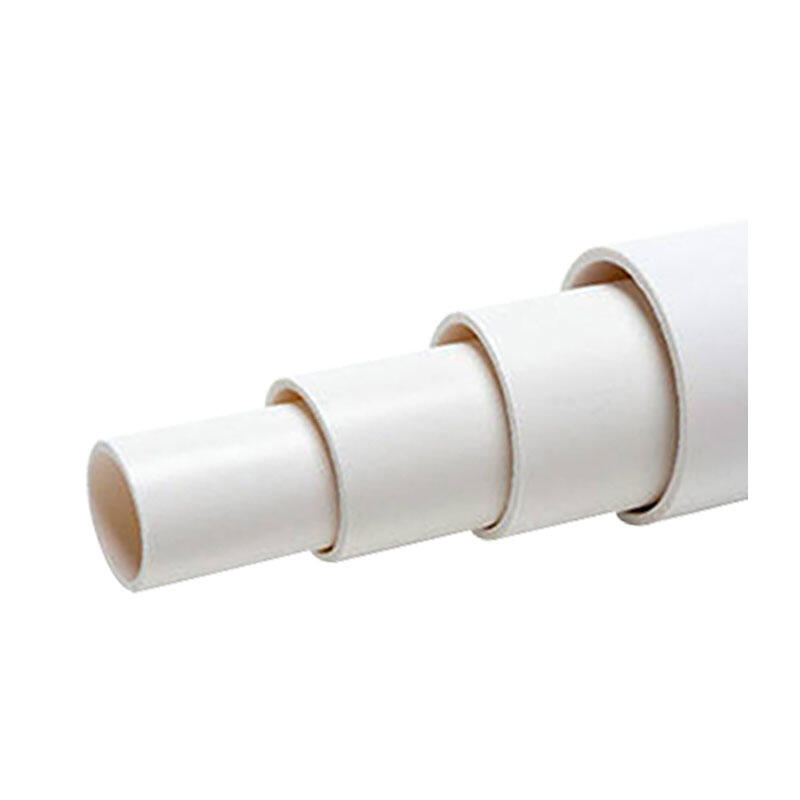
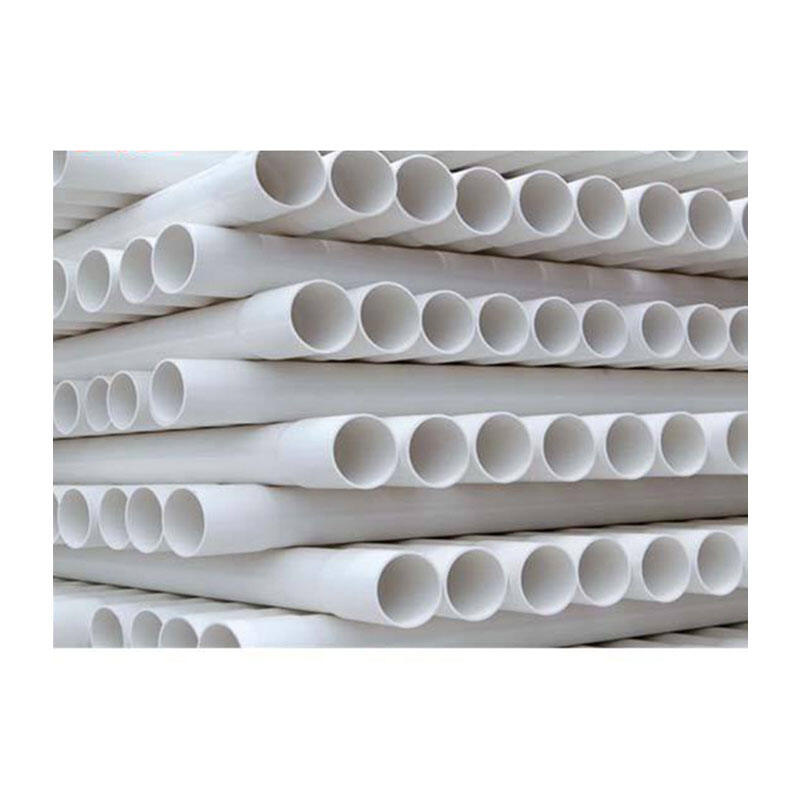
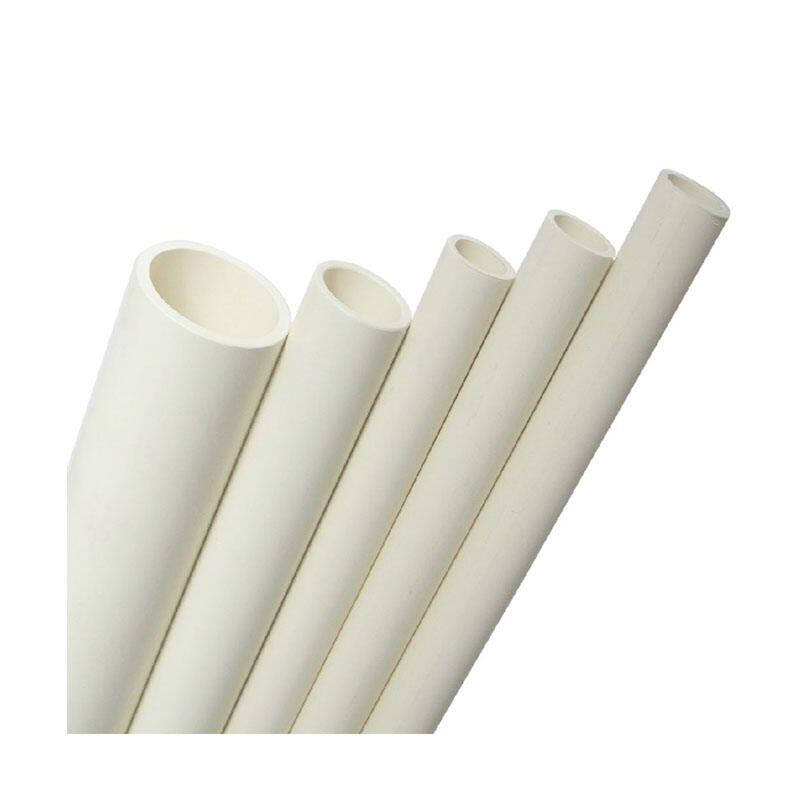
UPVC duct systems represent a revolutionary advancement in modern ventilation and air distribution technology, providing exceptional performance across residential, commercial, and industrial applications. These specialized ducts are manufactured from unplasticized polyvinyl chloride, a rigid thermoplastic material that offers superior durability and chemical resistance compared to traditional ducting materials. The primary function of UPVC duct systems involves efficiently transporting air, gases, and various chemical vapors through buildings while maintaining optimal indoor air quality and climate control. The technological sophistication of UPVC duct construction incorporates advanced polymer chemistry that ensures consistent dimensional stability under varying temperature conditions. Manufacturing processes utilize precision molding techniques that create seamless joints and smooth interior surfaces, minimizing air turbulence and pressure losses throughout the system. UPVC duct installations feature modular connectivity options, allowing for flexible configuration adjustments that accommodate complex building layouts and specialized ventilation requirements. These systems excel in environments requiring corrosion resistance, particularly in chemical processing facilities, laboratories, and coastal buildings where salt air poses challenges for metal ductwork. The lightweight nature of UPVC duct components significantly reduces structural load requirements, enabling installation in buildings where weight considerations are critical. Fire-retardant properties inherent in quality UPVC duct materials provide enhanced safety measures, meeting stringent building codes and safety regulations. Temperature tolerance ranges allow UPVC duct systems to function effectively in diverse climate conditions, from tropical heat to moderate cold environments. Installation versatility enables both concealed and exposed mounting options, supporting architectural design flexibility while maintaining functional efficiency. Modern UPVC duct systems incorporate noise-dampening characteristics that reduce sound transmission, creating quieter indoor environments compared to metal alternatives.

New Product Recommendations

UPVC duct systems deliver remarkable cost-effectiveness that begins with initial purchase pricing and extends throughout the system's operational lifetime. The lightweight construction of UPVC duct components reduces transportation costs and simplifies installation procedures, allowing contractors to complete projects faster with reduced labor requirements. These systems resist corrosion completely, eliminating the recurring maintenance expenses associated with metal ductwork that suffers from rust, oxidation, and chemical degradation over time. Energy efficiency represents another significant advantage, as the smooth interior surfaces of UPVC duct systems minimize friction losses, reducing fan power requirements and lowering operational electricity costs. The thermal properties of UPVC materials provide natural insulation benefits, helping maintain desired air temperatures while reducing energy consumption for heating and cooling systems. Installation flexibility allows UPVC duct systems to navigate complex building spaces with ease, utilizing various fitting configurations that accommodate tight corners, elevation changes, and obstruction avoidance without compromising airflow performance. Chemical resistance makes UPVC duct systems ideal for aggressive environments where traditional materials fail, including chemical processing plants, wastewater treatment facilities, and marine applications where salt corrosion destroys metal alternatives. The non-conductive properties of UPVC eliminate static electricity buildup concerns, providing safer operation in environments handling flammable materials or sensitive electronic equipment. Maintenance requirements for UPVC duct systems remain minimal throughout their service life, requiring only periodic cleaning rather than the painting, coating, and replacement necessary for metal systems. Weather resistance enables outdoor installations without protective coatings, expanding application possibilities for industrial ventilation and exhaust systems. The modular design of UPVC duct components facilitates system modifications and expansions, allowing businesses to adapt their ventilation systems as operational requirements change. Quality UPVC duct systems maintain structural integrity under pressure variations, preventing collapse or deformation that can occur with inferior materials during high-demand ventilation operations.

Practical Tips

Pressure test of PE steel mesh skeleton

14

Sep

Pressure test of PE steel mesh skeleton

View More
HDPE Welding Machine: A technological tool that shapes a new era of pipeline connection

18

Sep

HDPE Welding Machine: A technological tool that shapes a new era of pipeline connection

View More
How to Choose the Right Dredging Pipeline for Your Project

30

Jun

How to Choose the Right Dredging Pipeline for Your Project

Explore the key requirements for dredging pipelines, including sediment type, project scope, and environmental regulations, to ensure optimal performance and compliance with industry standards. Learn about HDPE pipe advantages and considerations for efficient sediment transport.
View More
Choosing the Right HDPE Pipes for Your Industrial Applications

24

Jun

Choosing the Right HDPE Pipes for Your Industrial Applications

Discover the core selection criteria for industrial HDPE pipes, including pressure and temperature specifications, chemical resistance, and application-specific considerations for industries like water management, oil & gas, and mining operations. Learn about HDPE's advantages in corrosion resistance, long-term durability, and environmental impact, along with best practices for installation and maintenance. Perfect for those seeking sustainable and efficient industrial solutions.
View More

Get a Free Quote

Our representative will contact you soon.
Email
Mobile
Name
Message
0/1000

upvc duct

Superior Corrosion Resistance Technology

Superior Corrosion Resistance Technology

The exceptional corrosion resistance of UPVC duct systems stems from the fundamental molecular structure of unplasticized polyvinyl chloride, which provides complete immunity to rust, oxidation, and chemical attack from acidic or alkaline substances. This remarkable resistance capability makes UPVC duct installations the preferred choice for challenging industrial environments, including chemical processing facilities, pharmaceutical manufacturing plants, and wastewater treatment operations where aggressive chemicals would rapidly destroy traditional metal ductwork. The polymer chains within UPVC materials create an impermeable barrier that prevents moisture infiltration and chemical penetration, ensuring consistent performance even when exposed to harsh cleaning agents, process chemicals, and corrosive atmospheric conditions. Unlike galvanized steel or aluminum ductwork that requires protective coatings and regular maintenance to combat corrosion, UPVC duct systems maintain their structural integrity and performance characteristics without any additional protection measures. This inherent resistance translates into substantial long-term cost savings by eliminating the need for replacement due to corrosion damage, reducing maintenance schedules, and preventing system failures that can disrupt critical ventilation operations. Marine and coastal installations particularly benefit from UPVC duct corrosion resistance, as salt air rapidly deteriorates metal systems but has no effect on properly installed UPVC components. The chemical inertness of UPVC materials also prevents contamination of transported air streams, making these systems essential for applications requiring pure air delivery, such as cleanroom facilities, food processing plants, and medical equipment manufacturing. Laboratory ventilation systems rely heavily on UPVC duct technology to safely handle chemical fumes without compromising the ductwork integrity or introducing unwanted reactions that could create hazardous conditions.

Energy-Efficient Airflow Optimization

Energy-Efficient Airflow Optimization

UPVC duct systems achieve superior energy efficiency through their precisely engineered smooth interior surfaces that dramatically reduce airflow friction and pressure losses compared to traditional ductwork materials. The manufacturing process creates seamless interior walls with minimal surface roughness, allowing air to flow with reduced turbulence and energy requirements for fan systems. This smooth-wall advantage translates directly into lower operational costs, as HVAC fans require less power to maintain desired airflow rates throughout the distribution system. The thermal properties of UPVC materials provide additional energy benefits by offering natural insulation characteristics that help maintain air temperature during transport, reducing the load on heating and cooling equipment. Strategic UPVC duct design incorporates optimized fitting geometries that minimize pressure drops at direction changes, branch connections, and size transitions, ensuring maximum system efficiency throughout complex building layouts. The dimensional stability of UPVC components prevents the gradual deformation that can occur with flexible ductwork, maintaining consistent cross-sectional areas that preserve designed airflow characteristics over the system's lifetime. Energy audits consistently demonstrate that buildings equipped with UPVC duct systems achieve lower overall HVAC energy consumption compared to facilities using traditional metal ductwork, particularly in applications requiring continuous ventilation operation. The leak-tight joints achievable with UPVC duct systems prevent conditioned air losses that waste energy and compromise system performance, a common problem with poorly sealed metal ductwork installations. Modern building energy codes increasingly recognize the efficiency benefits of UPVC duct systems, with some green building certification programs awarding points for their installation due to demonstrated energy savings and reduced environmental impact throughout the building's operational lifetime.
Versatile Installation and Maintenance Benefits

Versatile Installation and Maintenance Benefits

The installation versatility of UPVC duct systems provides contractors and building owners with unprecedented flexibility in system design and implementation, accommodating complex architectural requirements while maintaining optimal performance standards. Lightweight UPVC components weigh significantly less than equivalent metal ductwork, reducing structural load requirements and enabling installation in buildings where weight restrictions would prohibit heavier alternatives. This weight advantage also simplifies handling during installation, allowing smaller crews to manage larger duct sections safely and efficiently, reducing labor costs and project completion times. The modular connection system utilized in quality UPVC duct installations enables rapid assembly without specialized tools or welding equipment, making field modifications and system expansions straightforward processes that minimize disruption to ongoing building operations. Various jointing methods, including solvent welding, mechanical couplings, and rubber gasket connections, provide options suitable for different application requirements and installation conditions. The chemical resistance of UPVC materials eliminates concerns about galvanic corrosion that can occur when dissimilar metals are connected in traditional systems, simplifying material selection and reducing long-term maintenance issues. Maintenance requirements for UPVC duct systems remain minimal throughout their service life, typically requiring only periodic cleaning with standard detergents rather than the specialized treatments needed for metal systems. The non-porous surface of UPVC prevents bacterial growth and contamination buildup that can occur in other ductwork materials, supporting better indoor air quality with reduced cleaning frequency. Field repairs, when necessary, can be accomplished using standard UPVC joining techniques without requiring specialized contractors or equipment, reducing maintenance costs and system downtime. The UV resistance of quality UPVC duct materials enables outdoor installations without protective coatings, expanding application possibilities for industrial exhaust systems and external ventilation components that would require expensive maintenance if constructed from metal materials.
Inquiry UPVC Duct Systems: Superior Ventilation Solutions for Industrial and Commercial Applications Inquiry UPVC Duct Systems: Superior Ventilation Solutions for Industrial and Commercial Applications UPVC Duct Systems: Superior Ventilation Solutions for Industrial and Commercial Applications UPVC Duct Systems: Superior Ventilation Solutions for Industrial and Commercial Applications
Write down your question

We are not only a product manufacturer, but also a solution provider. Whether you have questions or quotation requests, we will help you.

Get a Quote

Contact Us

Your email address will not be published. Required fields are marked *
Email
Name
Mobile
Message
0/1000