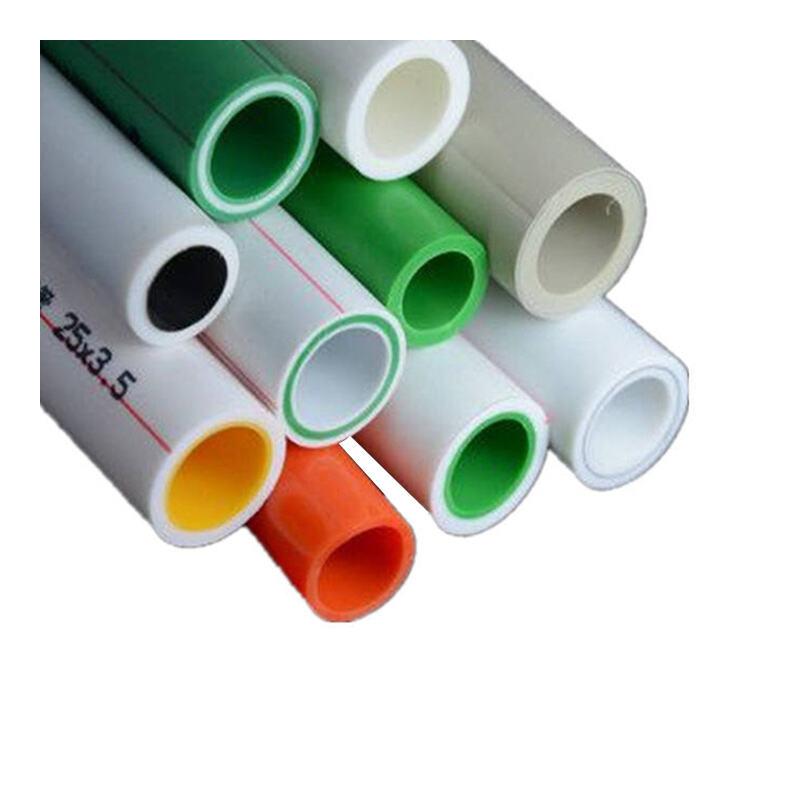
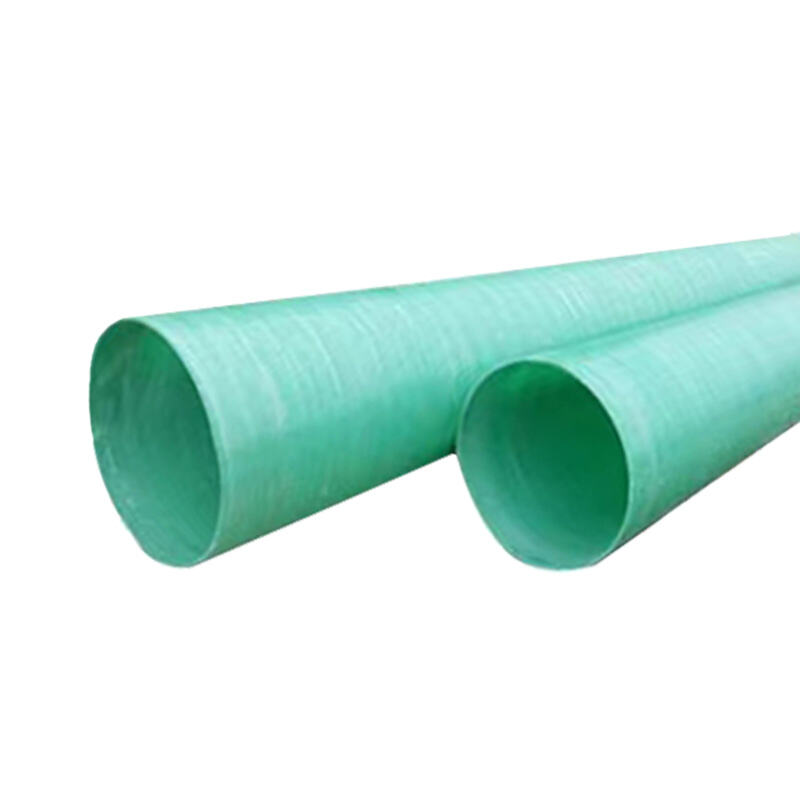
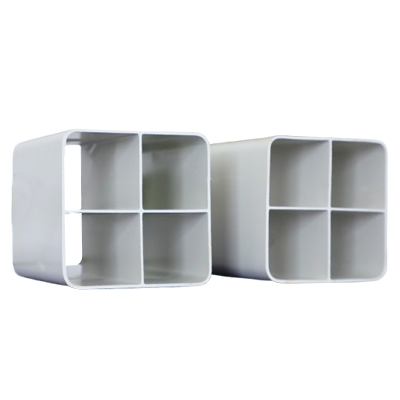
UPVC Drainage Pipework: Superior Chemical Resistant Drainage Solutions for Modern Buildings

Get a Free Quote

Our representative will contact you soon.
Email
Mobile
Name
Message
0/1000

upvc drainage pipework

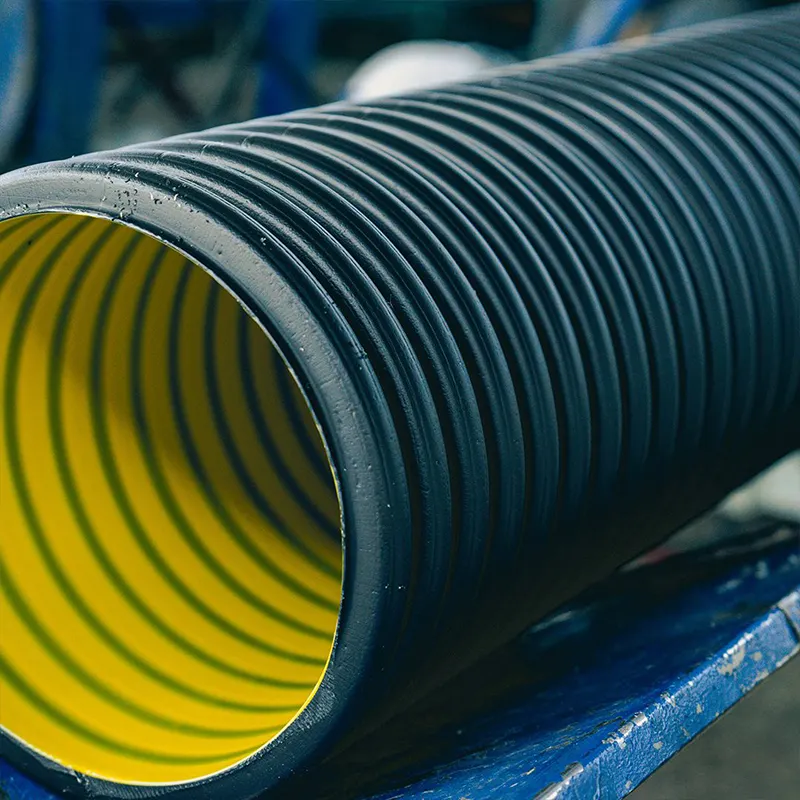
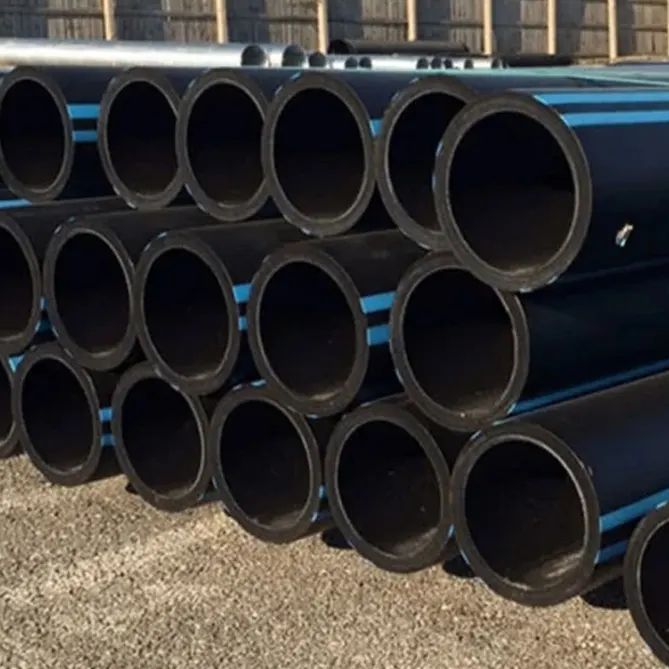
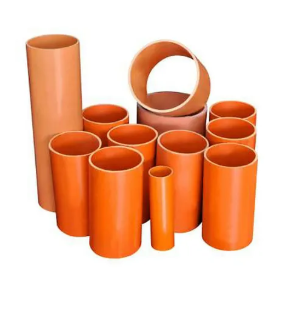
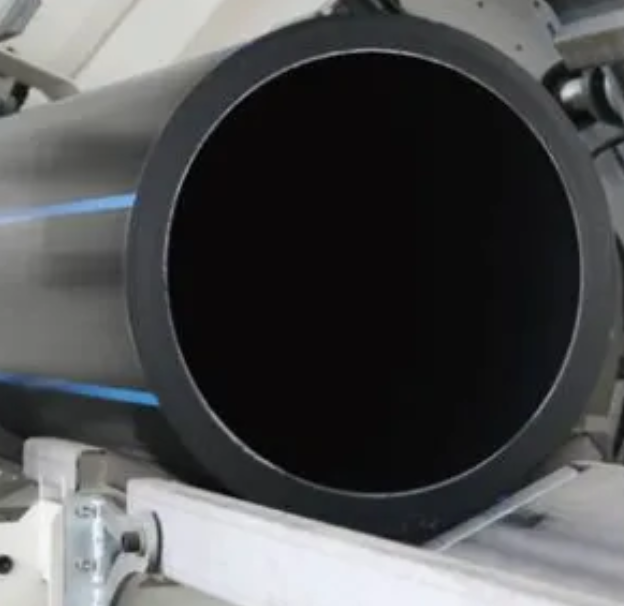
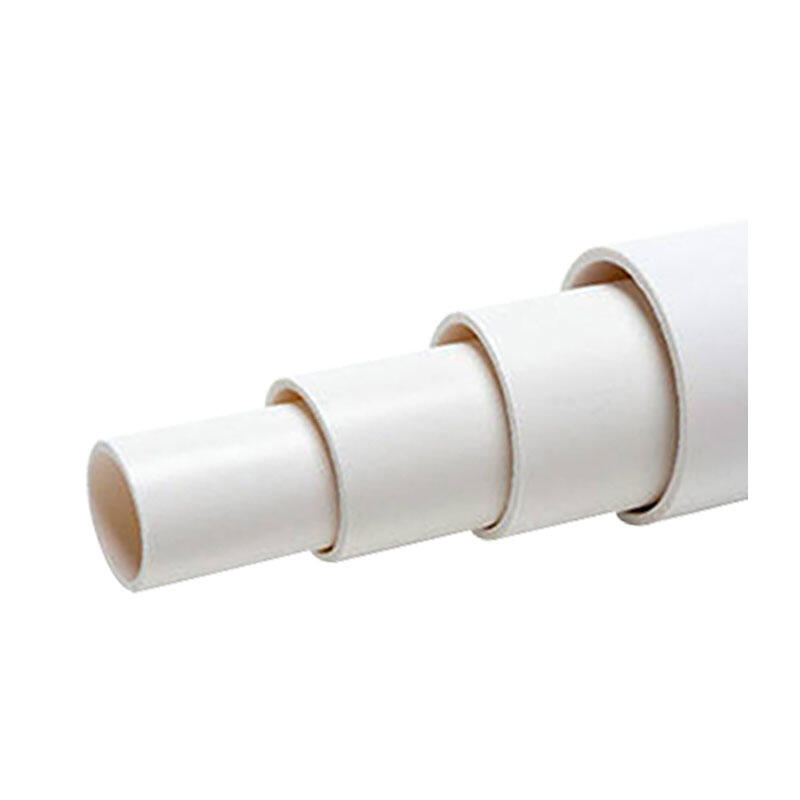
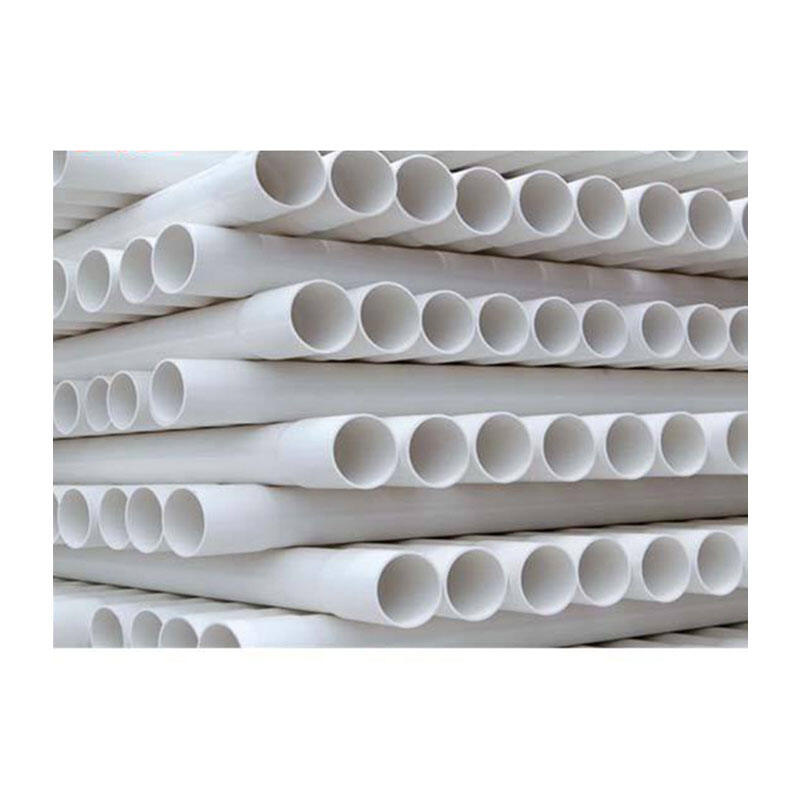
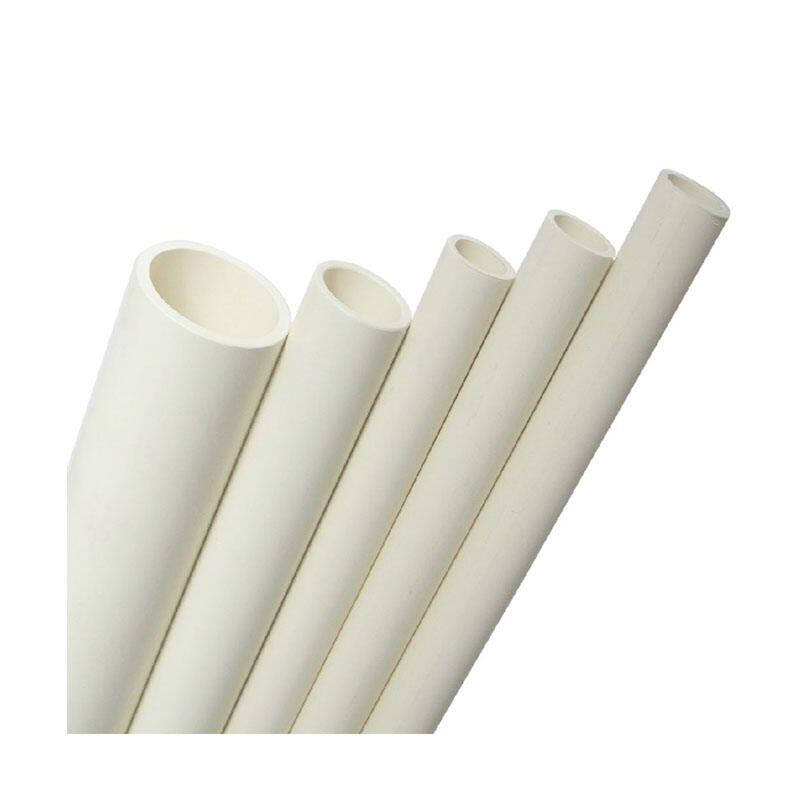
UPVC drainage pipework represents a revolutionary advancement in modern plumbing and waste management systems, delivering exceptional performance for residential, commercial, and industrial applications. This sophisticated piping solution combines unplasticized polyvinyl chloride technology with precision engineering to create a drainage system that outperforms traditional materials in durability, efficiency, and cost-effectiveness. The primary function of UPVC drainage pipework centers on the safe and reliable transportation of wastewater, sewage, and stormwater from buildings to treatment facilities or disposal points. Unlike conventional metal pipes, UPVC drainage pipework maintains structural integrity while resisting corrosion, chemical degradation, and environmental stresses that typically compromise other piping materials. The technological features of UPVC drainage pipework include smooth internal surfaces that promote optimal flow characteristics, reducing blockages and maintaining consistent drainage performance throughout the system's lifespan. Advanced manufacturing processes ensure precise dimensional accuracy, enabling secure joints and connections that prevent leaks and maintain system pressure. The material composition provides excellent resistance to acids, alkalis, and most chemicals commonly found in drainage applications, making UPVC drainage pipework suitable for diverse environments including laboratories, hospitals, and industrial facilities. Installation versatility represents another key technological advantage, as UPVC drainage pipework accommodates various joining methods including solvent welding, rubber ring joints, and mechanical connections. The lightweight nature of UPVC drainage pipework significantly reduces installation time and labor costs while maintaining superior strength-to-weight ratios compared to cast iron or concrete alternatives. Applications for UPVC drainage pipework span residential bathroom and kitchen installations, commercial building waste systems, industrial process drainage, and municipal infrastructure projects. The material's UV stability ensures reliable outdoor performance, while its thermal properties accommodate temperature fluctuations without compromising structural integrity. UPVC drainage pipework systems integrate seamlessly with existing infrastructure, supporting sustainable building practices through recyclability and reduced environmental impact during manufacturing and disposal phases.

New Products

UPVC drainage pipework delivers significant cost savings that make it an intelligent investment for property owners and contractors. The initial purchase price of UPVC drainage pipework remains substantially lower than copper, steel, or cast iron alternatives, while the lightweight design reduces transportation costs and storage requirements. Installation expenses drop dramatically because UPVC drainage pipework requires fewer specialized tools and less skilled labor compared to metal systems. The material cuts easily with standard tools, joins quickly using solvent cement or rubber seals, and weighs approximately one-sixth of equivalent cast iron pipes, reducing lifting equipment needs and labor time. Long-term maintenance costs virtually disappear with UPVC drainage pipework because the material resists corrosion, scaling, and chemical attack that plague metal pipes. Property owners avoid expensive repairs, replacements, and system failures that commonly affect traditional drainage materials. The smooth internal surface of UPVC drainage pipework prevents debris accumulation and reduces cleaning frequency, saving ongoing maintenance expenses. Durability stands as a cornerstone advantage of UPVC drainage pipework, with properly installed systems lasting over fifty years without significant degradation. The material maintains structural strength across wide temperature ranges, from freezing conditions to high-temperature applications, without cracking or warping. UPVC drainage pipework resists impact damage better than brittle materials like clay or concrete, reducing replacement needs from accidental damage during construction or maintenance activities. Chemical resistance ensures UPVC drainage pipework performs reliably when exposed to household cleaners, industrial solvents, and naturally occurring acids found in wastewater. This chemical stability prevents pipe deterioration that causes leaks, contamination, and system failures in metal installations. Environmental benefits position UPVC drainage pipework as a sustainable choice for modern construction projects. The manufacturing process requires less energy than metal pipe production, reducing carbon footprint from initial creation. UPVC drainage pipework contains no heavy metals or toxic substances that could leach into groundwater, protecting environmental health. The material maintains performance without protective coatings or treatments that require periodic renewal, eliminating chemical maintenance products from the system lifecycle. Recycling capabilities allow UPVC drainage pipework to enter circular economy processes at end-of-life, converting used materials into new products rather than contributing to landfill waste. Installation flexibility gives UPVC drainage pipework significant advantages over rigid alternatives, accommodating building settlement, thermal expansion, and design modifications without system compromise. The material bends to reasonable curves without additional fittings, reducing joint count and potential failure points throughout the installation.

Tips And Tricks

Why HDPE Double Wall Corrugated Pipes Are Ideal for Stormwater Management

24

Jun

Why HDPE Double Wall Corrugated Pipes Are Ideal for Stormwater Management

Explore the growing significance of stormwater management amid urbanization and climate change. Discover how HDPE double wall corrugated pipes enhance infrastructure resilience, offering superior load-bearing capacity, corrosion resistance, and sustainability benefits.
View More
How to Choose the Right Dredging Pipeline for Your Project

30

Jun

How to Choose the Right Dredging Pipeline for Your Project

Explore the key requirements for dredging pipelines, including sediment type, project scope, and environmental regulations, to ensure optimal performance and compliance with industry standards. Learn about HDPE pipe advantages and considerations for efficient sediment transport.
View More
Choosing the Right HDPE Pipes for Your Industrial Applications

24

Jun

Choosing the Right HDPE Pipes for Your Industrial Applications

Discover the core selection criteria for industrial HDPE pipes, including pressure and temperature specifications, chemical resistance, and application-specific considerations for industries like water management, oil & gas, and mining operations. Learn about HDPE's advantages in corrosion resistance, long-term durability, and environmental impact, along with best practices for installation and maintenance. Perfect for those seeking sustainable and efficient industrial solutions.
View More
A Guide to Installing HDPE Silicon Core Pipes for Maximum Performance

24

Jun

A Guide to Installing HDPE Silicon Core Pipes for Maximum Performance

Explore the comprehensive guide on pre-installation preparation for HDPE silicon core pipes, including design planning, site setup, trench excavation, and maintenance strategies for long-term durability. Discover steps for regulatory compliance and testing to ensure optimal performance of your pipeline system.
View More

Get a Free Quote

Our representative will contact you soon.
Email
Mobile
Name
Message
0/1000

upvc drainage pipework

Superior Chemical and Corrosion Resistance

Superior Chemical and Corrosion Resistance

The exceptional chemical resistance of UPVC drainage pipework sets it apart from all conventional piping materials, providing unmatched protection against the corrosive elements commonly found in drainage applications. Unlike metal pipes that suffer from rust, oxidation, and galvanic corrosion, UPVC drainage pipework maintains its structural integrity and performance characteristics when exposed to acids, alkalis, salts, and organic compounds typically present in residential and commercial waste streams. This remarkable resistance stems from the inherent properties of unplasticized polyvinyl chloride, which forms strong molecular bonds that remain stable under chemical attack. Laboratory testing demonstrates that UPVC drainage pipework withstands exposure to sulfuric acid, hydrochloric acid, sodium hydroxide, and numerous industrial chemicals without degradation, making it ideal for specialized applications including laboratory drainage, hospital waste systems, and industrial process lines. The smooth, non-porous surface of UPVC drainage pipework prevents chemical absorption and eliminates the microscopic surface irregularities where corrosive agents typically initiate attack on metal materials. This surface characteristic also prevents bacterial growth and biofilm formation that can compromise drainage system hygiene and create blockages. Property owners benefit tremendously from this chemical resistance because UPVC drainage pipework eliminates the costly cycle of pipe replacement that affects metal systems every fifteen to twenty years. The material maintains full structural strength and dimensional stability throughout decades of service, even in aggressive chemical environments that would quickly destroy copper, steel, or cast iron installations. Industrial facilities particularly value UPVC drainage pipework for process drainage applications where chemical compatibility is crucial for worker safety and environmental protection. The material's resistance extends to cleaning chemicals, disinfectants, and maintenance products commonly used in commercial buildings, ensuring that routine facility maintenance operations cannot damage the drainage infrastructure. Environmental conditions including soil chemistry, groundwater composition, and atmospheric pollutants have no adverse effect on buried UPVC drainage pipework, providing reliable performance in coastal areas with salt exposure, industrial zones with chemical contamination, and urban environments with acid rain conditions.

Exceptional Flow Efficiency and Blockage Prevention

Exceptional Flow Efficiency and Blockage Prevention

UPVC drainage pipework delivers superior hydraulic performance through its engineered smooth internal surface that maximizes flow efficiency while minimizing blockage formation throughout the system's operational lifetime. The precision manufacturing process creates an interior wall surface with minimal friction coefficient, allowing wastewater to flow freely at lower gradients compared to rough-surfaced alternatives like concrete or corroded metal pipes. This smooth surface characteristic of UPVC drainage pipework translates directly into improved system capacity, enabling smaller diameter pipes to handle equivalent flow volumes, reducing material costs and excavation requirements during installation. The non-stick properties inherent in UPVC drainage pipework prevent grease, soap residue, and solid waste particles from adhering to pipe walls, eliminating the gradual diameter reduction that plagues other piping materials over time. Scientific flow studies demonstrate that UPVC drainage pipework maintains its original internal diameter and flow characteristics for decades, while cast iron and steel pipes experience significant capacity reduction due to corrosion buildup and scale formation. Property managers recognize substantial operational benefits from the self-cleaning action of UPVC drainage pipework, which reduces maintenance frequency and eliminates costly drain cleaning services that become routine necessities with traditional materials. The uniform wall thickness and precise manufacturing tolerances of UPVC drainage pipework ensure consistent flow patterns without the turbulence-creating irregularities found in concrete or clay pipe systems. This flow consistency prevents sediment deposition and reduces the formation of blockages that cause system backups and require expensive emergency interventions. Commercial kitchens, restaurants, and food processing facilities particularly benefit from UPVC drainage pipework because grease and food particles cannot bond permanently to the smooth surface, allowing normal flow action to carry waste materials through the system effectively. The material's thermal properties contribute to flow efficiency by maintaining flexibility that accommodates thermal expansion without creating joints or connections that interrupt smooth flow patterns. Large-scale municipal installations utilize UPVC drainage pipework to achieve maximum hydraulic efficiency in sewer systems, reducing pumping costs and energy consumption while improving overall system reliability. The combination of smooth surfaces, chemical resistance, and structural stability ensures that UPVC drainage pipework maintains optimal flow characteristics throughout its extended service life, providing consistent performance that justifies initial investment through decades of reliable operation.
Cost-Effective Installation and Long-Term Value

Cost-Effective Installation and Long-Term Value

The installation advantages and long-term economic benefits of UPVC drainage pipework create compelling value propositions that significantly reduce total project costs while delivering superior return on investment compared to alternative piping materials. Installation efficiency begins with the lightweight nature of UPVC drainage pipework, which weighs approximately 85% less than equivalent cast iron pipes, eliminating the need for heavy lifting equipment, reducing labor requirements, and accelerating project completion schedules. Contractors appreciate how easily UPVC drainage pipework cuts with standard tools, requiring no specialized equipment or extensive training to achieve professional installation results. The solvent welding process for joining UPVC drainage pipework creates permanent, leak-proof connections in minutes, dramatically faster than the threading, welding, or mechanical assembly required for metal systems. This installation speed translates into reduced labor costs, shorter construction schedules, and minimized disruption to occupied buildings during renovation projects. The flexibility of UPVC drainage pipework allows installation around obstacles and through confined spaces that would require extensive cutting and fitting with rigid materials, reducing the number of joints and potential failure points throughout the system. Temperature stability ensures UPVC drainage pipework performs reliably across wide thermal ranges without requiring expansion joints or special accommodation for thermal movement that complicates metal pipe installations. Long-term value emerges through the exceptional durability characteristics of UPVC drainage pipework, with properly installed systems providing reliable service for over fifty years without significant maintenance requirements. Unlike metal pipes that require periodic replacement due to corrosion failure, UPVC drainage pipework maintains structural integrity and performance characteristics throughout its extended service life, eliminating the substantial costs associated with system replacement and the associated building damage from pipe failures. Property owners benefit from predictable maintenance schedules because UPVC drainage pipework resists the gradual degradation that creates unexpected repair emergencies with traditional materials. Insurance benefits often accompany UPVC drainage pipework installations because the reduced failure risk and water damage potential can qualify for lower premiums on property insurance policies. The material's resistance to root intrusion provides additional value in buried applications, preventing the costly excavation and repair cycles that plague clay and concrete sewer lines. Environmental compliance advantages help property owners meet increasingly strict regulations regarding chemical resistance and material sustainability, avoiding potential fines and upgrade requirements that affect installations using outdated piping materials.
Inquiry UPVC Drainage Pipework: Superior Chemical Resistant Drainage Solutions for Modern Buildings Inquiry UPVC Drainage Pipework: Superior Chemical Resistant Drainage Solutions for Modern Buildings UPVC Drainage Pipework: Superior Chemical Resistant Drainage Solutions for Modern Buildings UPVC Drainage Pipework: Superior Chemical Resistant Drainage Solutions for Modern Buildings
Write down your question

We are not only a product manufacturer, but also a solution provider. Whether you have questions or quotation requests, we will help you.

Get a Quote

Contact Us

Your email address will not be published. Required fields are marked *
Email
Name
Mobile
Message
0/1000