upvc pipe for water
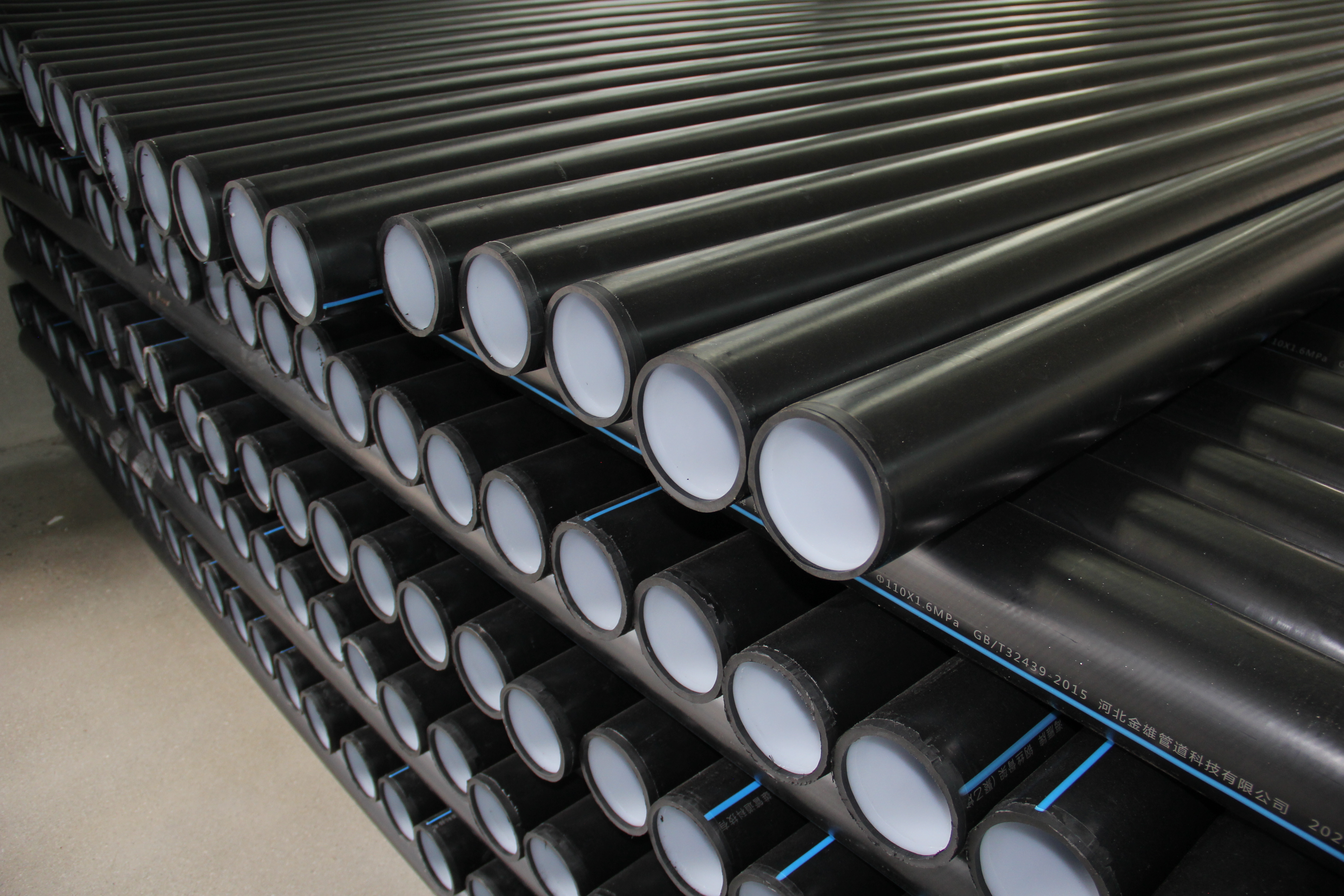
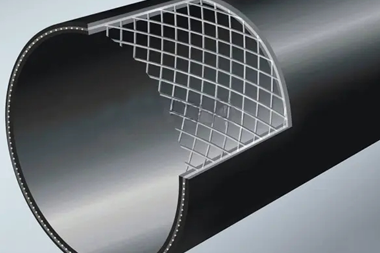
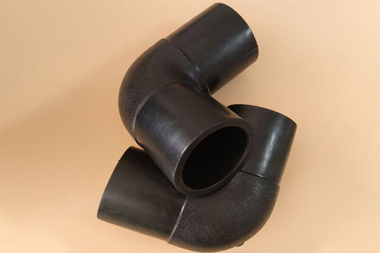
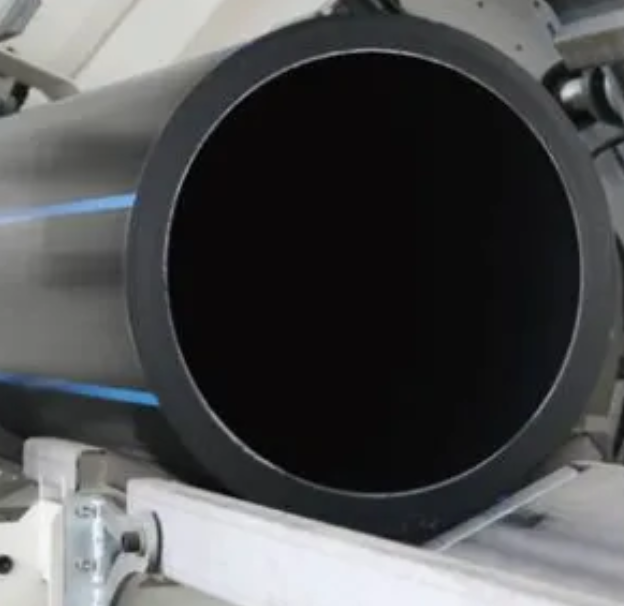
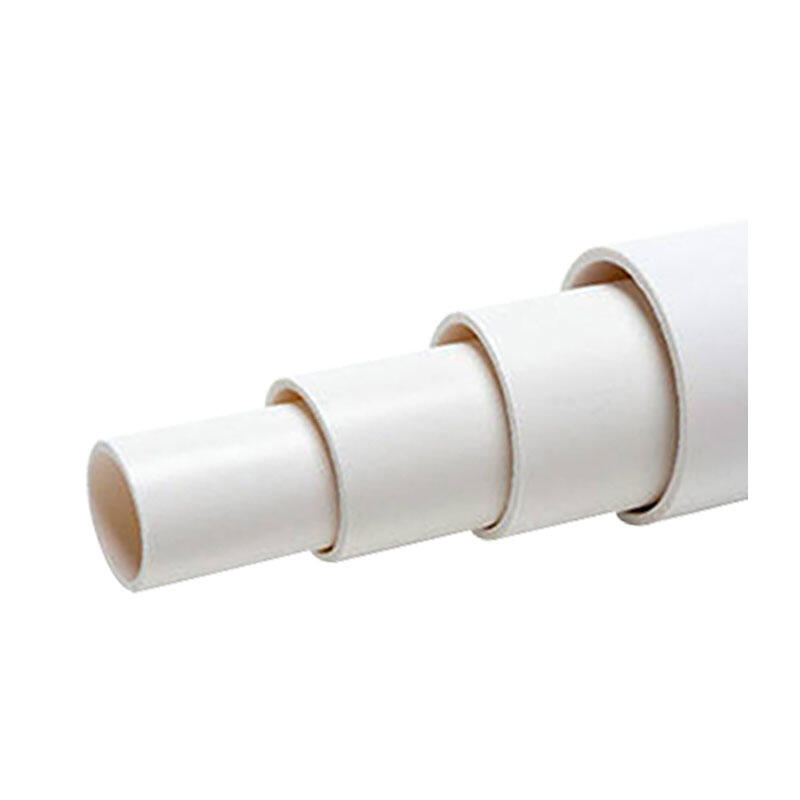
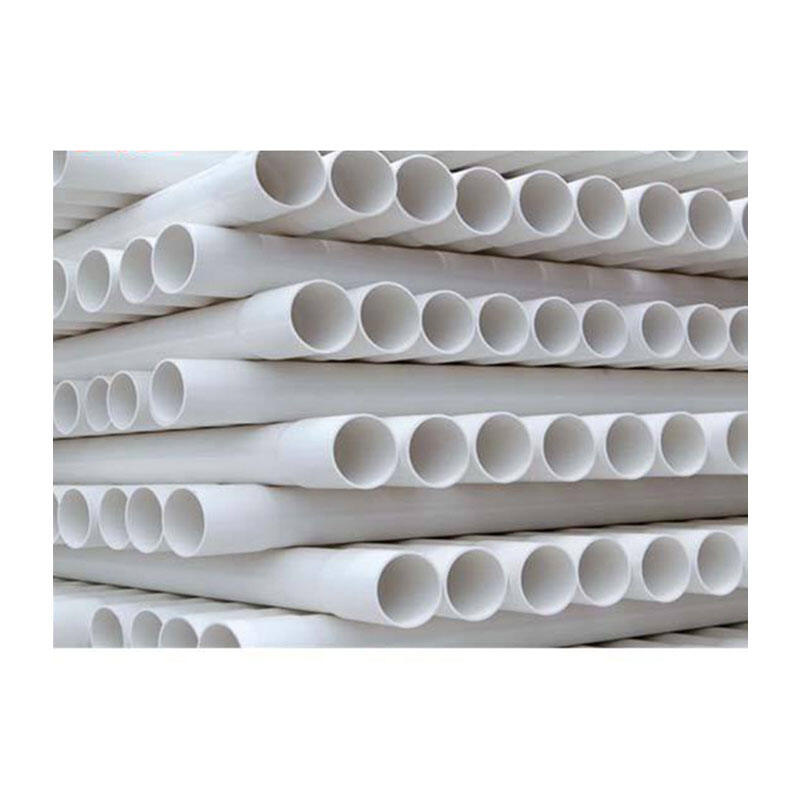
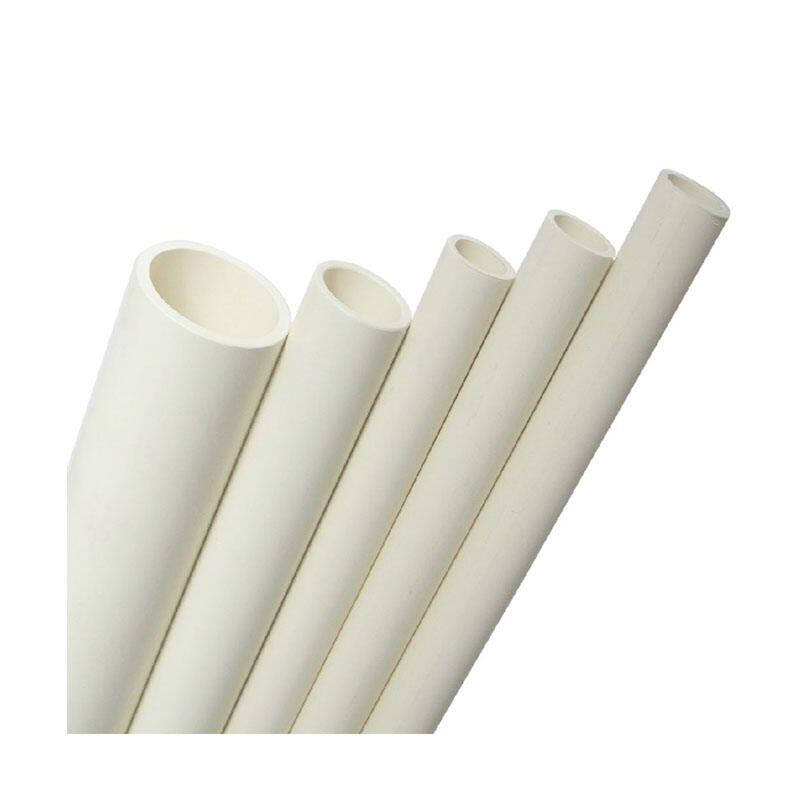
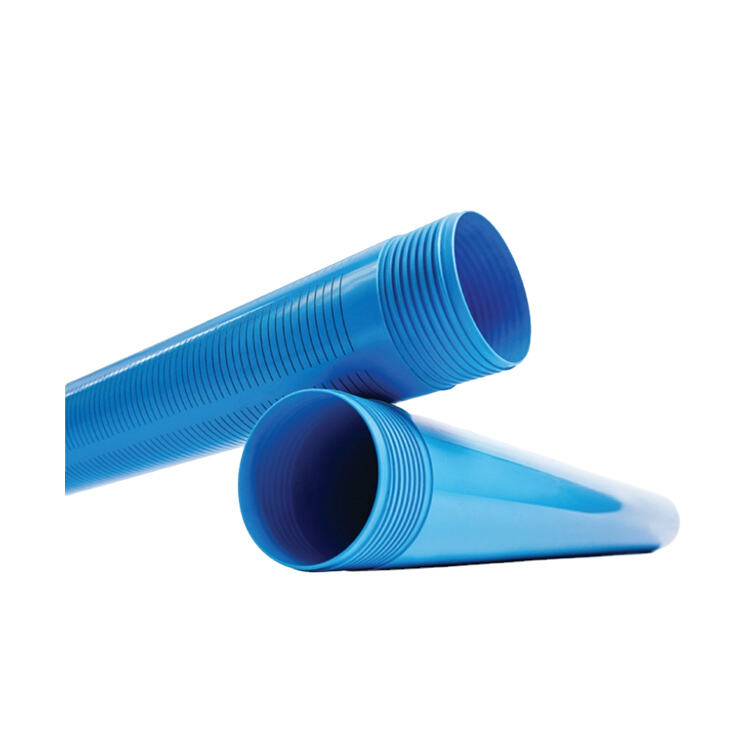
UPVC pipes for water systems represent a revolutionary advancement in modern plumbing and water distribution infrastructure. Unplasticized Polyvinyl Chloride, commonly known as UPVC, has emerged as the preferred choice for water supply applications across residential, commercial, and industrial sectors. These pipes are manufactured through a specialized process that eliminates plasticizers, resulting in a rigid, durable material that maintains structural integrity under varying pressure conditions. The primary function of UPVC pipe for water distribution involves transporting potable water, irrigation systems, and various liquid applications while maintaining water quality and system efficiency. The technological features of UPVC pipe for water include exceptional chemical resistance, smooth internal surfaces that promote optimal flow rates, and dimensional stability that prevents deformation over time. These pipes demonstrate remarkable resistance to corrosion, scaling, and biological growth, making them ideal for long-term water distribution networks. The manufacturing process involves precise temperature control and quality assurance measures that ensure consistent wall thickness and structural reliability. UPVC pipe for water applications spans across municipal water supply systems, residential plumbing networks, agricultural irrigation infrastructure, and industrial process water distribution. The versatility of these pipes allows for underground installation, above-ground mounting, and integration with existing pipeline systems. Modern UPVC pipe for water systems incorporates advanced joining technologies, including solvent cement welding, rubber ring joints, and threaded connections, providing flexibility in installation methods. The material composition ensures that UPVC pipe for water applications maintains water purity by preventing leaching of harmful substances into the transported water. Environmental considerations make UPVC pipe for water an sustainable choice, as the material is recyclable and requires minimal energy for production compared to alternative piping materials.