upvc pipe dimensions
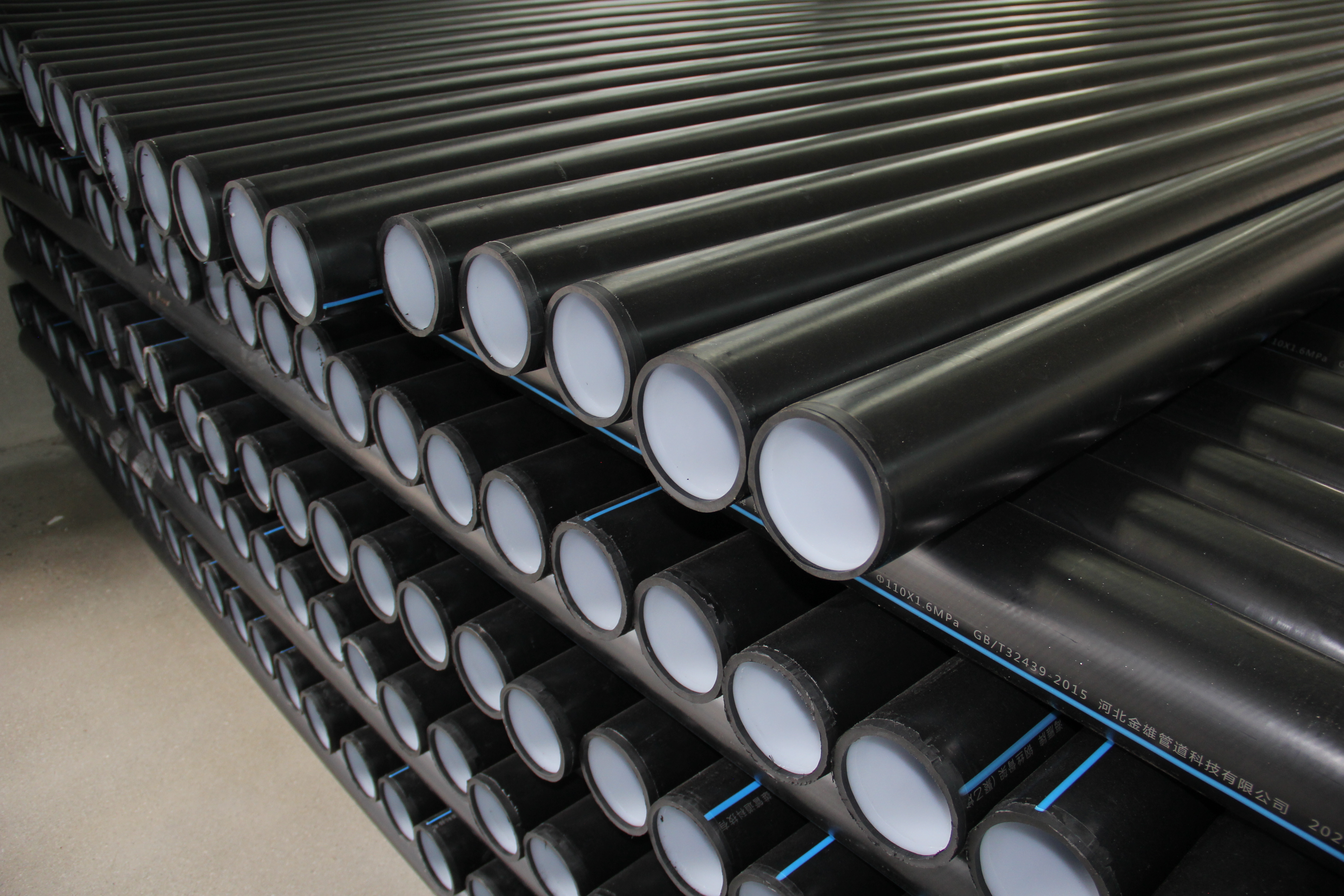
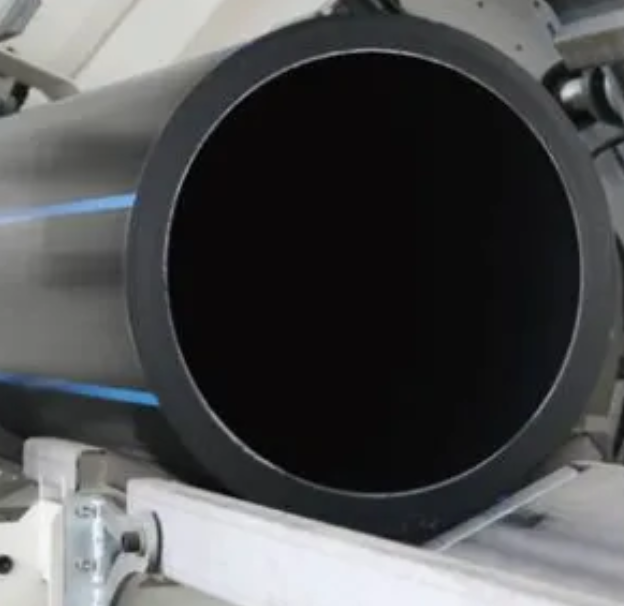
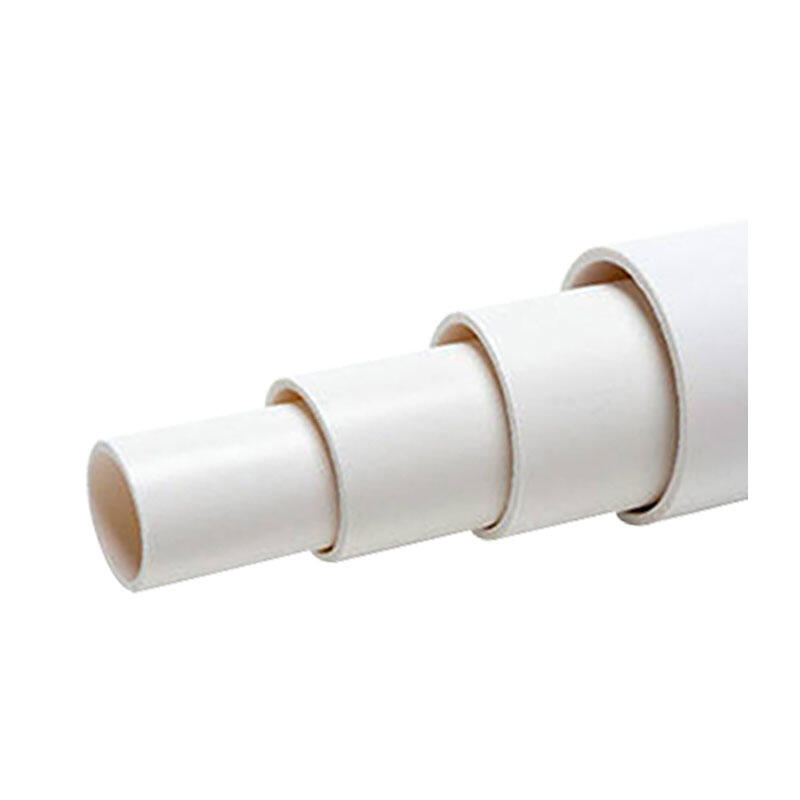
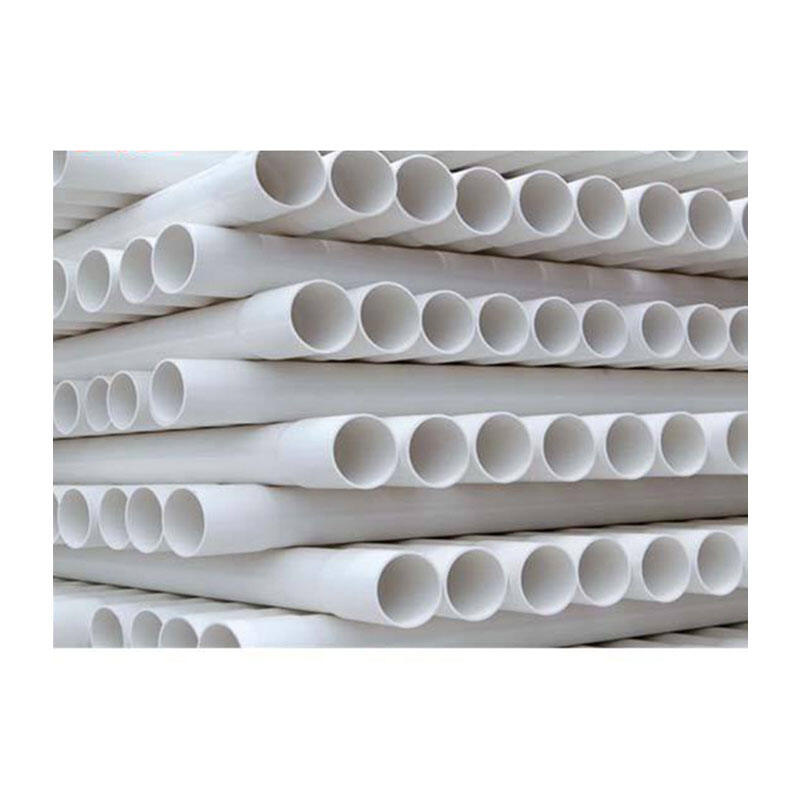
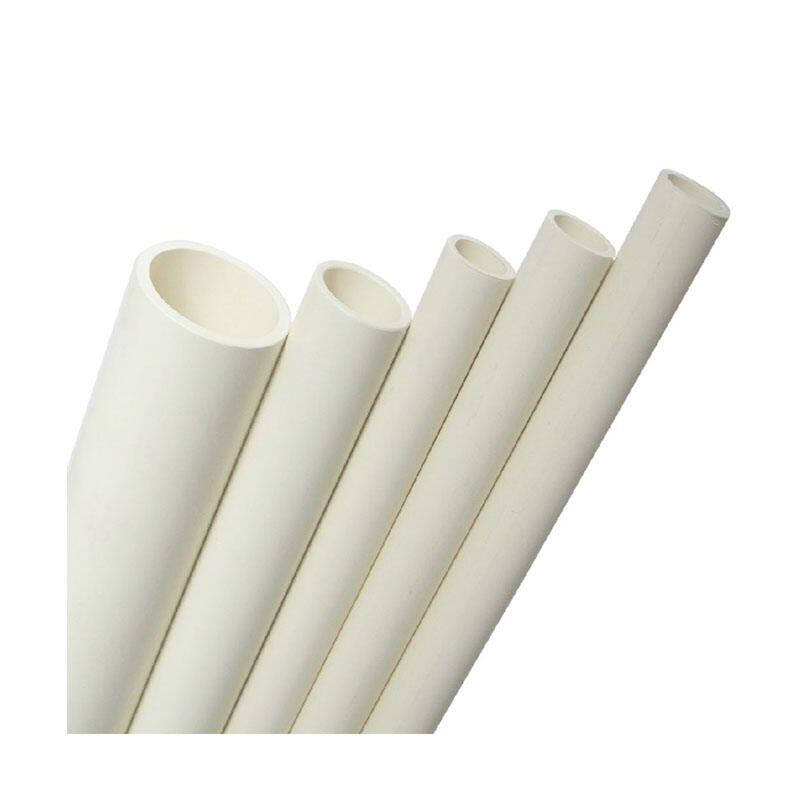
UPVC pipe dimensions represent a critical aspect of modern plumbing and construction infrastructure, defining the precise measurements and specifications that ensure optimal performance across residential, commercial, and industrial applications. These dimensions encompass external diameter, wall thickness, internal bore, and length specifications that comply with international standards such as ASTM, BS, and DIN. Understanding upvc pipe dimensions is essential for proper system design, installation efficiency, and long-term operational reliability. The standardized sizing system enables seamless integration with existing infrastructure while maintaining structural integrity under various pressure conditions. UPVC pipes are manufactured in nominal diameters ranging from 15mm to 630mm, with wall thickness varying according to pressure class requirements. The dimensional accuracy of these pipes ensures precise fitting connections, reducing installation time and minimizing potential leak points. Temperature considerations play a vital role in upvc pipe dimensions, as thermal expansion coefficients must be factored into system design. The dimensional stability of UPVC material under temperature fluctuations makes it superior to traditional piping materials. Standard length specifications typically range from 3 meters to 6 meters, optimizing transportation efficiency and installation convenience. The dimensional tolerances maintained during manufacturing ensure consistent performance across different production batches. Quality control measures verify that upvc pipe dimensions meet stringent industry standards, guaranteeing reliability in critical applications. The modular nature of standardized dimensions facilitates easy system expansion and maintenance procedures. Engineering calculations rely heavily on accurate upvc pipe dimensions to determine flow rates, pressure drops, and system capacity. Professional installers depend on precise dimensional specifications to select appropriate fittings, joints, and support systems for optimal installation outcomes.