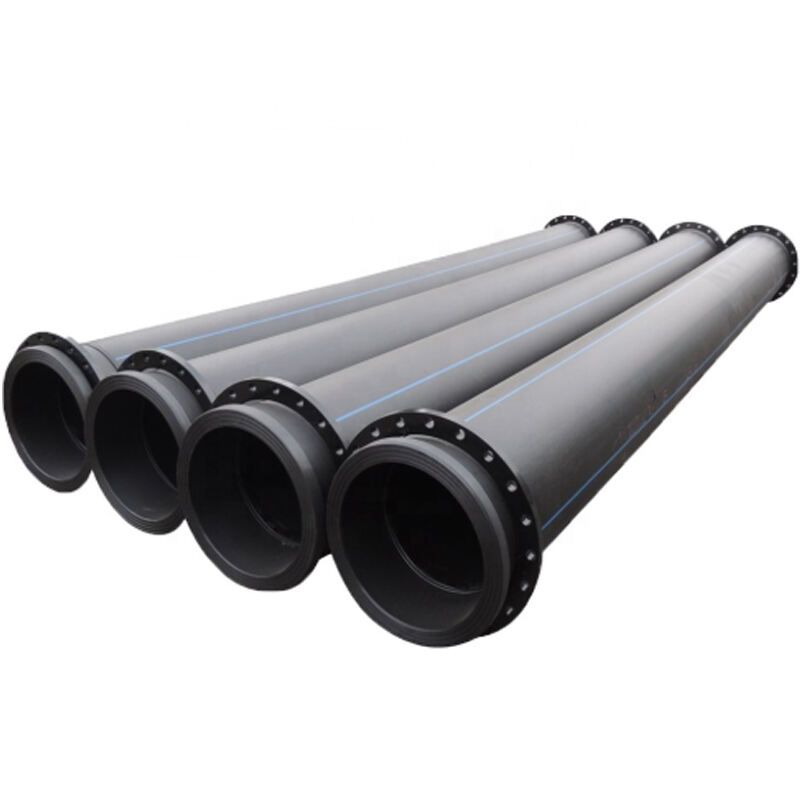



HDPE Dredging Pipes: A Modern, High-Performance Alternative to Steel
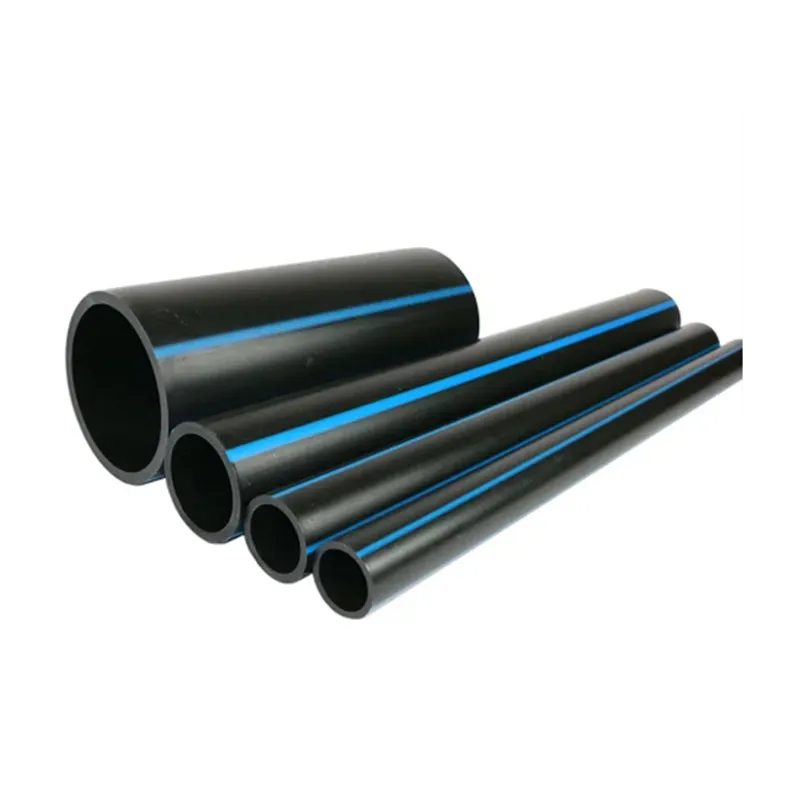
In critical dredging operations, such as waterway maintenance, harbor deepening, and environmental remediation, the slurry pipeline serves as the lifeline of the entire project. While steel pipes have traditionally been used, they carry inherent limitations in corrosion resistance, weight, and maintenance. Today, high-density polyethylene (HDPE) dredging pipes are redefining industry standards by delivering a powerful combination of durability, efficiency, and lifecycle economy that steel cannot match. Embraced in modern dredging projects worldwide, HDPE pipelines represent not just an alternative, but the future of reliable and sustainable slurry transport.
Core Advantages: How HDPE Dredging Pipes Excel
Compared to traditional steel pipes, HDPE dredging pipes deliver outstanding performance across several essential dimensions:
1. Exceptional Corrosion and Abrasion Resistance: Longer Life, Lower Maintenance
Corrosion Resistance: HDPE is a highly inert polymer, offering strong resistance to seawater, freshwater, sediments, and chemicals such as chlorides and acidic substances. It completely avoids the rust and electrochemical corrosion that plague steel pipes, eliminating risks of leakage and wall thinning.
Abrasion Resistance: The smooth inner surface of HDPE pipes, combined with the material’s inherent flexibility, absorbs impact energy from abrasive sand and gravel. This often results in better wear resistance than carbon steel, especially in high-solid-content slurry transport.
Result: Significantly extended service life with minimal maintenance, repair, or replacement, substantially reducing lifecycle costs—particularly advantageous for long-term or permanent dredging projects.
2. Lightweight and Flexible: Enhanced Installation and Mobility
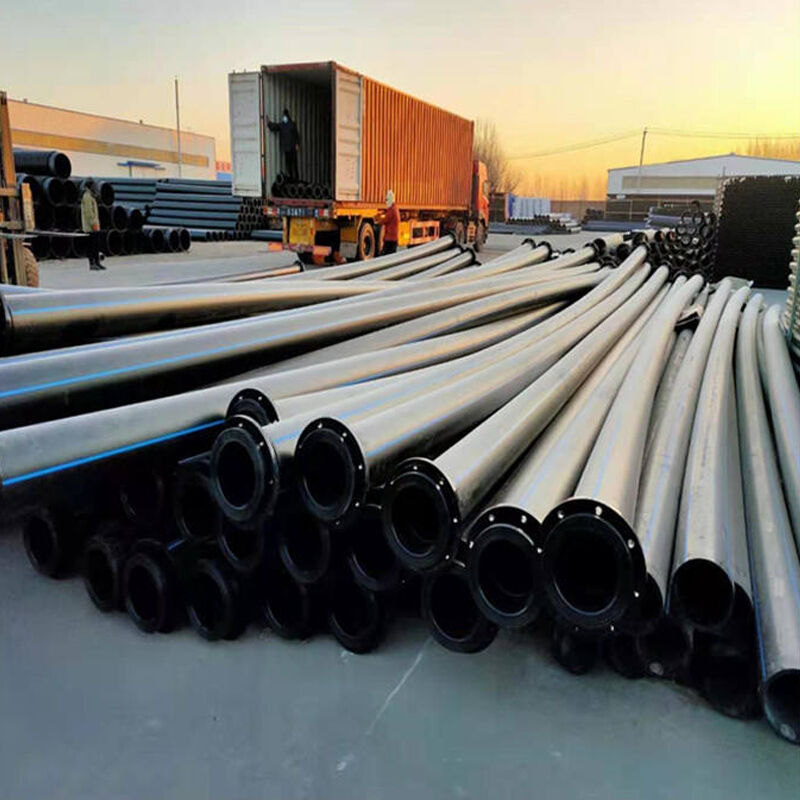
Lightweight: HDPE pipes are approximately one-eighth the density of steel, making them much easier and safer to transport, handle, and install without heavy lifting equipment.
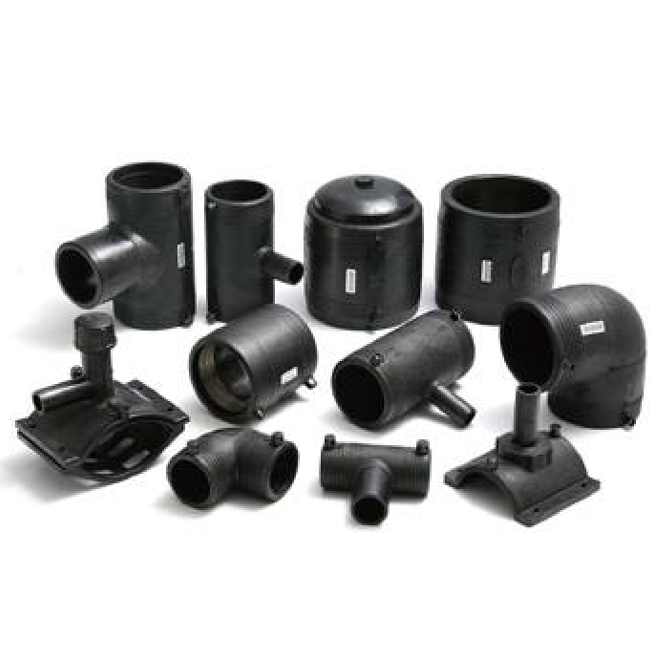
Flexible Connections: Using heat fusion (butt welding) or flange joints, HDPE pipelines can be constructed in long continuous sections—hundreds to thousands of meters—with far fewer connections than steel systems. This reduces potential leak points and allows adaptability to terrain variations and wave motion.
Floating Pipeline Suitability: Easily configured as floating pipelines with pontoons, HDPE systems enable quick deployment and retrieval, improving operational mobility and efficiency in dynamic marine environments.
3. Superior Hydraulic Performance: Energy-Efficient Operation
Ultra-Smooth Interior: The inner wall roughness of HDPE pipes is significantly lower than that of steel, drastically reducing frictional head loss during slurry transport.
Energy Savings: This hydraulic efficiency can lower pumping power requirements by an estimated 10–20%, translating into substantial electricity cost reductions over long-term operation.
4. Excellent Impact and Fatigue Resistance: Reliable Performance
HDPE material offers high toughness, effectively resisting water hammer, pressure fluctuations, and external impacts. Its fatigue resistance in harsh, variable marine conditions surpasses that of steel pipes, ensuring greater long-term reliability.
5. Lifecycle Management and Economic Benefits
Although initial material costs for HDPE pipes may be comparable to or slightly higher than steel, the savings in transportation, installation, energy, and maintenance—coupled with a longer service life—deliver a lower total cost of ownership and a strong return on investment.
Conclusion
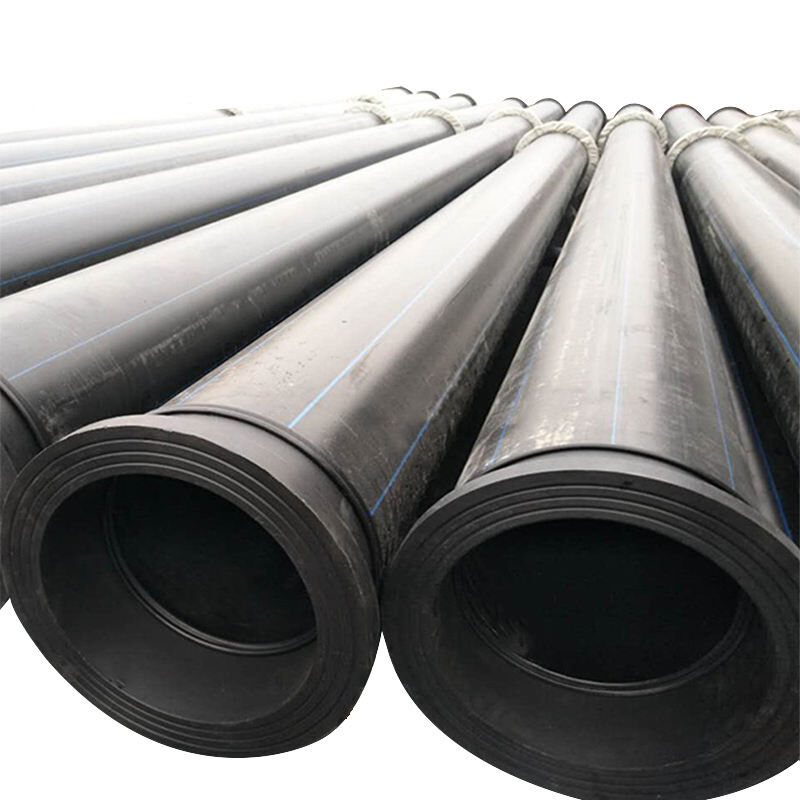
HDPE dredging pipes redefine the standards for slurry transportation with performance-driven material advantages. By directly addressing the limitations of traditional steel pipes in corrosion resistance, weight, energy consumption, and reliability, HDPE pipelines offer a modern, cost-effective, and sustainable solution. For new projects or system upgrades, they represent a forward-thinking choice that supports the dredging industry’s move toward greater efficiency, intelligence, and environmental stewardship.