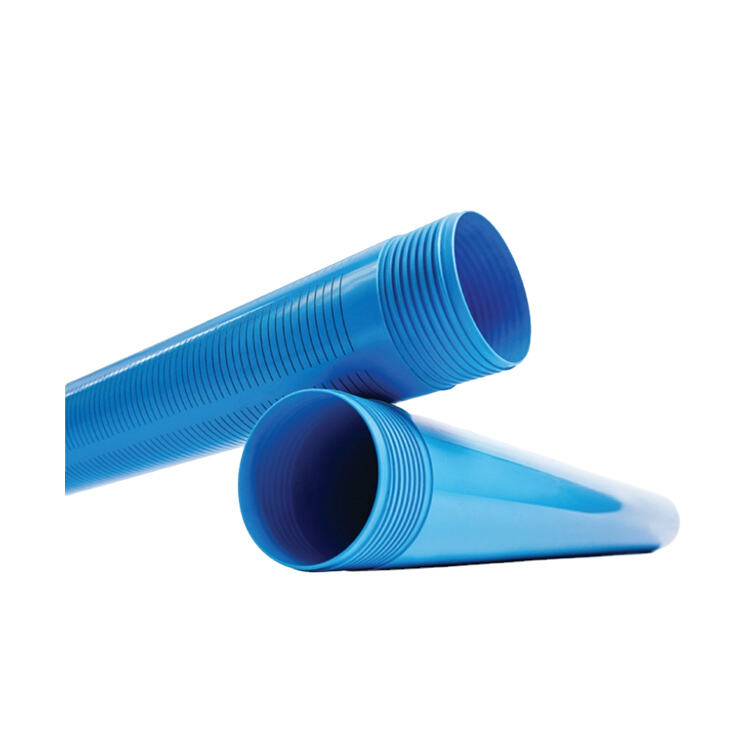
tubus evacuandi cloacas et ventile
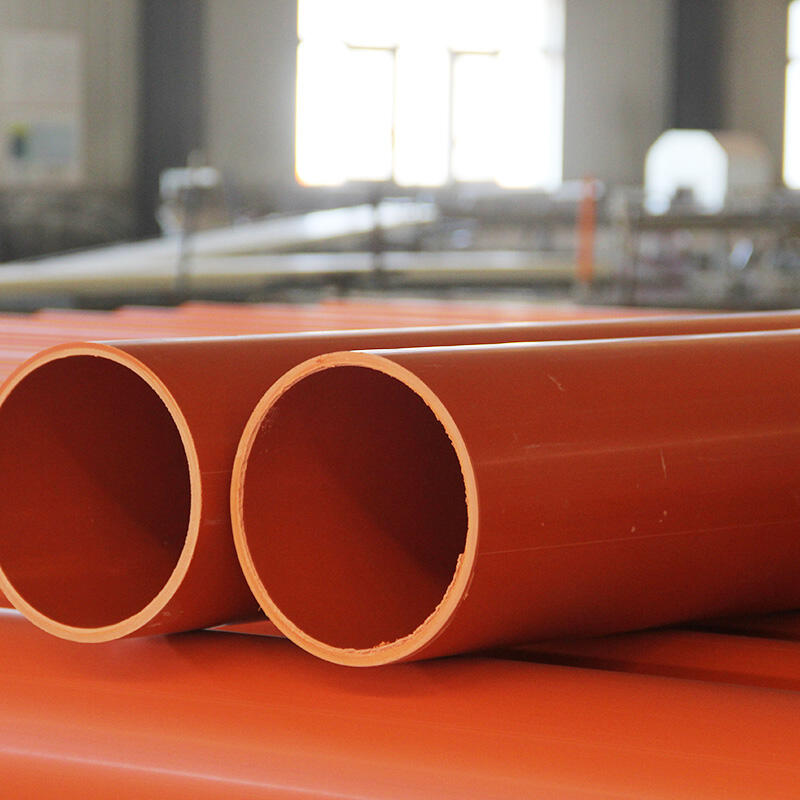
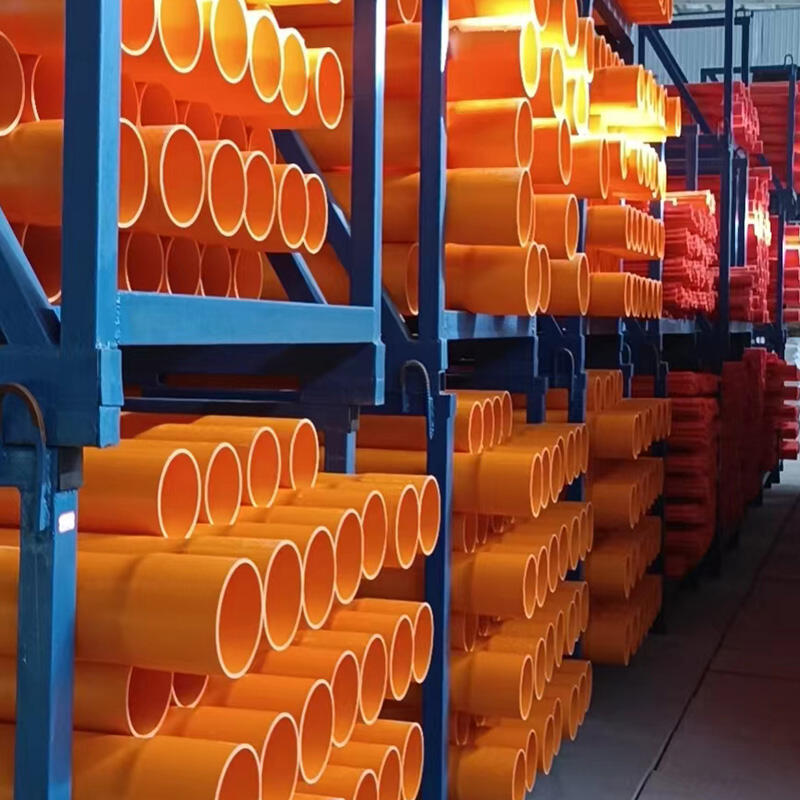
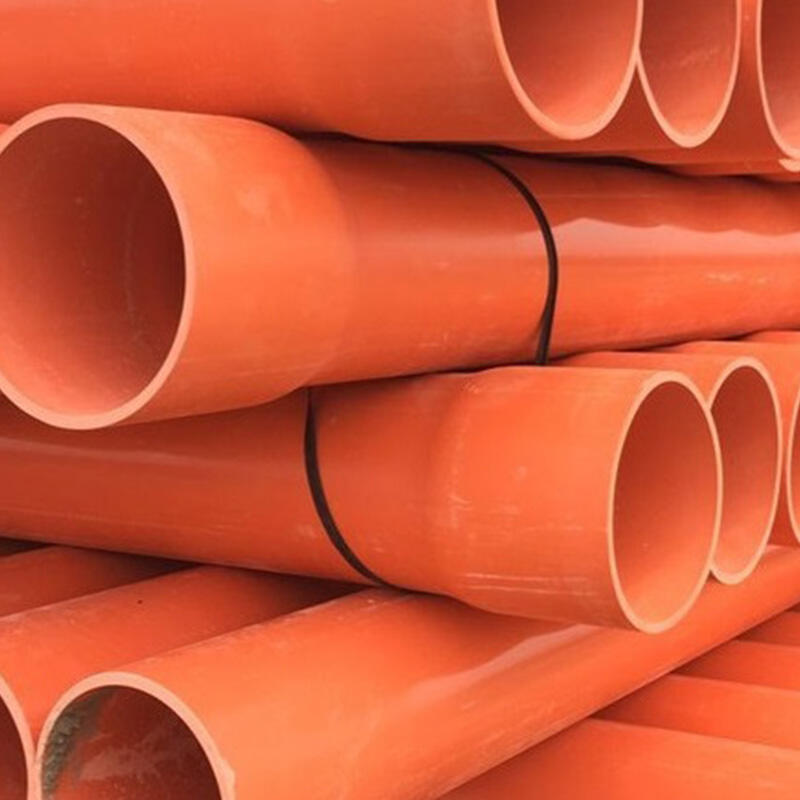
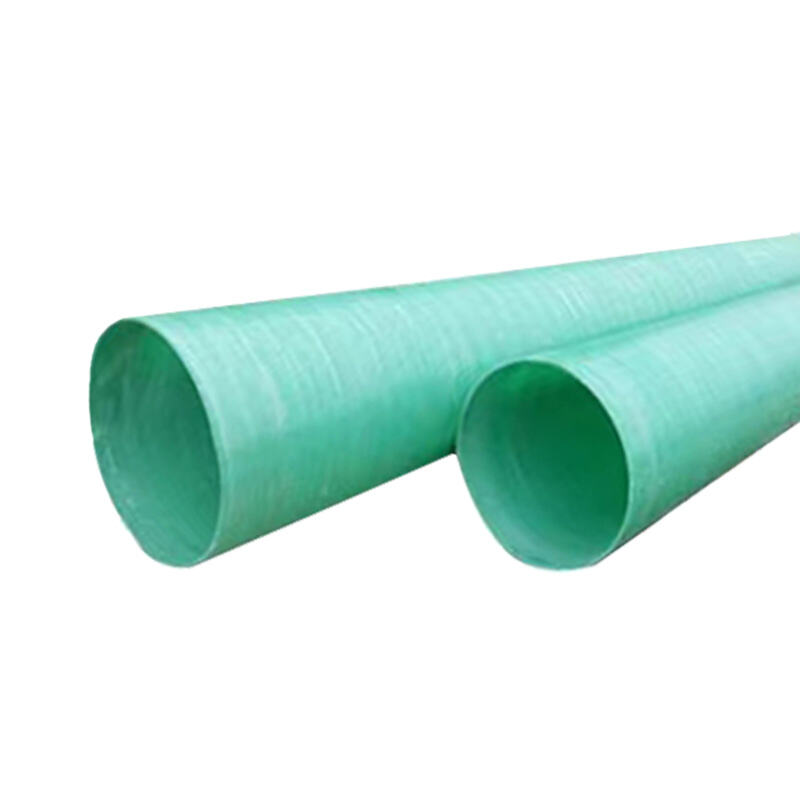
Tubus deiectionis, sordium et ventilationis repraesentat partem criticam in modernis systematibus sanitariis, functionem gerens columnae vertebralis pro rationabili administratione aquarum sordidarum et regimine qualitatis aeris intus aedificia. Hic subtilis tuborum structura ex triplici mechanismo constat, qui simul aquas sordidas demittit, materia solida tollit, et ventilationem necessariam praebet ne noxii gasus intra aedificia colligantur. Tubus deiectionis, sordium et ventilationis novissima ingeniaria principia adhibet, ut optimus fluxus tueatur pariterque pressionis atmosphaericae aequilibrio in tota rete sanitaria servato. Moderni systemata tuborum deiectionis, sordium et ventilationis materiales praeclaros utuntur, velut PVC, ABS, aut ferrum fusi, singuli pro certis conditionibus ambientalibus et necessitudinibus actuosi deligati. Caracteres technici systematum tuborum deiectionis, sordium et ventilationis clara diametra, gradientes declivitatis strategicos, ac diligenter positas iunctiones ventilationis includunt, quae simul operantur ut obstructiones tollantur et infiltratio gazorum cloacalium prohibeatur. Hi tubi interna superficia levia habent, quae frictionem minuunt, permittentes materialibus sordidis ut effice currenct versus conexiones cloacarum municipalium aut systemata sptica. Tubus deiectionis, sordium et ventilationis designatus multas puncta connexionis et figuras iunctionum continet, quae variis formis mobilium succedunt, inter quae latrinae, lavatoria, pluviae, et cloacae pavimenti. Usus systematum tuborum deiectionis, sordium et ventilationis per sectores residentiales, commerciales et industriales pateant, eosque pro aedificiis sanitariis, institutis educativis, locis hospitalitatis, et plantis manufactoriarum necessarios reddunt. Versatilitas installationum tuborum deiectionis, sordium et ventilationis tam pro novis aedificationibus quam pro adaptationibus in structuris iam existentibus permittit. Plumbarii professionales magnitudinem et positionem tuborum deiectionis, sordium et ventilationis rectam agnoscunt, ut legibus aedificandi localibus satisfiat atque optimalis actuositatis retis tutetur. Rete tuborum deiectionis, sordium et ventilationis curam diligenter et installationem requirit, ut efficacia maxima consequatur dum necessitudines mantiotionis per totam vitae spatium operationalem minimizentur.