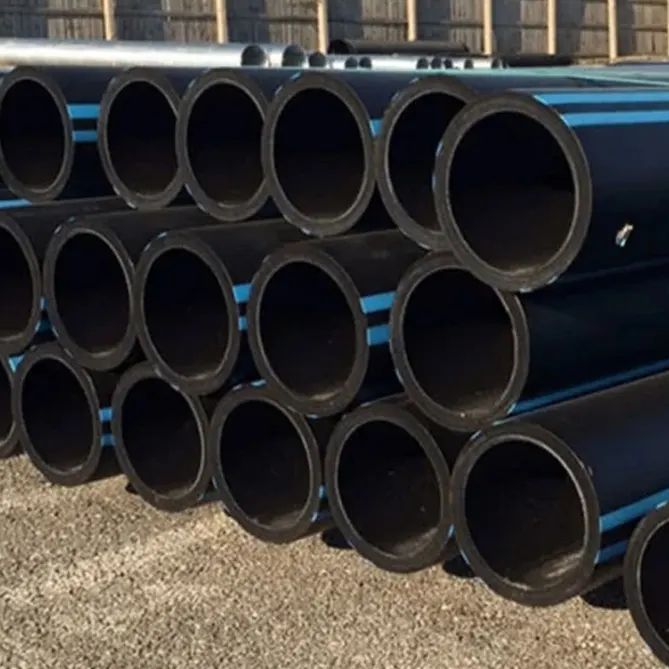
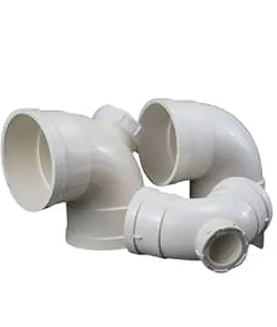
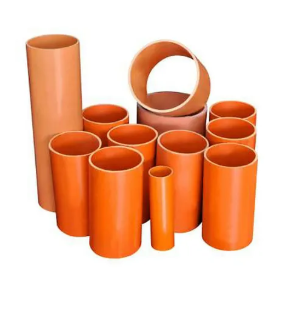
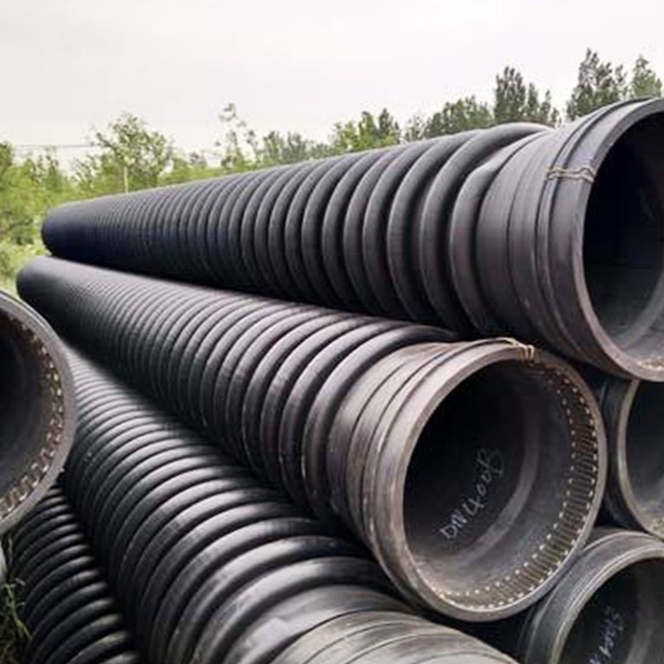
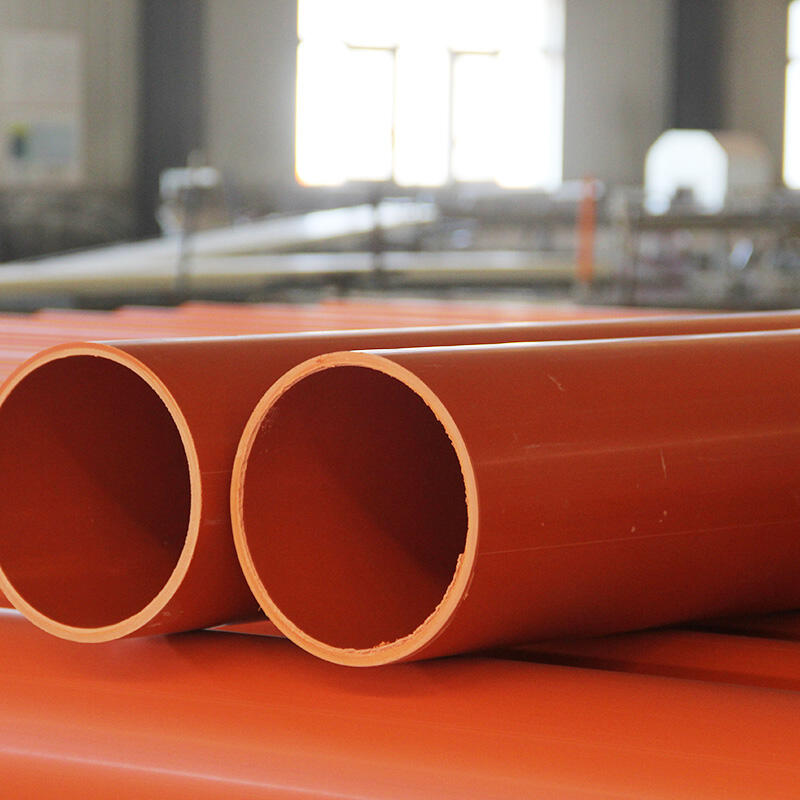
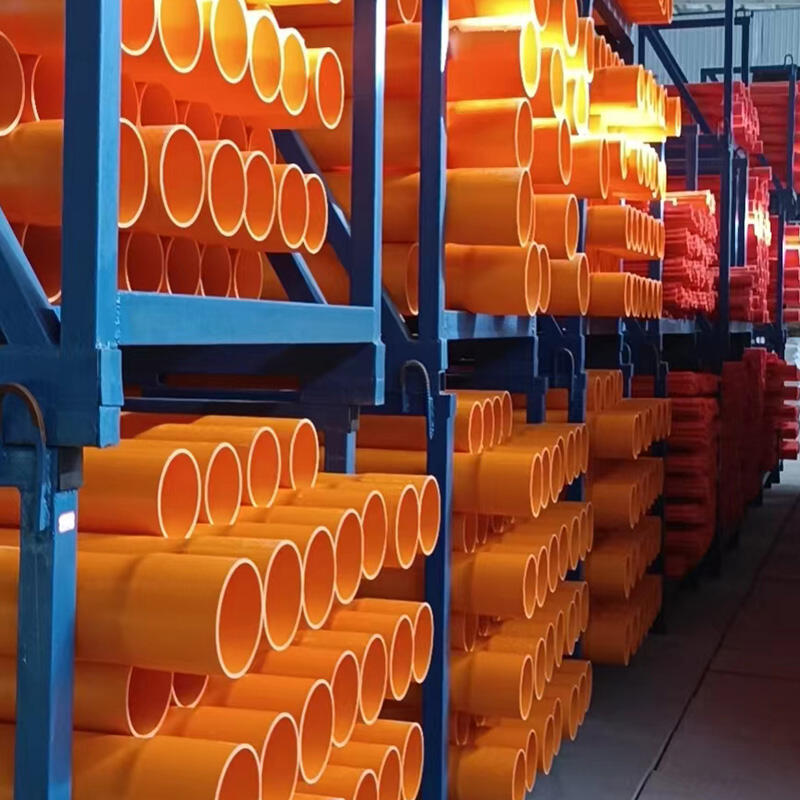
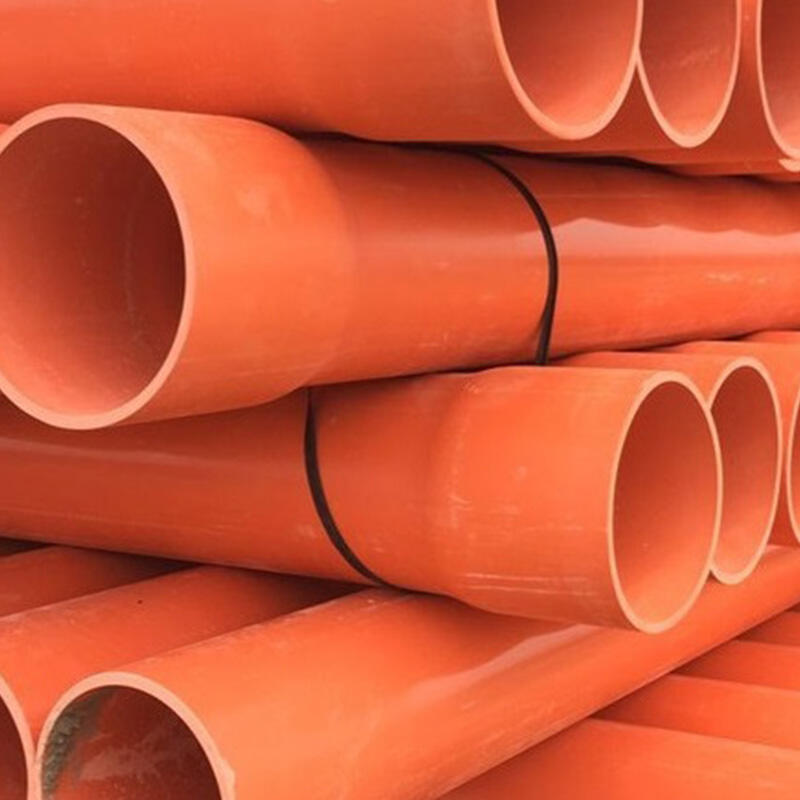
tubus evacuatus dwv
Tuba drenalis dwv repraesentat partem crucialem in modernis systematibus saniendi, specifice ad funtiones drenandi, abiciendi et ventilandi in aedificiis habitatorii et mercatoriis gerendas comparatam. Hoc specialis systema tuborum sub principiis fluxus gravitativi operatur, effice praeferre aquas lutidas et cloacam ab variis locis per structuram ad tubum foveae principalis vel systema septicum. Systema tuborum dwv tres principales functiones comprehendit quae concorditer operantur ut sanitationem propriam servent et accumulationem periculosis gasibus praeventiant. Pars drenalis removet aquas lutidas e lavacris, balineis, docibus et drenis pavimenti, dum portio cloacalis cum cloaca e latrinis et aliis locis generantibus sordes negotiatur. Facies ventilationis formationem vacui prohibet et permittit gazis cloacalibus per foramina tecti tutissime evadere. Technice, tuba dwv superficies internas levigatas utitur quae frictionem minimant et accumulationem detriti prohibent, fluxus constantes servant et necessitudines mensionis minuunt. Moderna systemata tuborum dwv copulas et iuncturas praecisione constructas includunt quae nexibus sine effusione creant, periculum damni aquei et corruptionis structuralis eliminantes. Hi tubi dimensiones normalizatas habent quae a lineis parvis diametri pro singulis locis ad maiores principales quae totas sectiones aedificii serviunt extenduntur. Constructio tuborum dwv materiales adhibet qui corrosioni, damno chimico et variationibus thermicis resistant, firmitudinem diuturnam in varietate conditionum ambientalium certificantes. Applicationes systematum tuborum dwv per domos habitatorias, aedificia commercialia, fabricas et structuras institutionales patet. In locis domesticis, tuba dwv coniungit lavacula culinaria, loca balnearia, stationes lavandi et drenos cellarii ut rete complexum gestionis sordium creetur. Applicationes commerciales tabernas, aedificia officiorum, spatia venditionis et loca sanitatis complectuntur ubi evacuatio sordium fidissima pro continuitate operationum et obedientia regulativa necessaria est.