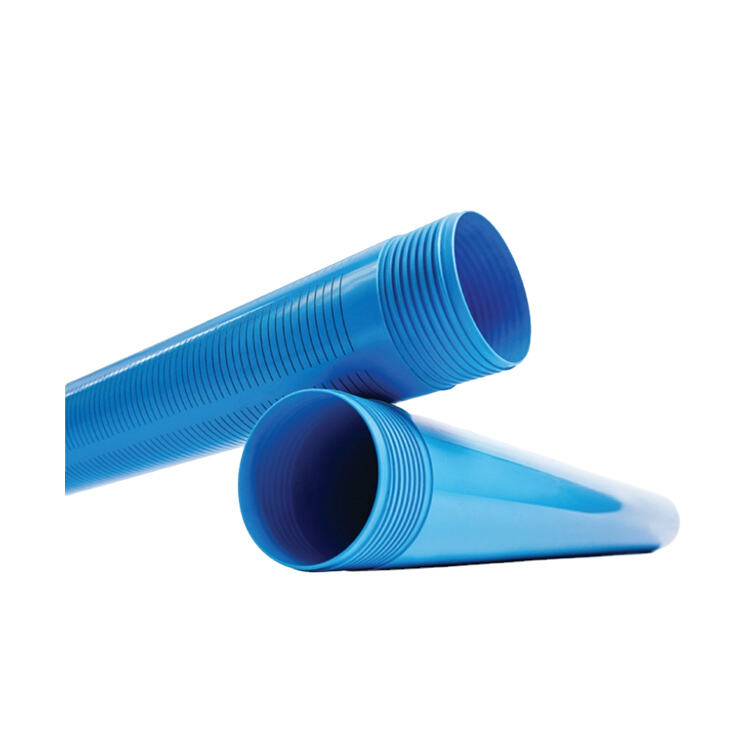
filtration geotextile
Filtration geotextile represents a revolutionary approach to civil engineering and environmental protection, serving as a permeable synthetic material designed specifically for soil separation, drainage, and filtration applications. This innovative textile solution combines the mechanical properties of woven or non-woven synthetic fibers with advanced engineering principles to create a highly effective barrier system. The primary function of filtration geotextile involves preventing soil particle migration while allowing water flow, making it an essential component in various construction and environmental projects. The technological features of this material include its precise pore structure, which maintains optimal permeability rates while ensuring effective particle retention. Modern filtration geotextile utilizes high-quality polypropylene, polyester, or polyethylene fibers that undergo specialized manufacturing processes to achieve specific hydraulic and mechanical characteristics. The fabric's structure allows controlled water passage while preventing fine soil particles from clogging drainage systems or contaminating adjacent materials. Applications of filtration geotextile span numerous industries and project types, including highway construction, landfill systems, retaining wall drainage, foundation stabilization, and coastal protection works. In road construction, the material prevents subgrade contamination and maintains structural integrity by separating different soil layers. Environmental applications include leachate collection systems, where the geotextile protects drainage pipes from clogging while ensuring proper fluid management. The versatility of filtration geotextile extends to agricultural drainage systems, sports field construction, and residential landscaping projects. Installation procedures involve careful site preparation, proper material placement, and adherence to specific overlap requirements. Quality control measures ensure the geotextile maintains its filtration properties throughout the project's lifespan, providing long-term performance reliability and cost-effective solutions for complex engineering challenges.