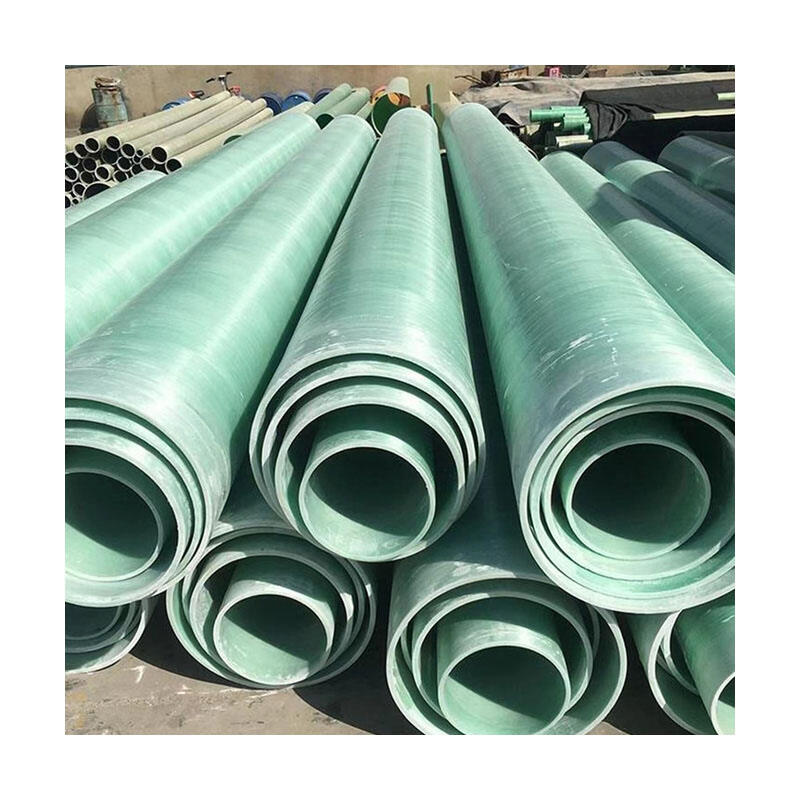
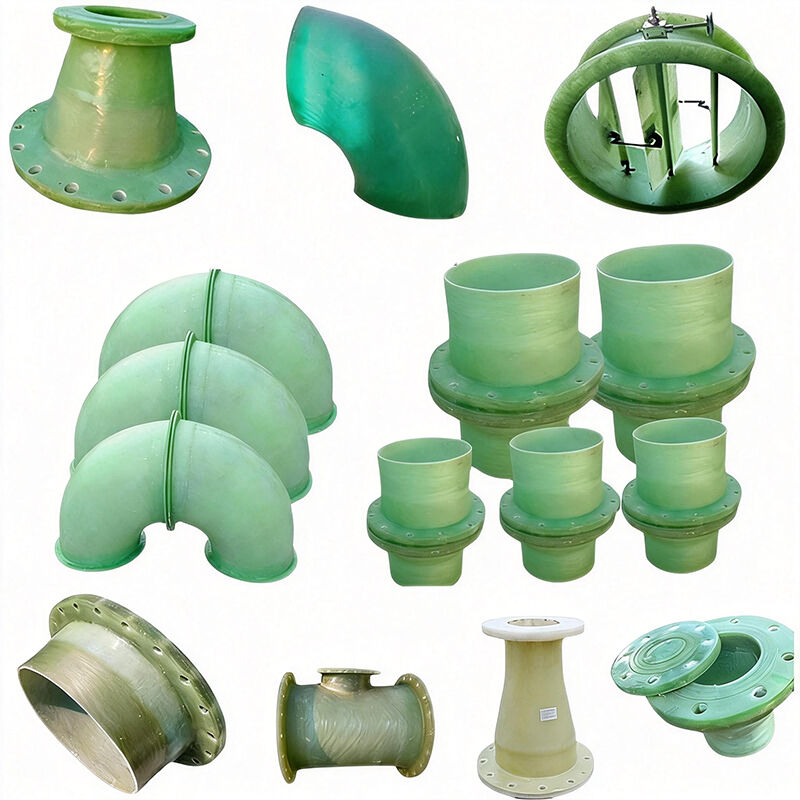
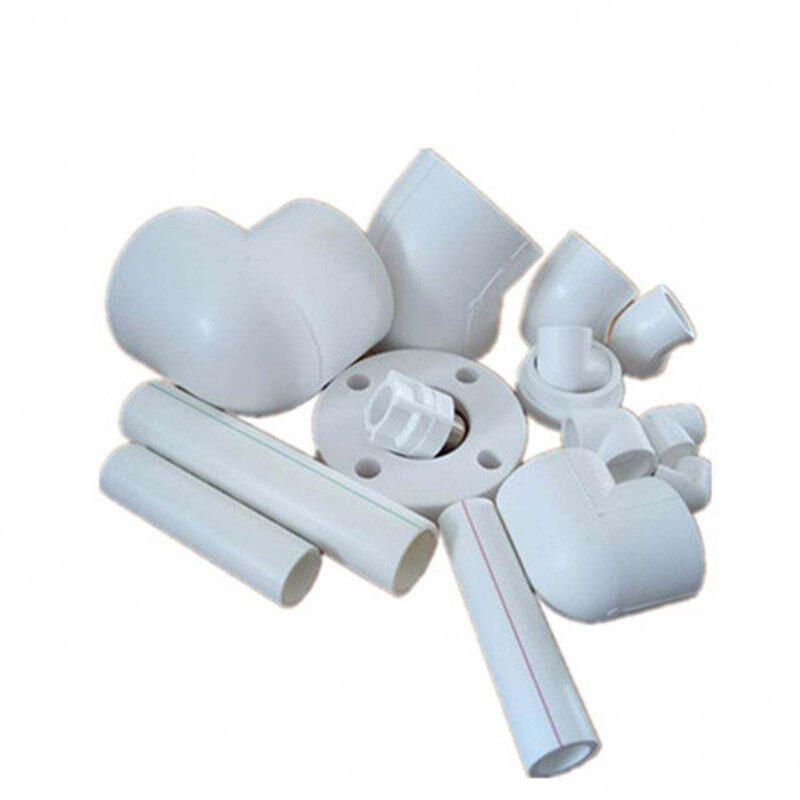
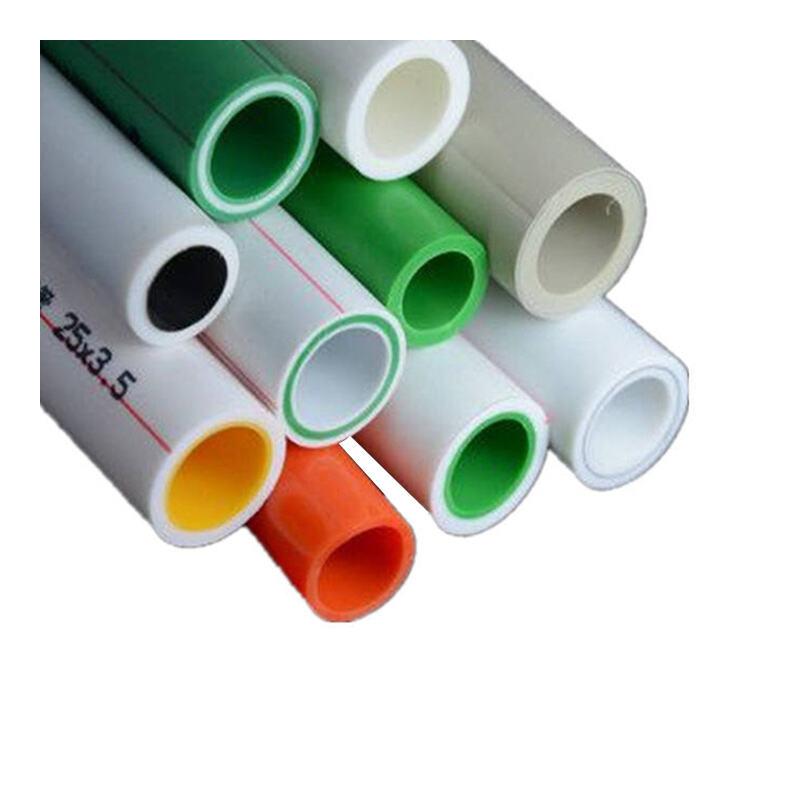
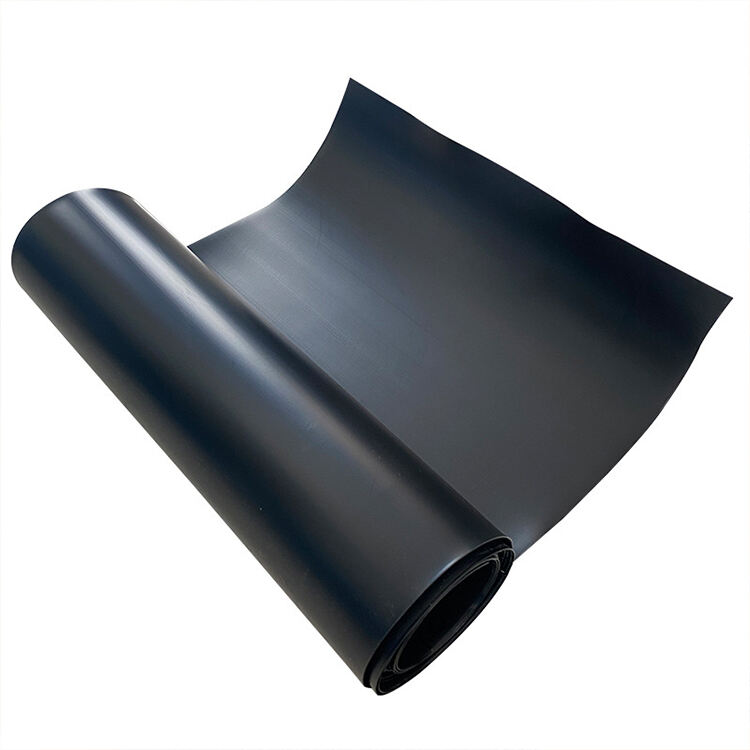
Premium Geotextile for Retaining Wall Solutions - Enhanced Drainage & Soil Reinforcement

Get a Free Quote

Our representative will contact you soon.
Email
Mobile
Name
Message
0/1000

geotextile for retaining wall

Geotextile for retaining wall represents a revolutionary advancement in modern construction and civil engineering applications. This specialized synthetic fabric serves as a critical component in reinforced soil structures, providing essential separation, filtration, and reinforcement functions that enhance the stability and longevity of retaining wall systems. The geotextile for retaining wall consists of permeable polymer materials, typically polypropylene or polyester, engineered to withstand significant tensile forces while maintaining excellent drainage characteristics. These materials undergo rigorous manufacturing processes that create uniform fabric structures with precise mechanical properties tailored for earth retention applications. The primary technological features of geotextile for retaining wall include high tensile strength ratings, superior puncture resistance, and optimal permeability coefficients that facilitate efficient water management within soil structures. Advanced manufacturing techniques ensure consistent fabric thickness and weight distribution, enabling predictable performance under varying load conditions. The geotextile for retaining wall functions through multiple mechanisms simultaneously, distributing lateral earth pressures across broader areas while preventing soil particle migration through its filtration properties. This dual functionality eliminates the need for separate drainage layers and soil separation materials, streamlining construction processes significantly. Applications for geotextile for retaining wall span across residential landscaping projects, commercial site development, highway construction, and industrial infrastructure installations. These versatile materials accommodate various soil types and environmental conditions, from coastal marine environments to inland mountainous terrains. The geotextile for retaining wall proves particularly valuable in projects requiring rapid construction timelines or space-constrained installations where traditional concrete retaining walls become impractical. Engineering specifications for these materials include precise grab tensile strength measurements, permittivity ratings, and apparent opening size parameters that ensure compatibility with specific soil gradations and hydraulic requirements.

New Products

The geotextile for retaining wall delivers substantial cost savings compared to conventional concrete or stone retaining wall systems. Construction projects utilizing geotextile for retaining wall typically reduce material costs by 30-50 percent while significantly decreasing labor requirements and installation timeframes. These synthetic reinforcement materials eliminate the need for heavy machinery operations required in traditional retaining wall construction, making projects accessible in remote locations or areas with limited equipment access. The lightweight nature of geotextile for retaining wall enables rapid deployment and installation, reducing project completion times from weeks to days in many applications. Maintenance requirements for geotextile for retaining wall systems remain minimal throughout their operational lifespan, as these materials resist chemical degradation, biological attack, and mechanical wear under normal service conditions. The flexible characteristics of geotextile for retaining wall allow accommodation of ground settlement and thermal expansion without structural failure, preventing costly repairs associated with rigid retaining wall systems. Environmental benefits of geotextile for retaining wall include reduced carbon footprint during manufacturing and transportation compared to concrete alternatives, supporting sustainable construction practices increasingly demanded by regulatory authorities and environmentally conscious clients. The excellent drainage properties of geotextile for retaining wall eliminate hydrostatic pressure buildup behind wall structures, preventing common failure modes that affect traditional retaining walls during seasonal freeze-thaw cycles or extended wet weather periods. Design flexibility represents another significant advantage of geotextile for retaining wall applications, as these materials accommodate curved wall alignments, varying heights, and complex geometries that prove challenging or impossible with precast concrete segments. The geotextile for retaining wall integrates seamlessly with existing landscape features, allowing vegetation establishment on wall faces that provides natural erosion control and aesthetic enhancement. Quality control during geotextile for retaining wall installation proves more straightforward than concrete placement, as visual inspection easily identifies proper fabric placement and overlap connections without requiring specialized testing equipment. Long-term performance data confirms geotextile for retaining wall systems maintain structural integrity for decades under proper design and installation conditions, providing reliable service life comparable to traditional alternatives at substantially reduced lifecycle costs.

Tips And Tricks

 Ensuring Integrity in PE Steel Wire Mesh Skeleton Systems Through Pressure Testing

14

Sep

Ensuring Integrity in PE Steel Wire Mesh Skeleton Systems Through Pressure Testing

View More
Why HDPE Double Wall Corrugated Pipes Are Ideal for Stormwater Management

24

Jun

Why HDPE Double Wall Corrugated Pipes Are Ideal for Stormwater Management

Explore the growing significance of stormwater management amid urbanization and climate change. Discover how HDPE double wall corrugated pipes enhance infrastructure resilience, offering superior load-bearing capacity, corrosion resistance, and sustainability benefits.
View More
HDPE Pipes: The Environmental Benefits of a Sustainable Piping Material

24

Jun

HDPE Pipes: The Environmental Benefits of a Sustainable Piping Material

Discover the environmental and economic benefits of HDPE recycled materials in supporting a circular economy, with advantages in durability, low carbon footprint, and applications in municipal systems and renewable energy.
View More
The Advantages of HDPE Silicon Core Pipes for Fiber Optic Cable Installation

24

Jun

The Advantages of HDPE Silicon Core Pipes for Fiber Optic Cable Installation

Explore the structural advantages of HDPE silicon core pipes, featuring dual-layer protection, chemical resistance, UV stability, and cost-effectiveness. Ideal for telecommunication networks, data centers, and urban infrastructure, learn how these pipes offer sustainable and reliable solutions.
View More

Get a Free Quote

Our representative will contact you soon.
Email
Mobile
Name
Message
0/1000

geotextile for retaining wall

Superior Drainage and Water Management Capabilities

Superior Drainage and Water Management Capabilities

The exceptional drainage performance of geotextile for retaining wall systems addresses one of the most critical challenges in earth retention applications. Traditional retaining walls often fail due to hydrostatic pressure accumulation behind wall structures, particularly during seasonal weather variations or in regions with high groundwater levels. The geotextile for retaining wall incorporates engineered permeability characteristics that facilitate continuous water movement through the fabric structure while preventing soil particle migration. This dual functionality eliminates the need for separate drainage systems, reducing construction complexity and associated costs significantly. The permittivity values of geotextile for retaining wall range from 0.1 to 2.0 per second, depending on specific application requirements and soil conditions. These carefully calibrated drainage properties ensure optimal water flow rates that prevent oversaturation of retained soil masses while maintaining adequate moisture levels for vegetation establishment where desired. The geotextile for retaining wall prevents formation of perched water tables that commonly develop behind impermeable retaining wall systems, eliminating frost heave damage and seasonal stability concerns. Advanced manufacturing processes create uniform pore structures within the geotextile for retaining wall fabric, ensuring consistent drainage performance across the entire installation area. Field testing demonstrates that properly specified geotextile for retaining wall systems effectively manage extreme precipitation events without compromising structural stability or experiencing drainage system blockage. The self-cleaning characteristics of these materials prevent long-term clogging issues that affect conventional drainage pipes and aggregate systems, maintaining consistent hydraulic performance throughout the operational lifespan. Quality control procedures for geotextile for retaining wall installations include permeability verification testing that confirms drainage specifications meet design requirements before backfill placement. The integration of drainage management within the geotextile for retaining wall structure eliminates maintenance access requirements for separate drainage systems, reducing long-term operational costs and complexity.
Enhanced Soil Reinforcement and Load Distribution

Enhanced Soil Reinforcement and Load Distribution

The remarkable tensile strength characteristics of geotextile for retaining wall applications provide unprecedented soil reinforcement capabilities that transform weak native soils into stable, load-bearing structures. Unlike rigid retaining wall systems that rely solely on mass and foundation bearing capacity, geotextile for retaining wall creates composite soil structures where tensile forces distribute across extended soil masses, dramatically improving overall stability margins. The high-strength synthetic polymers used in geotextile for retaining wall manufacturing exhibit ultimate tensile strength values ranging from 1,000 to 8,000 pounds per linear foot, depending on specific product specifications and intended applications. This exceptional strength-to-weight ratio enables geotextile for retaining wall systems to accommodate significant surcharge loads, vehicular traffic, and dynamic loading conditions that would overwhelm conventional gravity retaining walls. The flexible nature of geotextile for retaining wall allows accommodation of differential settlement and ground movement without catastrophic failure modes associated with rigid wall systems. Stress distribution mechanisms within geotextile for retaining wall installations create gradually varying load transfer patterns that prevent stress concentration points and associated cracking or structural deterioration. The installation process for geotextile for retaining wall involves systematic placement of fabric layers at predetermined vertical spacing intervals, with each layer contributing incremental reinforcement strength to the overall wall structure. Quality assurance procedures during geotextile for retaining wall construction include verification of proper fabric orientation, adequate overlap connections, and specified soil lift thickness between reinforcement layers. The long-term creep resistance of geotextile for retaining wall materials ensures sustained performance under constant loading conditions, with design methodologies accounting for time-dependent strength reduction factors that maintain adequate safety margins throughout the intended service life. Field performance monitoring of existing geotextile for retaining wall installations demonstrates excellent long-term stability under various loading scenarios, confirming the effectiveness of design methodologies and material specifications.
Cost-Effective Installation and Maintenance Benefits

Cost-Effective Installation and Maintenance Benefits

The economic advantages of geotextile for retaining wall systems extend far beyond initial material costs, encompassing substantial savings in construction labor, equipment requirements, and long-term maintenance expenses. Traditional retaining wall construction typically requires extensive excavation, foundation preparation, and heavy equipment operations that significantly increase project costs and complexity. The geotextile for retaining wall installation process eliminates many of these requirements, utilizing standard earthmoving equipment and conventional construction techniques familiar to most contractors. The lightweight characteristics of geotextile for retaining wall materials enable manual handling and placement without specialized lifting equipment, reducing safety risks and labor costs associated with heavy precast concrete segments or large stone blocks. Construction timeline acceleration represents a major economic benefit of geotextile for retaining wall systems, as installation rates often exceed 100 linear feet per day with standard construction crews, compared to 20-30 feet per day for conventional concrete retaining walls. The reduced construction duration minimizes site disruption, traffic control costs, and contractor overhead expenses that accumulate during extended project timelines. Material transportation costs for geotextile for retaining wall projects remain substantially lower than concrete alternatives, as standard delivery trucks can transport sufficient materials for extensive wall installations without requiring special permits or escort vehicles. The flexibility of geotextile for retaining wall systems accommodates design modifications during construction without significant cost penalties, unlike rigid wall systems where changes require expensive demolition and reconstruction activities. Quality control during geotextile for retaining wall installation relies primarily on visual inspection and standard construction surveying techniques, eliminating costly concrete testing and specialized inspection requirements. Long-term maintenance requirements for geotextile for retaining wall systems remain minimal, as these materials resist weathering, chemical attack, and mechanical degradation under normal service conditions. The absence of joints, mortar, or mechanical connections in geotextile for retaining wall structures eliminates common maintenance issues that require periodic repair in traditional wall systems, reducing lifecycle costs significantly.

Inquiry Premium Geotextile for Retaining Wall Solutions - Enhanced Drainage & Soil Reinforcement Inquiry Premium Geotextile for Retaining Wall Solutions - Enhanced Drainage & Soil Reinforcement Premium Geotextile for Retaining Wall Solutions - Enhanced Drainage & Soil Reinforcement Premium Geotextile for Retaining Wall Solutions - Enhanced Drainage & Soil Reinforcement
Write down your question

We are not only a product manufacturer, but also a solution provider. Whether you have questions or quotation requests, we will help you.

Get a Quote

Contact Us

Your email address will not be published. Required fields are marked *
Email
Name
Mobile
Message
0/1000