geotextile cloth suppliers
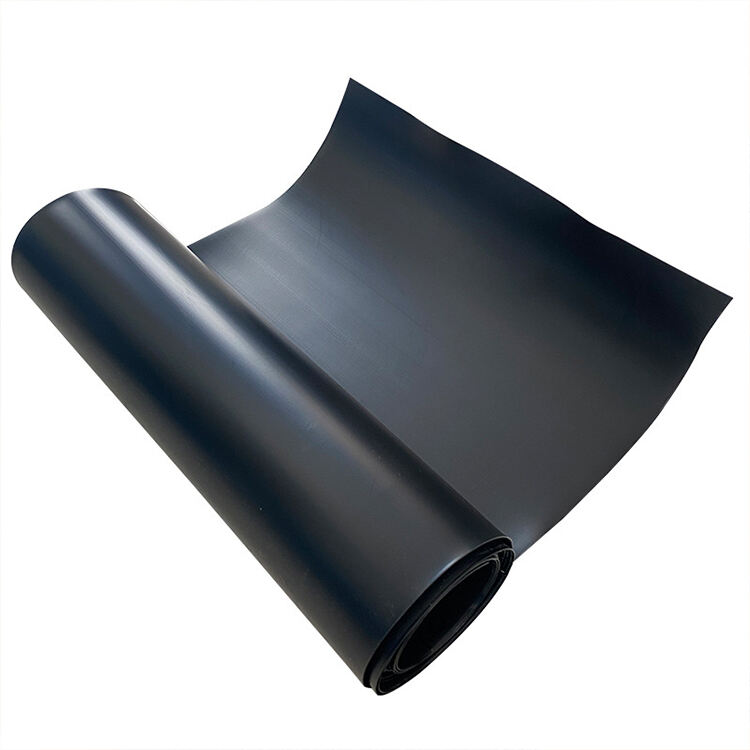
Geotextile cloth suppliers play a crucial role in the construction and civil engineering industries by providing specialized synthetic fabrics designed to improve soil stability and drainage performance. These suppliers offer various types of geotextile materials, including woven, non-woven, and knitted fabrics manufactured from polypropylene, polyester, or polyethylene fibers. The primary functions of geotextile cloth include separation, filtration, drainage, reinforcement, and protection in construction projects. Separation prevents different soil layers from mixing, while filtration allows water to pass through while retaining soil particles. Drainage capabilities help redirect water flow, and reinforcement strengthens weak soils. Protection shields geomembranes and other materials from puncture damage. Technological features of modern geotextiles include high tensile strength, chemical resistance, UV stabilization, and permeability control. Advanced manufacturing processes ensure consistent quality and performance characteristics. Geotextile cloth suppliers utilize state-of-the-art production facilities that incorporate needle-punching, thermal bonding, and weaving technologies to create products meeting specific engineering requirements. Applications span across road construction, erosion control, landfill engineering, retaining walls, embankment stabilization, and coastal protection projects. In transportation infrastructure, geotextile cloth suppliers provide materials for highway construction, airport runways, and railway foundations. Environmental applications include pond linings, wetland restoration, and contaminated soil remediation. Agricultural uses encompass crop protection, greenhouse flooring, and irrigation systems. Marine applications involve breakwater construction, shoreline stabilization, and underwater cable protection. Leading geotextile cloth suppliers maintain comprehensive quality assurance programs, ensuring products comply with international standards such as ASTM, ISO, and AASHTO specifications. They provide technical support, installation guidance, and custom solutions tailored to specific project requirements, making them essential partners in modern construction and environmental protection initiatives.