High-Performance Geotextile for Roads: Advanced Infrastructure Solutions for Durable Pavement Construction

Get a Free Quote

Our representative will contact you soon.
Email
Mobile
Name
Message
0/1000

geotextile for roads

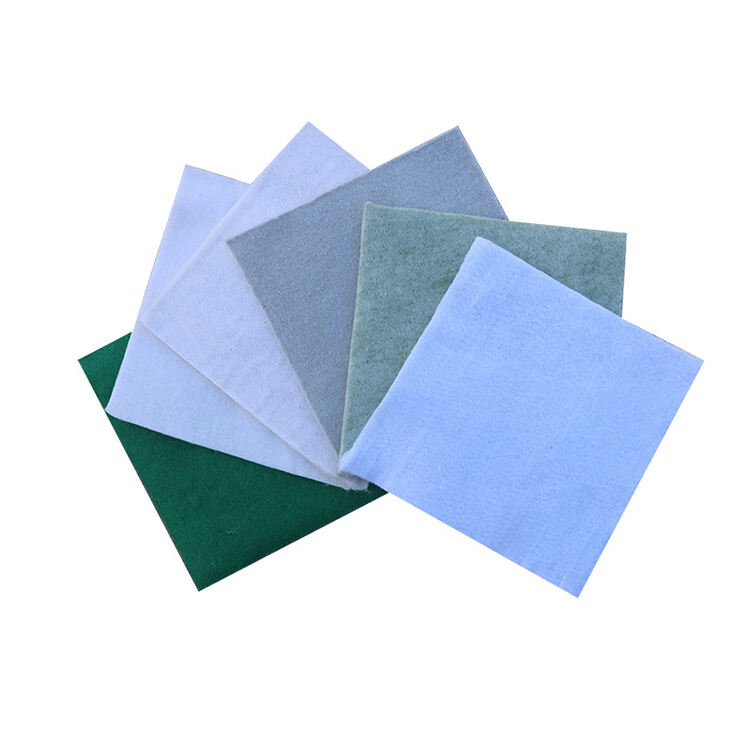
Geotextile for roads represents a revolutionary advancement in modern infrastructure construction, serving as a critical component in creating durable and long-lasting roadway systems. This specialized engineered fabric is manufactured from synthetic polymers, typically polypropylene or polyester, designed to enhance the structural integrity and performance of road construction projects. The primary function of geotextile for roads involves separation, filtration, reinforcement, and drainage applications that significantly improve pavement longevity and reduce maintenance costs. These high-performance materials act as a barrier between different soil layers, preventing intermixing of materials while allowing water passage through their permeable structure. The technological features of geotextile for roads include exceptional tensile strength, puncture resistance, and chemical stability that withstand harsh environmental conditions and heavy traffic loads. Advanced manufacturing processes create fabrics with precise pore sizes and distribution patterns, ensuring optimal water flow while maintaining structural stability. The applications of geotextile for roads span various construction scenarios, from highway construction and airport runways to parking lots and residential streets. In subgrade stabilization, this material distributes load forces evenly across weak soil areas, preventing rutting and settlement issues that commonly plague road surfaces. The filtration properties of geotextile for roads allow water to pass through while retaining fine soil particles, maintaining proper drainage systems essential for pavement durability. Furthermore, these materials excel in slope protection and erosion control applications, where they prevent soil migration while promoting vegetation growth. The versatility of geotextile for roads extends to rehabilitation projects, where they serve as interlayers between old and new asphalt surfaces, reducing reflective cracking and extending pavement life. Modern geotextile for roads incorporates UV stabilization and chemical resistance treatments, ensuring consistent performance throughout the structure's designed service life.

Popular Products

The advantages of geotextile for roads deliver substantial practical benefits that transform construction outcomes and long-term performance expectations for infrastructure projects. Cost reduction stands as one of the most compelling advantages, as geotextile for roads eliminates the need for excessive excavation and replacement of poor subgrade materials. This material allows contractors to build directly over weak soils by providing adequate support and load distribution, saving thousands of dollars in material costs and labor expenses. The installation process proves remarkably efficient, requiring minimal equipment and specialized training, which accelerates project timelines and reduces overall construction duration. Enhanced pavement performance represents another significant advantage, as geotextile for roads prevents the mixing of aggregate base with subgrade materials, maintaining the structural capacity of each layer throughout the pavement's service life. Water management capabilities provide crucial benefits in areas prone to drainage issues, where geotextile for roads facilitates proper water flow while preventing soil erosion and contamination. The material's ability to distribute loads evenly across weak subgrades reduces stress concentrations that typically lead to premature pavement failure, extending service life by up to fifty percent in many applications. Maintenance reduction becomes a substantial long-term advantage, as structures incorporating geotextile for roads require fewer repairs and rehabilitation cycles, resulting in lower lifecycle costs and reduced traffic disruption. Environmental benefits include reduced material consumption through optimized design, decreased carbon footprint from reduced transportation needs, and improved stormwater management through enhanced filtration capabilities. The versatility advantage allows geotextile for roads to adapt to various soil conditions and loading requirements, making it suitable for diverse project specifications without requiring custom manufacturing. Quality assurance benefits emerge from standardized material properties and consistent performance characteristics that reduce construction variability and ensure predictable outcomes. The durability advantage of geotextile for roads stems from advanced polymer chemistry that resists biological degradation, chemical attack, and physical wear, maintaining structural integrity for decades under normal operating conditions. Construction flexibility allows for installation during various weather conditions, reducing project delays and seasonal construction limitations that often plague traditional methods.

Latest News

 Ensuring Integrity in PE Steel Wire Mesh Skeleton Systems Through Pressure Testing

14

Sep

Ensuring Integrity in PE Steel Wire Mesh Skeleton Systems Through Pressure Testing

View More
 Optimizing Performance and Durability in PE Steel Wire Mesh Skeleton Pipeline Systems

14

Sep

Optimizing Performance and Durability in PE Steel Wire Mesh Skeleton Pipeline Systems

View More
HDPE Fitting: A key component for connecting future pipeline systems

18

Sep

HDPE Fitting: A key component for connecting future pipeline systems

View More
Understanding the Benefits of Dredging Pipelines in Marine Construction

30

Jun

Understanding the Benefits of Dredging Pipelines in Marine Construction

Explore the profound impact of dredging pipelines in modern marine construction. Discover how they enhance efficiency, enable large-scale infrastructure, and support global trade. Learn about key materials like HDPE, PVC, and Polyethylene, and understand future trends in dredging technology.
View More

Get a Free Quote

Our representative will contact you soon.
Email
Mobile
Name
Message
0/1000

geotextile for roads

Superior Load Distribution and Structural Enhancement

Superior Load Distribution and Structural Enhancement

The load distribution capability of geotextile for roads represents a fundamental breakthrough in pavement engineering, addressing one of the most persistent challenges in road construction over weak subgrades. This remarkable feature stems from the material's tensile strength properties and fabric structure, which work together to create a reinforcement membrane that spreads concentrated wheel loads across a broader area of the subgrade. When heavy vehicles traverse roads constructed with geotextile for roads, the fabric acts as a flexible reinforcement layer that captures and redistributes these loads, preventing localized stress concentrations that typically cause rutting, settlement, and premature pavement deterioration. The engineering principle behind this advantage lies in the material's ability to develop tensile resistance when subjected to vertical loading, creating a catenary effect that mobilizes additional bearing capacity from the surrounding soil mass. This load-spreading mechanism proves particularly valuable in areas with soft clay subgrades, organic soils, or other challenging foundation conditions where conventional construction methods would require extensive soil replacement or deep foundation systems. The practical benefits for customers include significant cost savings through reduced material requirements, elimination of costly subgrade improvement measures, and the ability to construct viable roads in previously unsuitable locations. Field studies demonstrate that geotextile for roads can increase the effective bearing capacity of weak subgrades by up to three hundred percent, allowing engineers to design thinner pavement sections while maintaining structural adequacy. The long-term structural enhancement provided by this load distribution mechanism translates into extended pavement life, reduced maintenance requirements, and improved riding quality for end users. Furthermore, the uniform load distribution prevents the development of differential settlement patterns that create uncomfortable driving conditions and accelerate vehicle wear. The installation process for achieving optimal load distribution benefits requires careful attention to proper tensioning and anchorage, ensuring the geotextile for roads remains taut during construction activities and maintains its reinforcement function throughout the pavement's design life. This structural enhancement capability makes geotextile for roads an invaluable tool for engineers working on challenging projects where soil conditions would otherwise necessitate expensive ground improvement solutions or alternative routing decisions.
Advanced Filtration and Separation Technology

Advanced Filtration and Separation Technology

The filtration and separation capabilities of geotextile for roads represent sophisticated engineering solutions that address critical issues in pavement construction and long-term performance maintenance. This advanced technology combines precise pore size engineering with polymer chemistry to create materials that selectively allow water passage while retaining soil particles, preventing the intermixing of different granular materials that can compromise pavement integrity. The separation function of geotextile for roads maintains the distinct properties of each pavement layer by creating a stable interface between the subgrade and aggregate base course, preserving the load-carrying capacity and drainage characteristics that engineers design into pavement systems. This separation mechanism prevents the migration of fine subgrade particles into the coarser aggregate base, a phenomenon known as pumping that leads to base contamination, reduced structural capacity, and accelerated pavement deterioration. The filtration aspect operates through carefully controlled pore openings that permit water flow while restricting the passage of soil particles, maintaining effective drainage systems essential for pavement durability and performance. The engineering behind this technology involves sophisticated manufacturing processes that create uniform pore size distribution patterns, ensuring consistent filtration performance across the entire fabric area while maintaining adequate permeability for drainage applications. For customers, these filtration and separation benefits translate into substantial long-term value through reduced maintenance costs, extended pavement life, and improved performance under challenging environmental conditions. The material's ability to maintain separation integrity under dynamic loading conditions ensures that pavement layers retain their designed properties throughout multiple freeze-thaw cycles, heavy traffic loading, and seasonal moisture variations. Quality control testing for geotextile for roads includes rigorous evaluation of apparent opening size, permeability, and particle retention characteristics to ensure optimal filtration performance in field applications. The practical implementation of this technology requires understanding of soil gradations and hydraulic conditions to select appropriate geotextile for roads specifications that match project-specific requirements. Environmental benefits include improved stormwater management through enhanced infiltration rates and reduced runoff contamination, contributing to sustainable infrastructure development goals. The versatility of filtration and separation functions allows geotextile for roads to serve multiple engineering purposes simultaneously, maximizing value and simplifying construction logistics while ensuring comprehensive pavement protection throughout the design service life.
Exceptional Durability and Chemical Resistance

Exceptional Durability and Chemical Resistance

The durability characteristics of geotextile for roads establish these materials as long-term infrastructure investments that withstand decades of service under demanding environmental and loading conditions. This exceptional longevity stems from advanced polymer chemistry and manufacturing techniques that create materials resistant to biological degradation, chemical attack, ultraviolet radiation, and mechanical wear that typically compromise traditional construction materials over time. The chemical resistance properties of geotextile for roads enable these materials to maintain structural integrity when exposed to deicing salts, petroleum products, alkaline conditions from concrete and lime-stabilized soils, and various industrial chemicals commonly encountered in roadway environments. This resistance extends to biological attack from microorganisms, insects, and rodents that can compromise natural fiber materials, ensuring consistent performance throughout the pavement's design life without degradation concerns. The manufacturing process incorporates UV stabilization additives that protect geotextile for roads from photodegradation when exposed to sunlight during construction and in applications where the material remains partially exposed. Temperature stability represents another crucial durability aspect, as these materials maintain their physical properties across extreme temperature ranges from arctic freezing conditions to tropical heat, ensuring reliable performance regardless of climate conditions. For customers, this durability translates into significant economic advantages through reduced lifecycle costs, minimal maintenance requirements, and predictable long-term performance that supports accurate lifecycle cost analysis and infrastructure planning decisions. The quality assurance protocols for geotextile for roads include accelerated aging tests that simulate decades of service life to verify durability characteristics and ensure materials meet or exceed design expectations. Field performance data accumulated over several decades demonstrate that properly installed geotextile for roads maintain their engineering properties and continue providing structural benefits well beyond typical pavement design periods. The installation durability of these materials allows them to withstand construction traffic, equipment loading, and placement stresses without damage, reducing construction delays and ensuring installation quality. Warranty programs for geotextile for roads often extend for multiple decades, reflecting manufacturer confidence in material durability and providing customers with long-term performance assurance. The sustainable aspects of this durability include reduced material replacement requirements, decreased construction impacts from maintenance activities, and extended infrastructure service life that maximizes resource utilization efficiency. Environmental testing confirms that geotextile for roads maintain their properties when exposed to freeze-thaw cycling, wet-dry conditions, and chemical environments typical of roadway applications, ensuring reliable performance across diverse geographic and climatic conditions throughout their service life.

Inquiry High-Performance Geotextile for Roads: Advanced Infrastructure Solutions for Durable Pavement Construction Inquiry High-Performance Geotextile for Roads: Advanced Infrastructure Solutions for Durable Pavement Construction High-Performance Geotextile for Roads: Advanced Infrastructure Solutions for Durable Pavement Construction High-Performance Geotextile for Roads: Advanced Infrastructure Solutions for Durable Pavement Construction
Write down your question

We are not only a product manufacturer, but also a solution provider. Whether you have questions or quotation requests, we will help you.

Get a Quote

Contact Us

Your email address will not be published. Required fields are marked *
Email
Name
Mobile
Message
0/1000