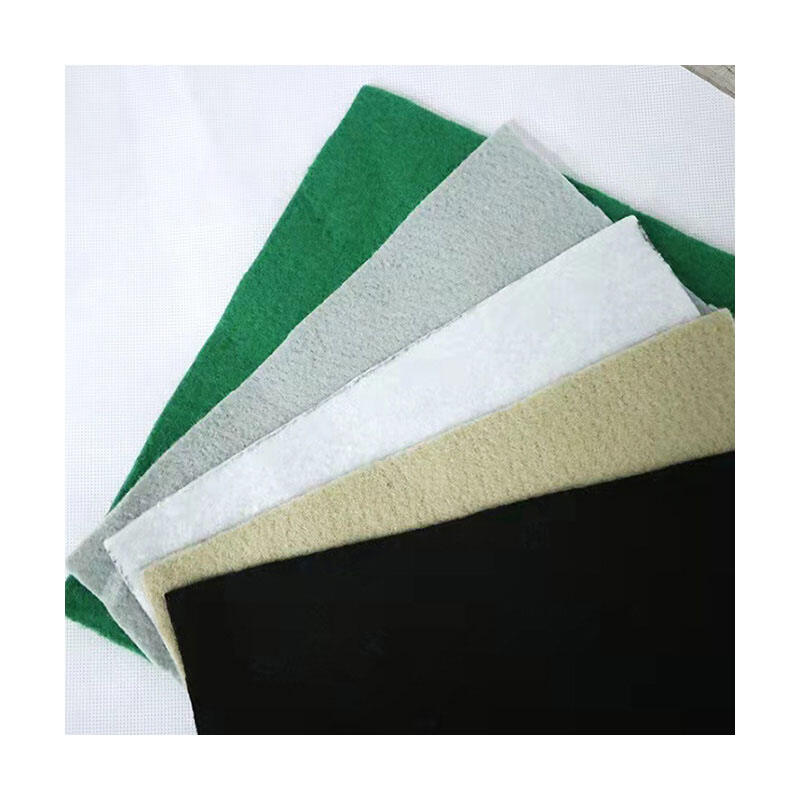
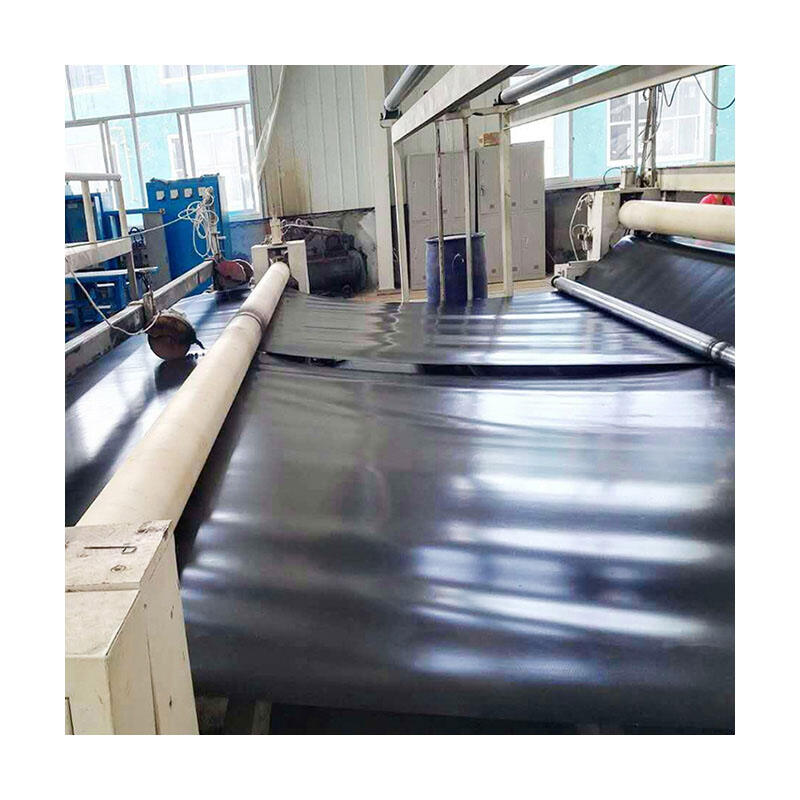
non woven polyester geotextile
Non woven polyester geotextile represents a cutting-edge engineering material that revolutionizes soil stabilization and environmental protection projects worldwide. This synthetic fabric consists of continuous polyester fibers that undergo a specialized manufacturing process, creating a durable and versatile textile solution for various construction and landscaping applications. The non woven polyester geotextile functions primarily as a separation barrier, filtration medium, and reinforcement layer in civil engineering projects, offering superior performance compared to traditional materials. Its technological features include exceptional tensile strength, chemical resistance, and permeability characteristics that make it indispensable for modern infrastructure development. The material exhibits remarkable durability under harsh environmental conditions, maintaining structural integrity even when exposed to UV radiation, temperature fluctuations, and chemical contaminants. Construction professionals rely on non woven polyester geotextile for road construction, drainage systems, retaining walls, and erosion control measures. The fabric effectively prevents soil migration while allowing water passage, creating stable foundations for heavy-duty applications. Its lightweight nature simplifies installation procedures, reducing labor costs and project timelines significantly. The non woven polyester geotextile demonstrates superior puncture resistance and tear strength, ensuring long-term performance in demanding environments. Environmental sustainability remains a key consideration, as this polyester-based material can be recycled and reused in various applications. The fabric's uniform structure provides consistent filtration properties, making it ideal for water treatment facilities and agricultural drainage projects. Quality control measures during manufacturing ensure that each roll of non woven polyester geotextile meets stringent industry standards for thickness, porosity, and mechanical properties. This reliability factor contributes to its widespread adoption across multiple industries, from highway construction to landfill engineering applications.