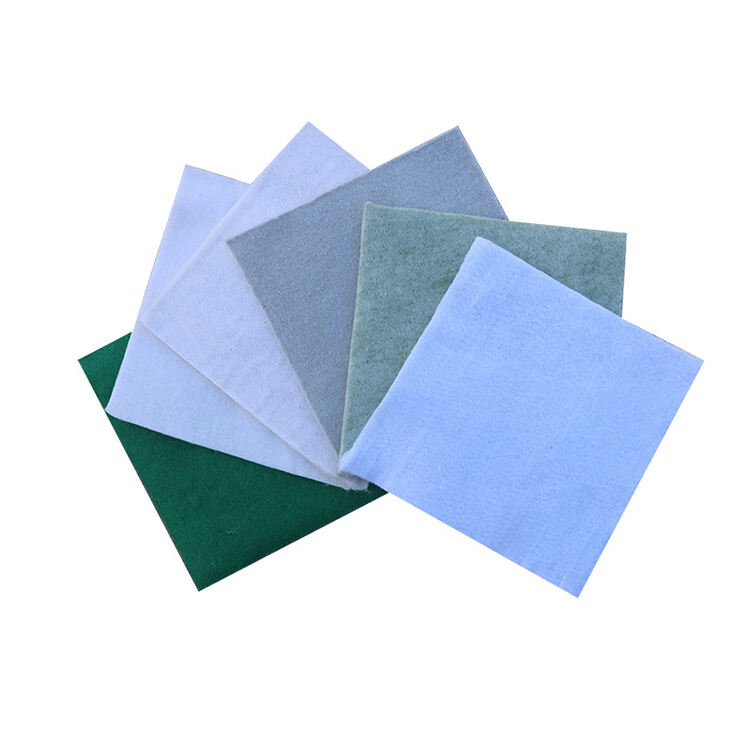
geomembrane and geotextile
Geomembrane and geotextile represent essential components in modern civil engineering and environmental protection projects. These synthetic materials serve as fundamental building blocks for infrastructure development, offering superior performance in challenging construction environments. A geomembrane functions as an impermeable barrier, typically manufactured from high-density polyethylene, PVC, or other polymer materials. This waterproof membrane prevents liquid migration and contamination in various applications. Meanwhile, geotextile operates as a permeable fabric that provides separation, filtration, reinforcement, and drainage capabilities. Together, these materials create comprehensive solutions for complex engineering challenges. The technological features of geomembrane include exceptional chemical resistance, UV stability, and mechanical strength. Modern manufacturing processes ensure consistent thickness and quality control, resulting in reliable long-term performance. The material exhibits excellent flexibility, allowing installation over irregular surfaces without compromising integrity. Temperature resistance ranges enable operation in diverse climatic conditions, from arctic environments to tropical regions. Geotextile technology incorporates advanced fiber engineering, utilizing polypropylene, polyester, or other synthetic materials woven or non-woven into specific configurations. The fabric structure controls permeability rates while maintaining tensile strength and puncture resistance. Applications span numerous industries including waste management, mining operations, transportation infrastructure, and water resource management. Landfill construction relies heavily on geomembrane and geotextile systems for environmental protection and structural stability. Highway construction utilizes these materials for subgrade stabilization and pavement performance enhancement. Mining operations implement geomembrane liners for heap leach pads, tailings storage, and groundwater protection. Water treatment facilities depend on geomembrane barriers for pond lining and containment systems. Agricultural applications include irrigation canal lining and aquaculture pond construction, where water conservation and contamination prevention remain critical priorities for sustainable farming practices.