fibre geotextile
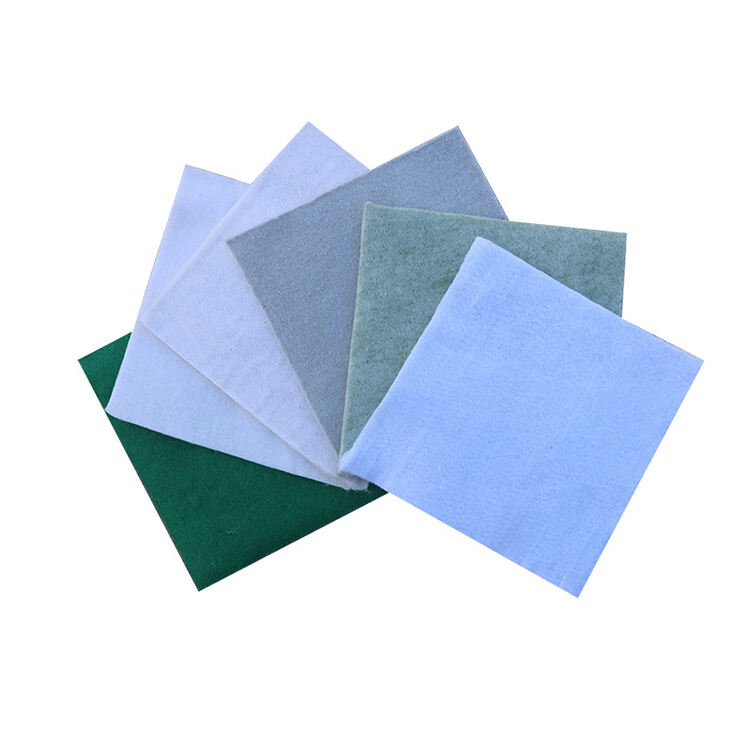
Fibre geotextile represents a revolutionary advancement in civil engineering and construction materials, offering exceptional performance in soil stabilization, drainage, and erosion control applications. This innovative synthetic textile material consists of permeable fabrics manufactured from polypropylene, polyester, or polyethylene fibers that are mechanically bonded, thermally bonded, or needle-punched together. The fibre geotextile serves multiple critical functions including separation, filtration, reinforcement, and protection in various construction projects. Its primary technological features include high tensile strength, excellent puncture resistance, superior chemical stability, and outstanding hydraulic properties that make it indispensable for modern infrastructure development. The separation function prevents intermixing of different soil layers while maintaining structural integrity, ensuring long-term project stability. As a filtration medium, fibre geotextile allows water passage while retaining soil particles, preventing clogging and maintaining proper drainage systems. The reinforcement capability distributes loads effectively across weak subgrade soils, significantly improving bearing capacity and reducing settlement issues. Protection functionality shields underlying materials from damage during construction and throughout the service life. Applications span across road construction, railway infrastructure, embankment stabilization, coastal protection, landfill engineering, and drainage systems. In road construction, fibre geotextile enhances pavement performance by preventing rutting and cracking while extending service life. Railway applications benefit from improved track stability and reduced maintenance requirements. Coastal engineering projects utilize fibre geotextile for shoreline protection and breakwater construction. Landfill applications include liner protection, leachate collection, and gas venting systems. The material demonstrates exceptional resistance to biological degradation, chemical attack, and UV exposure when properly installed. Environmental considerations make fibre geotextile increasingly popular as it supports sustainable construction practices through improved project longevity and reduced material consumption. Installation flexibility allows adaptation to various site conditions and project requirements, making it suitable for both temporary and permanent applications across diverse geographical locations and climate conditions.