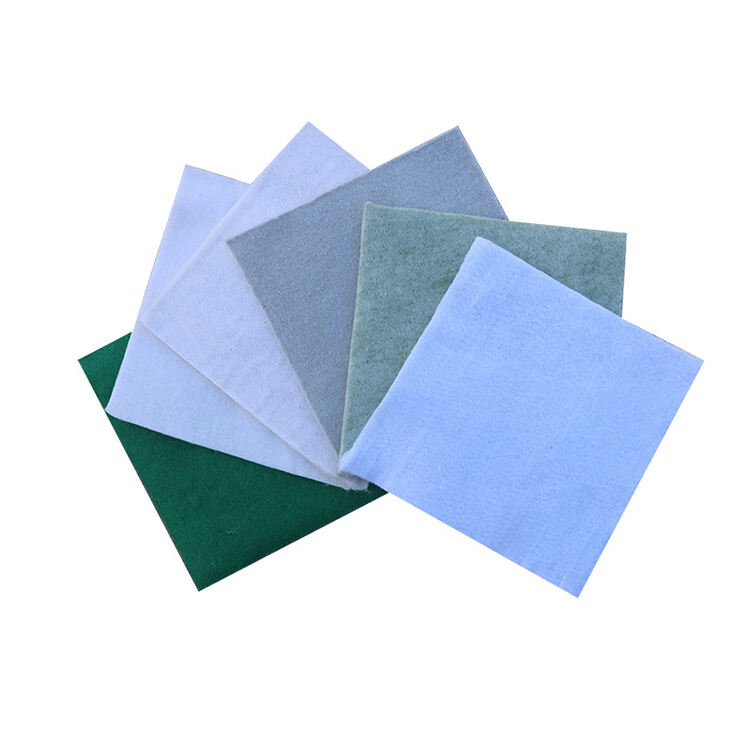
Advanced Geotextile Anticontaminant Solutions - Superior Environmental Protection & Chemical Resistance

Get a Free Quote

Our representative will contact you soon.
Email
Mobile
Name
Message
0/1000

geotextile anticontaminant

Geotextile anticontaminant represents a revolutionary advancement in environmental protection and civil engineering applications. This specialized synthetic material combines the proven benefits of traditional geotextiles with enhanced contamination resistance properties, creating an essential barrier solution for modern construction and environmental projects. The geotextile anticontaminant functions as a permeable fabric made from polypropylene, polyester, or other synthetic fibers that have been treated with antimicrobial agents and chemical-resistant coatings. Its primary functions encompass soil stabilization, drainage facilitation, filtration, and most importantly, contamination prevention in sensitive environments. The technological features of geotextile anticontaminant include superior tensile strength, excellent puncture resistance, and remarkable chemical stability that maintains integrity when exposed to various contaminants including oils, heavy metals, and organic compounds. The material exhibits exceptional UV resistance and thermal stability, ensuring long-term performance under extreme weather conditions. Its permeable structure allows water passage while blocking harmful substances, making it ideal for environmental remediation projects. The geotextile anticontaminant incorporates advanced manufacturing processes that embed antimicrobial properties throughout the fiber matrix, preventing biological contamination and bacterial growth. Applications for this versatile material span multiple industries including waste management facilities, landfill construction, mining operations, and groundwater protection systems. In transportation infrastructure, the geotextile anticontaminant serves as a protective barrier beneath roadways and railways, preventing contamination from vehicle fluids and industrial spills. Environmental restoration projects utilize this material for soil remediation and ecosystem protection, while agricultural applications benefit from its ability to prevent pesticide and fertilizer leaching into groundwater systems.


New Product Recommendations

The geotextile anticontaminant delivers substantial cost savings through its multi-functional design that eliminates the need for multiple barrier systems. Property owners and contractors benefit from reduced installation time and labor costs since one material handles filtration, separation, and contamination control simultaneously. This efficiency translates to faster project completion and lower overall expenses compared to traditional multi-layer protection systems. The material provides exceptional durability that extends project lifespans significantly, reducing maintenance requirements and replacement costs over time. Environmental protection stands as a primary advantage, with the geotextile anticontaminant creating reliable barriers against harmful chemical migration into soil and groundwater. This protection capability helps organizations meet strict environmental regulations while avoiding costly contamination cleanup expenses. The material actively prevents pollution spread, making it invaluable for industrial facilities handling hazardous materials. Installation flexibility represents another key benefit, as the geotextile anticontaminant adapts to various terrain conditions and project requirements. Its lightweight nature simplifies transportation and handling while maintaining robust performance characteristics. The material conforms to irregular surfaces and withstands heavy equipment loads during construction activities. Water management benefits include excellent drainage properties that prevent water accumulation while blocking contaminant passage. This dual functionality prevents flooding issues while maintaining environmental protection standards. The geotextile anticontaminant resists clogging better than traditional materials, ensuring consistent water flow throughout its service life. Chemical resistance properties protect against a wide range of industrial substances, acids, and alkaline solutions that would damage conventional materials. This resistance capability makes the geotextile anticontaminant suitable for harsh industrial environments where chemical exposure is common. Long-term performance reliability reduces the need for frequent inspections and repairs, providing peace of mind for project managers and facility operators. The material maintains its protective properties for decades, delivering consistent contamination control throughout extended service periods.

Latest News

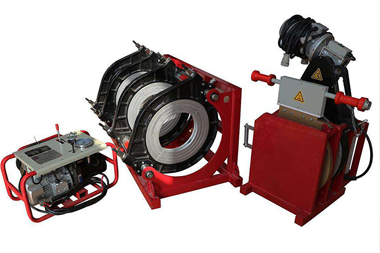
HDPE Welding Machine: A technological tool that shapes a new era of pipeline connection

18

Sep

HDPE Welding Machine: A technological tool that shapes a new era of pipeline connection

View More
Why HDPE Double Wall Corrugated Pipes Are Ideal for Stormwater Management

24

Jun

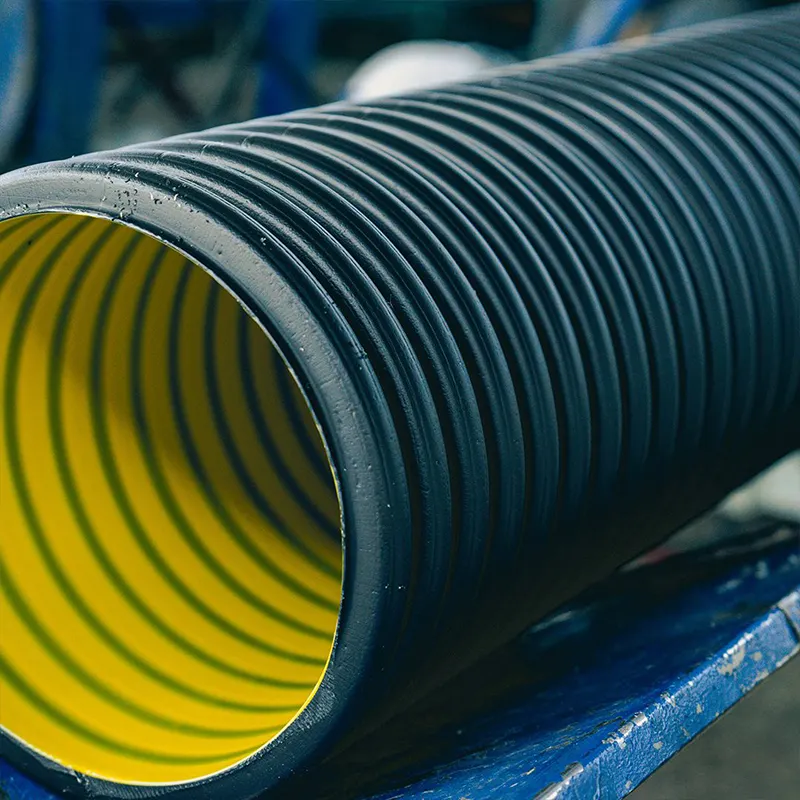
Why HDPE Double Wall Corrugated Pipes Are Ideal for Stormwater Management

Explore the growing significance of stormwater management amid urbanization and climate change. Discover how HDPE double wall corrugated pipes enhance infrastructure resilience, offering superior load-bearing capacity, corrosion resistance, and sustainability benefits.
View More
How to Choose the Right Dredging Pipeline for Your Project

30

Jun

How to Choose the Right Dredging Pipeline for Your Project

Explore the key requirements for dredging pipelines, including sediment type, project scope, and environmental regulations, to ensure optimal performance and compliance with industry standards. Learn about HDPE pipe advantages and considerations for efficient sediment transport.
View More
Choosing the Right HDPE Pipes for Your Industrial Applications

24

Jun

Choosing the Right HDPE Pipes for Your Industrial Applications

Discover the core selection criteria for industrial HDPE pipes, including pressure and temperature specifications, chemical resistance, and application-specific considerations for industries like water management, oil & gas, and mining operations. Learn about HDPE's advantages in corrosion resistance, long-term durability, and environmental impact, along with best practices for installation and maintenance. Perfect for those seeking sustainable and efficient industrial solutions.
View More

Get a Free Quote

Our representative will contact you soon.
Email
Mobile
Name
Message
0/1000

geotextile anticontaminant

Superior Chemical Resistance Technology

Superior Chemical Resistance Technology

The geotextile anticontaminant incorporates state-of-the-art chemical resistance technology that sets it apart from conventional protective materials. This advanced feature utilizes specially formulated synthetic polymers that maintain structural integrity when exposed to aggressive chemicals, petroleum products, and industrial solvents. The manufacturing process involves treating individual fibers with proprietary chemical-resistant coatings that create multiple layers of protection against contaminant penetration. This technology ensures the geotextile anticontaminant continues functioning effectively even in the most challenging chemical environments, including petrochemical facilities, waste treatment plants, and industrial manufacturing sites. The chemical resistance extends beyond surface protection, penetrating throughout the fiber matrix to provide comprehensive contamination defense. Testing demonstrates the material withstands prolonged exposure to acids with pH levels as low as 2.0 and alkaline solutions exceeding pH 12.0 without degradation. This exceptional resistance prevents chemical breakthrough that could compromise environmental protection systems. The technology also incorporates molecular-level barriers that block specific contaminants while allowing beneficial water passage. Industrial facilities handling hazardous materials rely on this superior chemical resistance to prevent costly environmental incidents and regulatory violations. The geotextile anticontaminant maintains its protective properties across temperature variations from -40°F to 200°F, ensuring reliable performance in diverse climatic conditions. This temperature stability combined with chemical resistance creates an unparalleled protection system for long-term contamination control. The advanced polymer structure resists degradation from UV exposure, ozone, and oxidizing agents that typically damage standard materials. Quality control testing verifies each production batch meets stringent chemical resistance standards before distribution, guaranteeing consistent performance for end users.
Antimicrobial Protection System

Antimicrobial Protection System

The geotextile anticontaminant features an integrated antimicrobial protection system that prevents biological contamination and maintains hygienic conditions in sensitive applications. This innovative system incorporates silver-ion technology and other antimicrobial agents directly into the fiber structure during manufacturing, creating permanent protection that does not wash out or degrade over time. The antimicrobial properties actively eliminate bacteria, fungi, viruses, and other microorganisms that could compromise system integrity or create health hazards. This protection proves essential in applications involving organic waste, sewage treatment, and food processing facilities where biological contamination poses significant risks. The antimicrobial system works continuously, providing 24/7 protection against microbial growth without requiring additional treatments or maintenance procedures. Laboratory testing confirms the geotextile anticontaminant achieves 99.9% reduction in common pathogenic bacteria within 24 hours of contact. This effectiveness extends to antibiotic-resistant strains and emerging biological threats that challenge conventional protection methods. The antimicrobial technology prevents biofilm formation that could clog pores and reduce filtration efficiency, maintaining optimal performance throughout the material's service life. Healthcare facilities and pharmaceutical manufacturing plants benefit from this biological protection when installing foundation barriers and contamination control systems. The antimicrobial properties complement chemical resistance features, creating comprehensive protection against both biological and chemical contaminants simultaneously. Environmental applications gain significant value from this dual protection, particularly in projects involving contaminated soil remediation where both chemical and biological hazards exist. The antimicrobial system operates through multiple mechanisms including cell wall disruption and enzyme inhibition, ensuring effectiveness against diverse microorganism types. This broad-spectrum protection eliminates concerns about pathogen adaptation or resistance development that could compromise long-term effectiveness.
Advanced Permeability Control

Advanced Permeability Control

The geotextile anticontaminant utilizes advanced permeability control technology that optimizes water flow while preventing contaminant migration, delivering precise filtration performance for diverse applications. This sophisticated system employs engineered pore structures that create selective barriers based on particle size and chemical properties. The technology allows beneficial water passage at controlled rates while blocking harmful substances, creating an intelligent filtration system that adapts to varying environmental conditions. Manufacturing processes carefully control fiber density and pore distribution to achieve optimal permeability characteristics for specific applications. The geotextile anticontaminant maintains consistent permeability rates across its entire surface area, eliminating weak points that could compromise protection effectiveness. This uniformity ensures reliable performance regardless of installation orientation or environmental stresses. The advanced permeability system prevents clogging through self-cleaning mechanisms that maintain open pathways for water flow. Hydraulic testing demonstrates the material sustains design flow rates for extended periods without performance degradation. The controlled permeability prevents hydrostatic pressure buildup that could damage underlying structures or compromise system stability. Engineering calculations verify the geotextile anticontaminant provides adequate drainage capacity for storm water management while maintaining contamination barriers. The permeability control system accommodates varying soil conditions and groundwater levels, automatically adjusting to maintain optimal performance. Fine particle retention capabilities prevent soil migration while allowing groundwater recharge in environmental restoration projects. The technology incorporates gradient control features that direct water flow patterns to optimize drainage efficiency and contamination prevention. Quality assurance testing validates permeability performance under various pressure conditions and temperature ranges. The advanced system maintains functionality during freeze-thaw cycles that damage conventional materials, ensuring year-round protection in temperate climates. Installation flexibility allows customization of permeability characteristics based on site-specific requirements and regulatory standards.
Inquiry Advanced Geotextile Anticontaminant Solutions - Superior Environmental Protection & Chemical Resistance Inquiry Advanced Geotextile Anticontaminant Solutions - Superior Environmental Protection & Chemical Resistance Advanced Geotextile Anticontaminant Solutions - Superior Environmental Protection & Chemical Resistance Advanced Geotextile Anticontaminant Solutions - Superior Environmental Protection & Chemical Resistance
Write down your question

We are not only a product manufacturer, but also a solution provider. Whether you have questions or quotation requests, we will help you.

Get a Quote

Contact Us

Your email address will not be published. Required fields are marked *
Email
Name
Mobile
Message
0/1000