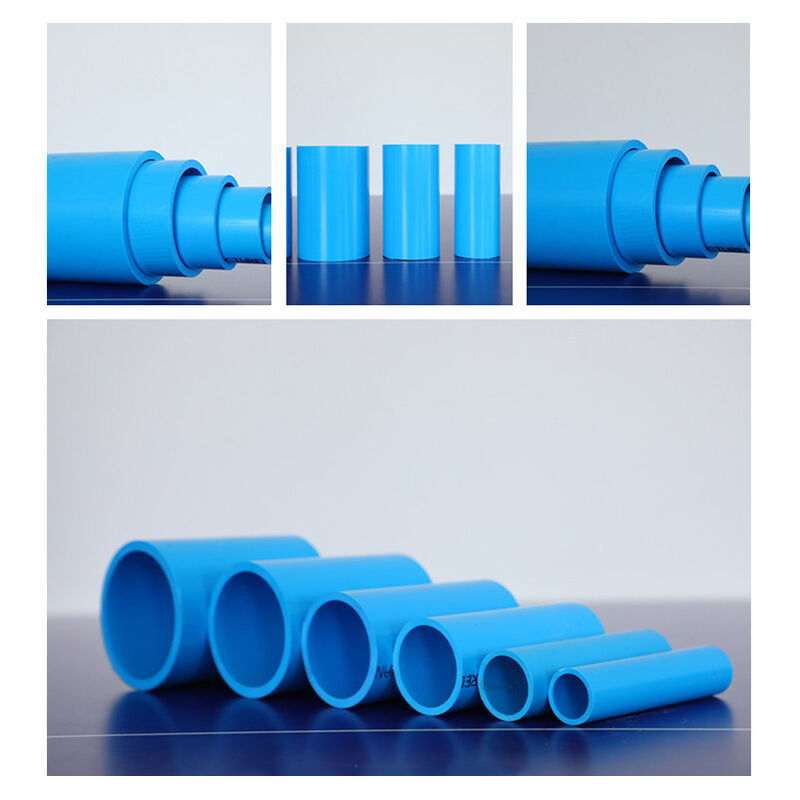
hdpe spigot fittings
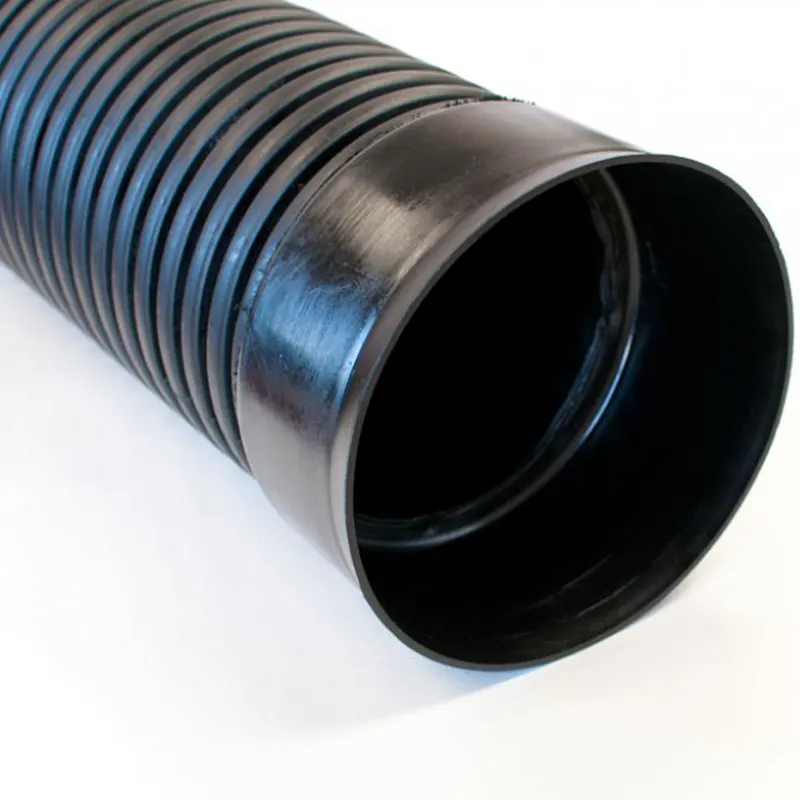
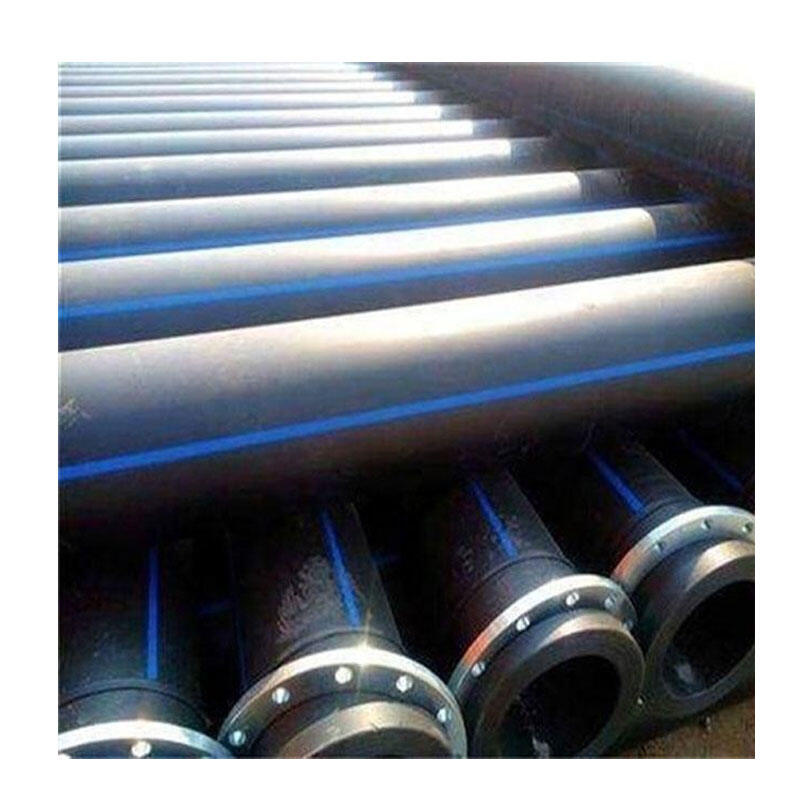
HDPE spigot fittings represent a revolutionary advancement in modern piping systems, combining the exceptional properties of high-density polyethylene with innovative connection technology. These specialized fittings utilize a spigot and socket joint design that creates secure, leak-proof connections without requiring additional tools or complex installation procedures. The spigot end features a precisely engineered male connection that inserts seamlessly into the corresponding female socket, establishing a mechanical joint that maintains structural integrity under various operating conditions. The technological foundation of hdpe spigot fittings relies on the superior material properties of high-density polyethylene, including excellent chemical resistance, UV stability, and remarkable flexibility. This thermoplastic material demonstrates exceptional durability against environmental stressors, temperature fluctuations, and corrosive substances commonly encountered in industrial applications. The manufacturing process employs advanced injection molding techniques that ensure consistent wall thickness, precise dimensional tolerances, and optimal material distribution throughout each fitting component. These hdpe spigot fittings incorporate sophisticated sealing mechanisms that prevent water infiltration while accommodating thermal expansion and contraction cycles typical in buried pipeline installations. The primary functions encompass connecting straight pipe sections, creating branch connections, facilitating direction changes, and providing maintenance access points within comprehensive piping networks. Applications span across municipal water distribution systems, sewage collection networks, agricultural irrigation infrastructure, industrial process piping, and residential plumbing installations. The versatility of hdpe spigot fittings extends to telecommunications conduit systems, electrical cable protection, and specialized applications requiring corrosion-resistant fluid transport solutions. Installation procedures remain straightforward, requiring minimal specialized training while delivering professional-grade results that meet stringent industry standards for pressure ratings, joint integrity, and long-term performance reliability across diverse environmental conditions.