Chemical Resistance and Water Quality Preservation
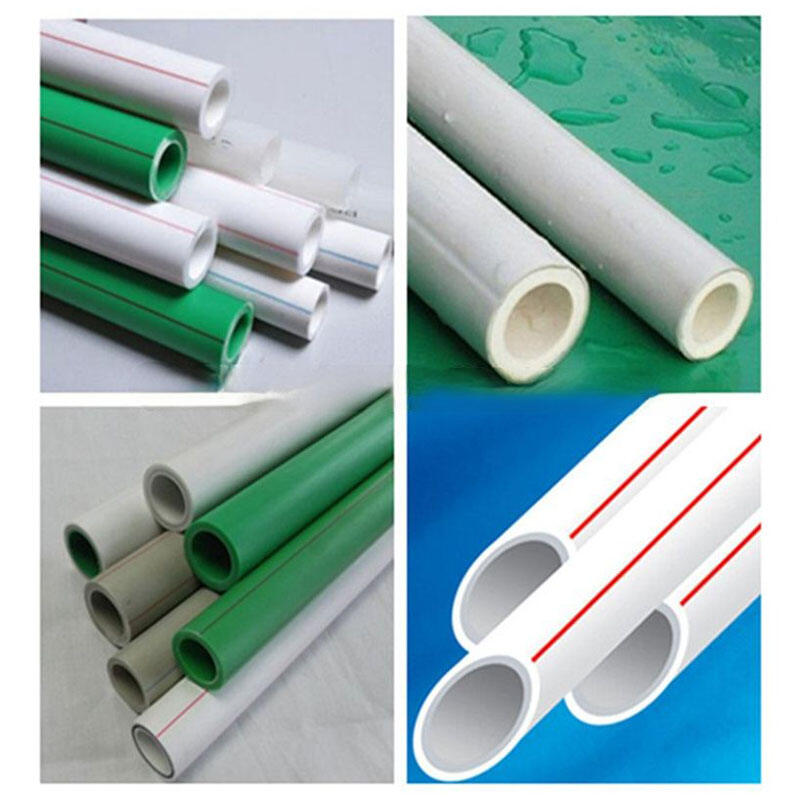
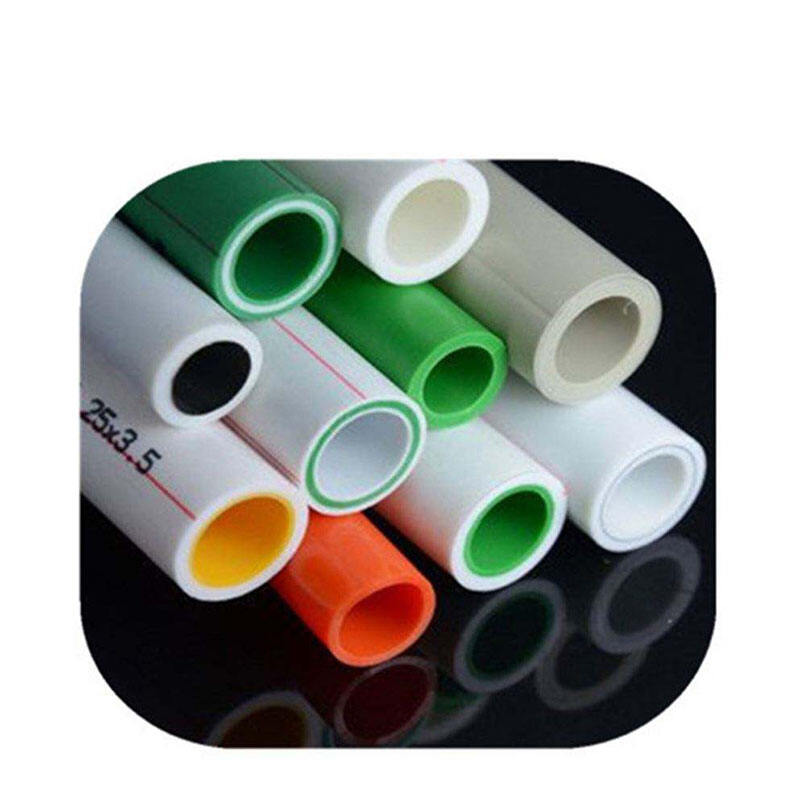
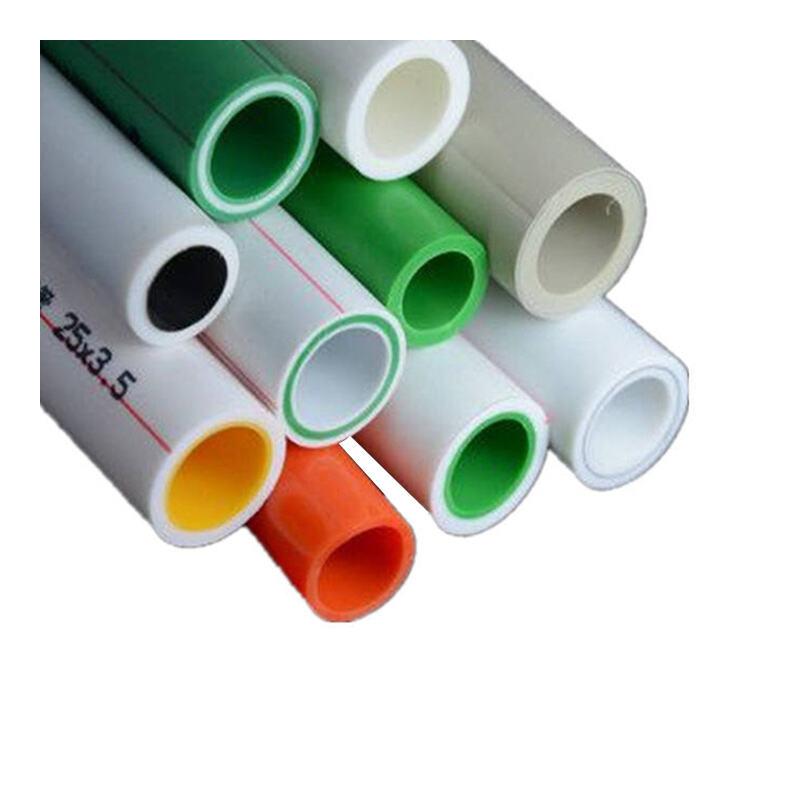
The outstanding chemical resistance properties of hot and cold water ppr pipe systems ensure pristine water quality while protecting against corrosion, scale formation, and bacterial contamination that commonly affect traditional piping materials. The inert polymer composition resists interaction with water treatment chemicals, including chlorine, chloramines, and pH adjustment compounds used in municipal water systems, preventing material degradation and maintaining system integrity over extended periods. This chemical stability means hot and cold water ppr pipe systems do not contribute metallic tastes, odors, or discoloration to water supplies, preserving the natural taste and appearance of drinking water throughout the distribution network. The smooth interior surface prevents biofilm formation and bacterial adhesion, reducing health risks and eliminating the musty odors or taste issues associated with contaminated piping systems. Unlike metal alternatives, these pipes resist acidic water conditions and do not release harmful compounds into the water supply, making them ideal for sensitive applications including hospitals, schools, and food service facilities where water purity is paramount. The non-reactive nature extends to industrial applications where process water may contain various chemicals or additives that would corrode conventional materials, allowing hot and cold water ppr pipe systems to perform reliably in demanding environments. Scale buildup becomes virtually eliminated because the smooth polymer surface does not provide nucleation sites for mineral deposits, maintaining optimal flow rates and system efficiency throughout the operational lifetime. The material composition resists degradation from ultraviolet exposure, oxidizing agents, and environmental pollutants that typically affect outdoor installations or exposed pipe runs, ensuring consistent performance in diverse installation conditions. Water quality testing consistently demonstrates that hot and cold water ppr pipe systems maintain or improve water quality parameters compared to metal alternatives, supporting health and safety requirements in residential and commercial applications. The chemical inertness also means these pipes do not interact with medications, cleaning products, or other substances that may occasionally enter water systems, preventing contamination and maintaining system safety.