marine dredging pipeline systems for deepsea operations
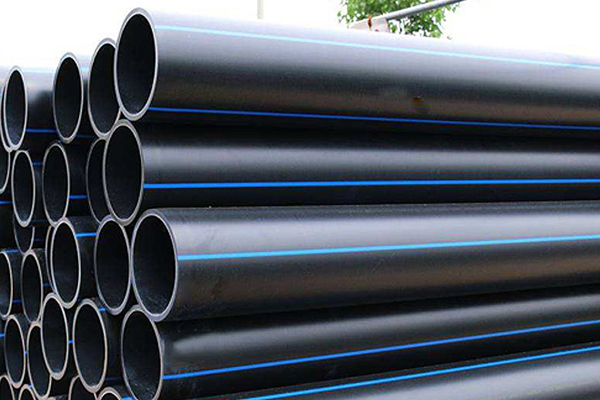
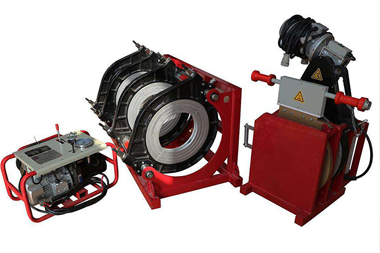
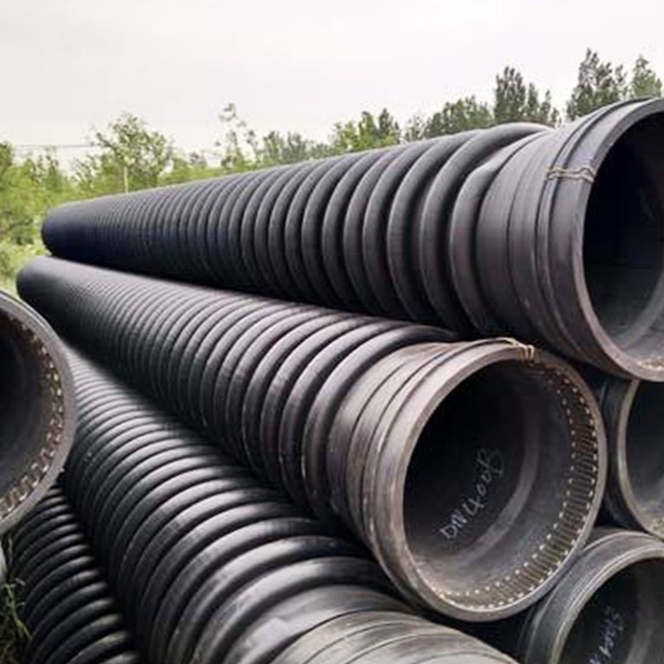
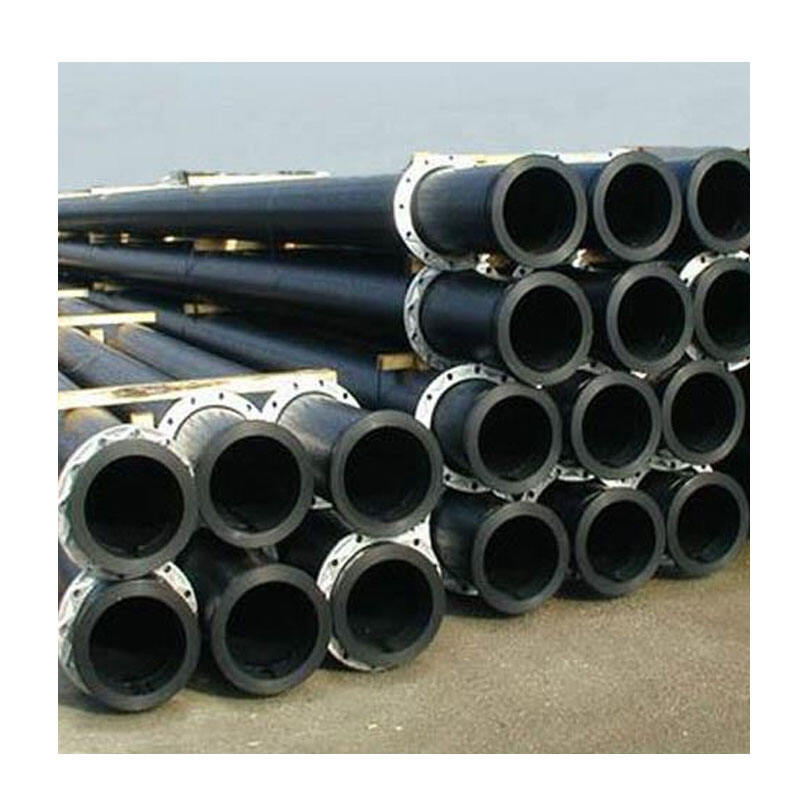
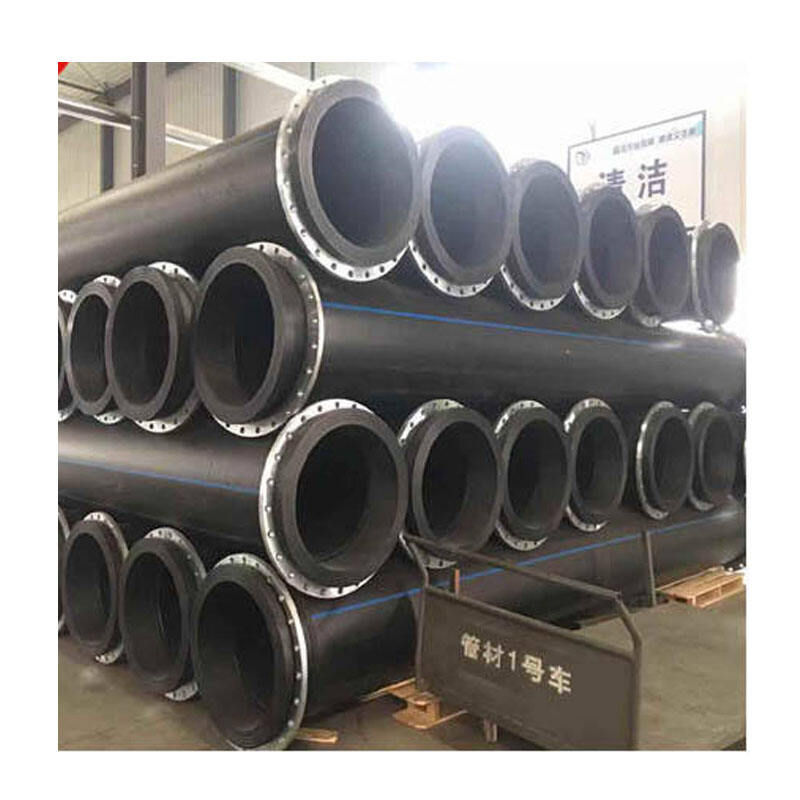
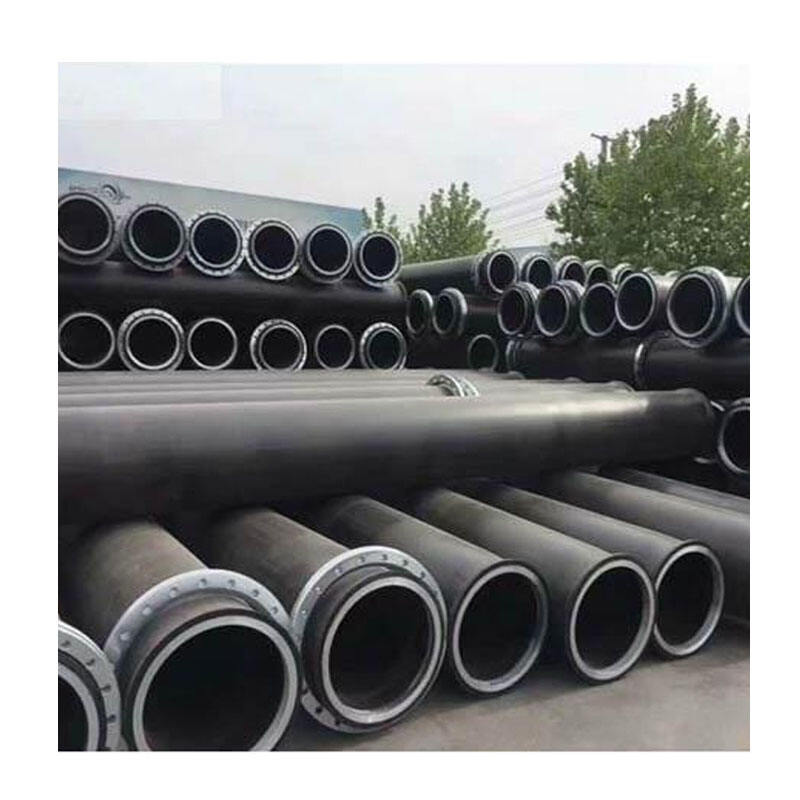
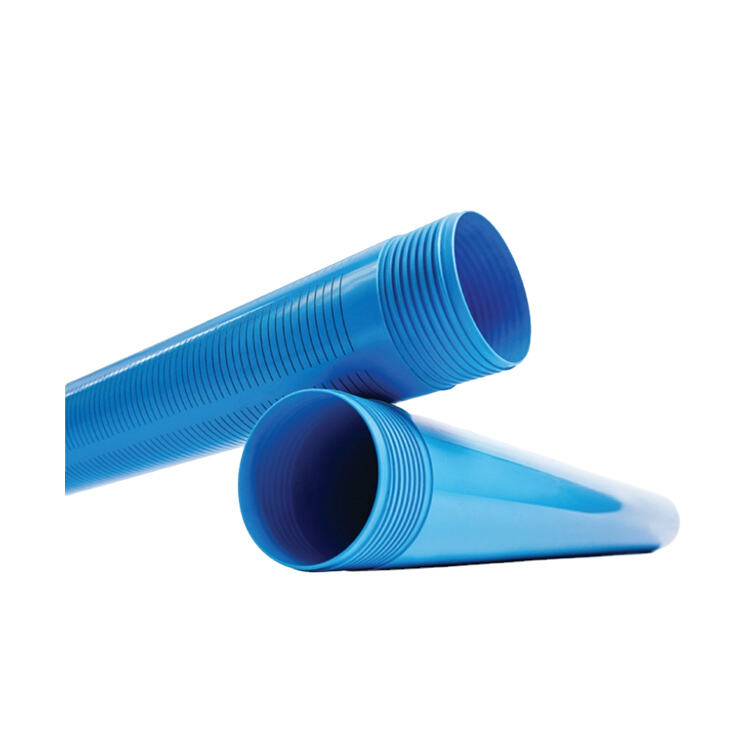
Marine dredging pipeline systems for deepsea operations represent cutting-edge technology designed to extract and transport sediments, minerals, and debris from ocean floors at significant depths. These sophisticated systems combine powerful suction capabilities with robust pipeline networks to efficiently move materials from underwater locations to surface vessels or shore-based facilities. The primary function of marine dredging pipeline systems for deepsea operations involves the removal of accumulated sediments that obstruct shipping channels, harbor entrances, and port facilities, while also facilitating underwater mining activities for valuable resources. The technological architecture of these systems incorporates high-capacity centrifugal pumps, reinforced steel pipelines with specialized joints, and advanced control systems that monitor pressure, flow rates, and material composition throughout the operation. Modern marine dredging pipeline systems for deepsea operations utilize hydraulic cutting heads and rotating tools to break down compacted materials before suction occurs. The pipeline components feature anti-corrosion coatings and flexible connections that withstand extreme underwater pressures and harsh marine environments. Applications for marine dredging pipeline systems for deepsea operations span multiple industries, including port maintenance, coastal restoration projects, offshore construction support, and deep-sea mining ventures. These systems prove essential for maintaining navigational waterways, creating artificial islands, beach nourishment programs, and extracting rare earth minerals from abyssal depths. The integration of GPS positioning technology and remote monitoring capabilities allows operators to precisely control dredging activities while maintaining environmental compliance. Marine dredging pipeline systems for deepsea operations typically operate at depths ranging from 50 meters to over 200 meters, depending on project requirements and equipment specifications. The modular design approach enables customization for specific project needs, ensuring optimal performance across diverse underwater conditions and material types.