highquality dredging pipelines for marine applications
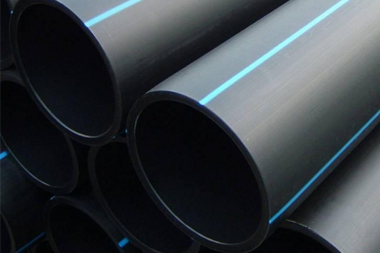
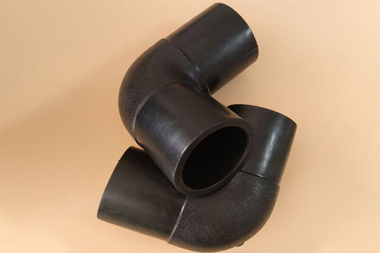
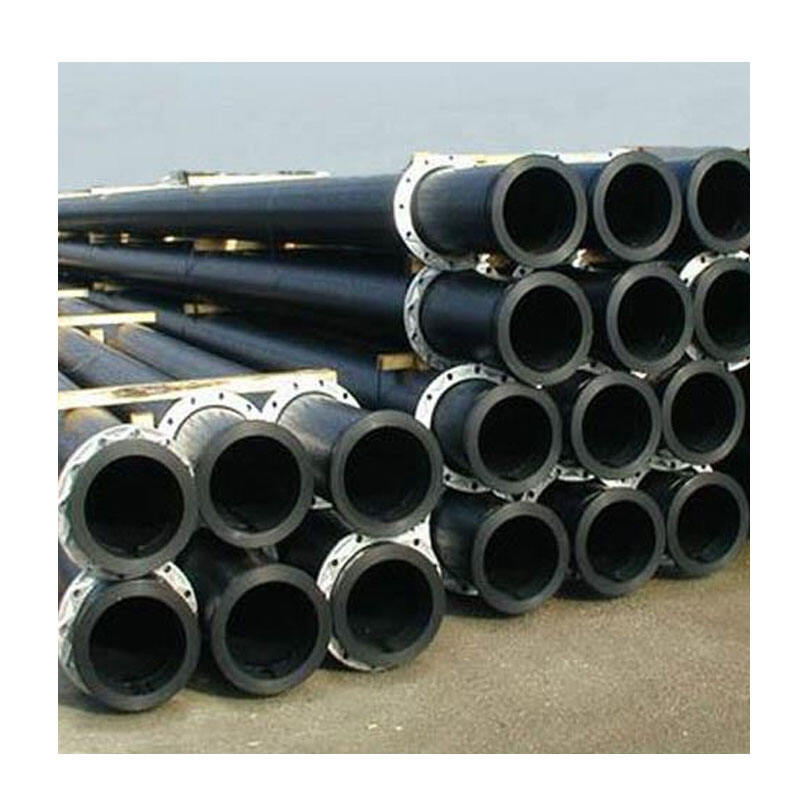
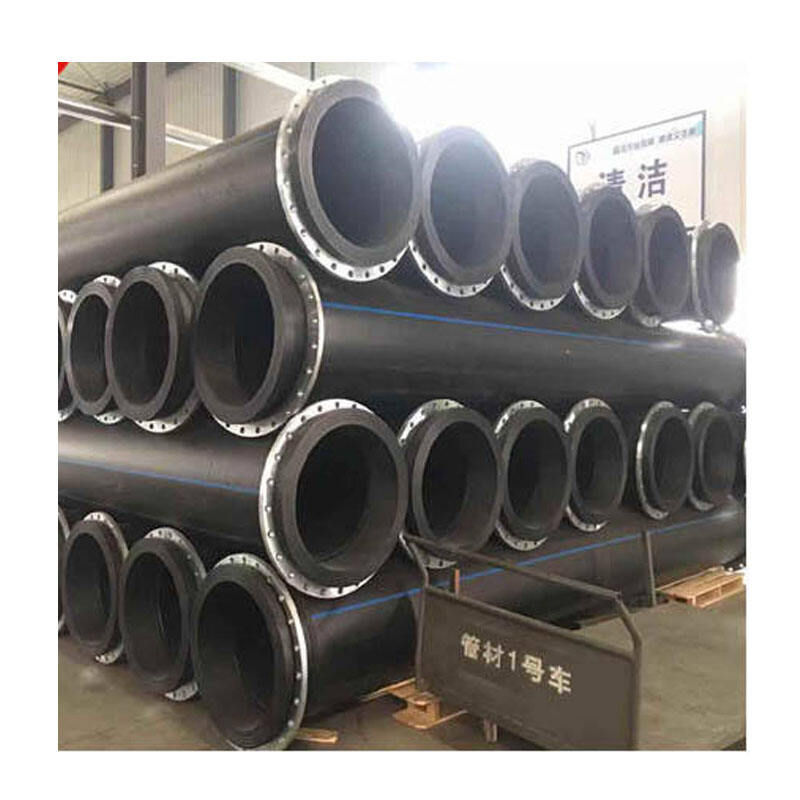
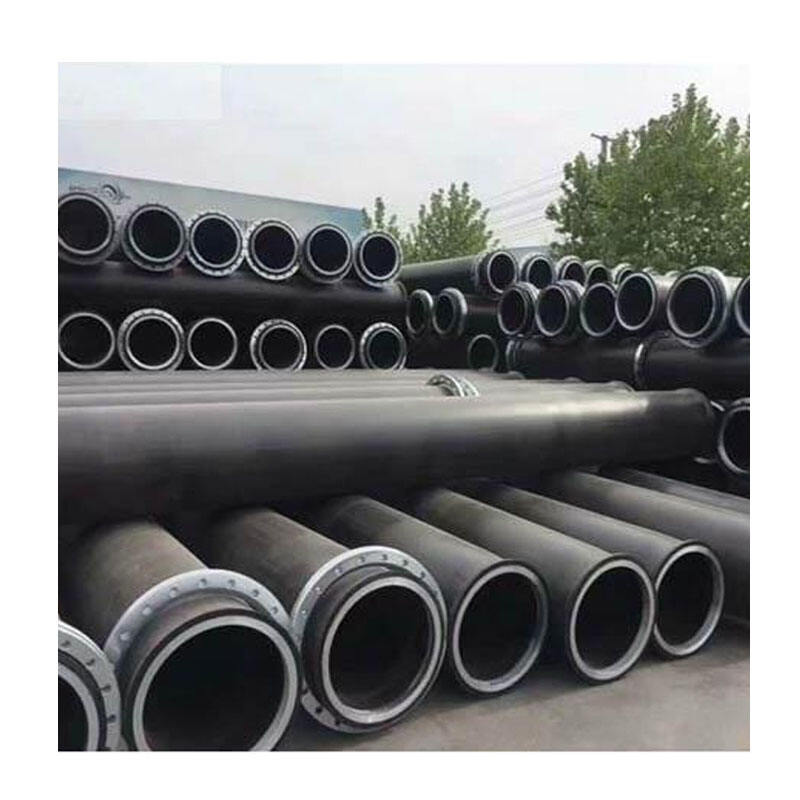
High-quality dredging pipelines for marine applications represent a critical infrastructure component that enables efficient sediment removal and underwater excavation operations across diverse aquatic environments. These specialized pipeline systems are engineered to transport substantial volumes of dredged materials, including sand, silt, clay, and debris, from underwater locations to designated disposal or processing sites. The primary function of these marine dredging pipelines involves creating a continuous conduit that allows hydraulic dredging equipment to maintain consistent material flow while operating in challenging saltwater conditions. Modern high-quality dredging pipelines for marine applications incorporate advanced materials science and precision engineering to deliver exceptional performance under extreme operational pressures and corrosive marine environments. The technological features of these pipeline systems include reinforced polymer compositions, anti-corrosion coatings, flexible joint configurations, and modular assembly designs that facilitate rapid deployment and maintenance. These pipelines utilize high-density polyethylene construction combined with steel reinforcement elements to achieve optimal strength-to-weight ratios while maintaining excellent chemical resistance against saltwater exposure. Advanced coupling mechanisms ensure secure connections between pipeline segments, preventing leakage and maintaining system integrity during prolonged operations. The applications for high-quality dredging pipelines for marine applications span numerous industries, including port development, coastal restoration projects, offshore construction, beach nourishment initiatives, and environmental remediation efforts. Marine contractors rely on these pipeline systems for harbor deepening projects, channel maintenance operations, and land reclamation activities that require precise material placement. The versatility of these pipelines enables their use in both shallow coastal waters and deep-sea environments, accommodating various dredging vessel configurations and operational requirements. Additionally, these systems support environmental protection initiatives by facilitating contaminated sediment removal and habitat restoration projects in sensitive marine ecosystems.