Exceptional Chemical Resistance and Longevity
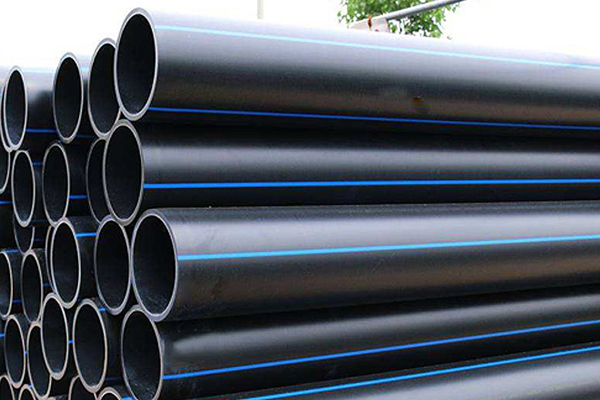
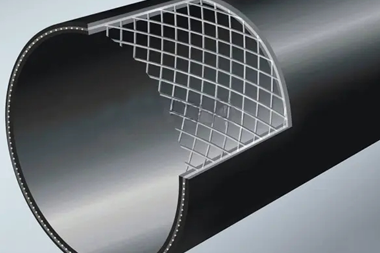
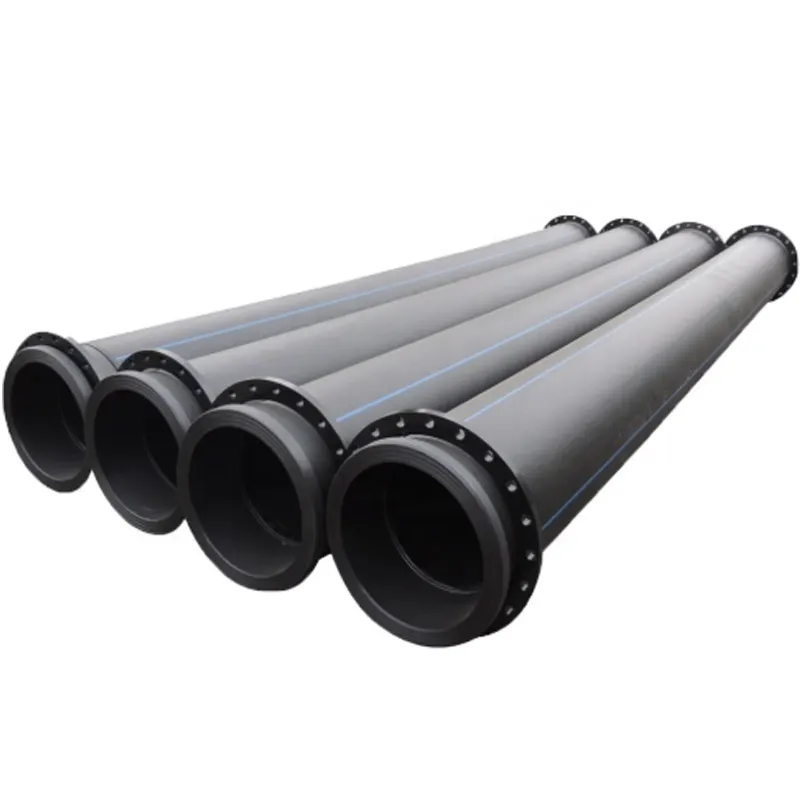
The polyethylene water pipe advantages shine most prominently in their remarkable chemical resistance properties that ensure decades of reliable service in diverse applications. This superior resistance stems from the molecular structure of polyethylene polymers, which create an inert barrier against aggressive chemicals, acids, bases, and salts commonly found in water systems. Unlike metallic pipes that experience galvanic corrosion or concrete pipes that suffer from acid attack, polyethylene maintains its structural integrity when exposed to chlorinated water, industrial chemicals, and naturally occurring minerals. This chemical stability prevents pipe degradation that typically leads to water contamination, pressure loss, and premature system failure. The longevity aspect becomes particularly valuable in infrastructure investments where replacement costs and service disruptions carry significant economic impacts. Polyethylene pipes demonstrate proven performance records exceeding fifty years in various global installations, with many systems still operating efficiently after multiple decades of continuous service. The material's resistance to stress cracking under chemical exposure ensures that pipes maintain their pressure ratings throughout their service life, eliminating concerns about gradual weakening that affects other materials. Environmental stress crack resistance (ESCR) testing validates the long-term performance capabilities under real-world conditions including temperature cycling, pressure fluctuations, and chemical exposure scenarios. The polyethylene water pipe advantages in chemical resistance extend to compatibility with modern water treatment processes, including advanced oxidation, chloramine disinfection, and pH adjustment procedures that can damage traditional piping materials. This compatibility allows water utilities to implement optimal treatment strategies without compromising distribution system integrity. The economic implications of this longevity become substantial when calculated over project lifecycles, as reduced replacement frequencies, lower maintenance costs, and improved system reliability generate significant savings. Additionally, the consistent performance characteristics prevent costly emergency repairs and service interruptions that affect customer satisfaction and regulatory compliance. The chemical inertness also ensures that water quality remains uncompromised throughout the distribution system, preventing metallic taste, odor issues, and potential health concerns associated with corrosion byproducts from traditional piping materials.