High-Performance Polypropylene Pipe Systems - Chemical Resistant Piping Solutions

Get a Free Quote

Our representative will contact you soon.
Email
Mobile
Name
Message
0/1000

polypropylene pipe

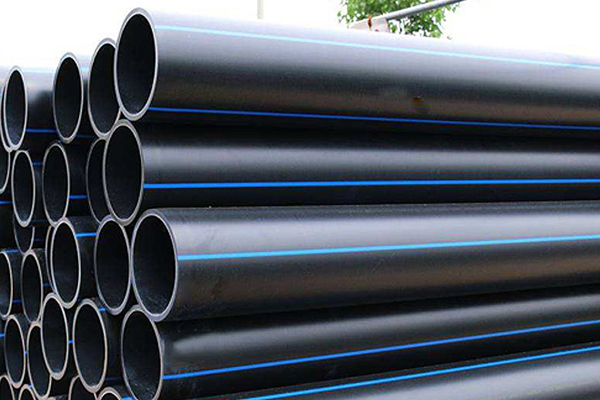
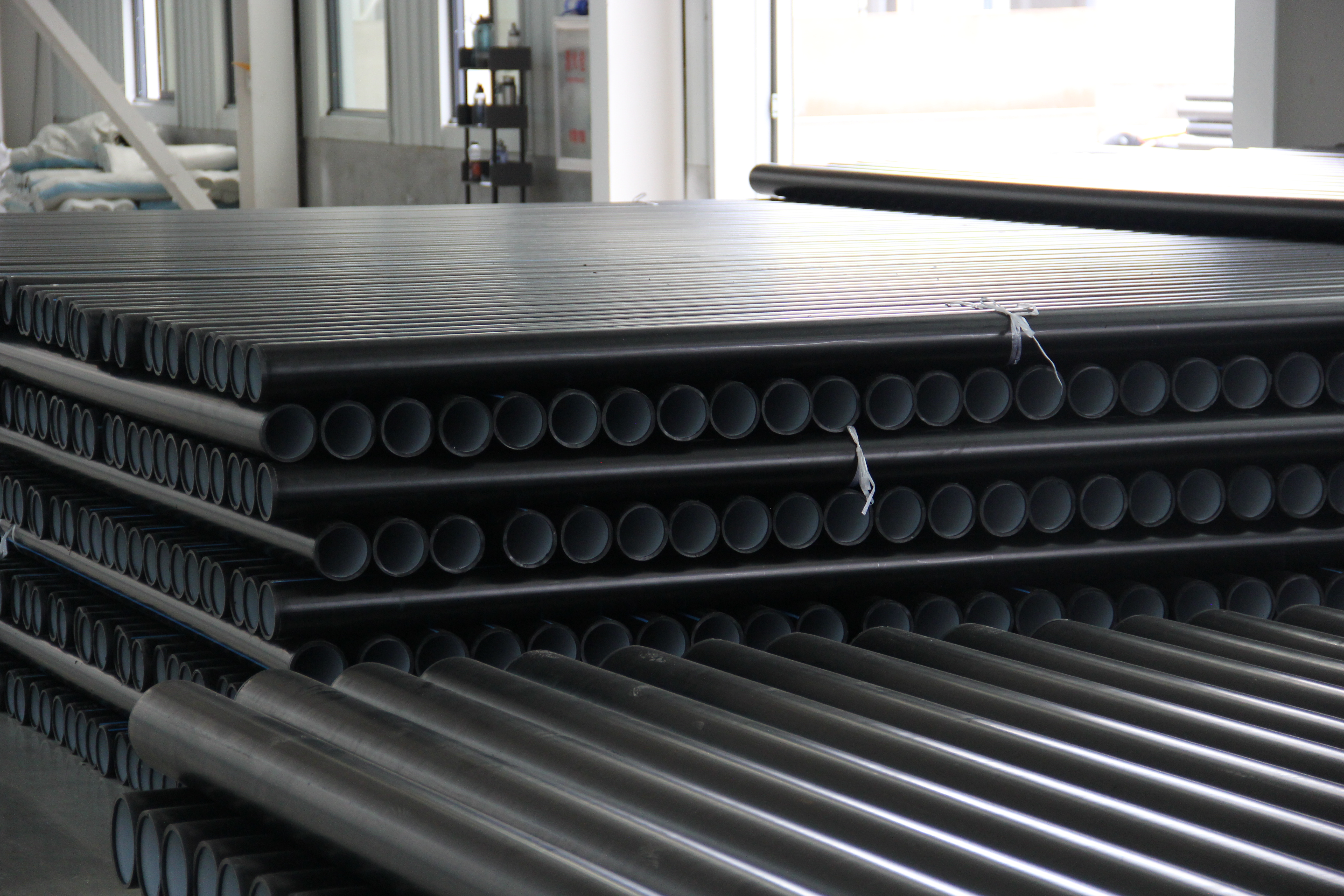
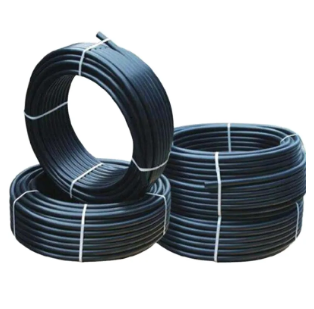
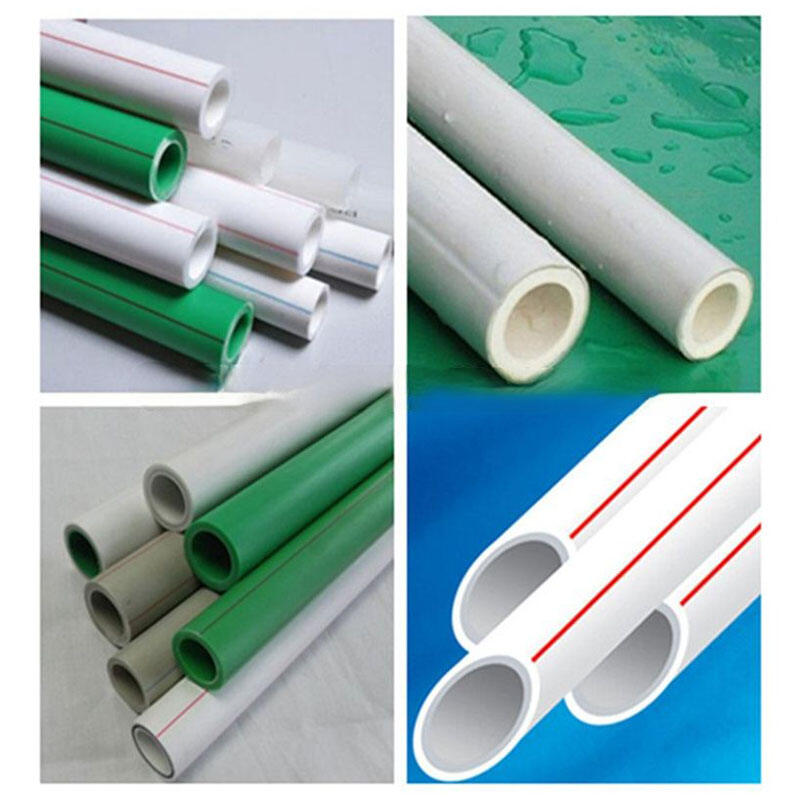
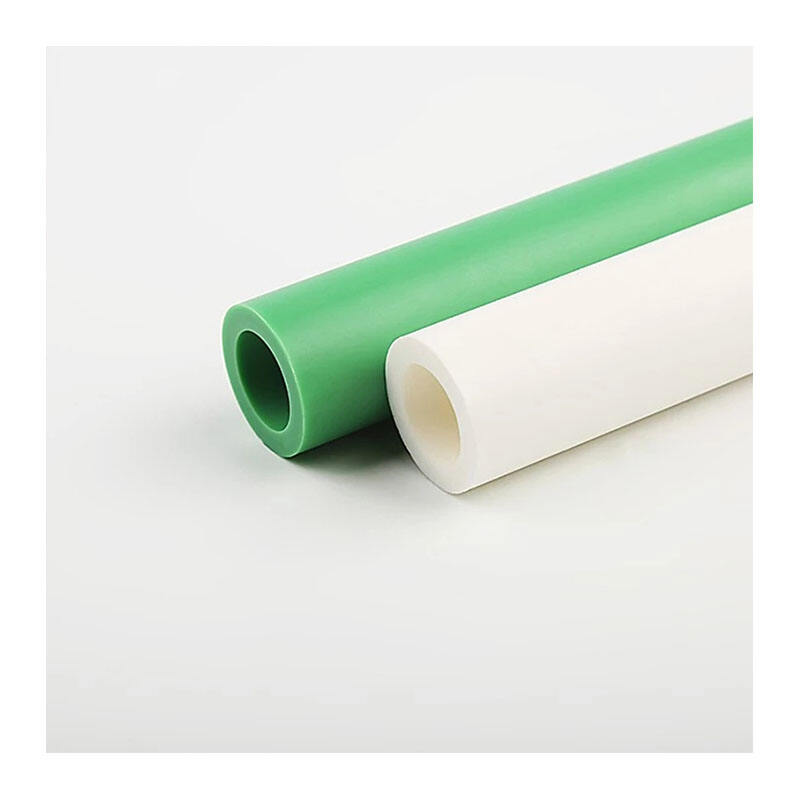
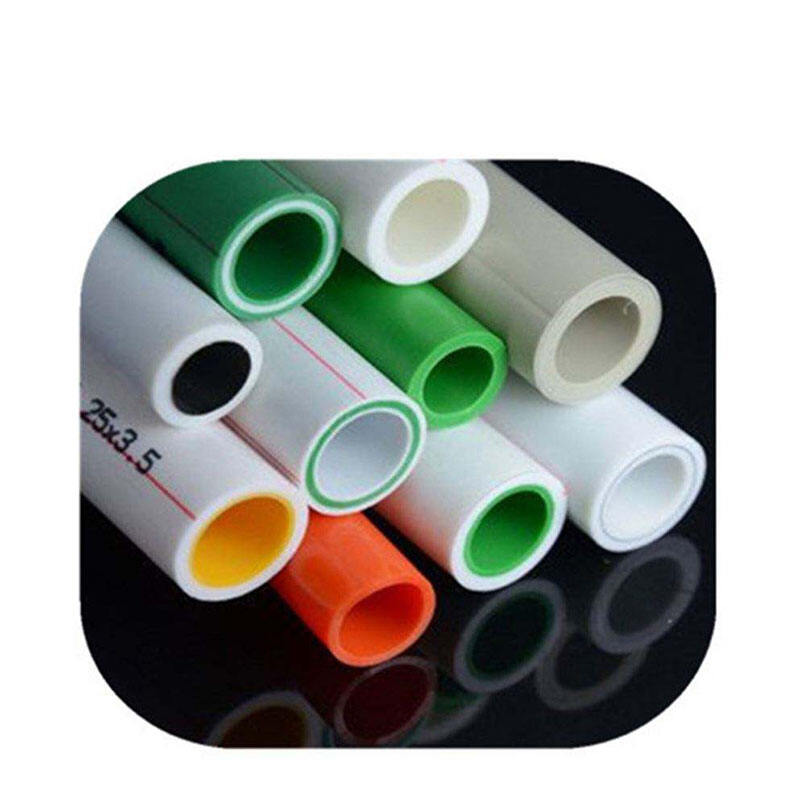
Polypropylene pipe represents a revolutionary advancement in modern piping systems, offering exceptional performance across diverse industrial and residential applications. This thermoplastic piping solution consists of polypropylene resin, a polymer known for its remarkable durability and chemical resistance properties. The manufacturing process involves extrusion techniques that create seamless, lightweight pipes capable of withstanding extreme temperatures and pressures. Polypropylene pipe systems excel in conveying various fluids, including potable water, industrial chemicals, and corrosive substances that would damage traditional metal piping. The main functions of polypropylene pipe encompass fluid transportation, chemical processing, water distribution, and waste management systems. These pipes maintain structural integrity under challenging conditions, making them ideal for pharmaceutical manufacturing, food processing, and laboratory environments where contamination prevention is critical. Technological features include smooth interior surfaces that minimize friction losses and prevent bacterial growth, ensuring optimal flow rates and maintaining fluid purity. The molecular structure of polypropylene provides excellent resistance to stress cracking, thermal expansion, and UV degradation when properly formulated. Advanced manufacturing techniques enable precise dimensional control and consistent wall thickness throughout the pipe length. Polypropylene pipe applications span multiple industries, from municipal water systems to chemical processing plants. Residential installations benefit from the material's non-toxic properties and resistance to scale buildup. Commercial buildings utilize these pipes for HVAC systems, compressed air lines, and specialized chemical handling. Industrial facilities rely on polypropylene pipe for aggressive chemical transport, high-temperature applications, and corrosive waste streams. The versatility extends to agricultural irrigation systems, where the material's resistance to fertilizers and pesticides ensures long-term reliability. Marine applications leverage the excellent saltwater resistance properties, while mining operations appreciate the abrasion resistance and impact strength of polypropylene pipe systems.


New Product Releases

Polypropylene pipe delivers outstanding corrosion resistance that surpasses traditional metal piping materials, eliminating concerns about rust, scale formation, and electrochemical degradation. This superior resistance translates to significantly reduced maintenance costs and extended service life, often exceeding 50 years under normal operating conditions. The lightweight nature of polypropylene pipe simplifies installation procedures, reducing labor requirements and associated project costs. Workers can easily handle and position these pipes without heavy machinery, accelerating construction timelines and improving workplace safety. The smooth interior surface of polypropylene pipe minimizes pressure drops and energy consumption in pumping systems, resulting in substantial operational savings over time. This hydraulic efficiency maintains consistent flow rates and reduces the need for oversized pumping equipment. Chemical compatibility represents another major advantage, as polypropylene pipe resists attack from acids, bases, salts, and organic solvents that would rapidly destroy metal alternatives. This broad chemical resistance eliminates the need for expensive protective coatings or cathodic protection systems. Temperature performance capabilities allow polypropylene pipe to operate effectively from sub-zero conditions up to 200 degrees Fahrenheit, accommodating diverse application requirements without material degradation. The thermal expansion characteristics are predictable and manageable through proper system design and expansion joint placement. Installation flexibility enables various joining methods, including heat fusion welding, mechanical fittings, and threaded connections, adapting to specific project requirements and existing infrastructure. The non-conductive properties of polypropylene pipe eliminate stray current problems and reduce the risk of electrical hazards in sensitive environments. Environmental benefits include complete recyclability at the end of service life and reduced carbon footprint during manufacturing compared to metal alternatives. The material contains no heavy metals or toxic additives, supporting sustainable construction practices and green building certifications. Cost-effectiveness extends beyond initial purchase price to encompass reduced installation time, minimal maintenance requirements, and lower lifecycle costs. Insurance companies often recognize these benefits through reduced premiums for buildings utilizing polypropylene pipe systems. The proven track record across thousands of installations worldwide demonstrates reliability and customer satisfaction, providing confidence for critical applications.

Latest News

Pressure test of PE steel mesh skeleton

14

Sep

Pressure test of PE steel mesh skeleton

View More
 Optimizing Performance and Durability in PE Steel Wire Mesh Skeleton Pipeline Systems

14

Sep

Optimizing Performance and Durability in PE Steel Wire Mesh Skeleton Pipeline Systems

View More
HDPE Fitting: A key component for connecting future pipeline systems

18

Sep

HDPE Fitting: A key component for connecting future pipeline systems

View More
The Advantages of HDPE Silicon Core Pipes for Fiber Optic Cable Installation

24

Jun

The Advantages of HDPE Silicon Core Pipes for Fiber Optic Cable Installation

Explore the structural advantages of HDPE silicon core pipes, featuring dual-layer protection, chemical resistance, UV stability, and cost-effectiveness. Ideal for telecommunication networks, data centers, and urban infrastructure, learn how these pipes offer sustainable and reliable solutions.
View More

Get a Free Quote

Our representative will contact you soon.
Email
Mobile
Name
Message
0/1000

polypropylene pipe

Exceptional Chemical Resistance and Material Durability

Exceptional Chemical Resistance and Material Durability

The exceptional chemical resistance of polypropylene pipe stems from its unique molecular structure and advanced polymer formulation, making it the preferred choice for demanding chemical processing applications. Unlike traditional metal piping that suffers from corrosion, pitting, and electrochemical attack, polypropylene pipe maintains structural integrity when exposed to aggressive chemicals including strong acids, caustic solutions, and organic solvents. This remarkable resistance extends to a pH range from 1 to 14, covering virtually all industrial chemical applications without degradation or contamination concerns. The material's inert properties prevent leaching of metallic ions or other contaminants into process fluids, ensuring product purity in pharmaceutical, food processing, and semiconductor manufacturing environments. Laboratory testing demonstrates that polypropylene pipe retains its mechanical properties even after prolonged exposure to concentrated sulfuric acid, sodium hydroxide, and chlorinated compounds that would rapidly destroy steel or copper alternatives. This chemical immunity eliminates the need for expensive protective coatings, cathodic protection systems, or frequent pipe replacement schedules that plague metal piping installations. The durability advantages extend beyond chemical resistance to include exceptional impact strength and stress crack resistance, even at low temperatures where other thermoplastics become brittle. Advanced stabilization packages protect against UV degradation and thermal oxidation, ensuring consistent performance throughout the expected 50-year service life. The absence of galvanic corrosion concerns allows polypropylene pipe to be used with dissimilar materials without creating electrochemical cells that accelerate deterioration. Field experience in chemical plants, water treatment facilities, and marine environments consistently demonstrates superior longevity compared to traditional materials, with many installations exceeding design life expectations. The self-healing properties of the polymer matrix help seal minor surface scratches and prevent crack propagation, maintaining pressure integrity under cyclic loading conditions. This combination of chemical immunity and mechanical durability provides customers with unprecedented reliability and reduced total cost of ownership.
Superior Installation Efficiency and Versatility

Superior Installation Efficiency and Versatility

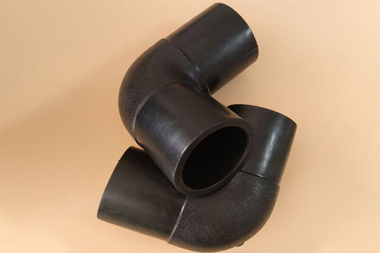
The installation efficiency of polypropylene pipe systems provides significant advantages in project scheduling, labor costs, and construction logistics compared to traditional piping materials. The lightweight characteristics, typically 85% lighter than equivalent steel pipe, eliminate the need for heavy lifting equipment and reduce physical strain on installation crews. This weight advantage translates to faster handling, positioning, and alignment procedures that can reduce installation time by up to 50% compared to metal alternatives. The versatile joining methods available for polypropylene pipe accommodate diverse project requirements and existing infrastructure constraints. Heat fusion welding creates leak-proof, monolithic joints that eliminate gaskets, threads, and mechanical connections prone to failure over time. Socket fusion and butt fusion techniques produce joints stronger than the parent pipe material, ensuring system integrity under pressure cycling and thermal expansion conditions. Mechanical joining systems provide flexibility for maintenance access and future modifications without specialized welding equipment. Threaded connections enable easy integration with existing valve and instrumentation packages. The predictable thermal expansion properties of polypropylene pipe simplify system design and reduce the complexity of expansion loop calculations compared to materials with higher coefficients of expansion. Installation crews require minimal specialized training to achieve professional results, unlike welding operations for metal pipe that demand certified technicians and extensive quality control procedures. The resistance to job site damage during construction activities protects the investment and prevents costly repairs or replacements before system commissioning. Cut-to-length flexibility allows field modifications and custom fitting without special tools or factory coordination. The smooth exterior surface resists accumulation of dirt, ice, and debris that can complicate installation in adverse weather conditions. Pre-fabrication capabilities enable off-site assembly under controlled conditions, reducing field labor requirements and improving quality control. These installation advantages combine to deliver faster project completion, reduced labor costs, and improved construction quality that benefits both contractors and end users.
Outstanding Thermal Performance and Energy Efficiency

Outstanding Thermal Performance and Energy Efficiency

The outstanding thermal performance characteristics of polypropylene pipe deliver exceptional energy efficiency benefits that significantly reduce operating costs throughout the system lifecycle. The low thermal conductivity of polypropylene material minimizes heat loss in hot water distribution systems and prevents heat gain in chilled water applications, reducing energy consumption by up to 30% compared to metal piping. This insulating property eliminates the need for external pipe insulation in many applications, simplifying installation and reducing material costs while preventing condensation problems that plague metal systems. The smooth interior surface maintains consistent thermal transfer coefficients and prevents the buildup of scale deposits that reduce heat exchange efficiency over time. Temperature cycling resistance ensures dimensional stability and joint integrity under repeated heating and cooling cycles that would stress traditional materials. The material's ability to accommodate thermal expansion through controlled flexing reduces stress on system components and eliminates the need for complex expansion joint arrangements required by rigid materials. Processing temperatures up to 200 degrees Fahrenheit enable polypropylene pipe use in medium-temperature applications including domestic hot water, hydronic heating, and industrial process cooling systems. The rapid thermal response characteristics allow precise temperature control in critical applications where thermal lag could affect product quality or process efficiency. Low-temperature performance extends to sub-freezing conditions without embrittlement or crack propagation, making polypropylene pipe suitable for outdoor installations and unheated spaces. The combination of thermal stability and chemical resistance enables use in heat exchanger applications where corrosive fluids and elevated temperatures create challenging service conditions. Energy audits of facilities converted from metal to polypropylene pipe systems document substantial reductions in pumping energy requirements due to improved hydraulic efficiency and reduced friction losses. The environmental impact benefits include reduced carbon emissions from lower energy consumption and extended equipment life that delays replacement cycles. These thermal performance advantages position polypropylene pipe as an environmentally responsible choice that delivers measurable economic benefits while supporting sustainability initiatives.
Inquiry High-Performance Polypropylene Pipe Systems - Chemical Resistant Piping Solutions Inquiry High-Performance Polypropylene Pipe Systems - Chemical Resistant Piping Solutions High-Performance Polypropylene Pipe Systems - Chemical Resistant Piping Solutions High-Performance Polypropylene Pipe Systems - Chemical Resistant Piping Solutions
Write down your question

We are not only a product manufacturer, but also a solution provider. Whether you have questions or quotation requests, we will help you.

Get a Quote

Contact Us

Your email address will not be published. Required fields are marked *
Email
Name
Mobile
Message
0/1000