ppr pipes
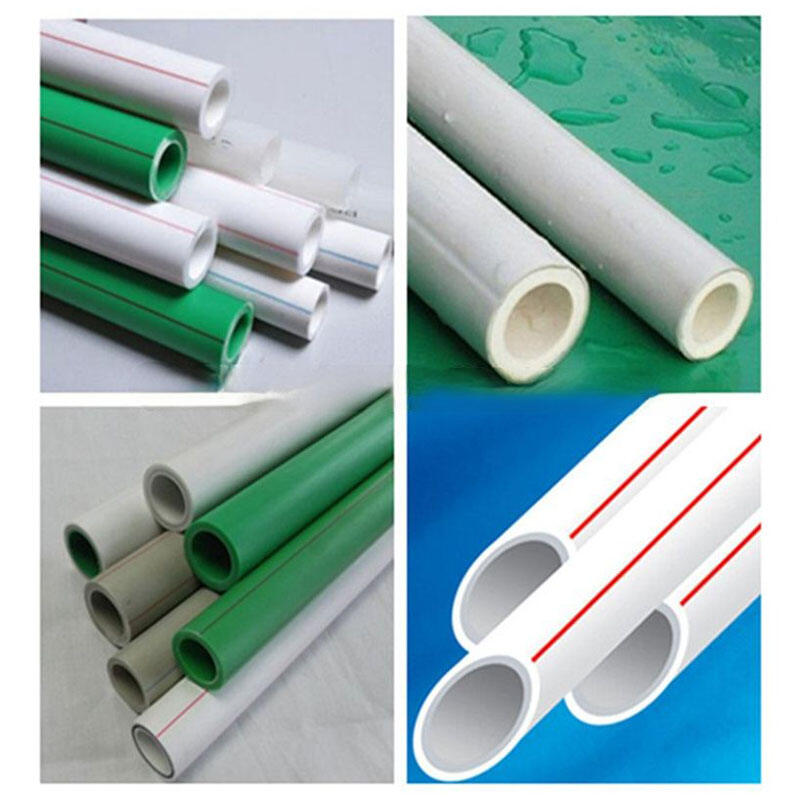
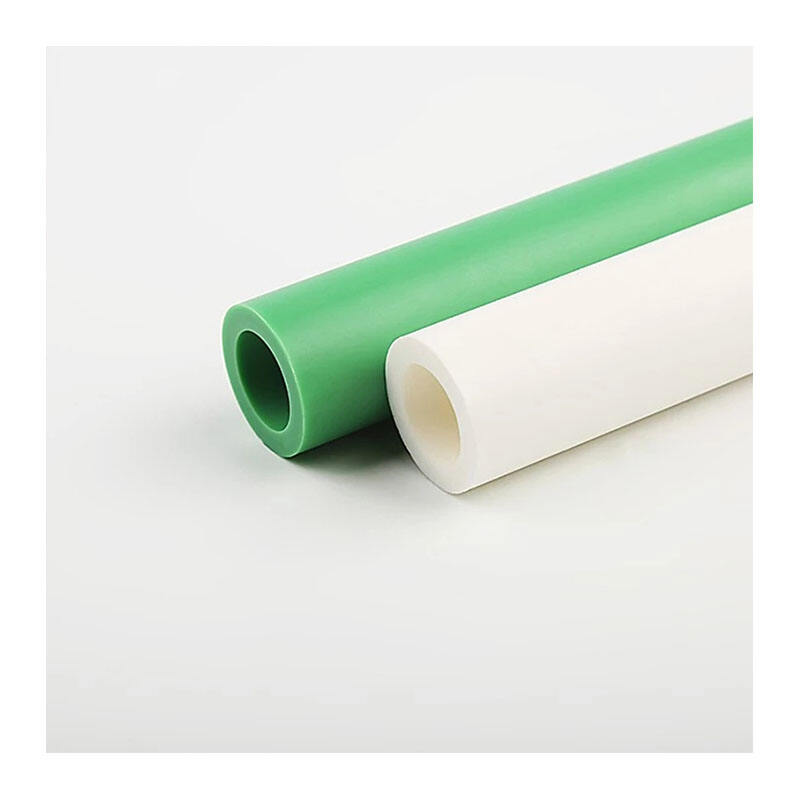
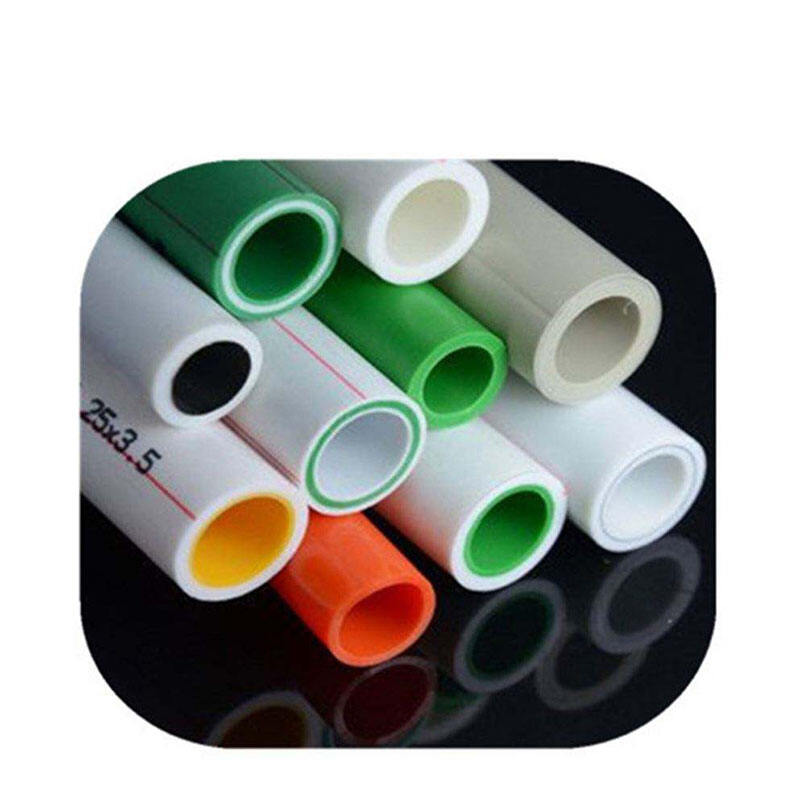
PPR pipes, also known as Polypropylene Random Copolymer pipes, represent a revolutionary advancement in modern plumbing and water distribution systems. These high-performance thermoplastic pipes have transformed the construction and infrastructure industry through their exceptional durability, chemical resistance, and versatility. PPR pipes are manufactured using advanced polymer technology that combines polypropylene with ethylene copolymers, creating a material that exhibits superior mechanical properties and long-term reliability. The main functions of PPR pipes encompass hot and cold water distribution, heating systems, industrial fluid transport, and compressed air applications. Their technological features include excellent thermal stability, allowing them to withstand temperatures ranging from -10°C to 95°C without compromising structural integrity. The fusion welding technology used in PPR pipe installation creates seamless, leak-proof joints that eliminate the risk of corrosion and mineral buildup common in traditional metal piping systems. PPR pipes demonstrate remarkable chemical inertness, making them resistant to acids, alkalis, and various chemical compounds typically found in water systems. Their smooth internal surface reduces friction losses and maintains consistent flow rates throughout the system's lifespan. Applications of PPR pipes span residential buildings, commercial complexes, industrial facilities, hospitals, schools, and municipal water distribution networks. These pipes excel in underfloor heating systems, solar heating installations, and air conditioning applications due to their thermal conductivity properties. The manufacturing process involves precise temperature control and quality testing to ensure each PPR pipe meets international standards for pressure ratings, dimensional accuracy, and material composition, making them suitable for both above-ground and buried installations.