Cost-Effective Installation and Long-Term Value
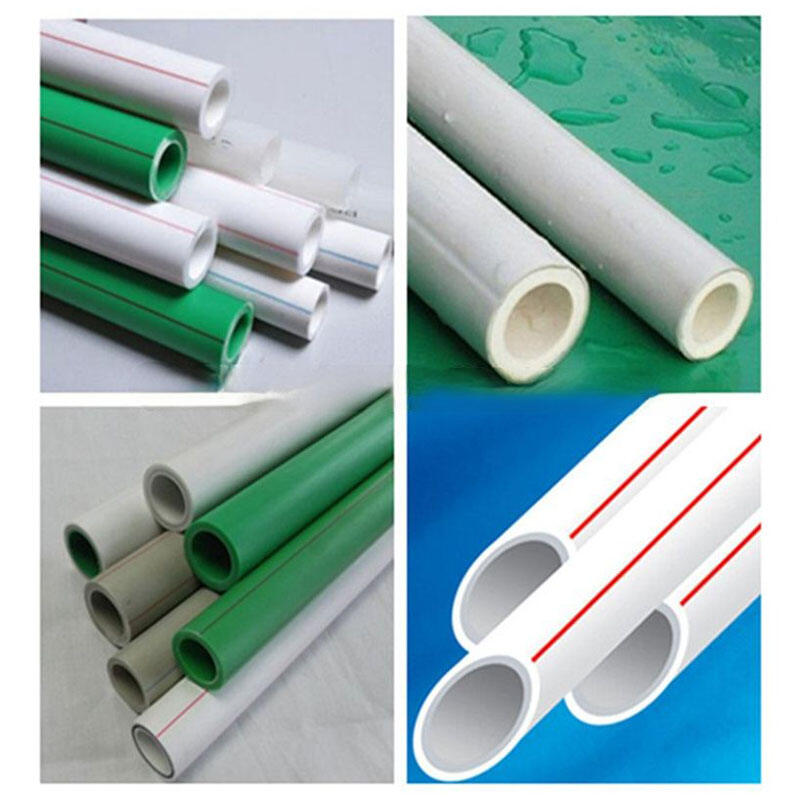
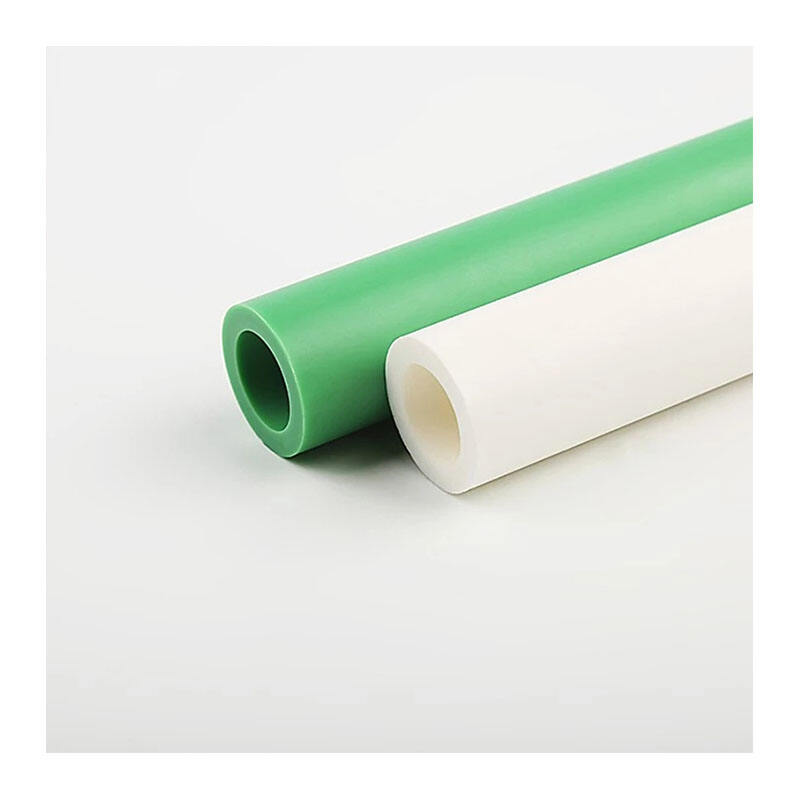
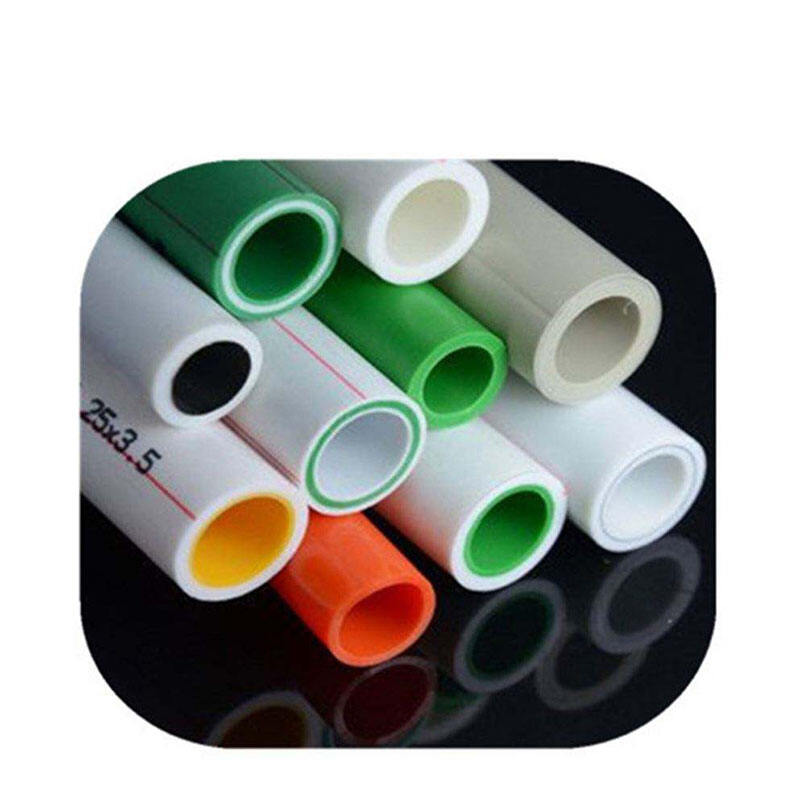
China PPR pipe delivers exceptional value through reduced installation costs, minimal maintenance requirements, and extended service life that significantly outperforms traditional piping materials. The lightweight nature of China PPR pipe reduces transportation costs, storage requirements, and installation labor compared to heavy metallic alternatives. Installation efficiency gains result from simplified joining procedures, reduced fitting requirements, and the ability to prefabricate system components in controlled environments. Professional installers can complete China PPR pipe installations faster than conventional systems due to the streamlined fusion welding process and flexible routing capabilities. The pipe's bendability allows navigation around obstacles without additional fittings, reducing material costs and potential failure points throughout the system. Long-term cost benefits include elimination of corrosion-related repairs, scale removal procedures, and premature replacement common with metal piping systems. China PPR pipe systems maintain their performance characteristics for over five decades, providing exceptional return on investment compared to shorter-lived alternatives. Maintenance cost savings accumulate over time, as China PPR pipe requires no periodic treatments, coatings, or protective measures to prevent degradation. Energy efficiency contributions include reduced pumping costs due to smooth interior surfaces and improved thermal performance in heating applications. Insurance benefits may apply to buildings equipped with China PPR pipe systems due to reduced fire risk and leak potential compared to traditional materials. Warranty coverage typically extends for decades, providing additional financial protection and peace of mind for property owners. The total cost of ownership analysis consistently favors China PPR pipe over alternative materials when considering initial installation, ongoing maintenance, energy consumption, and replacement scheduling. Environmental cost benefits include reduced carbon footprint through manufacturing efficiency, recyclability, and elimination of toxic materials used in other piping systems.