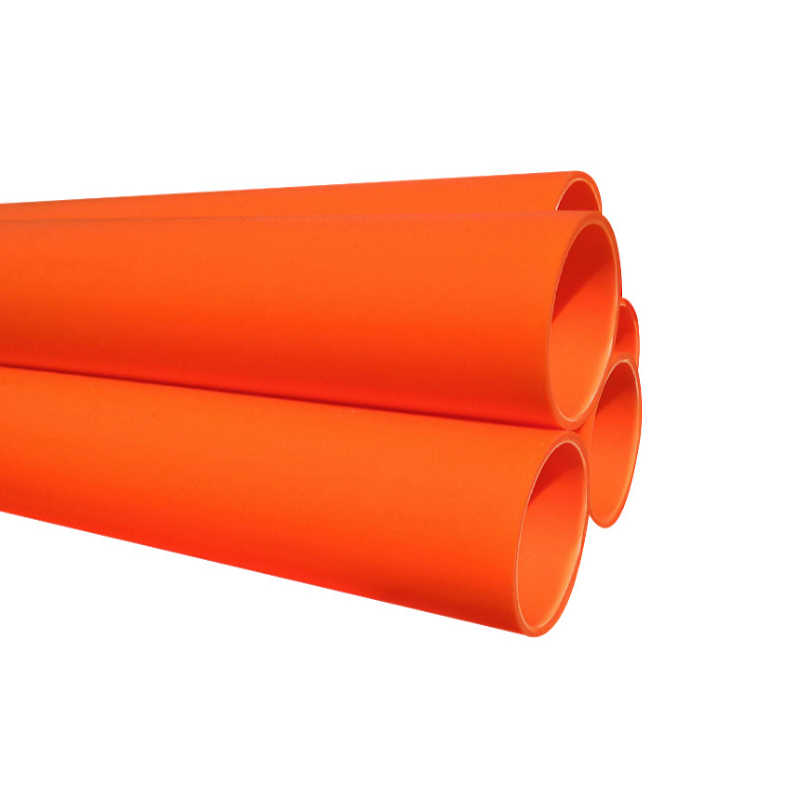
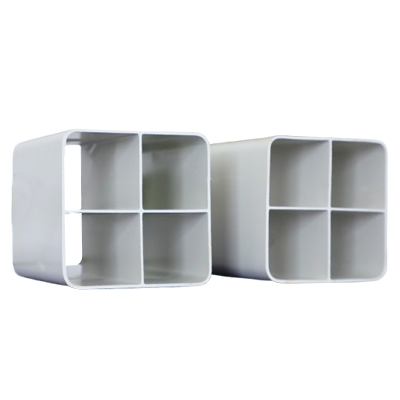
High-Performance Polypropylene Pipes: Advanced Chemical-Resistant Piping Solutions for Industrial and Commercial Applications

Get a Free Quote

Our representative will contact you soon.
Email
Mobile
Name
Message
0/1000

polypropylene pipes

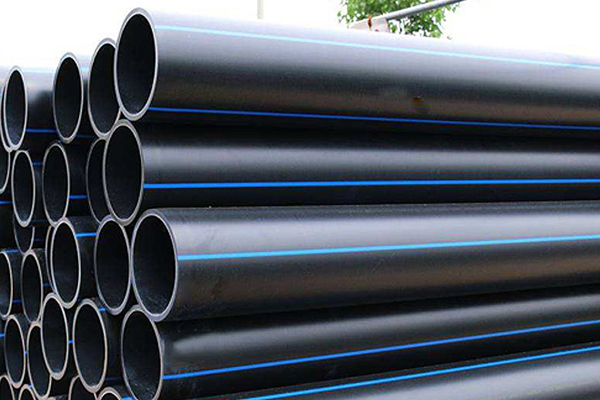
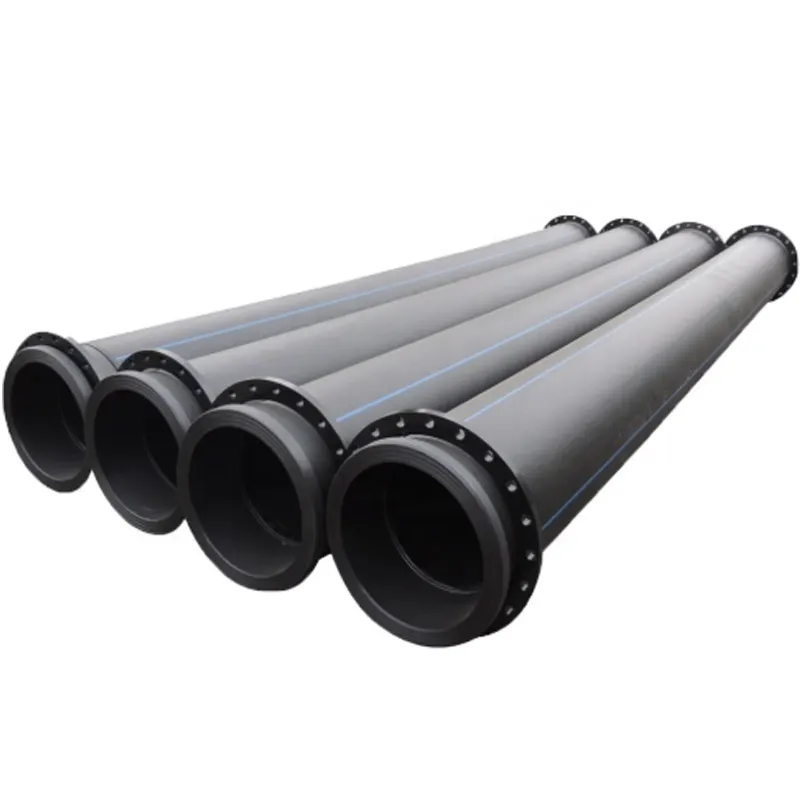
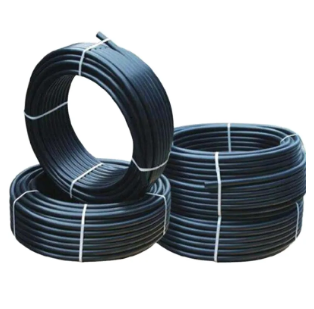
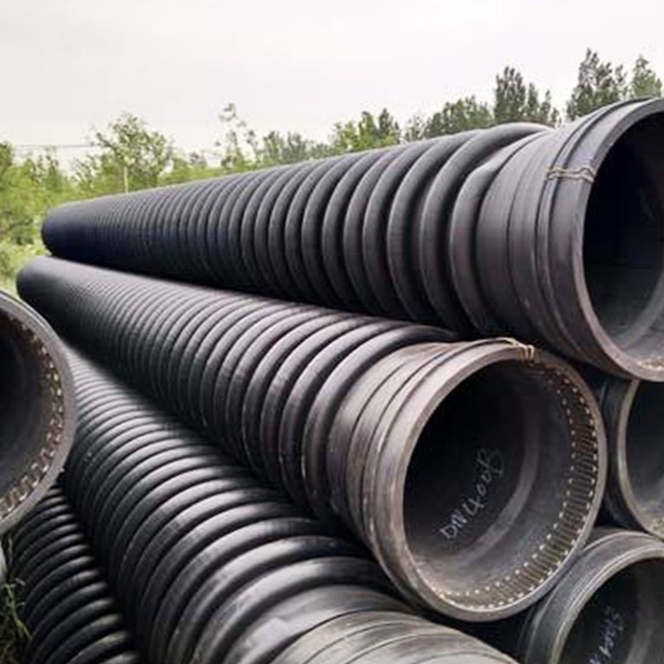
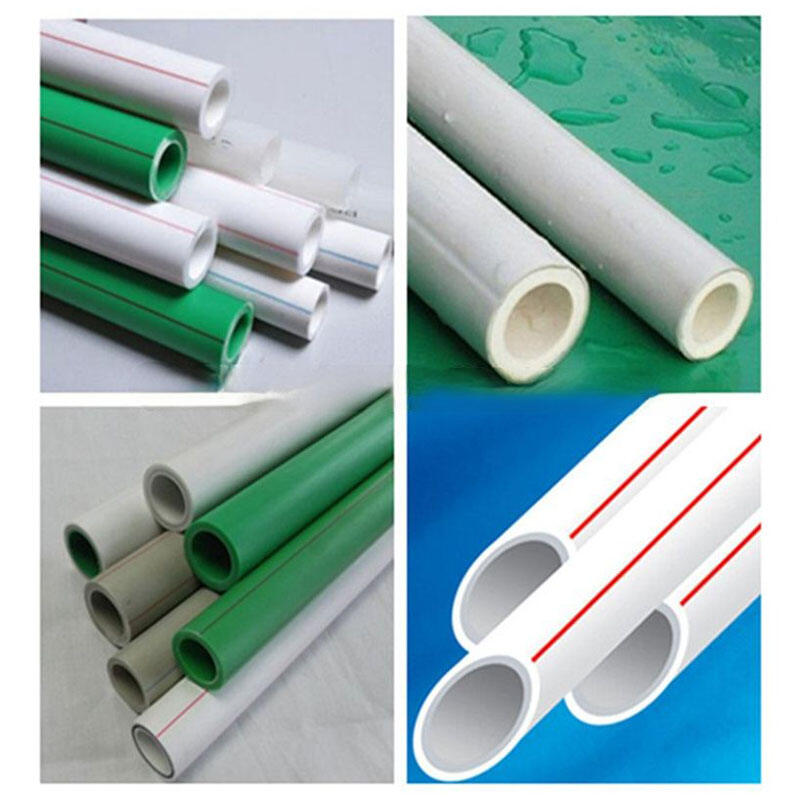
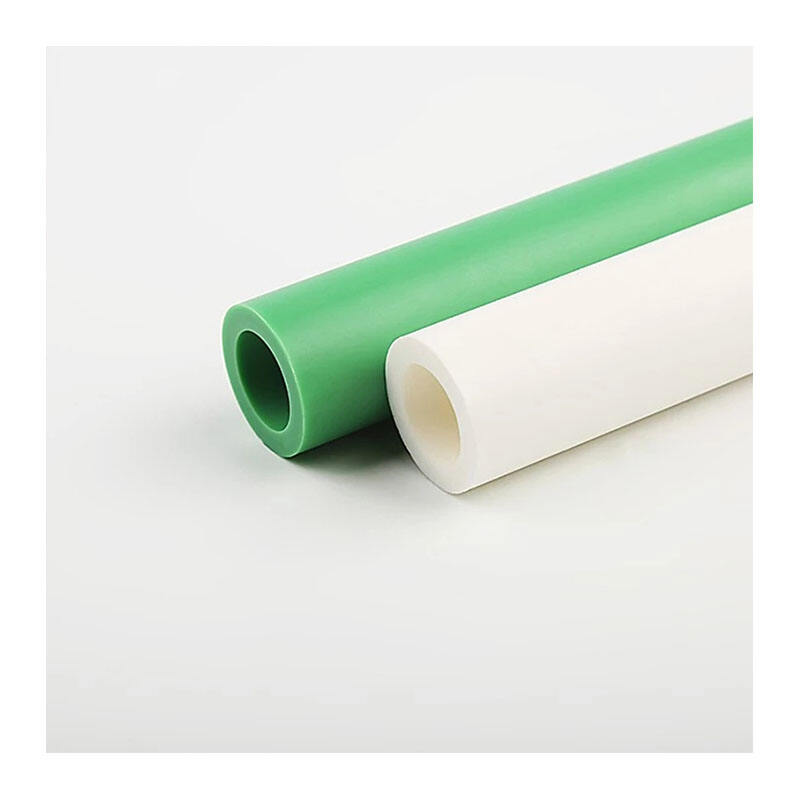
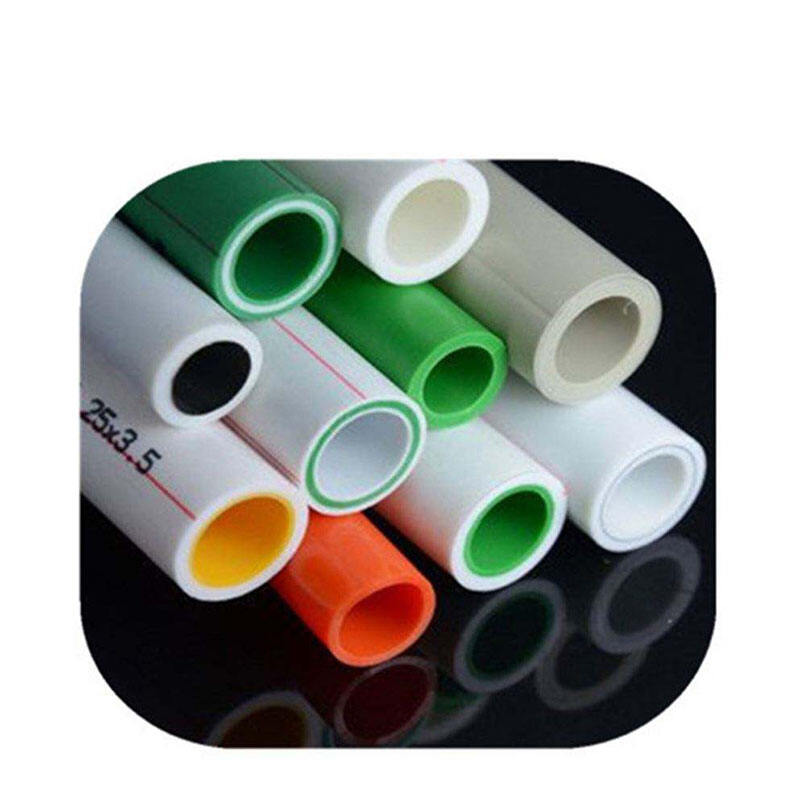
Polypropylene pipes represent a revolutionary advancement in modern piping systems, offering exceptional performance across residential, commercial, and industrial applications. These thermoplastic pipes are manufactured from polypropylene resin, a lightweight yet robust polymer that exhibits remarkable chemical resistance and thermal stability. The main functions of polypropylene pipes include efficient fluid transportation, distribution of potable water, drainage systems, and chemical processing applications. Their technological features encompass superior corrosion resistance, excellent weldability, and outstanding dimensional stability under varying temperature conditions. The manufacturing process involves precise extrusion techniques that ensure consistent wall thickness and optimal structural integrity throughout the pipe length. Polypropylene pipes demonstrate exceptional flexibility while maintaining structural strength, making them suitable for complex installation requirements. Their smooth interior surface minimizes friction losses, enhancing flow efficiency and reducing energy consumption in pumping systems. The material's inherent properties provide excellent resistance to acids, bases, and organic solvents, making these pipes ideal for aggressive chemical environments. Temperature resistance ranges typically extend from -10°C to 95°C, with specialized grades capable of handling higher temperatures. The pipes feature excellent UV resistance when properly formulated, ensuring long-term performance in outdoor applications. Installation versatility includes various joining methods such as heat fusion welding, electrofusion, and mechanical connections. Quality control measures during production guarantee consistent performance parameters including pressure ratings, dimensional accuracy, and material homogeneity. Environmental sustainability represents another key aspect, as polypropylene pipes are fully recyclable and contribute to green building initiatives. Their lightweight nature reduces transportation costs and installation labor requirements. Modern polypropylene pipe systems incorporate advanced additives for enhanced performance characteristics including improved impact resistance, thermal stability, and long-term durability. These technological improvements ensure reliable service life exceeding 50 years under normal operating conditions.


Popular Products

Polypropylene pipes deliver substantial benefits that make them the preferred choice for modern piping applications across diverse industries. The foremost advantage lies in their exceptional chemical resistance, which surpasses traditional materials like steel or PVC. This resistance ensures that polypropylene pipes maintain their integrity when transporting aggressive chemicals, acids, and alkaline solutions without degradation or contamination. The corrosion immunity eliminates the need for expensive protective coatings or frequent replacements, resulting in significant cost savings over the system's lifetime. Installation simplicity represents another major benefit, as these pipes require fewer specialized tools and techniques compared to metal alternatives. The lightweight construction reduces handling difficulties and installation time, directly translating to lower labor costs and faster project completion. Fusion welding creates seamless, leak-proof joints that eliminate weak points common in threaded or glued connections. This welding capability ensures system reliability and reduces maintenance requirements throughout the operational period. Energy efficiency gains occur through the smooth interior surface that minimizes friction losses during fluid transport. This characteristic reduces pumping energy requirements and operational costs while improving overall system performance. The thermal properties of polypropylene pipes provide excellent insulation characteristics, reducing heat loss in hot water systems and preventing condensation in cold water applications. Flexibility advantages allow for easier routing around obstacles and reduce the need for fittings in complex installations. This flexibility also provides natural stress relief during thermal expansion and contraction cycles. Environmental benefits include complete recyclability and lower carbon footprint during manufacturing compared to metal pipes. The production process requires less energy and generates fewer emissions, supporting sustainable construction practices. Maintenance advantages stem from the material's resistance to scale buildup and biological growth, maintaining flow capacity over extended periods. Cost-effectiveness becomes apparent when considering the total lifecycle expenses including initial investment, installation, maintenance, and replacement costs. Polypropylene pipes consistently demonstrate superior value propositions across all these categories. Safety benefits include non-toxic material composition that meets drinking water standards and eliminates health concerns associated with lead or other harmful substances. The pipes also resist brittle failure modes, providing reliable service even under stress conditions.

Tips And Tricks

Pressure test of PE steel mesh skeleton

14

Sep

Pressure test of PE steel mesh skeleton

View More
Maximizing Efficiency with Dredging Pipelines: A Comprehensive Guide

24

Jun

Maximizing Efficiency with Dredging Pipelines: A Comprehensive Guide

Explore the role of booster pumps in optimizing dredging pipeline efficiency, enhancing slurry velocity, and reducing operational costs. Understand strategic placement, calculate critical velocities, and delve into advanced technologies for modern dredging operations using HDPE solutions.
View More
The Advantages of HDPE Silicon Core Pipes for Fiber Optic Cable Installation

24

Jun

The Advantages of HDPE Silicon Core Pipes for Fiber Optic Cable Installation

Explore the structural advantages of HDPE silicon core pipes, featuring dual-layer protection, chemical resistance, UV stability, and cost-effectiveness. Ideal for telecommunication networks, data centers, and urban infrastructure, learn how these pipes offer sustainable and reliable solutions.
View More
Krah Pipes: The Ultimate Solution for Large-Scale Drainage Projects

30

Jun

Krah Pipes: The Ultimate Solution for Large-Scale Drainage Projects

Explore the advantages of Krah Pipes in drainage systems. Learn how their high ring stiffness, lightweight design, and adaptability make them ideal for large-scale projects, providing cost-effective and durable solutions.
View More

Get a Free Quote

Our representative will contact you soon.
Email
Mobile
Name
Message
0/1000

polypropylene pipes

Superior Chemical Resistance and Longevity

Superior Chemical Resistance and Longevity

The outstanding chemical resistance of polypropylene pipes represents their most significant competitive advantage, setting them apart from conventional piping materials in demanding applications. This exceptional resistance stems from the polymer's molecular structure, which remains stable when exposed to a wide range of aggressive chemicals including strong acids, bases, salts, and organic solvents. Unlike metal pipes that suffer from corrosion or PVC pipes that may degrade under certain chemical exposures, polypropylene pipes maintain their structural integrity and performance characteristics throughout their service life. This chemical immunity proves invaluable in industrial process applications where pipes must transport corrosive fluids without contamination or system failure. The material demonstrates remarkable stability against pH variations ranging from highly acidic to strongly alkaline conditions, making it suitable for chemical processing plants, pharmaceutical manufacturing, and water treatment facilities. Laboratory testing confirms that polypropylene pipes retain their mechanical properties even after prolonged exposure to harsh chemical environments, ensuring reliable performance over decades. The longevity benefits extend beyond chemical resistance to include resistance against environmental stress cracking, a common failure mode in other thermoplastic materials. This resistance translates to extended service life exceeding 50 years under normal operating conditions, providing exceptional return on investment. The consistent performance over time eliminates unexpected failures and associated downtime costs that plague systems using inferior materials. Furthermore, the chemical inertness of polypropylene ensures that transported fluids remain uncontaminated, maintaining product quality in sensitive applications such as pharmaceutical production or food processing. This contamination prevention capability proves crucial for industries where product purity directly impacts safety and regulatory compliance. The material's stability also extends to resistance against chlorinated water, making polypropylene pipes ideal for municipal water distribution systems where long-term exposure to disinfectants occurs. The combination of chemical resistance and longevity creates substantial economic advantages through reduced replacement costs, minimized maintenance requirements, and improved system reliability that supports uninterrupted operations across diverse industrial applications.
Exceptional Installation Efficiency and Versatility

Exceptional Installation Efficiency and Versatility

Polypropylene pipes excel in installation efficiency through their unique combination of lightweight construction, flexible handling characteristics, and advanced joining technologies that significantly reduce project timelines and labor costs. The lightweight nature of these pipes, typically 85% lighter than equivalent steel pipes, transforms installation procedures by eliminating heavy lifting equipment requirements and reducing worker fatigue during extended installation periods. This weight advantage becomes particularly beneficial in confined spaces, high-elevation installations, or remote locations where equipment access remains limited. The material's inherent flexibility allows for easier maneuvering around obstacles, reducing the number of fittings required and simplifying complex routing situations that would challenge rigid piping systems. Heat fusion welding technology represents a revolutionary advancement that creates homogeneous joints stronger than the pipe material itself, eliminating potential leak points that plague mechanical connection methods. This welding process requires minimal training and produces consistent, reliable results that meet stringent quality standards. The fusion joints eliminate the need for gaskets, sealants, or threading compounds, reducing material costs and potential failure points while ensuring long-term system integrity. Installation versatility extends to various joining methods including electrofusion for challenging field conditions, socket fusion for smaller diameter applications, and butt fusion for larger diameter systems. Each method provides specific advantages depending on installation requirements, ensuring optimal solutions for diverse project conditions. The pipes' thermal properties allow for installation across wide temperature ranges without compromising joint quality or system performance. Prefabrication capabilities enable off-site assembly of complex pipe sections, reducing field installation time and improving quality control through controlled workshop conditions. The smooth exterior surface facilitates easy pulling through conduits or sleeves, while the flexible nature accommodates directional changes without stress concentration. Installation efficiency gains extend to reduced trenching requirements for underground applications, as the lightweight pipes require less bedding material and simpler handling procedures. The compatibility with various bedding materials and installation methods provides contractors with flexibility to choose optimal approaches based on site conditions and project requirements. Quality assurance during installation benefits from simple visual inspection techniques that verify proper fusion parameters, ensuring reliable system performance from initial startup through decades of operation.
Outstanding Flow Performance and Energy Efficiency

Outstanding Flow Performance and Energy Efficiency

The superior flow performance characteristics of polypropylene pipes deliver measurable energy savings and operational benefits through their exceptionally smooth interior surface and optimized hydraulic properties that minimize pressure losses and reduce pumping requirements. The molecular structure of polypropylene creates an inherently smooth internal surface with roughness coefficients significantly lower than traditional materials including concrete, steel, or even PVC pipes. This smoothness translates directly to reduced friction factors that improve flow capacity while minimizing energy consumption in pumping systems. Comparative analysis demonstrates that polypropylene pipes can transport equivalent volumes using smaller pipe diameters or lower pumping pressures compared to rougher alternatives, providing design flexibility and cost optimization opportunities. The smooth surface characteristics remain stable over time, as polypropylene resists scale buildup, biological growth, and tuberculation that gradually reduce flow capacity in metal pipes. This consistency ensures that system performance remains optimal throughout the entire service life without requiring periodic cleaning or rehabilitation procedures. Energy efficiency benefits compound over time as systems using polypropylene pipes maintain their designed flow rates and pressure characteristics, eliminating the gradual performance degradation experienced with other materials. The thermal properties of polypropylene contribute additional efficiency gains through excellent insulation characteristics that reduce heat loss in hot water systems and prevent energy waste through unwanted thermal transfer. These insulation properties also prevent condensation formation in cold water applications, eliminating moisture-related problems and maintaining system efficiency. Flow optimization extends to laminar flow characteristics that reduce turbulence and associated energy losses, particularly beneficial in high-flow applications where pumping costs represent significant operational expenses. The material's resistance to chemical attack ensures that interior surfaces remain smooth and uncompromised even when transporting aggressive fluids that would etch or corrode other materials. Hydraulic modeling demonstrates consistent Hazen-Williams coefficients throughout the service life, enabling accurate system design and reliable performance predictions. The combination of maintained flow capacity and reduced maintenance requirements creates substantial lifecycle cost advantages that justify initial investment decisions. Environmental benefits accrue through reduced energy consumption that translates to lower carbon emissions and supports sustainability initiatives across municipal and industrial applications.
Inquiry High-Performance Polypropylene Pipes: Advanced Chemical-Resistant Piping Solutions for Industrial and Commercial Applications Inquiry High-Performance Polypropylene Pipes: Advanced Chemical-Resistant Piping Solutions for Industrial and Commercial Applications High-Performance Polypropylene Pipes: Advanced Chemical-Resistant Piping Solutions for Industrial and Commercial Applications High-Performance Polypropylene Pipes: Advanced Chemical-Resistant Piping Solutions for Industrial and Commercial Applications
Write down your question

We are not only a product manufacturer, but also a solution provider. Whether you have questions or quotation requests, we will help you.

Get a Quote

Contact Us

Your email address will not be published. Required fields are marked *
Email
Name
Mobile
Message
0/1000