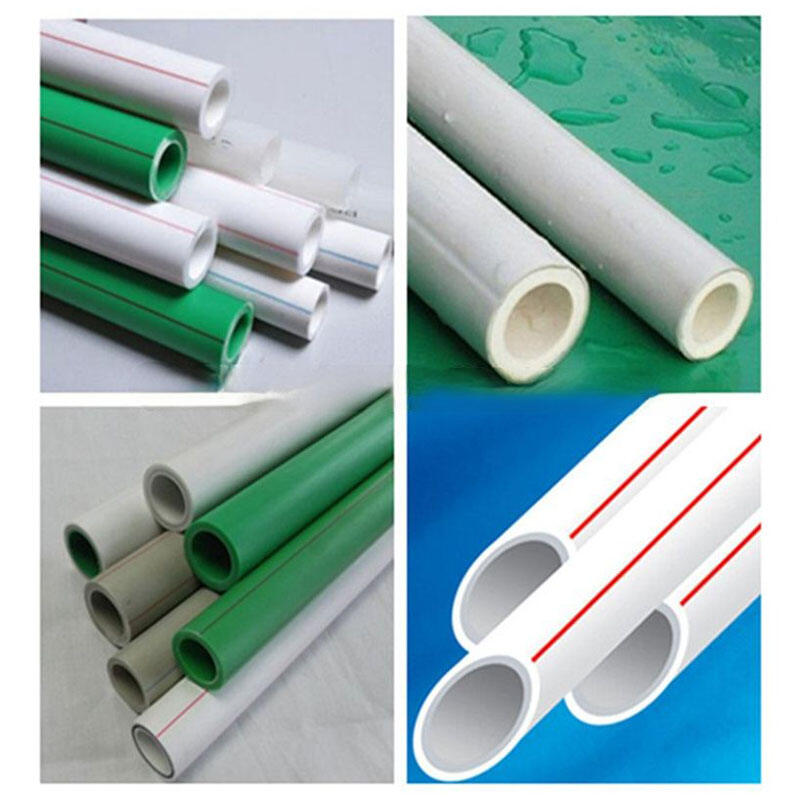
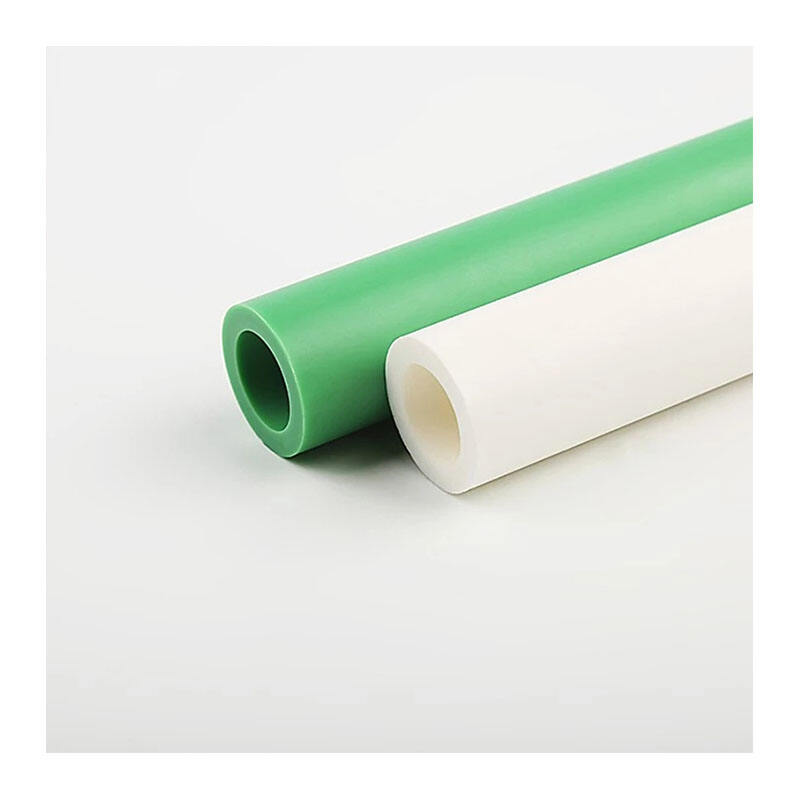
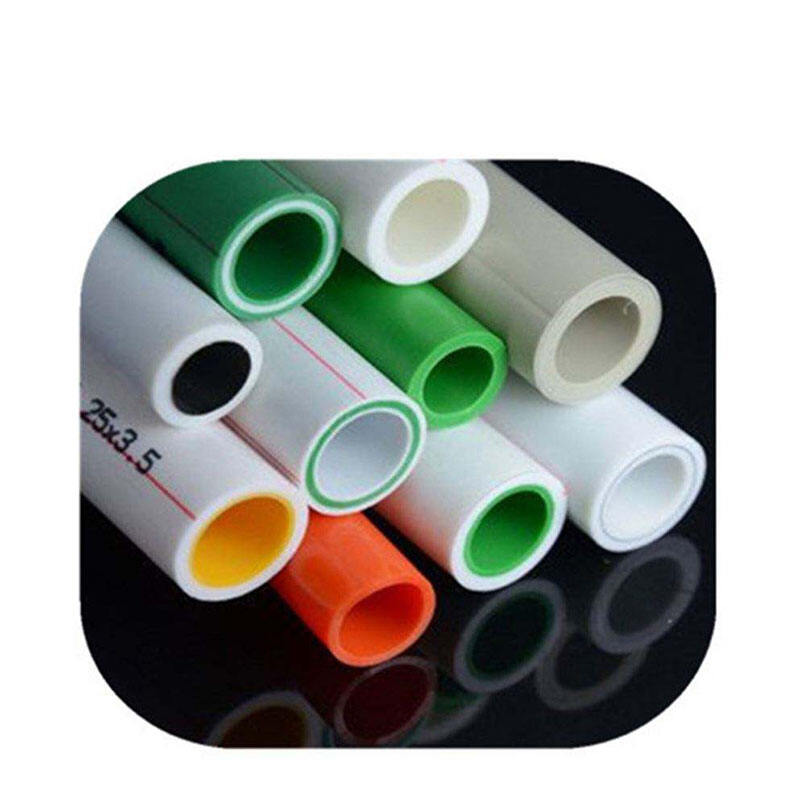
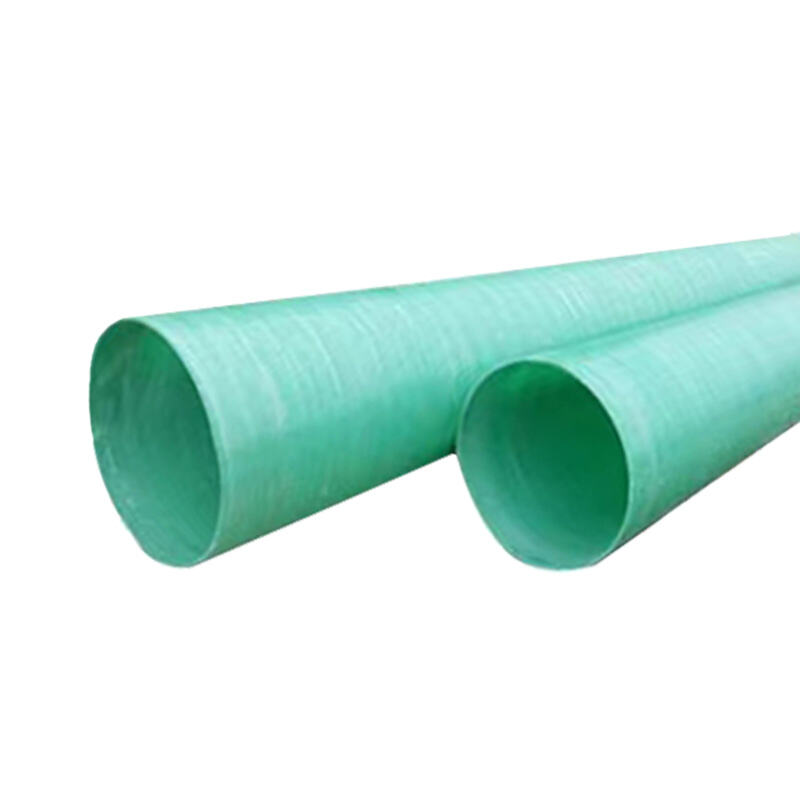
ppr pipe system for heating
The ppr pipe system for heating represents a revolutionary advancement in modern residential and commercial heating infrastructure. PPR, which stands for Polypropylene Random Copolymer, is a specialized thermoplastic material engineered specifically for plumbing and heating applications. This innovative piping solution has transformed how we approach radiant floor heating, radiator connections, and entire heating distribution networks throughout buildings. The ppr pipe system for heating operates through a network of interconnected pipes that circulate heated water from boilers or heat pumps to various heating elements throughout a structure. The system functions by maintaining consistent water temperatures while ensuring efficient heat transfer to living spaces. The technological foundation of the ppr pipe system for heating relies on advanced polymer chemistry that creates pipes with exceptional thermal stability and mechanical strength. These pipes can withstand temperatures up to 95 degrees Celsius under normal operating conditions, making them ideal for residential heating applications. The manufacturing process involves precise temperature control and pressure molding to create seamless, uniform pipe walls that resist cracking and degradation over time. Applications for the ppr pipe system for heating span across multiple sectors, including residential homes, office buildings, hospitals, schools, and industrial facilities. In residential settings, these systems excel in underfloor heating installations, where pipes are embedded within concrete slabs or installed beneath flooring materials. Commercial applications often involve complex multi-zone heating systems that require reliable, long-lasting pipe networks capable of handling varying pressure conditions. The ppr pipe system for heating also integrates seamlessly with modern smart home technologies, allowing for precise temperature control and energy monitoring capabilities that enhance overall system efficiency and user comfort.