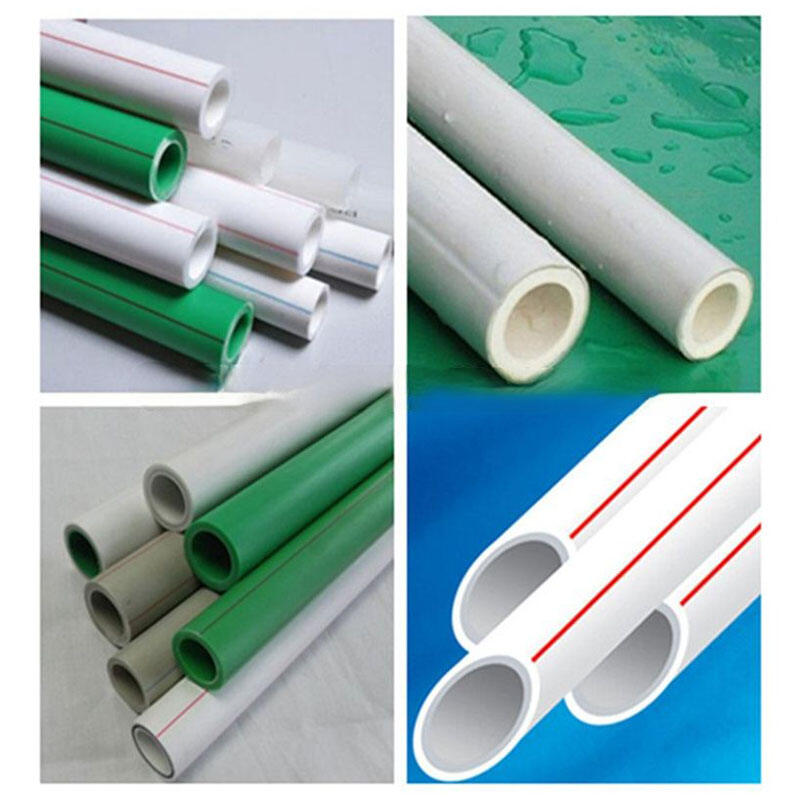
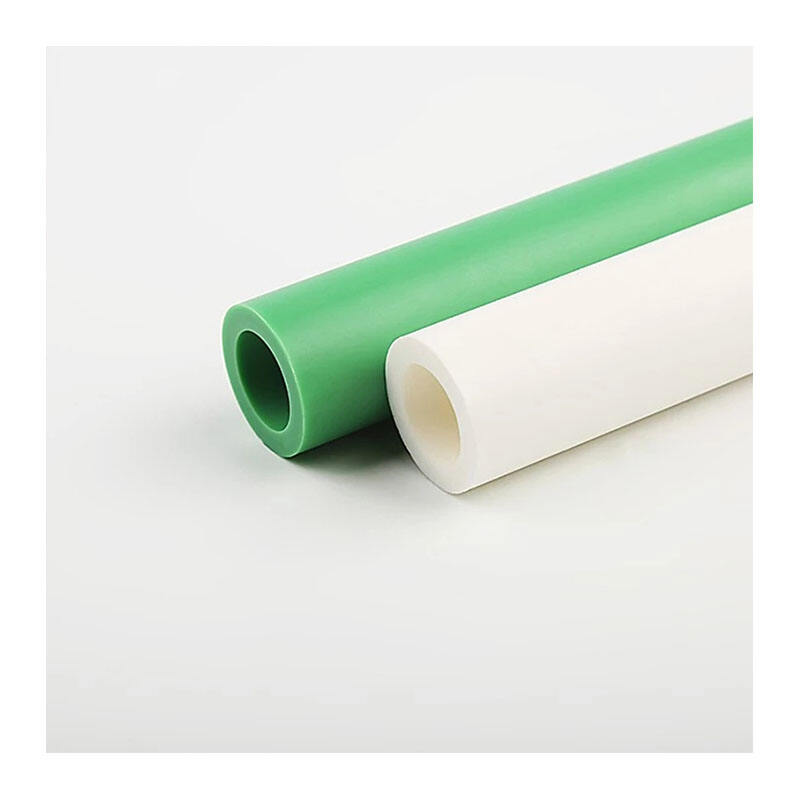
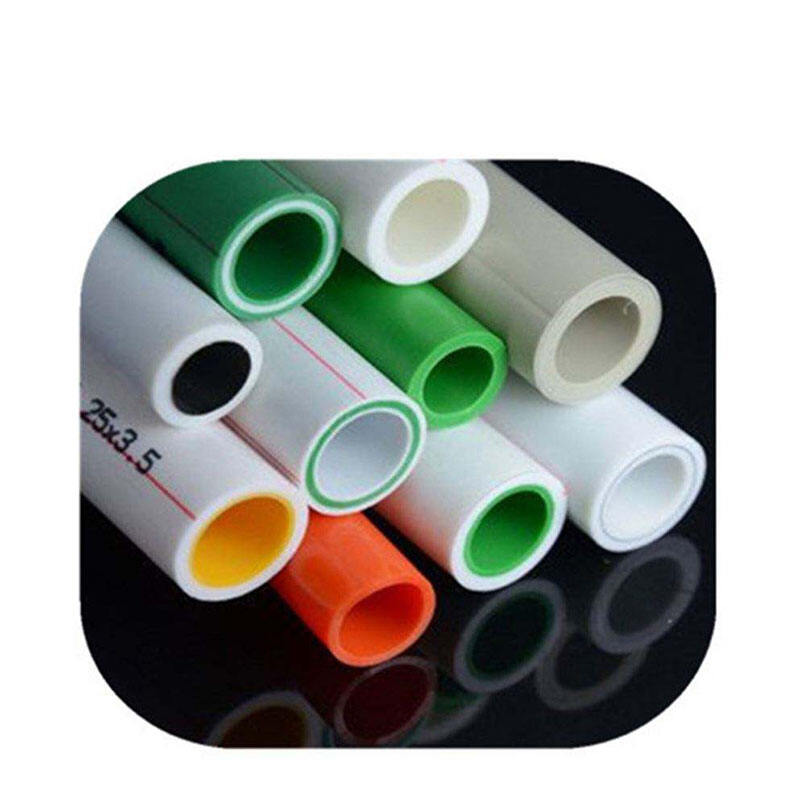
Premium PPR Hot Water Pipes - Superior Performance, Long-Lasting Reliability, and Advanced Installation Technology

Get a Free Quote

Our representative will contact you soon.
Email
Mobile
Name
Message
0/1000

ppr hot water pipe

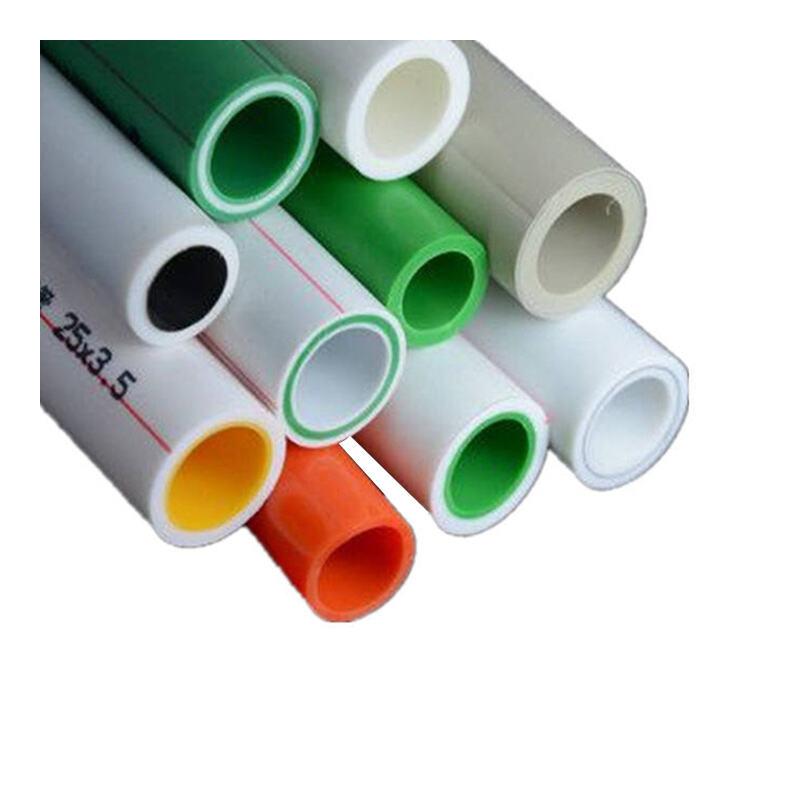
PPR hot water pipes represent a revolutionary advancement in modern plumbing systems, designed specifically to handle hot water distribution with exceptional performance and reliability. These pipes are manufactured from Polypropylene Random Copolymer, a thermoplastic material that exhibits superior heat resistance and chemical stability. The primary function of PPR hot water pipes is to transport heated water efficiently throughout residential, commercial, and industrial buildings while maintaining water quality and system integrity. The technological features of PPR hot water pipes include excellent thermal conductivity properties, seamless jointing capabilities through heat fusion welding, and outstanding resistance to scaling and corrosion. These pipes operate effectively at temperatures up to 95 degrees Celsius under normal pressure conditions, making them ideal for hot water supply systems, radiant heating installations, and various industrial applications. The manufacturing process involves precise temperature control and quality testing to ensure consistent wall thickness and dimensional accuracy. PPR hot water pipes feature smooth internal surfaces that prevent bacterial growth and maintain optimal water flow rates. Their applications span across multiple sectors including residential hot water systems, commercial building installations, hotel and hospitality complexes, healthcare facilities, and industrial process piping. The pipes are available in various diameters ranging from 20mm to 110mm, accommodating different flow requirements and system designs. Installation procedures for PPR hot water pipes are straightforward, requiring specialized fusion welding equipment to create permanent, leak-proof connections. The material composition ensures excellent flexibility during installation while maintaining structural strength under operating pressures. These pipes demonstrate remarkable longevity, with expected service life exceeding 50 years under normal operating conditions. Quality standards for PPR hot water pipes comply with international regulations and undergo rigorous testing for pressure resistance, temperature cycling, and chemical compatibility to ensure reliable performance in demanding applications.


New Product Recommendations

PPR hot water pipes deliver exceptional cost-effectiveness compared to traditional metal piping systems, eliminating concerns about rust, corrosion, and mineral buildup that plague copper and galvanized steel alternatives. Property owners save significantly on maintenance costs since PPR hot water pipes require minimal upkeep throughout their operational lifespan. The lightweight nature of these pipes reduces installation labor costs and simplifies handling procedures for plumbers and contractors. Energy efficiency represents another major advantage, as PPR hot water pipes provide excellent thermal insulation properties that minimize heat loss during water transport, resulting in lower energy bills and improved system performance. The smooth interior surface of PPR hot water pipes maintains consistent water pressure and flow rates while preventing the accumulation of sediments and scale deposits that commonly affect metal pipes. Installation flexibility stands out as a key benefit, allowing PPR hot water pipes to navigate complex routing requirements with ease due to their bendable characteristics and wide range of fitting options. The fusion welding connection method creates seamless joints that eliminate potential leak points, providing superior reliability compared to threaded or soldered connections used with conventional piping materials. Environmental sustainability makes PPR hot water pipes an attractive choice for eco-conscious consumers, as the material is fully recyclable and produces no toxic emissions during manufacturing or disposal processes. Chemical resistance ensures that PPR hot water pipes maintain water purity by not introducing metallic tastes or harmful substances into the water supply, making them particularly suitable for potable water applications. Temperature stability allows PPR hot water pipes to handle thermal expansion and contraction without cracking or deforming, ensuring long-term structural integrity even under fluctuating temperature conditions. The non-conductive properties of PPR hot water pipes eliminate electrical conductivity concerns and reduce the risk of galvanic corrosion when used alongside different metal components in plumbing systems. Noise reduction benefits emerge from the material properties of PPR hot water pipes, which absorb sound vibrations and minimize water hammer effects that create disruptive noises in traditional metal piping systems. Quality assurance comes standard with PPR hot water pipes through comprehensive testing protocols and certification programs that guarantee performance standards and provide peace of mind for property owners and contractors alike.

Practical Tips

Understanding the Benefits of Dredging Pipelines in Marine Construction

30

Jun

Understanding the Benefits of Dredging Pipelines in Marine Construction

Explore the profound impact of dredging pipelines in modern marine construction. Discover how they enhance efficiency, enable large-scale infrastructure, and support global trade. Learn about key materials like HDPE, PVC, and Polyethylene, and understand future trends in dredging technology.
View More
How to Choose the Right Dredging Pipeline for Your Project

30

Jun

How to Choose the Right Dredging Pipeline for Your Project

Explore the key requirements for dredging pipelines, including sediment type, project scope, and environmental regulations, to ensure optimal performance and compliance with industry standards. Learn about HDPE pipe advantages and considerations for efficient sediment transport.
View More
A Guide to Installing HDPE Silicon Core Pipes for Maximum Performance

24

Jun

A Guide to Installing HDPE Silicon Core Pipes for Maximum Performance

Explore the comprehensive guide on pre-installation preparation for HDPE silicon core pipes, including design planning, site setup, trench excavation, and maintenance strategies for long-term durability. Discover steps for regulatory compliance and testing to ensure optimal performance of your pipeline system.
View More
Krah Pipes: The Ultimate Solution for Large-Scale Drainage Projects

30

Jun

Krah Pipes: The Ultimate Solution for Large-Scale Drainage Projects

Explore the advantages of Krah Pipes in drainage systems. Learn how their high ring stiffness, lightweight design, and adaptability make them ideal for large-scale projects, providing cost-effective and durable solutions.
View More

Get a Free Quote

Our representative will contact you soon.
Email
Mobile
Name
Message
0/1000

ppr hot water pipe

Superior Temperature Performance and Thermal Stability

Superior Temperature Performance and Thermal Stability

PPR hot water pipes excel in high-temperature applications through advanced material engineering that enables sustained operation at elevated temperatures without compromising structural integrity or performance characteristics. The polypropylene random copolymer composition provides exceptional thermal stability, allowing these pipes to handle continuous hot water circulation at temperatures reaching 95 degrees Celsius while maintaining dimensional stability and pressure resistance. This superior temperature performance eliminates the thermal stress failures commonly experienced with conventional piping materials that expand and contract excessively under temperature fluctuations. The molecular structure of PPR material exhibits excellent thermal memory properties, enabling the pipes to return to their original dimensions after thermal cycling, which prevents permanent deformation and maintains system reliability over decades of service. Temperature resistance testing demonstrates that PPR hot water pipes retain their mechanical properties even after prolonged exposure to elevated temperatures, ensuring consistent performance throughout their operational lifespan. The thermal expansion coefficient of PPR material is carefully engineered to provide controlled expansion and contraction that can be easily accommodated through proper installation techniques and expansion joint placement. Heat transfer efficiency benefits from the thermal conductivity characteristics of PPR hot water pipes, which provide optimal balance between heat retention and thermal response for various heating system applications. Professional installers appreciate the temperature stability of PPR hot water pipes during fusion welding procedures, as the material maintains consistent melting properties that ensure reliable joint formation regardless of ambient temperature conditions. Quality control measures during manufacturing include comprehensive temperature cycling tests that simulate decades of thermal stress to verify long-term performance reliability. The thermal performance advantages of PPR hot water pipes extend to energy conservation benefits, as the stable thermal properties maintain system efficiency and reduce energy consumption compared to materials that suffer thermal degradation over time. Commercial and industrial applications particularly benefit from the superior temperature performance of PPR hot water pipes in demanding environments such as hotels, hospitals, and manufacturing facilities where consistent hot water delivery is critical for operations.
Advanced Fusion Welding Technology for Permanent Connections

Advanced Fusion Welding Technology for Permanent Connections

The revolutionary fusion welding technology employed with PPR hot water pipes creates molecularly bonded connections that surpass traditional joining methods in strength, reliability, and longevity. This advanced connection technique involves precisely controlled heating of pipe ends and fittings to their melting point, followed by immediate joining under controlled pressure to form homogeneous bonds that are stronger than the pipe material itself. The fusion welding process eliminates the need for chemical adhesives, mechanical fasteners, or threaded connections that can fail over time due to thermal cycling, vibration, or chemical degradation. Professional installation equipment ensures accurate temperature control and timing during the fusion welding process, creating consistent joint quality that meets rigorous pressure testing standards. The molecular bonding achieved through fusion welding prevents leak development at connection points, eliminating the maintenance issues associated with gasket failures, thread deterioration, or adhesive breakdown that affect other piping systems. Quality assurance protocols for fusion welded joints include pressure testing procedures that verify connection integrity and ensure compliance with industry standards for hot water piping applications. The permanent nature of fusion welded connections provides exceptional system reliability, as these joints maintain their integrity throughout temperature fluctuations, pressure variations, and extended service periods without requiring periodic maintenance or replacement. Installation efficiency improves significantly with fusion welding technology, as experienced technicians can create multiple connections quickly while ensuring consistent quality standards that eliminate callback issues. The seamless integration achieved through fusion welding prevents turbulence and pressure drops at connection points, maintaining optimal flow characteristics throughout the entire piping system. Training programs for fusion welding techniques ensure that installation professionals possess the necessary skills to achieve consistent results and maintain quality standards across different project types and applications. Environmental benefits of fusion welding include the elimination of chemical solvents and adhesives that can contribute to indoor air quality concerns or environmental contamination during installation procedures. System longevity increases substantially with fusion welded PPR hot water pipes, as the permanent connections eliminate the weak points that typically cause system failures in conventional piping installations.
Exceptional Corrosion Resistance and Water Purity Protection

Exceptional Corrosion Resistance and Water Purity Protection

PPR hot water pipes provide unmatched corrosion resistance that protects water quality and system integrity throughout decades of continuous service, eliminating the water contamination and system degradation issues that plague metal piping alternatives. The inert chemical properties of polypropylene random copolymer prevent oxidation, electrochemical corrosion, and chemical reactions that cause metal pipes to deteriorate and introduce harmful substances into the water supply. Water purity remains consistently high with PPR hot water pipes, as the smooth, non-reactive interior surface prevents the formation of biofilms, bacterial growth, and mineral deposits that commonly develop in metal piping systems. The absence of metallic ions in PPR material eliminates the metallic taste and discoloration problems associated with copper and iron pipes, ensuring that hot water maintains its intended quality and taste characteristics. Chemical compatibility testing demonstrates that PPR hot water pipes resist degradation from water treatment chemicals, cleaning agents, and naturally occurring minerals that cause corrosion in conventional piping materials. Long-term performance studies show that PPR hot water pipes maintain their structural integrity and water quality protection capabilities for over 50 years without requiring replacement due to corrosion-related failures. The non-metallic composition of PPR hot water pipes eliminates galvanic corrosion concerns when connecting to different metal components in plumbing systems, preventing the accelerated deterioration that occurs at dissimilar metal interfaces. Installation in aggressive water conditions, including high mineral content or low pH environments, demonstrates the superior corrosion resistance of PPR hot water pipes compared to metal alternatives that suffer rapid deterioration under similar conditions. Maintenance cost savings result from the exceptional corrosion resistance of PPR hot water pipes, as property owners avoid the expensive repairs, replacements, and water damage associated with corroded metal piping failures. Health benefits emerge from the corrosion resistance properties of PPR hot water pipes, as the elimination of metal corrosion products prevents potential health risks associated with heavy metal contamination in drinking water supplies. Quality certifications for PPR hot water pipes include comprehensive testing for chemical resistance and water quality protection, ensuring compliance with drinking water standards and building codes. The predictable performance characteristics of corrosion-resistant PPR hot water pipes enable accurate lifecycle cost analysis and system planning, providing property owners with reliable long-term infrastructure investments that maintain their value and performance over time.
Inquiry Premium PPR Hot Water Pipes - Superior Performance, Long-Lasting Reliability, and Advanced Installation Technology Inquiry Premium PPR Hot Water Pipes - Superior Performance, Long-Lasting Reliability, and Advanced Installation Technology Premium PPR Hot Water Pipes - Superior Performance, Long-Lasting Reliability, and Advanced Installation Technology Premium PPR Hot Water Pipes - Superior Performance, Long-Lasting Reliability, and Advanced Installation Technology
Write down your question

We are not only a product manufacturer, but also a solution provider. Whether you have questions or quotation requests, we will help you.

Get a Quote

Contact Us

Your email address will not be published. Required fields are marked *
Email
Name
Mobile
Message
0/1000