Premium Polypropylene Pipes for Hot Water Systems - Superior Performance & Durability

Get a Free Quote

Our representative will contact you soon.
Email
Mobile
Name
Message
0/1000

polypropylene pipes for hot water

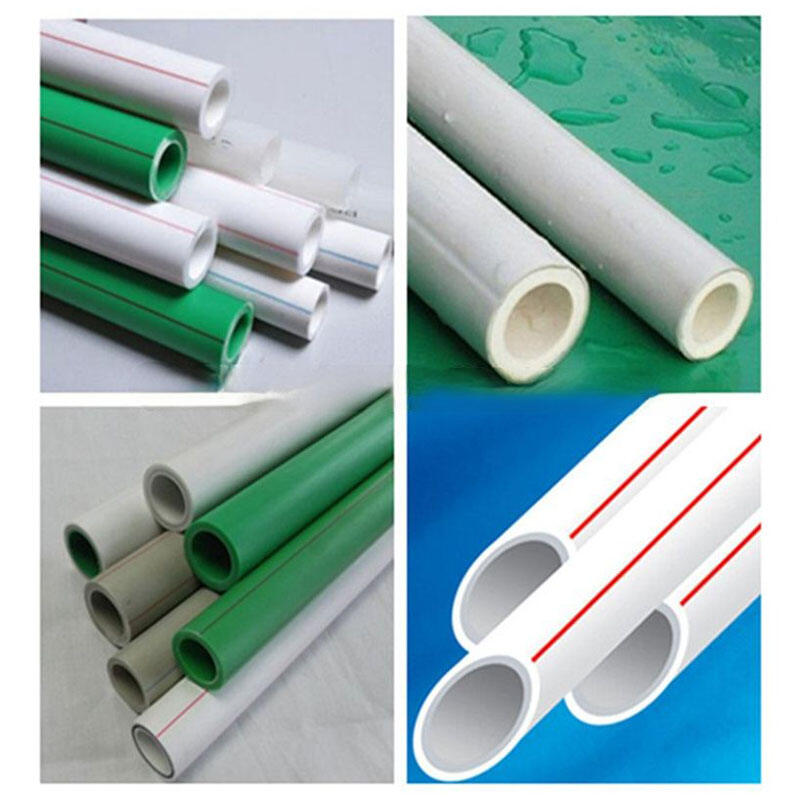
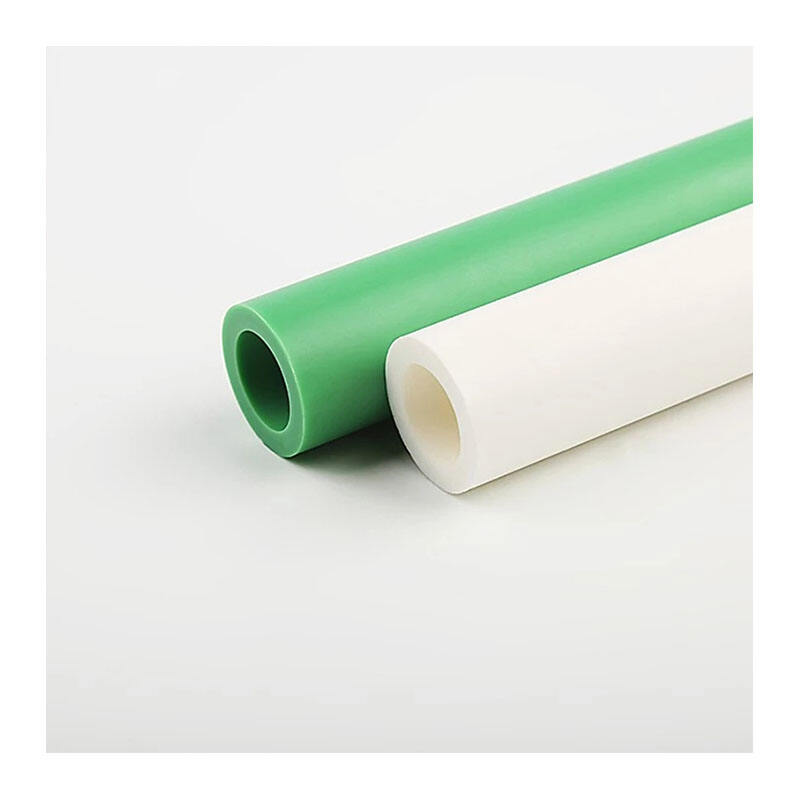
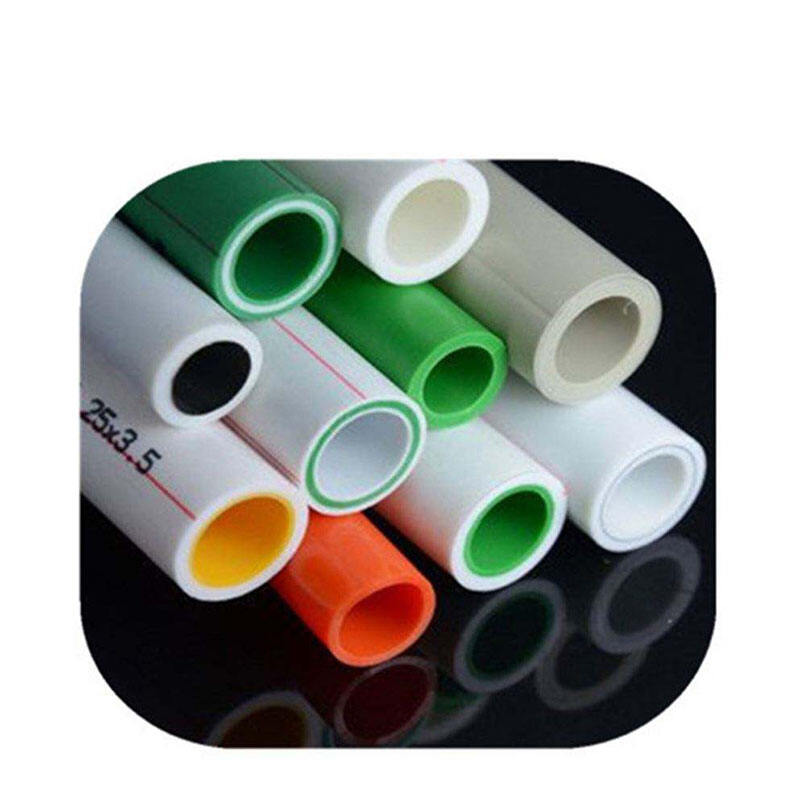
Polypropylene pipes for hot water represent a revolutionary advancement in modern plumbing systems, designed specifically to handle high-temperature applications with exceptional reliability and performance. These specialized pipes are manufactured using high-grade polypropylene materials that undergo advanced polymer processing to create a robust piping solution capable of withstanding temperatures up to 95 degrees Celsius continuously, making them ideal for residential and commercial hot water distribution systems. The main functions of polypropylene pipes for hot water include efficient thermal distribution, maintaining water quality integrity, and providing long-term structural stability under varying pressure conditions. These pipes feature a multi-layer construction that incorporates reinforcement materials, typically aluminum or fiberglass, between inner and outer polypropylene layers, creating a composite structure that combines flexibility with strength. The technological features include superior thermal expansion control, which minimizes pipe movement and stress on joints during temperature fluctuations, and excellent chemical resistance that prevents degradation from water treatment chemicals and minerals commonly found in municipal water supplies. The inner surface maintains smooth flow characteristics that reduce friction losses and prevent scale buildup, ensuring consistent water pressure and flow rates throughout the system lifespan. Applications for polypropylene pipes for hot water span across residential heating systems, commercial building hot water distribution, industrial process water lines, and radiant floor heating installations. The installation process utilizes fusion welding techniques that create seamless, leak-proof connections stronger than the pipe material itself. These pipes demonstrate exceptional durability in both exposed and concealed installations, maintaining structural integrity in wall cavities, concrete slabs, and outdoor applications where temperature variations are significant. The lightweight nature of polypropylene pipes for hot water reduces installation complexity and labor costs while providing superior performance compared to traditional metal piping systems that may suffer from corrosion, scaling, and thermal expansion issues.


Popular Products

Polypropylene pipes for hot water deliver significant advantages that make them the preferred choice for modern plumbing professionals and property owners seeking reliable, cost-effective solutions. These pipes resist corrosion completely, eliminating the rust and mineral buildup problems that plague traditional metal pipes, which means your hot water system maintains optimal flow rates and water quality for decades without degradation. The smooth interior surface prevents scale accumulation and bacterial growth, ensuring clean, healthy water delivery while reducing maintenance requirements and extending system lifespan significantly. Energy efficiency represents another major benefit, as polypropylene pipes for hot water provide excellent insulation properties that minimize heat loss during water transport, reducing energy consumption and lowering utility bills substantially. Installation costs drop dramatically because these lightweight pipes require fewer support brackets, reduce labor time, and eliminate the need for specialized tools or expensive fittings common with metal alternatives. The flexibility of polypropylene pipes for hot water allows for easier routing around obstacles, reducing the number of joints and potential leak points while accommodating building settlement and thermal movement without stress cracking. Fusion welding creates permanent, monolithic connections that eliminate threaded joints and mechanical fittings prone to failure, providing superior reliability and virtually eliminating callback service issues. Environmental benefits include complete recyclability and reduced manufacturing energy compared to metal pipes, supporting sustainable building practices and reducing project environmental impact. The chemical resistance of polypropylene pipes for hot water protects against aggressive water conditions, chemical treatments, and cleaning agents that can damage other piping materials, ensuring consistent performance regardless of local water quality conditions. Noise reduction capabilities significantly decrease water flow sounds and thermal expansion noises that can disturb occupants, particularly important in multi-family housing and commercial applications. Long-term cost savings accumulate through reduced maintenance needs, elimination of pipe replacement due to corrosion, and improved system efficiency that maintains optimal performance throughout the building's operational life. The proven track record of polypropylene pipes for hot water in demanding commercial and industrial applications demonstrates their reliability and performance consistency, providing confidence for residential applications where dependability and longevity are essential considerations for homeowners and building managers.

Latest News

Pressure test of PE steel mesh skeleton

14

Sep

Pressure test of PE steel mesh skeleton

View More
Choosing the Right HDPE Pipes for Your Industrial Applications

24

Jun

Choosing the Right HDPE Pipes for Your Industrial Applications

Discover the core selection criteria for industrial HDPE pipes, including pressure and temperature specifications, chemical resistance, and application-specific considerations for industries like water management, oil & gas, and mining operations. Learn about HDPE's advantages in corrosion resistance, long-term durability, and environmental impact, along with best practices for installation and maintenance. Perfect for those seeking sustainable and efficient industrial solutions.
View More
The Advantages of HDPE Silicon Core Pipes for Fiber Optic Cable Installation

24

Jun

The Advantages of HDPE Silicon Core Pipes for Fiber Optic Cable Installation

Explore the structural advantages of HDPE silicon core pipes, featuring dual-layer protection, chemical resistance, UV stability, and cost-effectiveness. Ideal for telecommunication networks, data centers, and urban infrastructure, learn how these pipes offer sustainable and reliable solutions.
View More
PVC-U Pipes: The Ultimate Solution for Well Construction – Unmatched Performance and Durability

04

Jun

PVC-U Pipes: The Ultimate Solution for Well Construction – Unmatched Performance and Durability

View More

Get a Free Quote

Our representative will contact you soon.
Email
Mobile
Name
Message
0/1000

polypropylene pipes for hot water

Superior Temperature Performance and Thermal Stability

Superior Temperature Performance and Thermal Stability

Polypropylene pipes for hot water excel in high-temperature environments through advanced polymer engineering that maintains structural integrity and performance characteristics across extreme temperature ranges. The specialized polypropylene compound formulation incorporates stabilizers and reinforcement materials that prevent thermal degradation, softening, or dimensional changes when exposed to continuous high-temperature operation up to 95 degrees Celsius. This exceptional thermal stability ensures that polypropylene pipes for hot water maintain their pressure ratings and flow characteristics regardless of system operating conditions, providing consistent performance throughout seasonal variations and peak demand periods. The multi-layer construction technology combines the benefits of polypropylene's chemical resistance with reinforcement materials that control thermal expansion, preventing the pipe movement and joint stress that can compromise system reliability in traditional single-layer pipes. Advanced manufacturing processes create molecular bonds within the pipe wall structure that resist thermal cycling stress, preventing micro-cracking and fatigue failures that commonly affect other thermoplastic materials under repeated heating and cooling cycles. The thermal expansion coefficient of properly designed polypropylene pipes for hot water remains manageable through engineering solutions that accommodate movement without creating excessive stress on mounting systems or connected equipment. Installation techniques specific to polypropylene pipes for hot water include strategic placement of expansion loops and supports that work with the material properties to create systems that operate smoothly across temperature ranges while maintaining joint integrity and preventing noise generation. The insulation properties inherent in polypropylene material provide additional energy efficiency benefits by reducing heat loss during water transport, maintaining water temperature more effectively than metal alternatives and reducing the energy required to maintain system temperature. Quality control measures during manufacturing ensure consistent wall thickness and material properties that provide predictable thermal performance throughout the pipe length, eliminating weak spots or variations that could compromise system reliability under thermal stress conditions.
Advanced Fusion Welding Technology for Permanent Connections

Advanced Fusion Welding Technology for Permanent Connections

The fusion welding technology used with polypropylene pipes for hot water creates superior joint integrity that surpasses traditional mechanical connection methods through molecular bonding that makes connections stronger than the pipe material itself. This advanced joining technique utilizes precise temperature and time controls to create seamless transitions between pipe sections, eliminating the weak points and potential failure modes associated with threaded connections, soldered joints, or mechanical fittings commonly used with other piping materials. Polypropylene pipes for hot water benefit from this technology because the fusion process creates a homogeneous pipe system where joints become integral parts of the continuous pipe structure, preventing leaks and maintaining full pressure ratings throughout the installation. The fusion welding equipment designed specifically for polypropylene pipes for hot water ensures consistent heating profiles and proper molecular fusion depths that create reliable, permanent connections regardless of installer experience level or environmental conditions during installation. Quality assurance procedures include visual inspection criteria and testing methods that verify proper fusion characteristics, ensuring every joint meets performance standards for pressure retention, temperature resistance, and long-term reliability in demanding hot water applications. The elimination of consumable joining materials such as flux, solder, or thread compounds reduces installation costs and environmental impact while preventing potential contamination sources that could affect water quality or system performance over time. Fusion welding technology accommodates various pipe sizes and configurations used in polypropylene pipes for hot water systems, from small residential branches to large commercial distribution mains, providing consistent joint quality across all installation scales. The speed of fusion welding operations reduces installation time compared to traditional joining methods, allowing faster project completion while maintaining superior connection quality that provides decades of reliable service without maintenance or replacement requirements. Training programs for fusion welding techniques ensure proper installation practices that maximize the performance benefits of polypropylene pipes for hot water, creating certified installer networks that support successful project outcomes and customer satisfaction throughout the system operational life.
Comprehensive Chemical and Corrosion Resistance Protection

Comprehensive Chemical and Corrosion Resistance Protection

Polypropylene pipes for hot water provide unmatched protection against chemical attack and corrosion that destroys traditional metal piping systems, offering superior longevity and performance through advanced polymer chemistry that resists degradation from aggressive water conditions, treatment chemicals, and environmental factors. The molecular structure of polypropylene creates an inert surface that remains unaffected by chlorine, chloramines, and other water treatment chemicals commonly used in municipal water systems, preventing the pitting, scaling, and gradual deterioration that shortens the lifespan of copper and steel pipes significantly. This comprehensive chemical resistance ensures that polypropylene pipes for hot water maintain their smooth interior surfaces throughout decades of service, preventing the rough, scaled surfaces that develop in metal pipes and reduce flow capacity while harboring bacterial growth and affecting water quality negatively. The resistance to electrochemical corrosion eliminates galvanic action problems that occur when dissimilar metals contact each other in plumbing systems, preventing the accelerated corrosion and premature failures that require expensive repairs and water damage remediation in traditional metal installations. Polypropylene pipes for hot water demonstrate exceptional resistance to aggressive water conditions including high mineral content, low pH levels, and dissolved gases that rapidly attack metal alternatives, making them ideal for areas with challenging water chemistry where traditional materials fail repeatedly. The chemical stability extends to cleaning agents and maintenance chemicals used in building systems, allowing normal cleaning and disinfection procedures without concern for pipe damage or degradation that could compromise system integrity or water quality standards. Testing protocols demonstrate that polypropylene pipes for hot water maintain their mechanical properties and pressure ratings even after extended exposure to chemical combinations that would destroy other piping materials, providing confidence for long-term installations in demanding commercial and industrial environments. The elimination of corrosion products prevents the brown water, metallic taste, and reduced flow problems associated with deteriorating metal pipes, ensuring consistent water quality and system performance throughout the building's operational life while reducing maintenance costs and service disruptions significantly.
Inquiry Premium Polypropylene Pipes for Hot Water Systems - Superior Performance & Durability Inquiry Premium Polypropylene Pipes for Hot Water Systems - Superior Performance & Durability Premium Polypropylene Pipes for Hot Water Systems - Superior Performance & Durability Premium Polypropylene Pipes for Hot Water Systems - Superior Performance & Durability
Write down your question

We are not only a product manufacturer, but also a solution provider. Whether you have questions or quotation requests, we will help you.

Get a Quote

Contact Us

Your email address will not be published. Required fields are marked *
Email
Name
Mobile
Message
0/1000