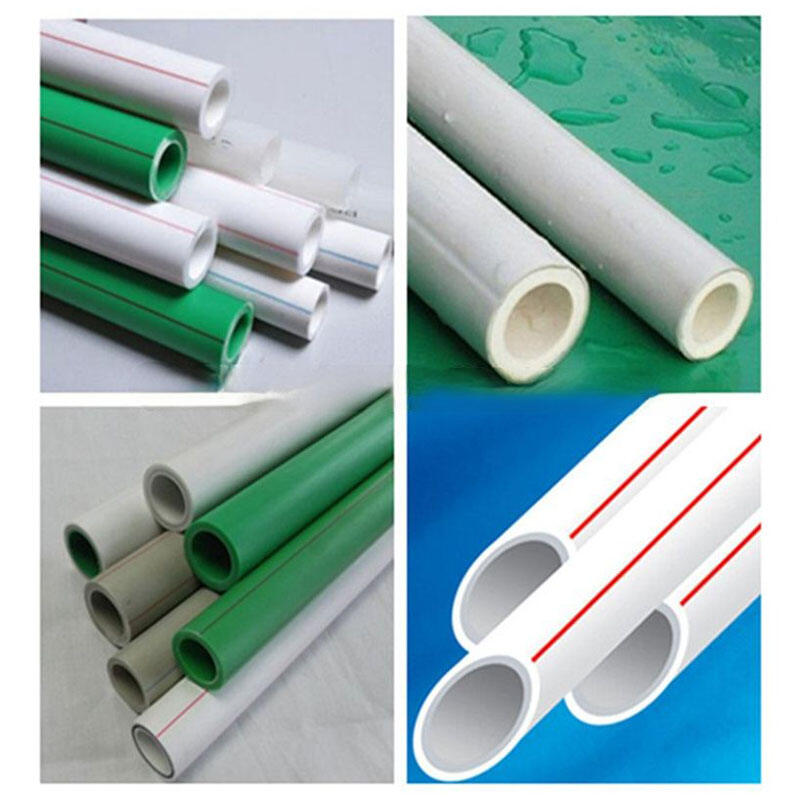
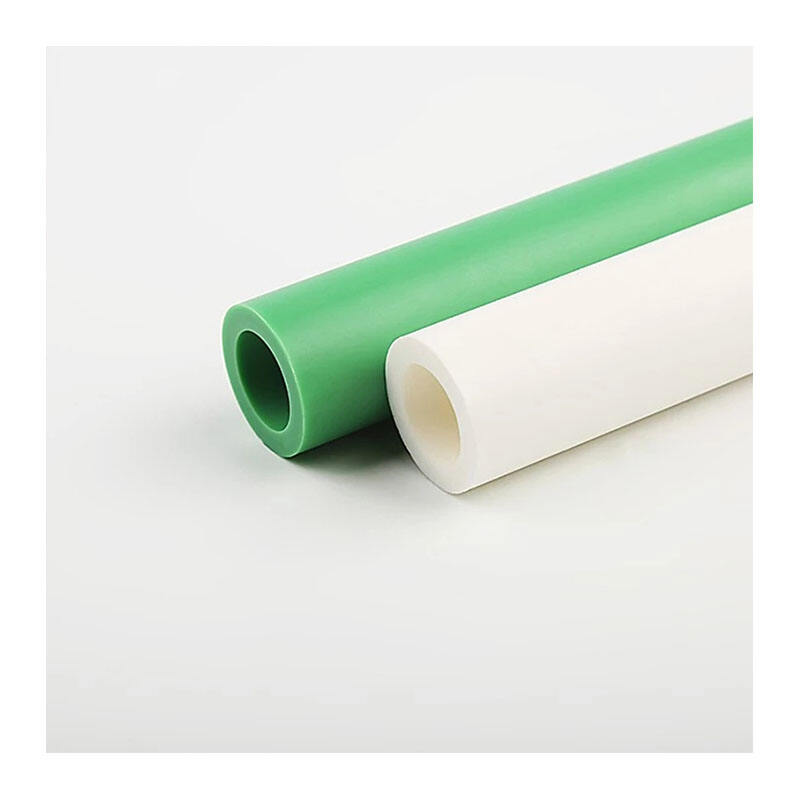
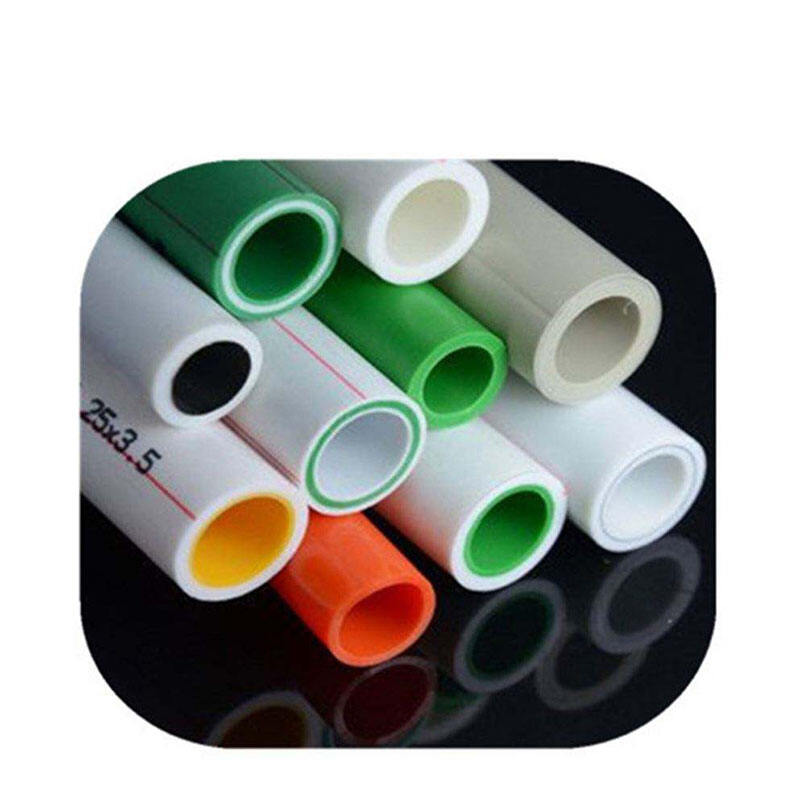
PPR Pipework: Advanced Polypropylene Piping Solutions for Superior Performance

Get a Free Quote

Our representative will contact you soon.
Email
Mobile
Name
Message
0/1000

ppr pipework

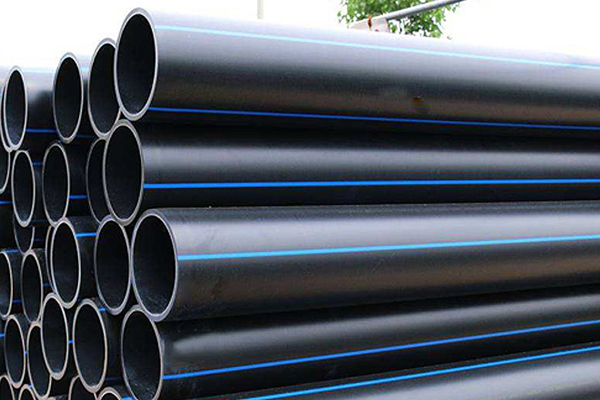
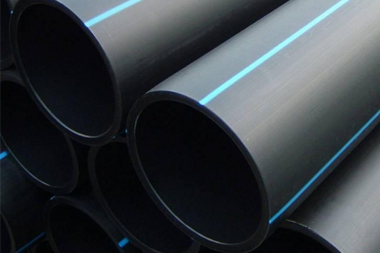
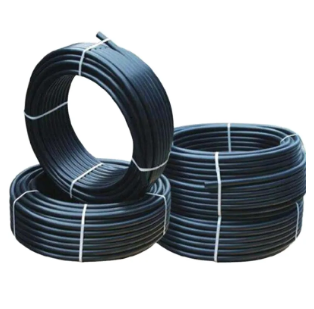
PPR pipework stands as a revolutionary solution in modern plumbing and heating systems, representing polypropylene random copolymer technology that has transformed industrial and residential applications worldwide. This advanced piping system delivers exceptional performance through its unique molecular structure, which combines flexibility with remarkable durability. PPR pipework functions as a comprehensive water distribution network, capable of handling both hot and cold water applications with equal efficiency. The system operates effectively within temperature ranges from freezing conditions up to 95 degrees Celsius, making it suitable for diverse climatic conditions and various installation environments. The technological foundation of PPR pipework relies on advanced polymer science, where random copolymer chains create a material that resists chemical degradation while maintaining structural integrity over decades of continuous use. The manufacturing process involves precise temperature control and pressure molding, resulting in pipes with uniform wall thickness and consistent internal diameter measurements. PPR pipework applications span residential buildings, commercial complexes, industrial facilities, and municipal water systems. The versatility of this piping solution extends to heating systems, where it efficiently transports heated water through radiator circuits and underfloor heating networks. Agricultural irrigation systems also benefit from PPR pipework due to its resistance to fertilizers and soil chemicals. The installation process involves heat fusion welding, creating permanent joints that eliminate potential leak points common in traditional threaded connections. This fusion technology ensures that PPR pipework installations maintain their integrity throughout their operational lifespan, typically exceeding fifty years under normal operating conditions. The smooth internal surface of PPR pipework minimizes friction losses, optimizing water flow rates while reducing energy consumption in pumping systems.

New Product Releases

PPR pipework offers numerous compelling advantages that make it the preferred choice for modern plumbing installations across residential, commercial, and industrial sectors. The primary benefit lies in its exceptional longevity, with properly installed PPR pipework systems lasting over fifty years without requiring major maintenance or replacement. This extended lifespan translates into significant cost savings for property owners, eliminating the recurring expenses associated with traditional piping materials that deteriorate more rapidly. The corrosion resistance of PPR pipework stands unmatched among plumbing materials, as the polypropylene composition remains unaffected by acidic or alkaline water conditions that typically damage metal pipes. This resistance extends to scale buildup, ensuring that water flow rates remain consistent throughout the system's operational life. Installation advantages of PPR pipework include lightweight construction that reduces labor costs and installation time compared to heavier alternatives. The heat fusion joining method creates seamless connections that eliminate threaded joints prone to leakage, resulting in virtually maintenance-free installations. PPR pipework maintains excellent thermal properties, providing natural insulation that reduces heat loss in hot water distribution systems and prevents condensation formation on cold water lines. The material's flexibility allows for easier routing around obstacles and reduces the number of fittings required in complex installations. Environmental benefits of PPR pipework include complete recyclability at the end of its service life and non-toxic composition that maintains water quality without introducing harmful chemicals. The manufacturing process produces minimal environmental impact compared to metal pipe production, supporting sustainable construction practices. PPR pipework systems operate silently, eliminating the water hammer and expansion noises common with rigid piping materials. This noise reduction feature proves particularly valuable in residential applications where comfort and tranquility matter. The material's resistance to freeze damage provides additional security in cold climates, as PPR pipework can withstand freezing without cracking, unlike rigid alternatives that fail catastrophically under similar conditions.

Latest News

Pressure test of PE steel mesh skeleton

14

Sep

Pressure test of PE steel mesh skeleton

View More
HDPE Pipe: Key Material for Modern Pipe Systems

18

Sep

HDPE Pipe: Key Material for Modern Pipe Systems

View More
HDPE Fitting: A key component for connecting future pipeline systems

18

Sep

HDPE Fitting: A key component for connecting future pipeline systems

View More
The Advantages of HDPE Silicon Core Pipes for Fiber Optic Cable Installation

24

Jun

The Advantages of HDPE Silicon Core Pipes for Fiber Optic Cable Installation

Explore the structural advantages of HDPE silicon core pipes, featuring dual-layer protection, chemical resistance, UV stability, and cost-effectiveness. Ideal for telecommunication networks, data centers, and urban infrastructure, learn how these pipes offer sustainable and reliable solutions.
View More

Get a Free Quote

Our representative will contact you soon.
Email
Mobile
Name
Message
0/1000

ppr pipework

Superior Thermal Performance and Energy Efficiency

Superior Thermal Performance and Energy Efficiency

PPR pipework excels in thermal performance characteristics that directly translate into measurable energy savings and enhanced system efficiency for both heating and cooling applications. The inherent insulating properties of polypropylene random copolymer material significantly reduce heat transfer through pipe walls, maintaining water temperatures more effectively than traditional metal alternatives. This thermal efficiency proves particularly valuable in hot water distribution systems, where PPR pipework can reduce heat loss by up to thirty percent compared to copper or steel pipes of equivalent dimensions. The reduced thermal conductivity means that hot water reaches fixtures faster and maintains temperature longer, improving user comfort while reducing energy consumption for water heating systems. In heating applications, PPR pipework maintains consistent temperatures throughout the distribution network, ensuring uniform heat delivery to all zones without the temperature variations common in metal systems. The material's low thermal expansion coefficient minimizes stress on joints and fittings during temperature fluctuations, preventing the loosening and leakage issues that plague other piping systems. Cold water applications benefit equally from PPR pipework thermal properties, as the natural insulation prevents condensation formation on exterior surfaces, eliminating moisture-related problems in wall cavities and ceiling spaces. The energy efficiency advantages extend beyond direct thermal performance to include reduced pumping costs, as the smooth interior surface of PPR pipework creates less friction resistance than corroded or scaled metal pipes. Property owners can expect substantial utility bill reductions over the system's lifespan, with energy savings often recovering the initial installation investment within several years. The thermal stability of PPR pipework ensures consistent performance across varying seasonal conditions, maintaining efficiency standards throughout summer cooling demands and winter heating requirements without degradation or performance loss.
Exceptional Chemical Resistance and Water Quality Protection

Exceptional Chemical Resistance and Water Quality Protection

PPR pipework demonstrates outstanding chemical resistance properties that ensure long-term system integrity while protecting water quality throughout the distribution network. The polypropylene random copolymer composition remains chemically inert when exposed to virtually all common water treatment chemicals, including chlorine, fluoride, and various disinfectants used in municipal water systems. This chemical stability prevents the leaching of metallic ions or other contaminants that can occur with metal piping systems, ensuring that water quality remains consistent from source to point of use. The non-reactive nature of PPR pipework proves particularly beneficial in areas with aggressive water conditions, where high mineral content or low pH levels typically cause rapid degradation of metal pipes. Unlike copper systems that can impart metallic tastes or cause blue-green staining, PPR pipework maintains neutral water characteristics without affecting taste, odor, or appearance. The material's resistance to scale formation prevents the buildup of mineral deposits that reduce pipe diameter and impede water flow over time. This scale resistance maintains optimal system performance throughout the operational lifespan while eliminating the need for chemical descaling treatments that can damage other piping materials. PPR pipework also resists biological contamination, as the smooth internal surface provides no opportunities for bacterial growth or biofilm formation that can occur in rougher pipe materials. The chemical resistance extends to external environmental factors, including soil chemicals, fertilizers, and industrial pollutants that might contact buried portions of the piping system. This comprehensive chemical protection ensures that PPR pipework maintains structural integrity and performance standards even in challenging installation environments. The material's stability under chemical exposure eliminates the gradual weakening and eventual failure modes common with reactive piping materials, providing long-term reliability and consistent water quality protection.
Revolutionary Heat Fusion Installation Technology

Revolutionary Heat Fusion Installation Technology

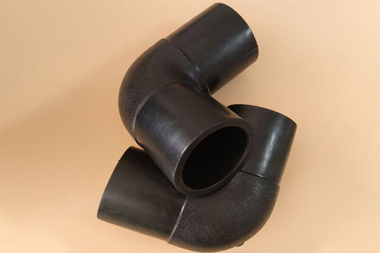
PPR pipework utilizes advanced heat fusion welding technology that creates permanent, leak-proof connections superior to traditional mechanical joining methods used in conventional plumbing systems. The heat fusion process involves precisely controlled heating of pipe ends and fittings to create molecular bonding between components, resulting in joints that are actually stronger than the parent pipe material itself. This fusion welding eliminates the threaded connections, soldered joints, and mechanical couplings that represent potential failure points in other piping systems, creating a monolithic installation that maintains integrity throughout its operational lifespan. The installation process requires specialized tools that ensure consistent heating temperatures and pressure application, guaranteeing reliable joint formation that meets international quality standards. Professional installers can complete PPR pipework fusion joints quickly and efficiently, reducing overall installation time while achieving superior connection reliability compared to traditional methods. The fusion technology accommodates various fitting configurations, including elbows, tees, reducers, and specialized connections for different system requirements without compromising joint strength or reliability. The permanent nature of heat fusion joints eliminates the gradual loosening and deterioration common with threaded connections exposed to thermal cycling and system pressure variations. This installation method proves particularly valuable in concealed applications, such as wall cavities or underground installations, where access for maintenance or repair is limited or costly. The fusion process creates joints that maintain their integrity under high pressure conditions, making PPR pipework suitable for both low-pressure residential applications and high-pressure commercial or industrial systems. The technology also enables field repairs and modifications using portable fusion equipment, allowing for system adjustments or expansions without requiring complete section replacement. Quality control measures built into the fusion process include visual indicators that confirm proper joint formation, providing installers and inspectors with immediate verification of connection integrity before system pressurization and commissioning.

Inquiry PPR Pipework: Advanced Polypropylene Piping Solutions for Superior Performance Inquiry PPR Pipework: Advanced Polypropylene Piping Solutions for Superior Performance PPR Pipework: Advanced Polypropylene Piping Solutions for Superior Performance PPR Pipework: Advanced Polypropylene Piping Solutions for Superior Performance
Write down your question

We are not only a product manufacturer, but also a solution provider. Whether you have questions or quotation requests, we will help you.

Get a Quote

Contact Us

Your email address will not be published. Required fields are marked *
Email
Name
Mobile
Message
0/1000