Outstanding Chemical Resistance and Water Quality Protection
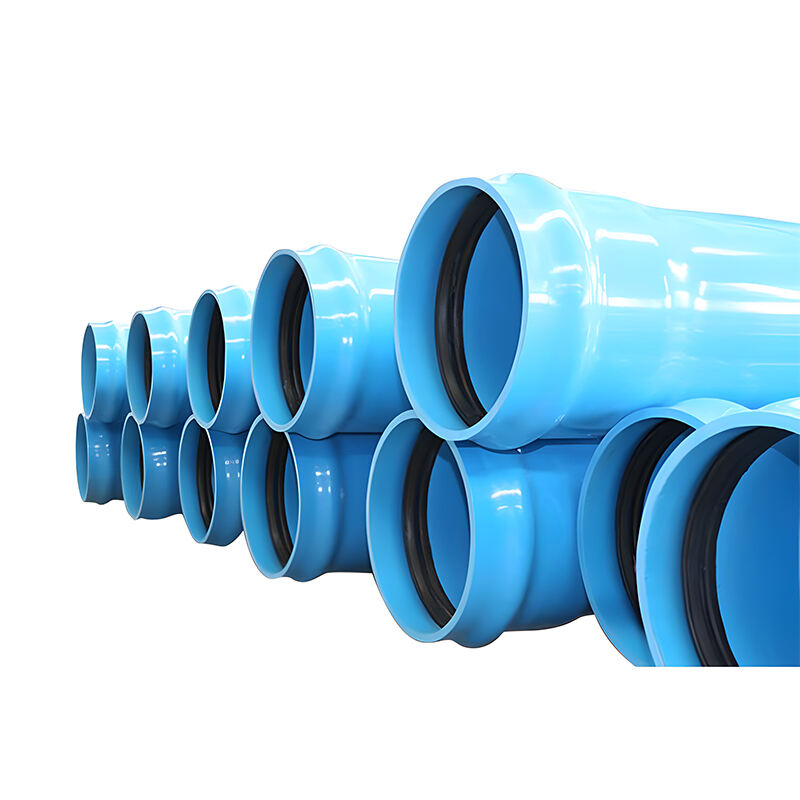
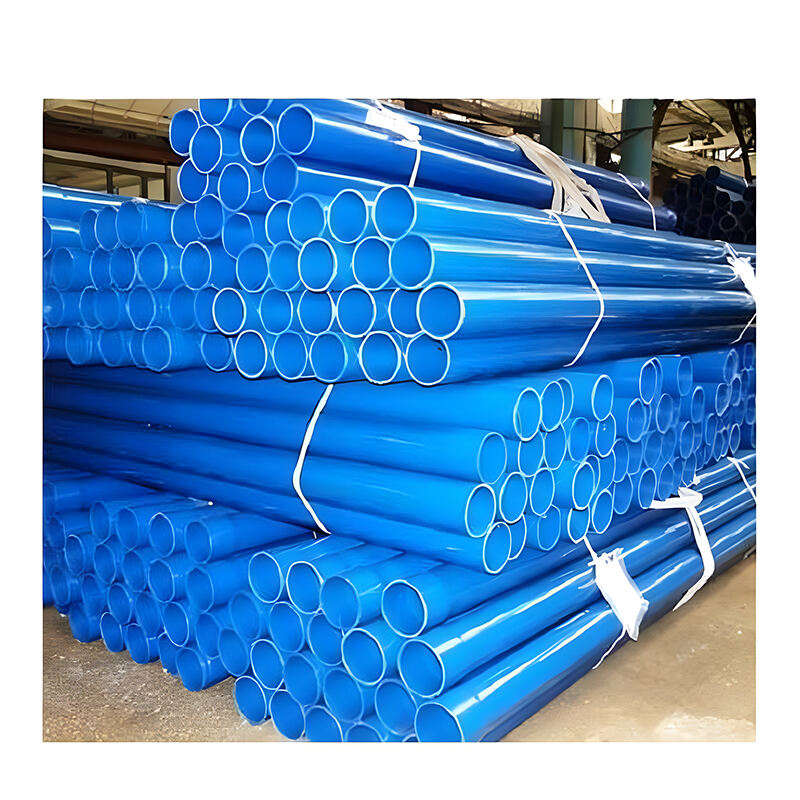
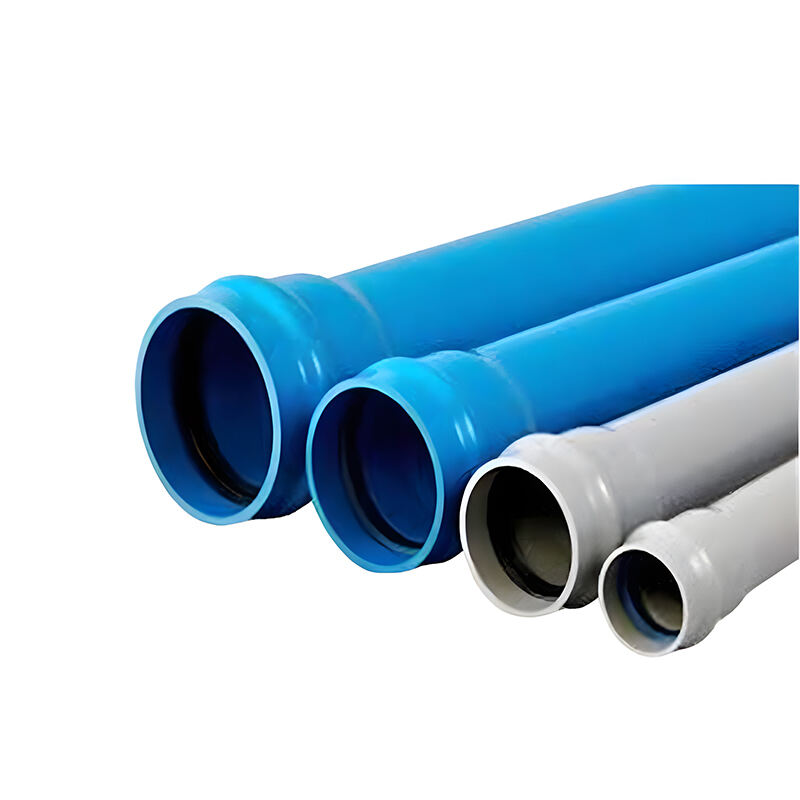
The polyvinyl chloride pipe provides exceptional chemical resistance that safeguards water quality and protects system components from degradation caused by corrosive substances commonly present in water supplies and industrial applications. This chemical inertness results from the stable polymer chains within the polyvinyl chloride material structure, which resist reaction with acids, alkalis, salts, and organic compounds that attack metal piping systems. Municipal water treatment chemicals, including chlorine, chloramines, and fluoride compounds, have no adverse effect on polyvinyl chloride pipe materials, ensuring long-term compatibility with treated water supplies. The non-reactive nature of polyvinyl chloride pipe prevents the leaching of metallic ions into water supplies, eliminating taste and odor problems associated with corroded metal pipes. Scale formation, a common problem in hard water areas, does not occur on the smooth interior surfaces of polyvinyl chloride pipe, maintaining full flow capacity throughout the system's service life. Industrial applications benefit from the pipe's resistance to aggressive chemicals, including petroleum products, solvents, and processing chemicals that would quickly destroy conventional piping materials. The polyvinyl chloride pipe maintains water purity by preventing bacterial growth and biofilm formation on its non-porous interior surfaces, contributing to healthier water delivery systems. Electrolytic corrosion, which destroys metal pipes in contact with dissimilar materials, cannot occur with polyvinyl chloride pipe systems, eliminating a major cause of premature pipe failure. The material's resistance to hydrogen sulfide and other corrosive gases commonly present in groundwater ensures reliable performance in challenging water quality environments. Temperature variations do not compromise the chemical resistance properties of polyvinyl chloride pipe, maintaining protection across the full range of typical water system operating conditions. The polyvinyl chloride pipe resists attack from soil chemicals and fertilizers in agricultural applications, providing reliable service for irrigation systems and rural water supplies. Quality testing protocols verify the chemical compatibility of polyvinyl chloride pipe materials with specific applications, ensuring appropriate material selection for unique service conditions. The pipe's inert properties eliminate the need for protective coatings or cathodic protection systems required by metal pipes, reducing installation complexity and maintenance requirements. Environmental benefits include the prevention of soil and groundwater contamination that can result from corroded metal pipe failures, supporting sustainable infrastructure development practices.