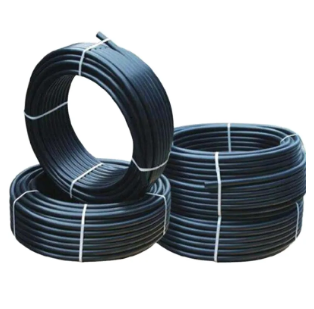
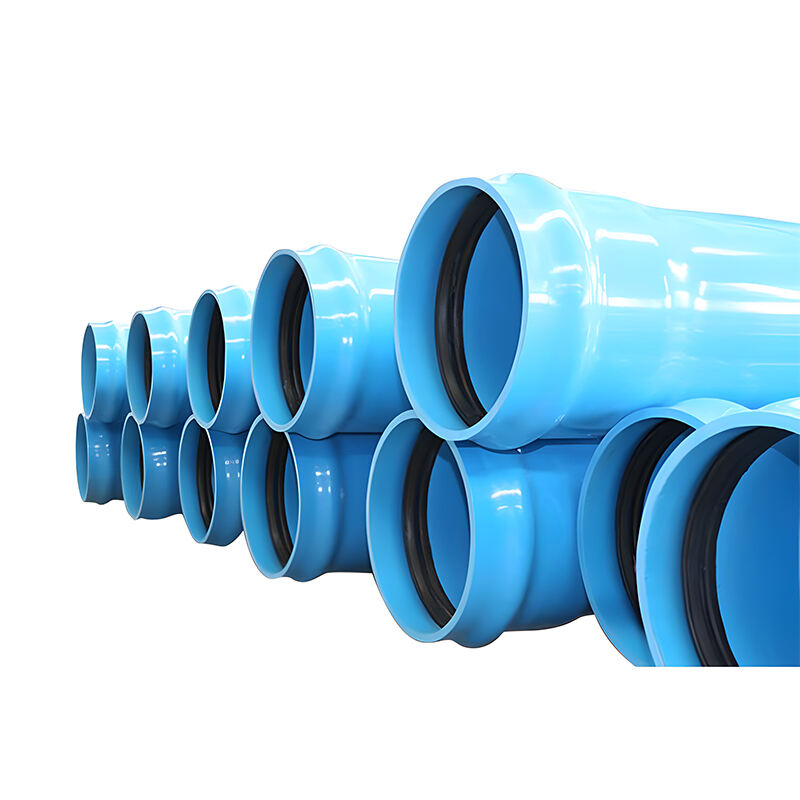
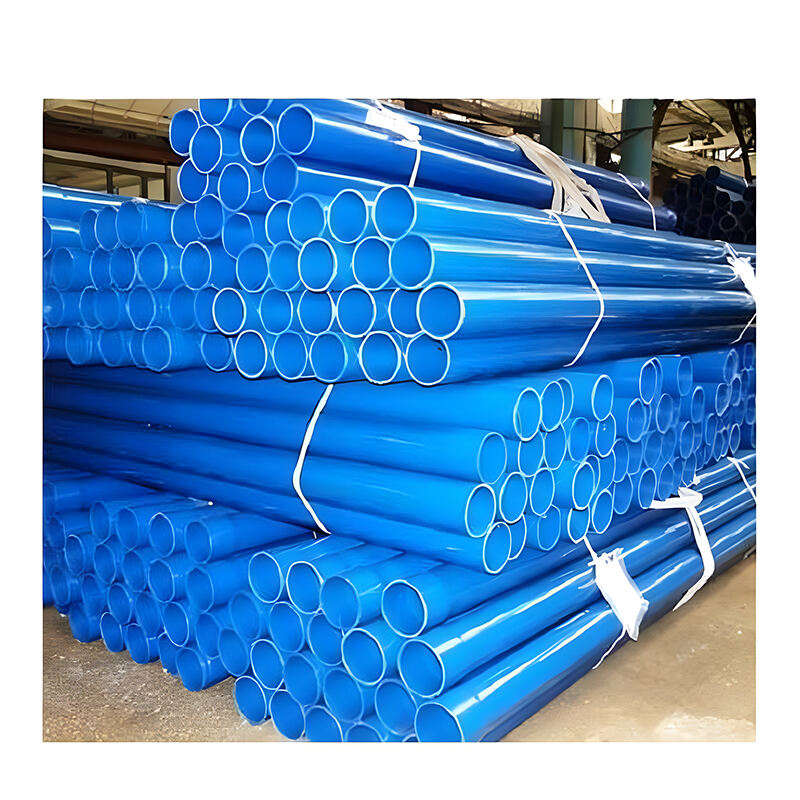
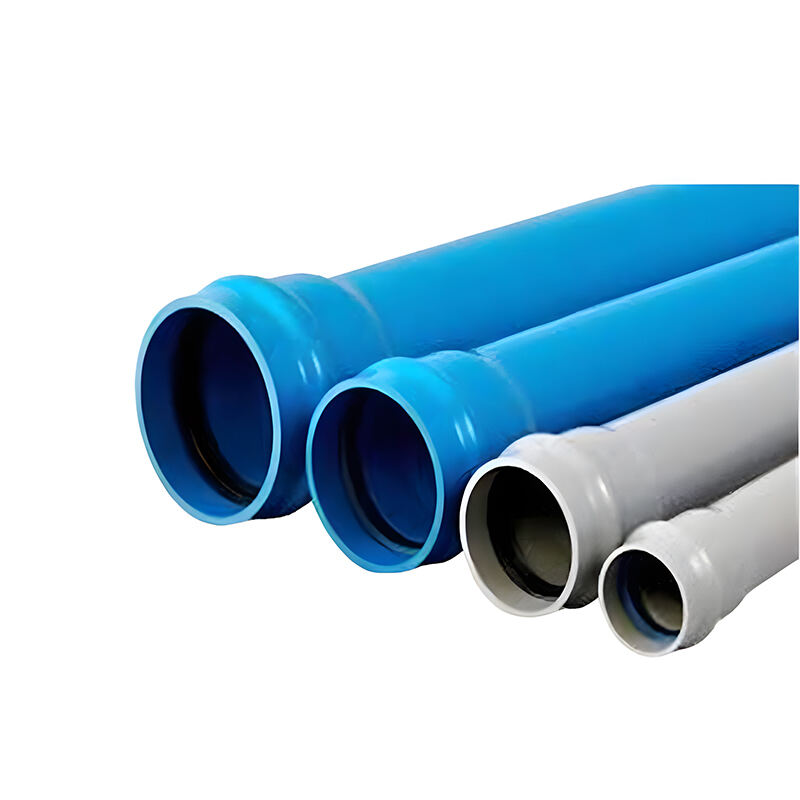
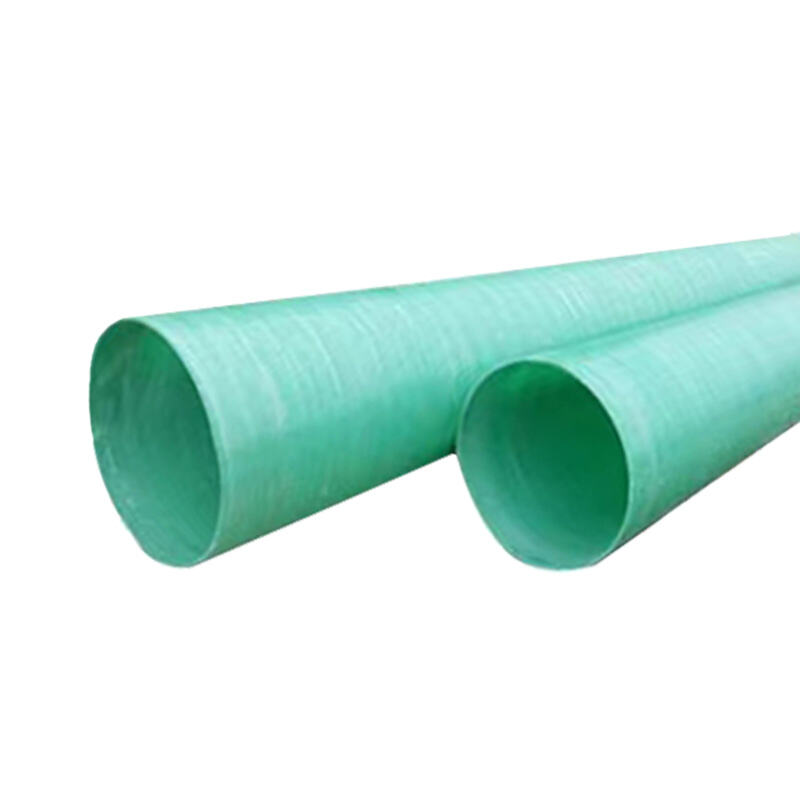
pvc pipe with fittings
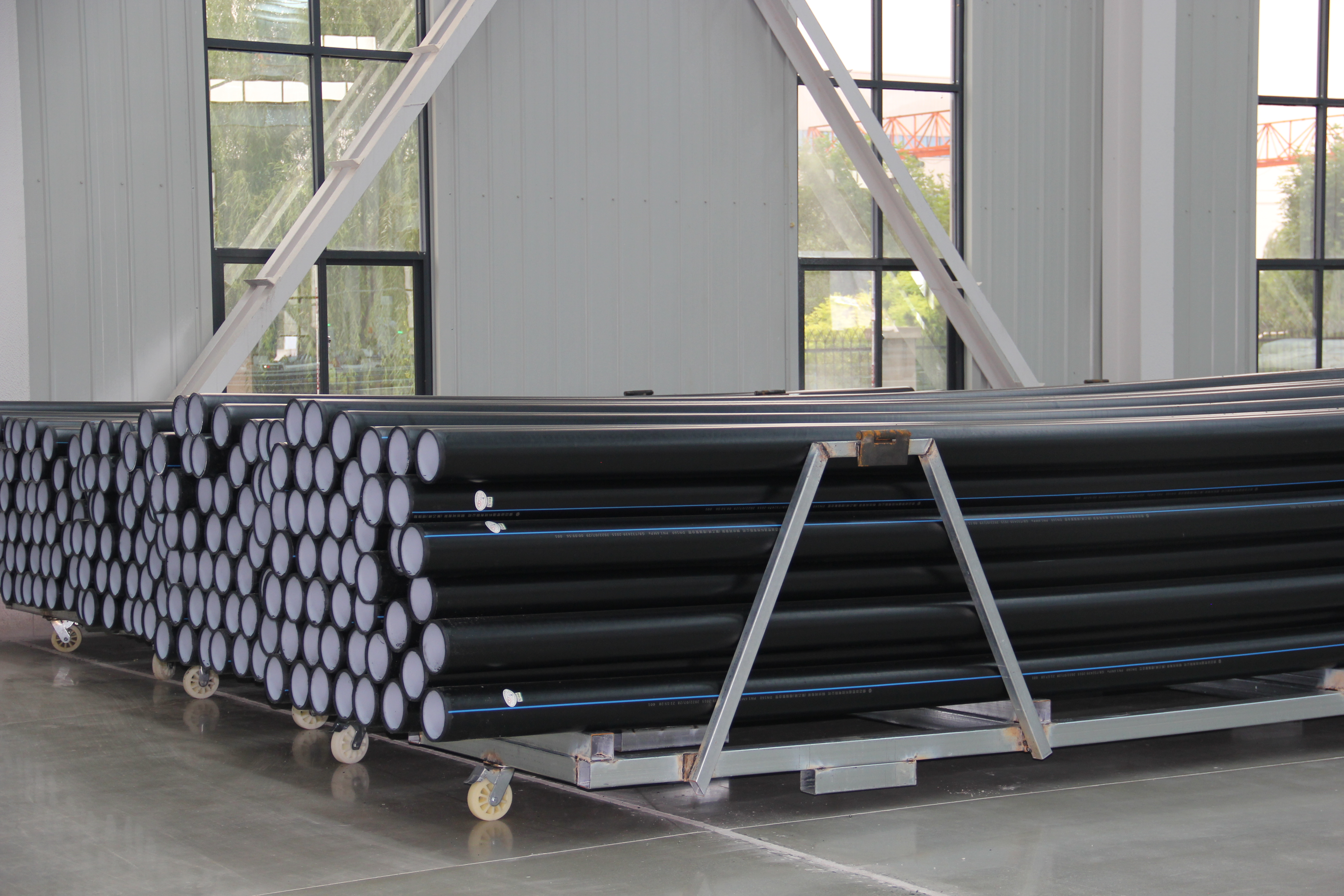
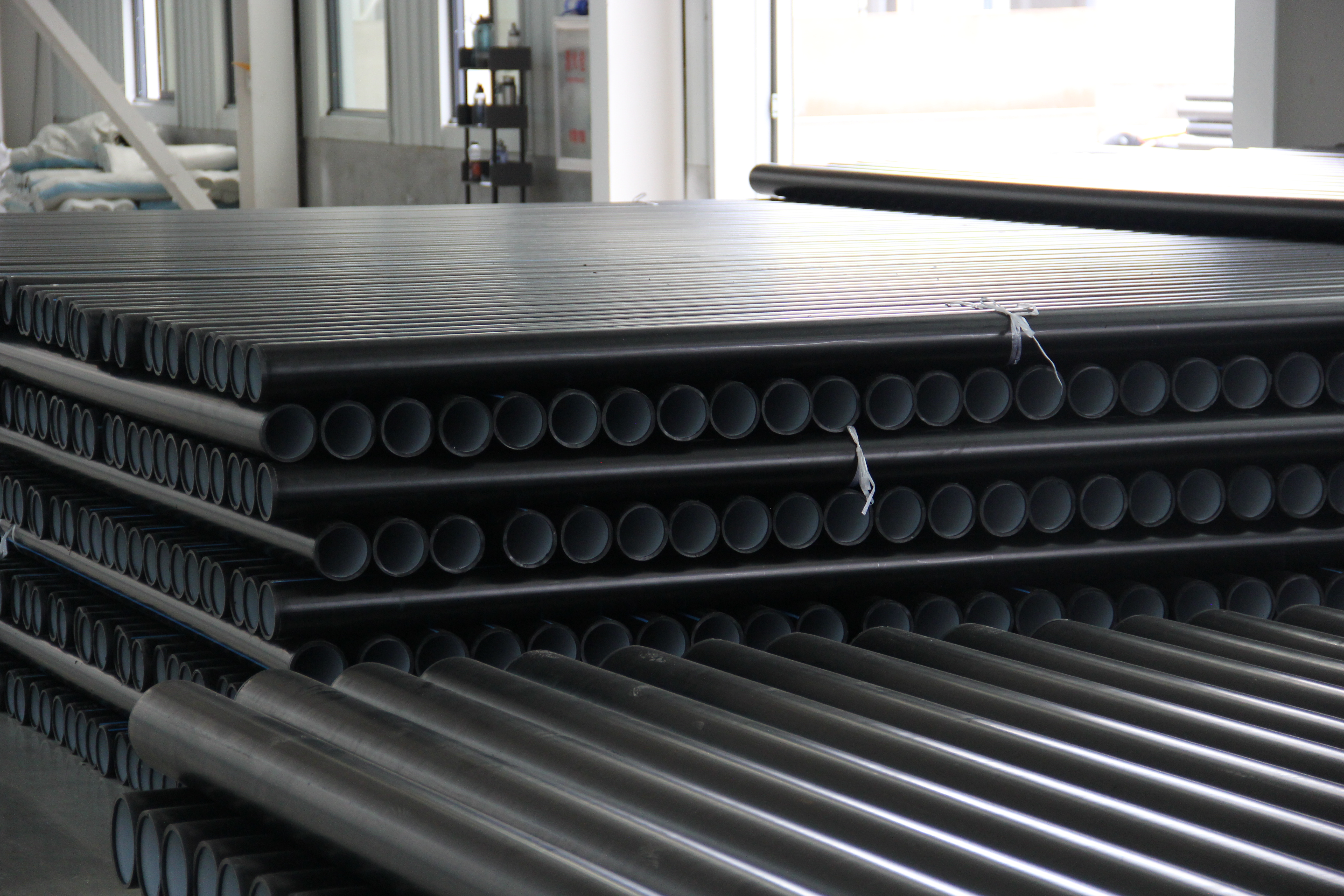
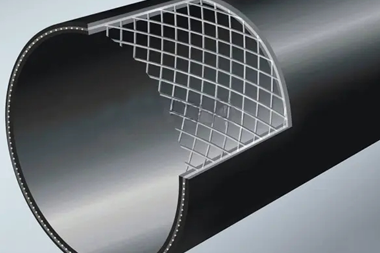
PVC pipe with fittings represents a comprehensive plumbing solution that combines polyvinyl chloride piping systems with specialized connectors, elbows, tees, and coupling components. This integrated system serves as the backbone for residential, commercial, and industrial fluid transportation networks. The main functions of pvc pipe with fittings encompass water distribution, drainage systems, sewage management, irrigation networks, and chemical transport applications. These systems effectively channel liquids and gases through buildings and infrastructure projects while maintaining structural integrity and leak-proof connections. The technological features of pvc pipe with fittings include corrosion resistance, chemical stability, and dimensional accuracy that ensures consistent performance across various environmental conditions. Manufacturing processes utilize advanced extrusion techniques and injection molding technologies to create seamless connections between pipes and fittings. The smooth interior surfaces minimize friction losses, enhancing flow efficiency throughout the entire system. Temperature resistance capabilities allow pvc pipe with fittings to function effectively in diverse climatic conditions, from freezing temperatures to moderate heat exposure. Applications span multiple industries including municipal water treatment facilities, agricultural irrigation systems, residential plumbing installations, and industrial processing plants. Construction projects frequently specify pvc pipe with fittings for underground utility networks, building drainage systems, and swimming pool circulation equipment. The versatility of these systems extends to specialized applications such as laboratory equipment, aquaculture facilities, and recreational vehicle plumbing systems. Installation flexibility allows contractors to customize configurations using various fitting types including reducers, caps, unions, and valve connections. The lightweight nature of pvc pipe with fittings simplifies transportation and handling procedures while reducing labor costs during installation processes. Quality control standards ensure consistent wall thickness, proper dimensions, and reliable joint integrity across all system components.