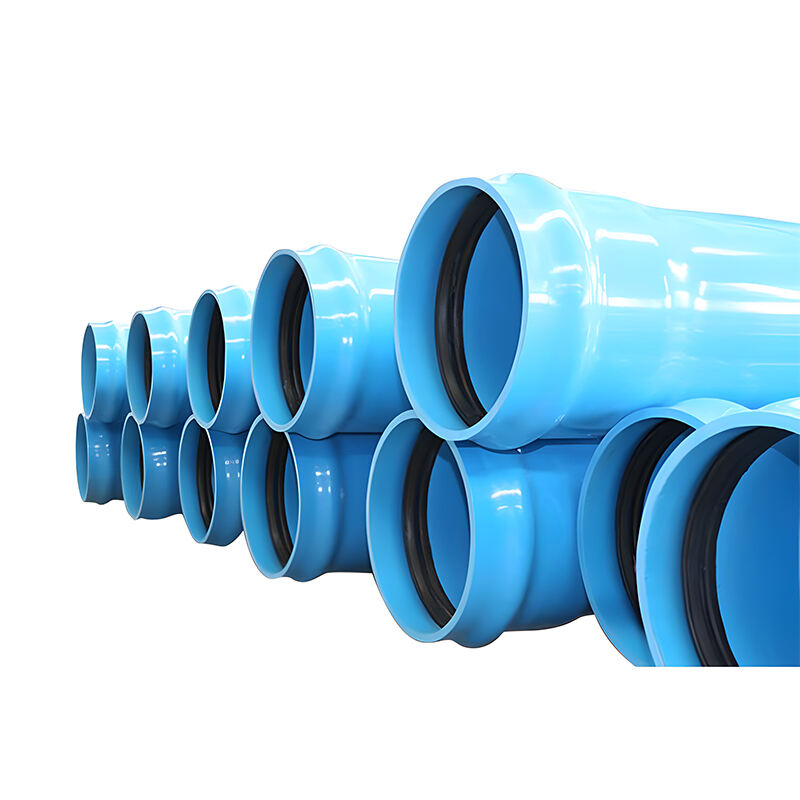
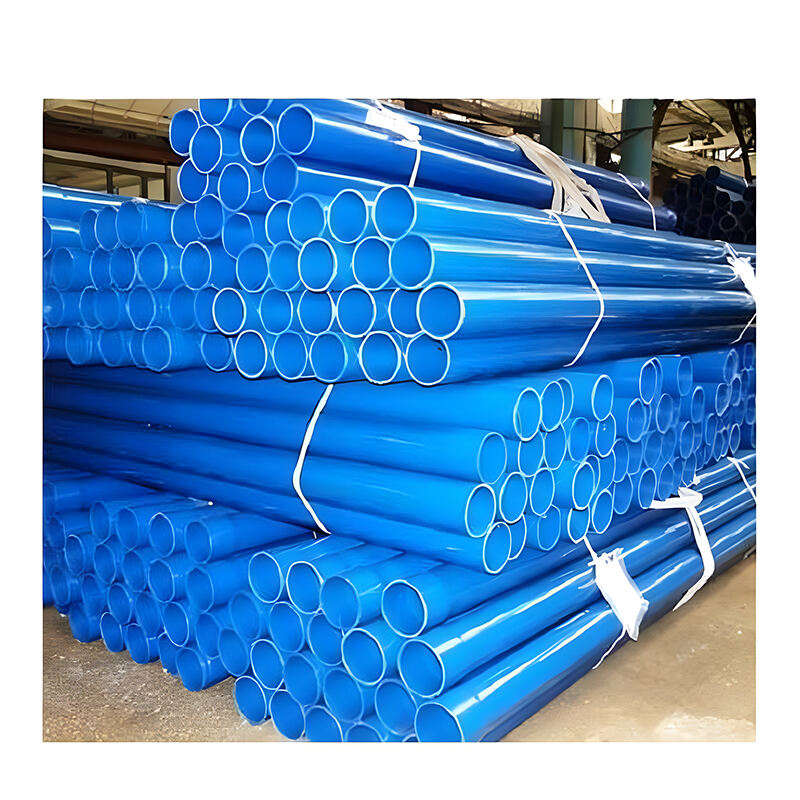
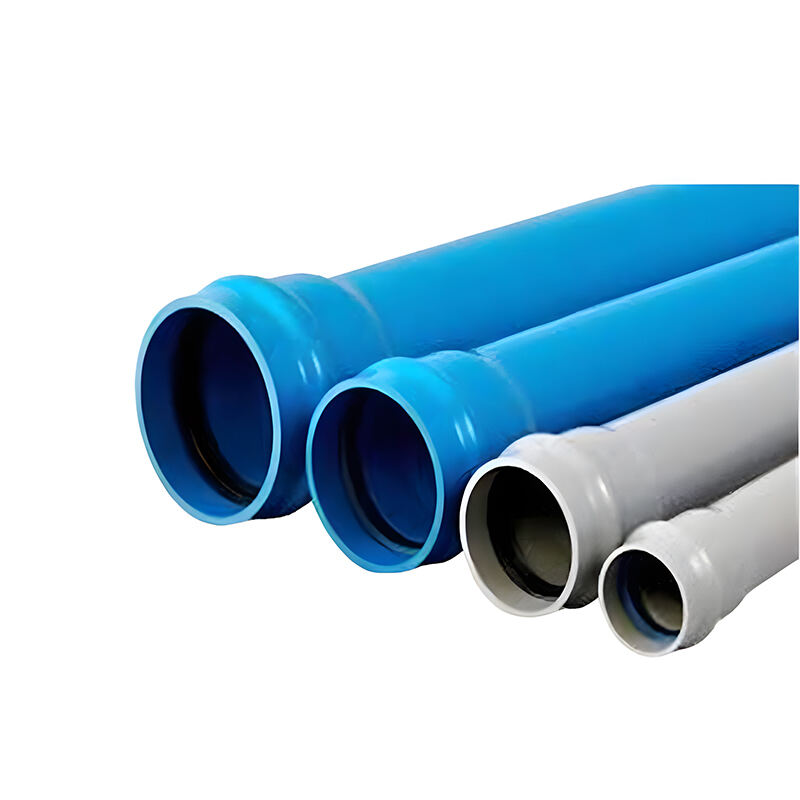
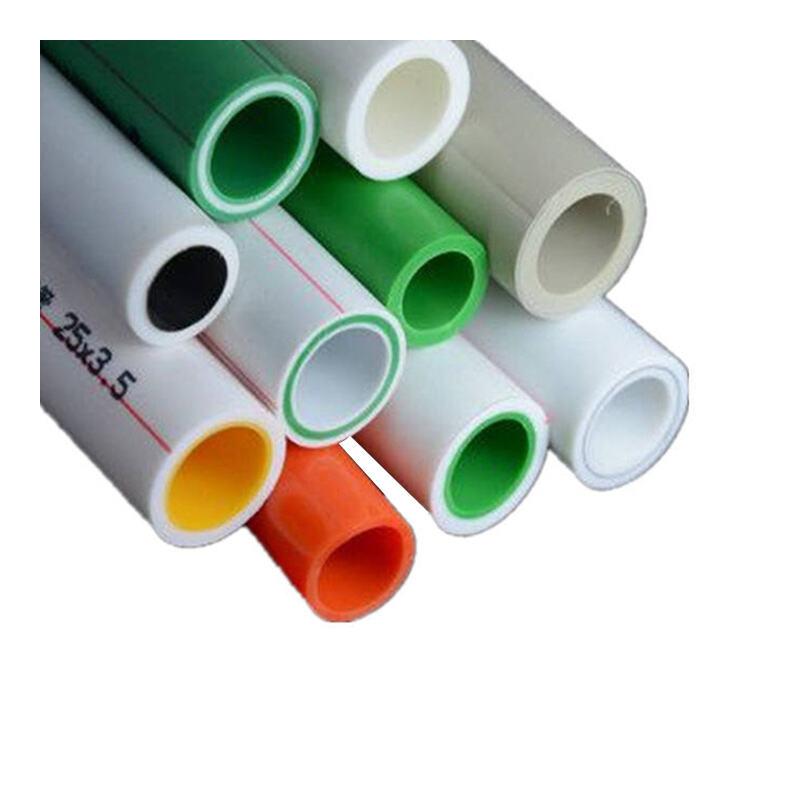
pvc pipe for water transportation
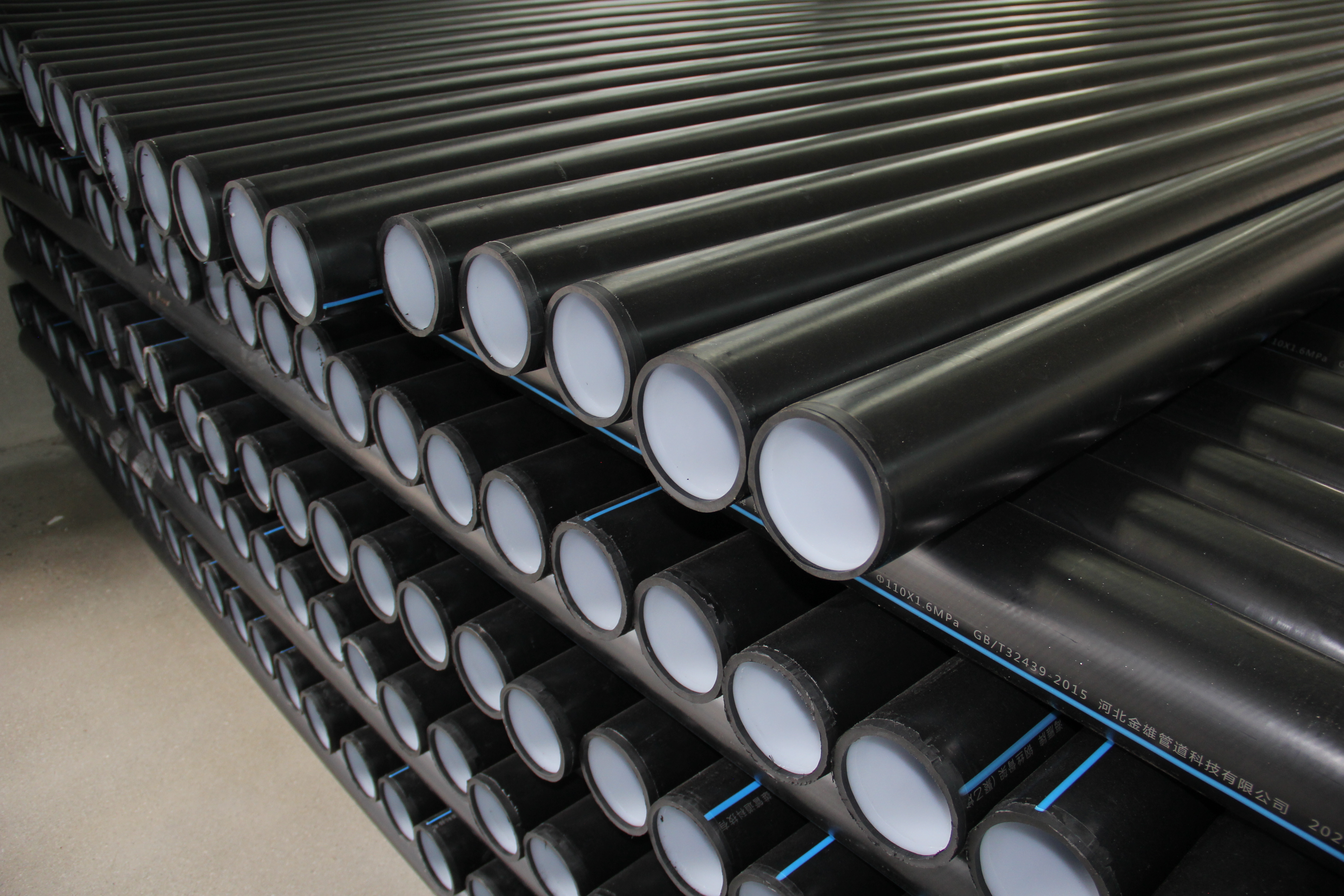
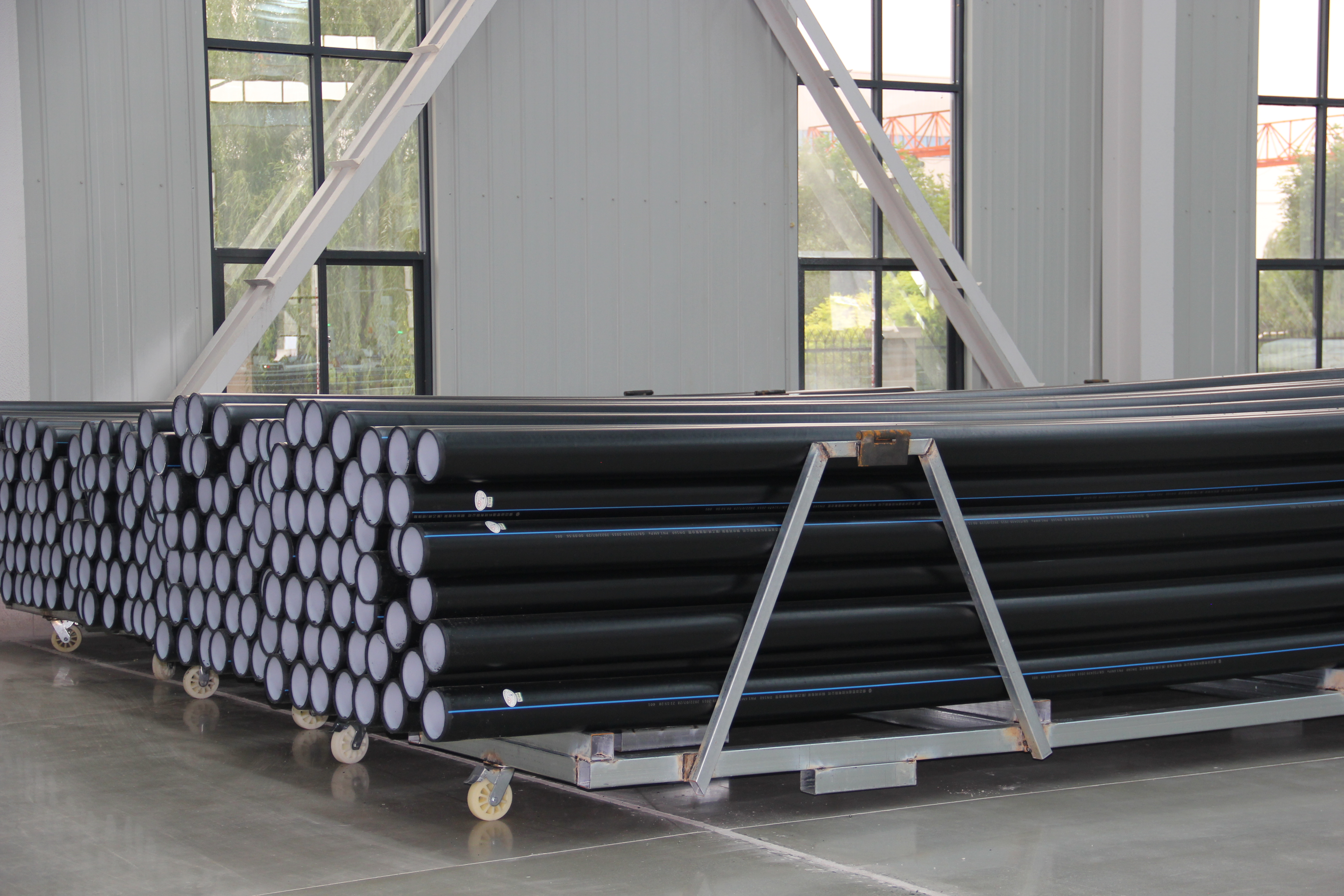
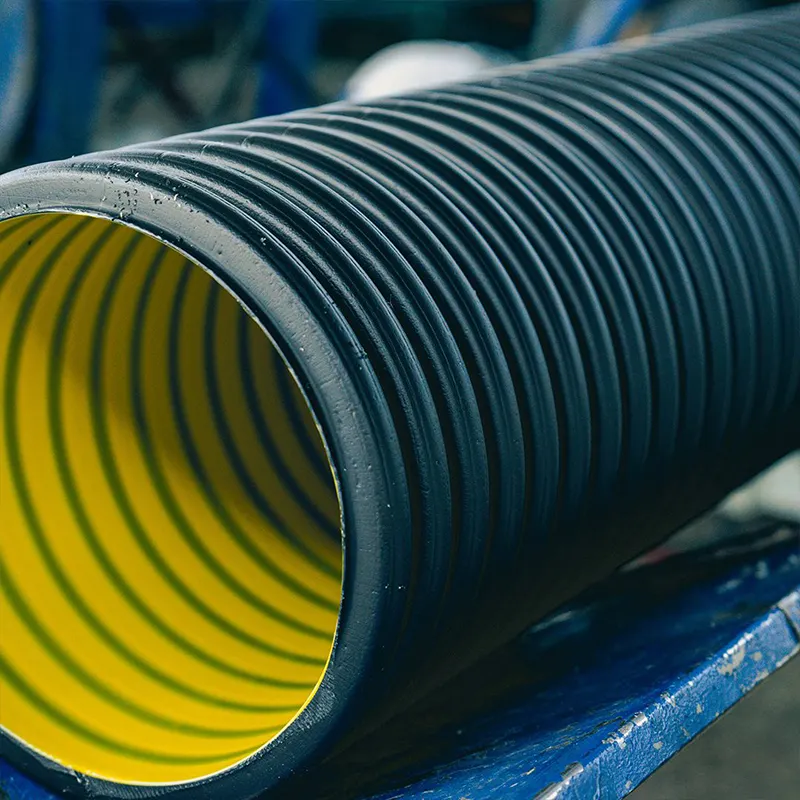
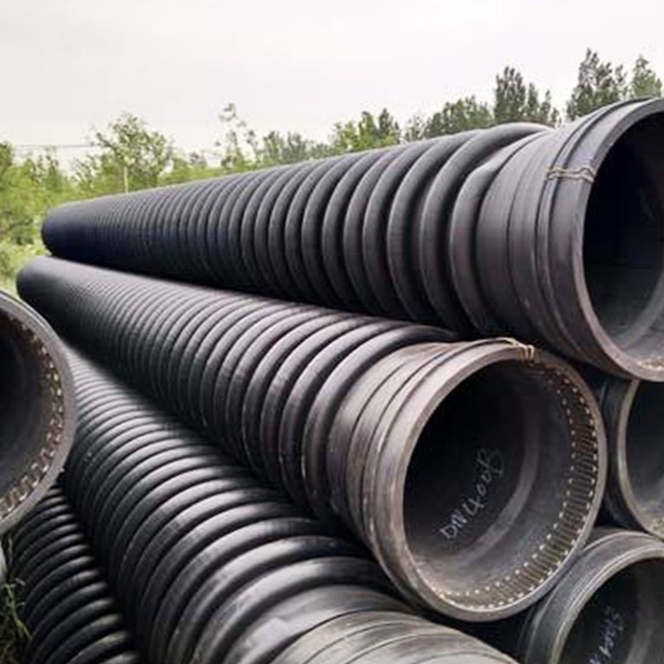
PVC pipe for water transportation represents a revolutionary advancement in modern plumbing and water distribution systems. These polyvinyl chloride pipes have transformed how we move water efficiently across residential, commercial, and industrial applications. The primary function of PVC pipe for water transportation involves delivering clean, potable water from source points to end users while maintaining water quality and pressure throughout the distribution network. These pipes excel in creating reliable water supply systems that resist corrosion, chemical degradation, and environmental factors that traditionally plague metal piping systems. The technological features of PVC pipe for water transportation include smooth interior surfaces that minimize friction loss, reducing energy requirements for water pumping systems. The material composition utilizes high-grade polyvinyl chloride compounds that meet strict drinking water standards, ensuring no harmful chemicals leach into transported water. Manufacturing processes incorporate precise extrusion techniques that create consistent wall thickness and dimensional accuracy, guaranteeing reliable performance under varying pressure conditions. PVC pipe for water transportation applications span multiple sectors including municipal water systems, residential plumbing networks, irrigation systems, and industrial process water distribution. These pipes serve effectively in underground installations, above-ground applications, and complex routing scenarios where flexibility and durability remain paramount. The lightweight nature of PVC pipe for water transportation simplifies installation procedures while reducing labor costs and equipment requirements. Temperature resistance capabilities allow these pipes to function effectively in diverse climatic conditions, from freezing temperatures to moderate heat exposure. The non-conductive properties of PVC pipe for water transportation provide additional safety benefits by eliminating electrical hazards associated with metallic piping systems, making them ideal for installations near electrical equipment or in areas where electrical isolation is critical for operational safety.