PVC Pipe for Drainage: Superior Performance, Durability & Cost-Effective Water Management Solutions

Get a Free Quote

Our representative will contact you soon.
Email
Mobile
Name
Message
0/1000

pvc pipe for drainage

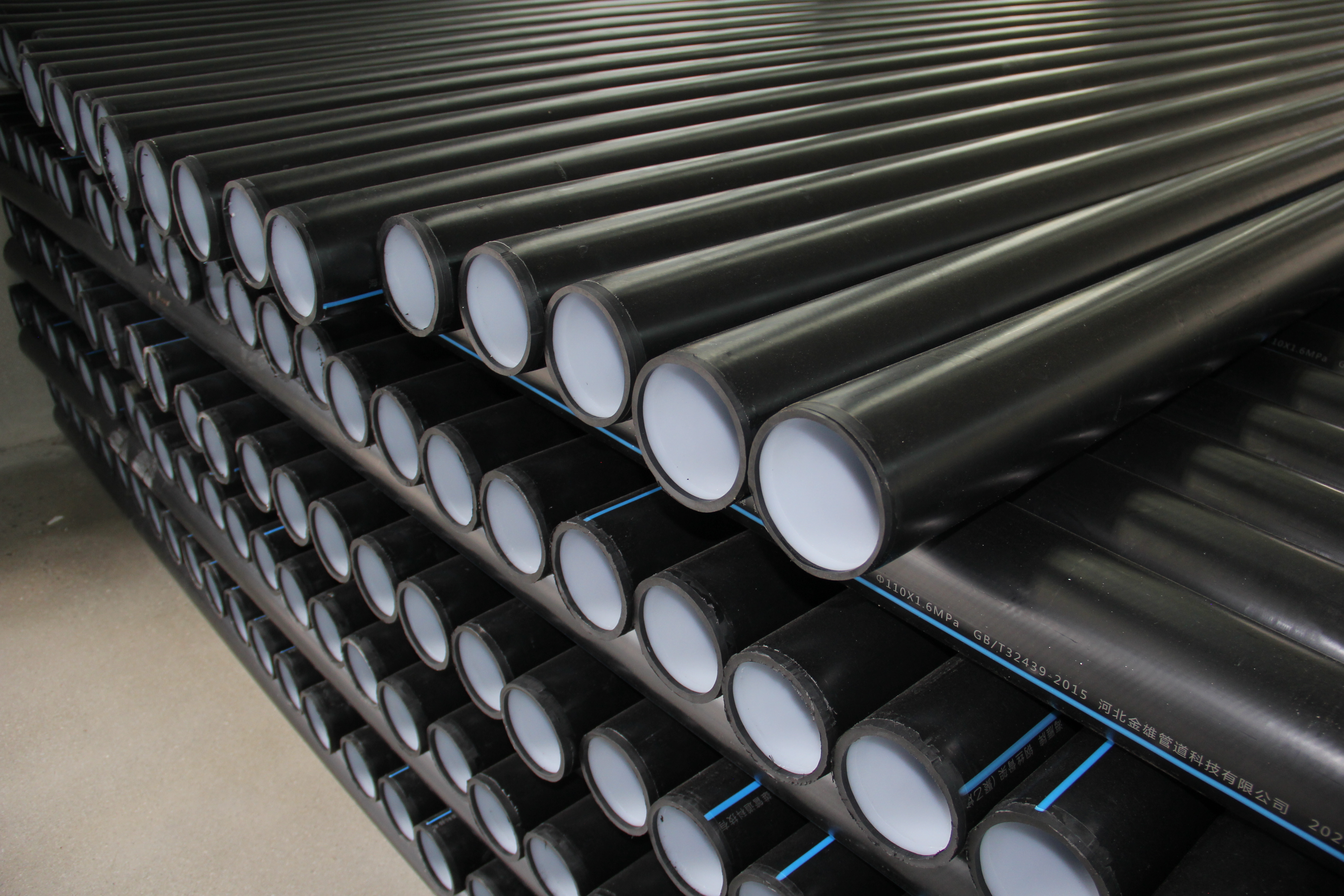
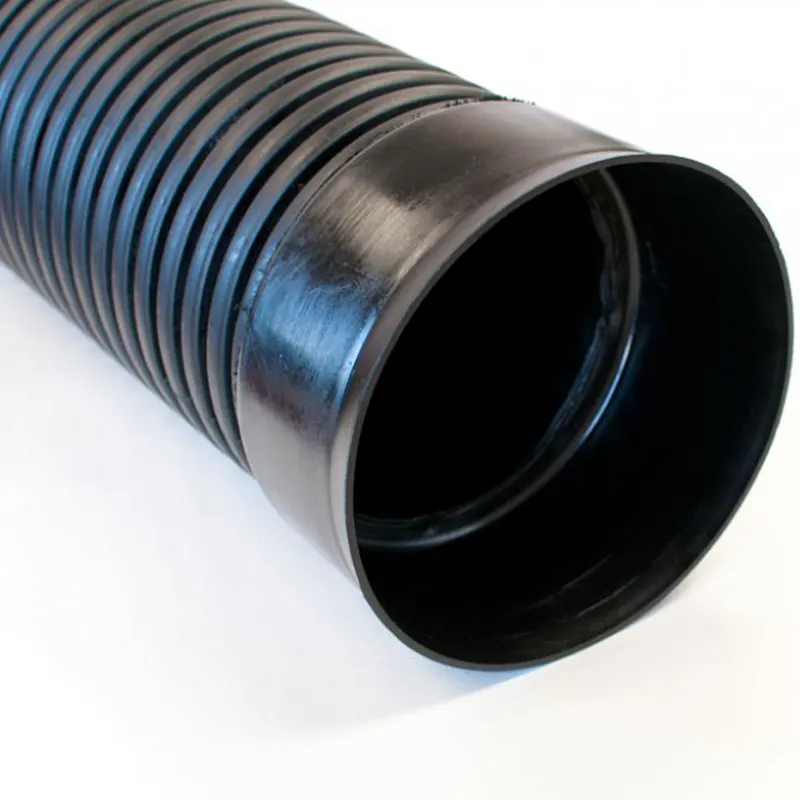
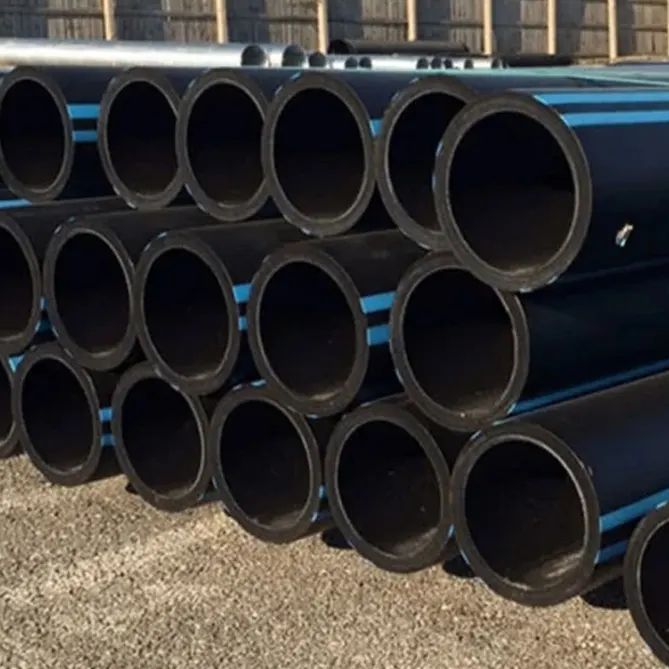
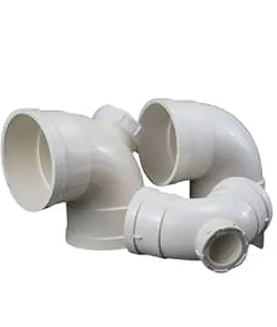
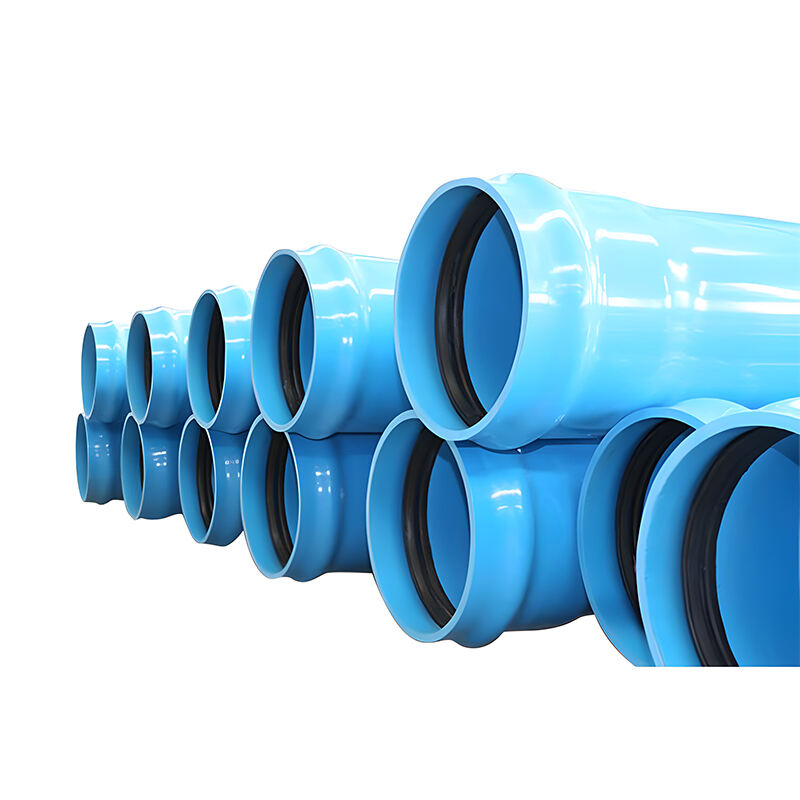
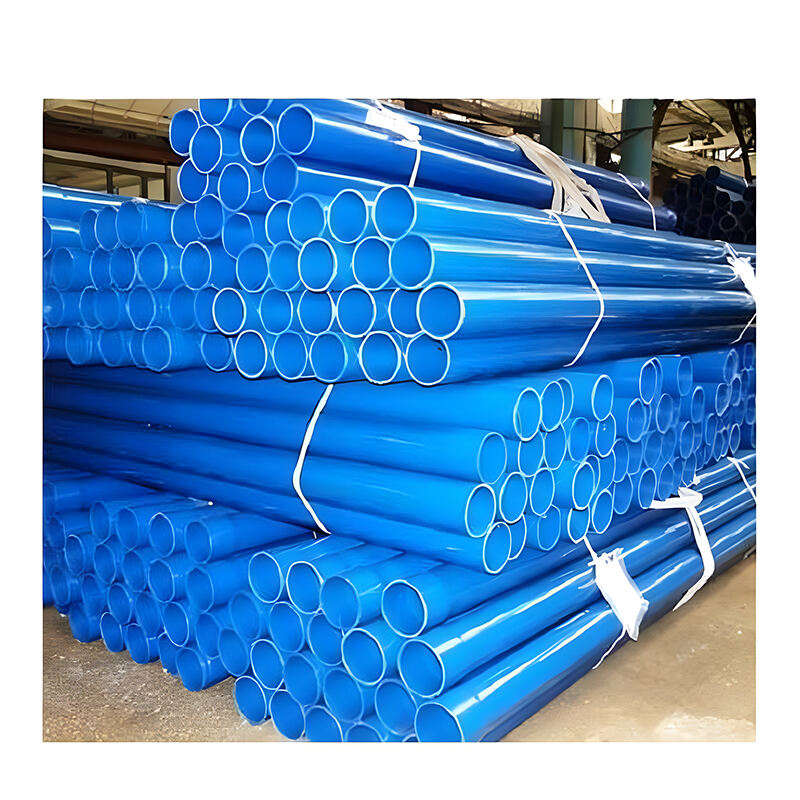
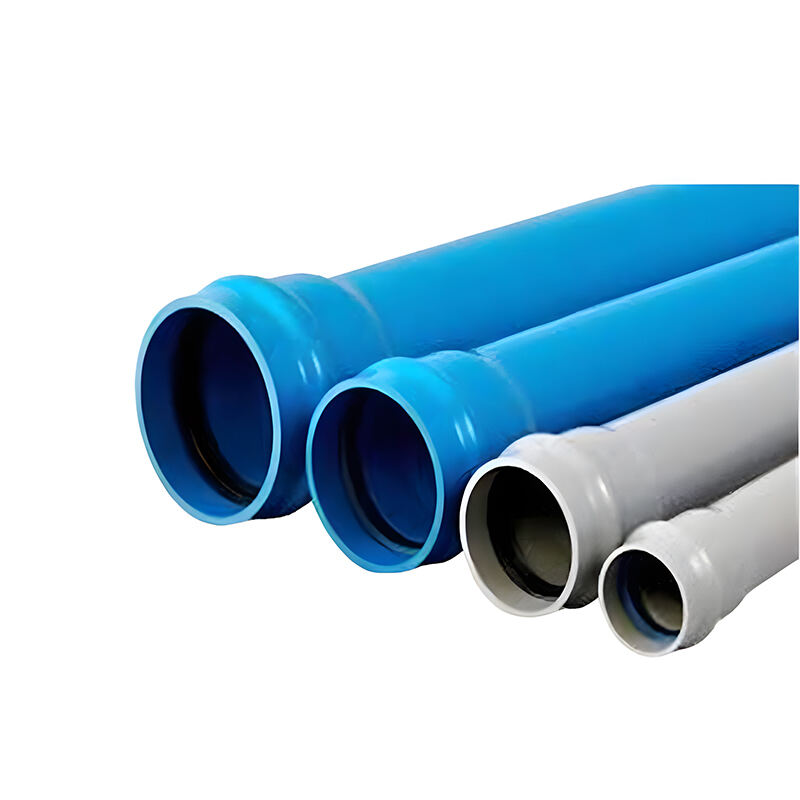
PVC pipe for drainage represents a revolutionary solution in modern water management systems, delivering exceptional performance across residential, commercial, and industrial applications. These polyvinyl chloride pipes have transformed the drainage industry through their superior engineering and cost-effective design. The primary function of PVC pipe for drainage involves efficiently collecting, transporting, and directing wastewater, stormwater, and other liquids away from buildings and structures. This essential infrastructure component prevents water damage, flooding, and structural deterioration while maintaining optimal flow rates throughout the system. The technological features of PVC pipe for drainage include smooth interior walls that minimize friction and maximize flow velocity, ensuring debris and sediments move efficiently through the system without creating blockages. Advanced manufacturing processes create uniform wall thickness and precise dimensional accuracy, guaranteeing consistent performance and reliable connections between pipe segments. The chemical composition of PVC provides inherent resistance to corrosion, rust, and chemical degradation, making these pipes ideal for handling various types of drainage water, including acidic runoff and industrial wastewater. Modern PVC pipe for drainage incorporates UV stabilizers and impact modifiers that enhance durability and extend service life even under harsh environmental conditions. Applications for PVC pipe for drainage span numerous sectors, from residential basement waterproofing and foundation drainage to large-scale municipal stormwater management systems. Agricultural operations utilize these pipes for field drainage and irrigation overflow, while commercial buildings depend on them for rooftop drainage and parking lot runoff management. Industrial facilities rely on PVC pipe for drainage to handle process water, cooling system overflow, and chemical-resistant waste streams. The versatility of PVC pipe for drainage makes it suitable for both gravity-fed systems and pressurized applications, accommodating various installation methods including trenched, tunneled, and above-ground configurations. Environmental sustainability remains a key consideration, as PVC pipe for drainage offers recyclability and reduced environmental impact compared to traditional materials.

New Product Recommendations

The advantages of PVC pipe for drainage create compelling reasons for property owners, contractors, and engineers to choose this superior piping solution. Cost-effectiveness stands as the primary benefit, as PVC pipe for drainage costs significantly less than traditional materials like concrete, clay, or metal pipes. Installation expenses decrease substantially because PVC pipes weigh much less than alternatives, reducing labor costs and equipment requirements during construction projects. The lightweight nature of PVC pipe for drainage allows workers to handle longer sections manually, speeding up installation timelines and reducing project completion costs. Maintenance requirements remain minimal throughout the lifespan of PVC pipe for drainage systems, as these pipes resist root intrusion, corrosion, and chemical breakdown that plague other materials. Property owners save thousands of dollars over time by avoiding frequent repairs, replacements, and system overhauls typically associated with traditional drainage materials. Durability emerges as another significant advantage, with properly installed PVC pipe for drainage lasting 50 to 100 years under normal operating conditions. The material withstands freeze-thaw cycles, ground movement, and temperature fluctuations without cracking or failing, ensuring reliable performance across diverse climate conditions. Chemical resistance protects PVC pipe for drainage from acidic soils, industrial runoff, and harsh cleaning chemicals that would deteriorate metal or concrete alternatives. Installation flexibility allows contractors to customize PVC pipe for drainage systems using various fittings, connectors, and joining methods. The pipes cut easily with standard tools, bend around obstacles, and connect securely using solvent welding or mechanical joints. This adaptability reduces installation complexity and enables efficient routing through tight spaces or around existing utilities. Flow efficiency improves dramatically with PVC pipe for drainage due to smooth interior surfaces that minimize friction losses and prevent sediment buildup. The hydraulic properties ensure optimal water velocity, reducing the risk of blockages and maintaining system capacity over time. Environmental benefits include recyclability and reduced carbon footprint during manufacturing and transportation. PVC pipe for drainage requires less energy to produce and transport compared to heavier alternatives, contributing to sustainable construction practices. The material resists biological growth and maintains water quality, preventing contamination and protecting downstream environments from harmful pollutants.

Tips And Tricks

 Ensuring Integrity in PE Steel Wire Mesh Skeleton Systems Through Pressure Testing

14

Sep

Ensuring Integrity in PE Steel Wire Mesh Skeleton Systems Through Pressure Testing

View More
HDPE Double Wall Corrugated Pipes: The Future of Underground Drainage

24

Jun

HDPE Double Wall Corrugated Pipes: The Future of Underground Drainage

Discover key advantages of HDPE double wall corrugated pipes including durability, corrosion resistance, and high flexibility for modern infrastructure solutions. Explore their cost-effectiveness and sustainability benefits over traditional materials.
View More
How to Choose the Right Dredging Pipeline for Your Project

30

Jun

How to Choose the Right Dredging Pipeline for Your Project

Explore the key requirements for dredging pipelines, including sediment type, project scope, and environmental regulations, to ensure optimal performance and compliance with industry standards. Learn about HDPE pipe advantages and considerations for efficient sediment transport.
View More
HDPE Pipes: The Versatile Solution for Modern Piping Needs

24

Jun

HDPE Pipes: The Versatile Solution for Modern Piping Needs

Discover why HDPE pipes are a versatile and sustainable solution for modern infrastructure, offering key benefits such as corrosion resistance and cost-effectiveness. Learn about their applications and best practices for installation.
View More

Get a Free Quote

Our representative will contact you soon.
Email
Mobile
Name
Message
0/1000

pvc pipe for drainage

Exceptional Longevity and Weather Resistance

Exceptional Longevity and Weather Resistance

The exceptional longevity and weather resistance of PVC pipe for drainage deliver unmatched value for long-term infrastructure investments. Unlike traditional materials that deteriorate rapidly under environmental stress, PVC pipe for drainage maintains structural integrity for decades, even when exposed to extreme weather conditions, temperature fluctuations, and aggressive soil environments. The molecular structure of polyvinyl chloride provides inherent stability against ultraviolet radiation, preventing degradation and brittleness that commonly affect other plastic materials. Advanced UV stabilizers incorporated during manufacturing enhance this natural resistance, ensuring PVC pipe for drainage performs reliably in both buried and exposed applications. Freeze-thaw cycling, which destroys concrete and clay pipes through expansion and contraction, has minimal impact on properly installed PVC pipe for drainage systems. The material's flexibility allows it to accommodate ground movement and thermal expansion without cracking or joint separation. This resilience proves particularly valuable in regions with harsh winters or unstable soil conditions where traditional materials fail prematurely. Chemical resistance represents another crucial aspect of longevity, as PVC pipe for drainage withstands exposure to acidic groundwater, industrial chemicals, and aggressive cleaning solutions without deteriorating. The non-reactive nature of PVC prevents corrosion, scaling, and chemical breakdown that plague metal pipes, eliminating the need for protective coatings or cathodic protection systems. This chemical stability maintains flow capacity and prevents contamination of transported water throughout the system's lifespan. Root intrusion resistance significantly extends the service life of PVC pipe for drainage compared to clay or concrete alternatives. The smooth exterior surface and secure joint connections prevent tree roots from penetrating the system, eliminating costly blockages and structural damage. Property owners avoid expensive excavation and repair work commonly required with traditional materials that allow root infiltration. The combination of these resistance properties ensures PVC pipe for drainage systems continue operating efficiently for 50 to 100 years with minimal maintenance, providing exceptional return on investment for residential, commercial, and municipal applications.
Superior Flow Efficiency and Hydraulic Performance

Superior Flow Efficiency and Hydraulic Performance

Superior flow efficiency and hydraulic performance distinguish PVC pipe for drainage as the optimal choice for effective water management systems. The exceptionally smooth interior surface of PVC pipe for drainage creates minimal friction resistance, allowing water to flow at higher velocities while using smaller diameter pipes compared to rougher materials like concrete or corrugated metal. This hydraulic efficiency translates directly into cost savings during system design and installation, as engineers can specify smaller pipe sizes while maintaining required flow capacities. The Manning's roughness coefficient for PVC pipe for drainage measures approximately 0.009 to 0.011, significantly lower than concrete (0.012-0.016) or corrugated metal (0.024-0.027), demonstrating superior flow characteristics that maintain performance over time. Unlike materials that develop scale, corrosion, or biological growth, PVC pipe for drainage maintains its smooth interior throughout its service life, preventing capacity reduction and ensuring consistent hydraulic performance. Self-cleaning velocities develop more easily in PVC pipe for drainage systems, reducing sediment accumulation and minimizing maintenance requirements. The uniform pipe geometry and precise manufacturing tolerances eliminate flow disruptions caused by irregular surfaces or dimensional variations common in other materials. Turbulence reduction improves overall system efficiency while preventing erosion and wear that can compromise pipe integrity. The hydraulic properties of PVC pipe for drainage enable effective handling of varying flow conditions, from steady-state drainage to peak stormwater events. The material accommodates both gravity flow and low-pressure applications without performance degradation, providing design flexibility for complex drainage networks. Joint systems maintain hydraulic continuity through bell-and-spigot connections that create smooth internal profiles without flow restrictions. Advanced gasket designs ensure watertight seals while maintaining optimal flow characteristics throughout the system. Temperature effects on flow performance remain minimal with PVC pipe for drainage, as the material maintains dimensional stability across normal operating temperature ranges. This stability prevents flow capacity variations that occur with materials subject to thermal expansion or contraction. The predictable hydraulic behavior of PVC pipe for drainage enables accurate system modeling and design optimization, ensuring reliable performance under all operating conditions while maximizing infrastructure investment efficiency.
Easy Installation and Versatile Applications

Easy Installation and Versatile Applications

Easy installation and versatile applications make PVC pipe for drainage the preferred choice for contractors and property owners seeking efficient, adaptable water management solutions. The lightweight construction of PVC pipe for drainage dramatically simplifies handling and installation compared to heavy concrete, clay, or metal alternatives, reducing labor costs and equipment requirements while accelerating project completion timelines. Workers can easily maneuver long sections of PVC pipe for drainage into position manually, eliminating the need for heavy machinery in many installations and enabling access to confined spaces where larger equipment cannot operate. The material cuts cleanly with standard hand tools or power saws, allowing field modifications and custom fitting without specialized equipment or extensive preparation time. Multiple joining methods accommodate various installation requirements, from solvent welding for permanent connections to mechanical couplings for removable or serviceable joints. Bell-and-spigot configurations with elastomeric gaskets provide secure, watertight connections while allowing slight angular deflection to navigate around obstacles or follow grade changes. The flexibility of PVC pipe for drainage enables installation in challenging terrain, around existing utilities, or through tight spaces where rigid materials would require extensive excavation or routing modifications. Trenching requirements decrease significantly due to the lighter weight and smaller handling equipment needs, reducing site disruption and restoration costs. The versatile applications of PVC pipe for drainage span residential, commercial, industrial, and municipal sectors, accommodating diverse system requirements and operating conditions. Residential applications include foundation drainage, basement waterproofing, landscape drainage, and septic system components, where homeowners benefit from reliable performance and minimal maintenance requirements. Commercial buildings utilize PVC pipe for drainage in rooftop systems, parking lot drainage, HVAC condensate removal, and building perimeter protection, taking advantage of the material's chemical resistance and long-term durability. Industrial facilities depend on PVC pipe for drainage for process water management, chemical waste handling, and environmental compliance systems where corrosion resistance and chemical compatibility prove essential. Municipal infrastructure projects incorporate PVC pipe for drainage in stormwater management, street drainage, and wastewater collection systems, benefiting from reduced installation costs and extended service life compared to traditional materials. Agricultural applications include field drainage, irrigation overflow, and livestock facility waste management, where the material's resistance to biological attack and chemical degradation ensures reliable long-term performance under challenging environmental conditions.

Inquiry PVC Pipe for Drainage: Superior Performance, Durability & Cost-Effective Water Management Solutions Inquiry PVC Pipe for Drainage: Superior Performance, Durability & Cost-Effective Water Management Solutions PVC Pipe for Drainage: Superior Performance, Durability & Cost-Effective Water Management Solutions PVC Pipe for Drainage: Superior Performance, Durability & Cost-Effective Water Management Solutions
Write down your question

We are not only a product manufacturer, but also a solution provider. Whether you have questions or quotation requests, we will help you.

Get a Quote

Contact Us

Your email address will not be published. Required fields are marked *
Email
Name
Mobile
Message
0/1000