Premium PVC Pipe for Stormwater Management - Durable, Cost-Effective Drainage Solutions

Get a Free Quote

Our representative will contact you soon.
Email
Mobile
Name
Message
0/1000

pvc pipe for stormwater

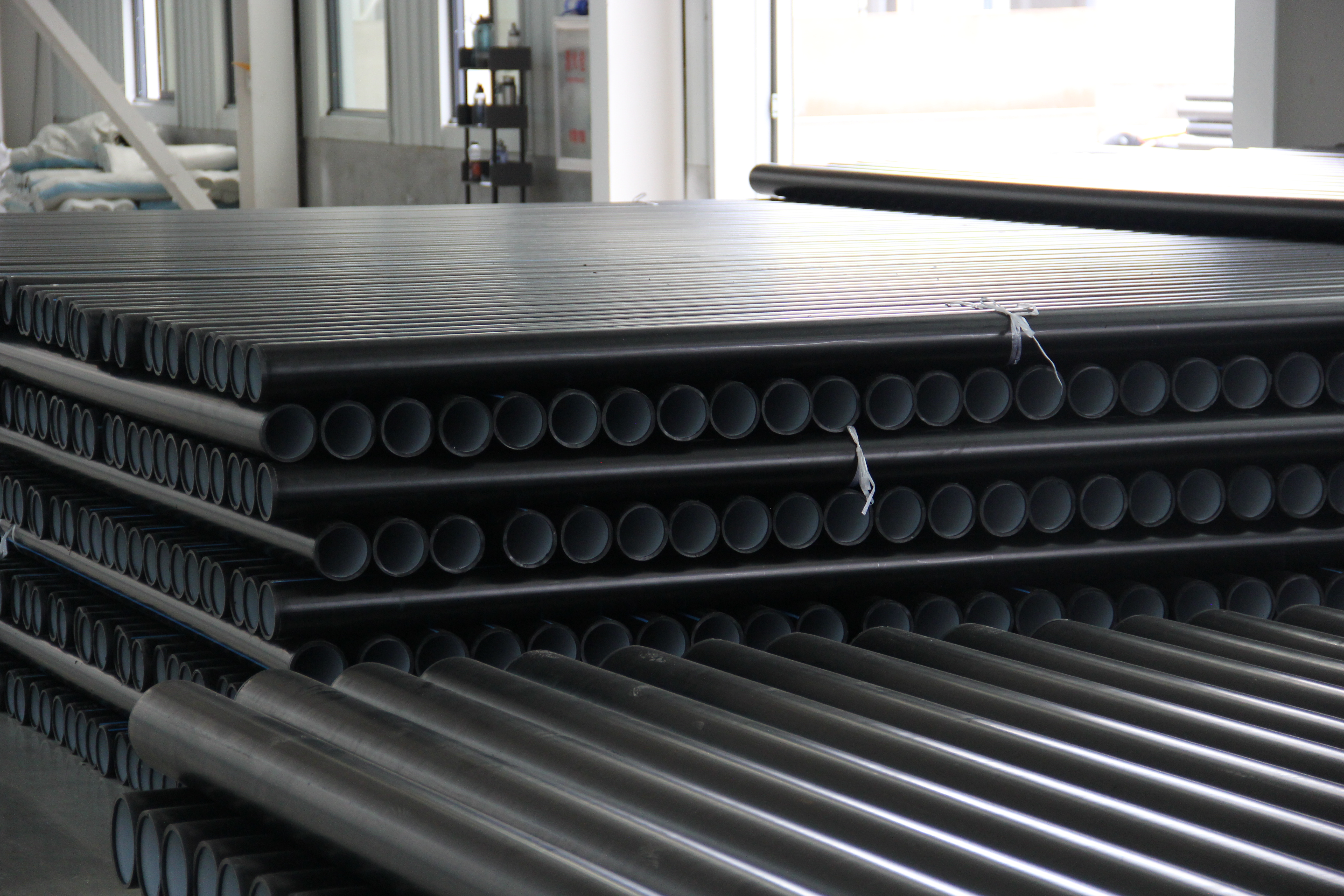
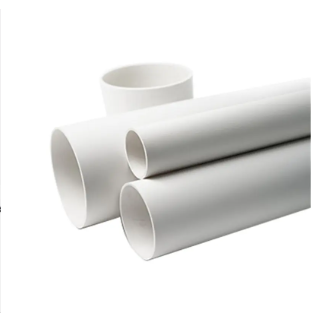
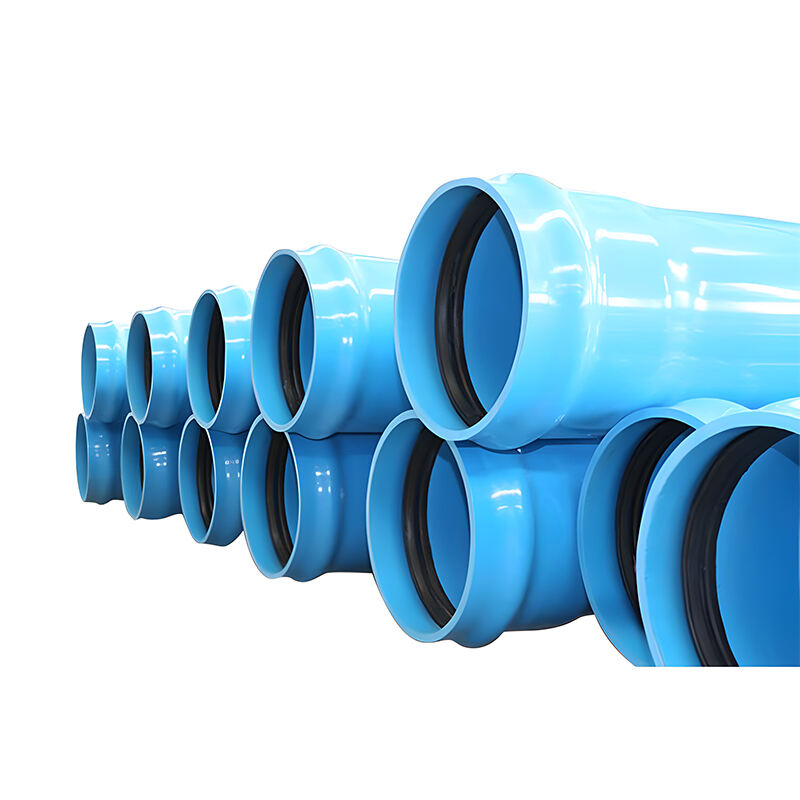
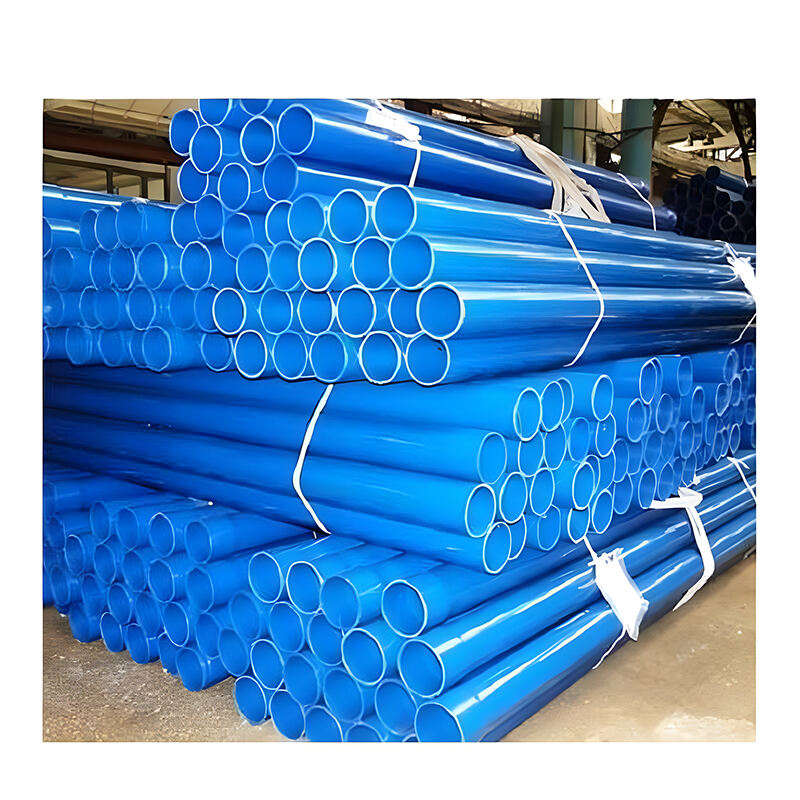
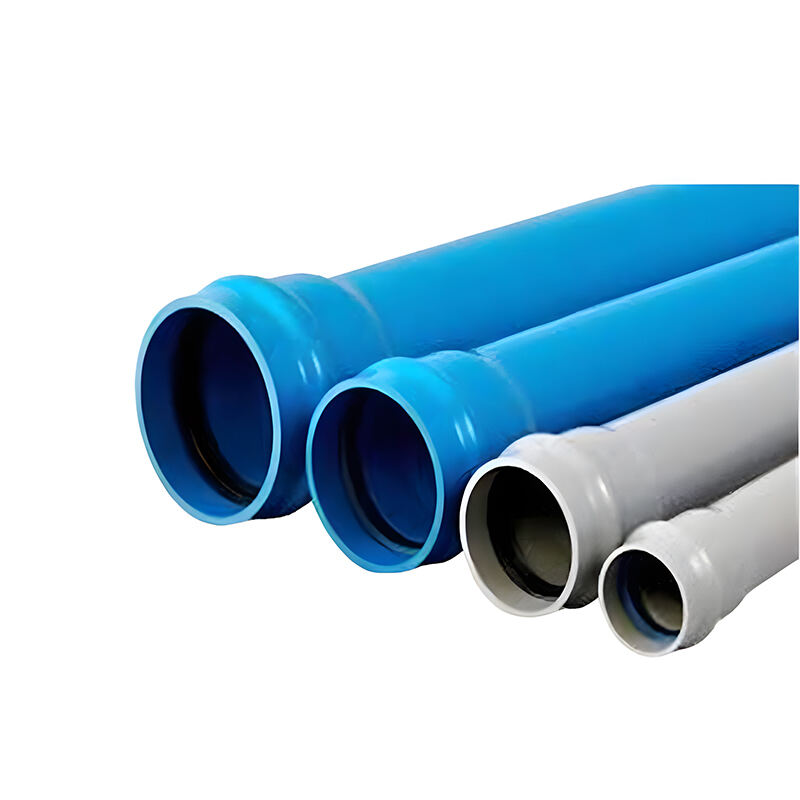
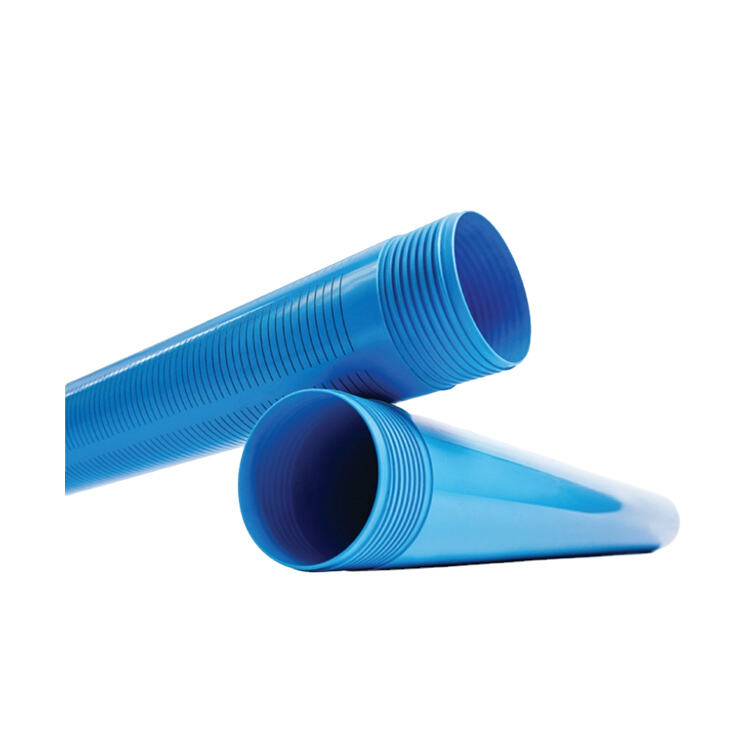
PVC pipe for stormwater represents a revolutionary solution in modern water management infrastructure, offering municipalities, contractors, and developers an efficient method to handle rainwater runoff and drainage challenges. These specialized pipes are engineered from polyvinyl chloride materials specifically designed to withstand the demanding conditions of stormwater collection, conveyance, and discharge systems. The primary function of PVC pipe for stormwater involves capturing surface water during precipitation events and safely transporting it away from developed areas to prevent flooding, erosion, and property damage. These pipes feature smooth interior walls that promote optimal water flow rates while minimizing sediment accumulation and blockages. The technological features of PVC pipe for stormwater include enhanced wall thickness for structural integrity, specialized joint systems for leak-proof connections, and UV-resistant formulations for exposed installations. The manufacturing process incorporates advanced extrusion techniques that ensure consistent wall thickness and dimensional accuracy throughout the pipe length. These pipes demonstrate exceptional chemical resistance, making them suitable for various environmental conditions including exposure to road salts, fertilizers, and other common stormwater contaminants. Applications for PVC pipe for stormwater span residential subdivisions, commercial developments, industrial facilities, roadway drainage, airport runways, and municipal storm sewer networks. The pipes effectively handle both gravity-fed systems and pressurized applications depending on project requirements. Installation flexibility allows for underground burial, above-ground mounting, or hybrid configurations based on site conditions and design specifications. The modular nature of PVC pipe for stormwater systems enables easy expansion and modification as development patterns change over time. These pipes integrate seamlessly with catch basins, manholes, detention ponds, and other stormwater management components to create comprehensive drainage solutions.


New Products

The advantages of PVC pipe for stormwater create compelling reasons for engineers and contractors to specify these products in their drainage projects. Cost-effectiveness stands as a primary benefit, as PVC pipe for stormwater typically costs 40-60% less than traditional concrete or metal alternatives while providing comparable or superior performance characteristics. The lightweight nature of these pipes significantly reduces transportation costs and simplifies installation procedures, allowing smaller crews to complete projects more efficiently. Installation teams can handle PVC pipe for stormwater without heavy machinery in many situations, reducing overall project expenses and timeline requirements. The smooth interior surface of PVC pipe for stormwater promotes exceptional hydraulic performance with Manning's coefficients typically ranging from 0.009 to 0.012, enabling smaller diameter pipes to carry equivalent flow volumes compared to rougher pipe materials. This hydraulic efficiency translates directly into reduced excavation requirements and lower installation costs for developers. Durability represents another significant advantage, as PVC pipe for stormwater resists corrosion, chemical attack, and biological degradation that commonly affect metal pipes in harsh environmental conditions. These pipes maintain their structural integrity for 50-100 years under normal operating conditions, providing exceptional long-term value for infrastructure investments. The flexibility of PVC pipe for stormwater allows it to accommodate ground movement and settling without cracking or joint separation, reducing maintenance requirements and preventing system failures. Leak resistance is superior due to precise manufacturing tolerances and advanced jointing systems that create watertight seals under pressure. Environmental benefits include recyclability of PVC materials and reduced carbon footprint during manufacturing compared to concrete pipe production. The installation process generates minimal disruption to surrounding areas since PVC pipe for stormwater requires smaller trenches and produces less construction debris. Quality control during manufacturing ensures consistent pipe dimensions and performance characteristics, eliminating the variability often encountered with cast-in-place concrete systems. These advantages combine to deliver reliable, cost-effective stormwater management solutions that meet modern infrastructure demands while providing excellent return on investment for project owners.

Latest News

 Optimizing Performance and Durability in PE Steel Wire Mesh Skeleton Pipeline Systems

14

Sep

Optimizing Performance and Durability in PE Steel Wire Mesh Skeleton Pipeline Systems

View More
HDPE Pipe: a solid foundation for shaping future pipe systems

18

Sep

HDPE Pipe: a solid foundation for shaping future pipe systems

View More
HDPE Double Wall Corrugated Pipes: The Future of Underground Drainage

24

Jun

HDPE Double Wall Corrugated Pipes: The Future of Underground Drainage

Discover key advantages of HDPE double wall corrugated pipes including durability, corrosion resistance, and high flexibility for modern infrastructure solutions. Explore their cost-effectiveness and sustainability benefits over traditional materials.
View More
HDPE Pipes: The Environmental Benefits of a Sustainable Piping Material

24

Jun

HDPE Pipes: The Environmental Benefits of a Sustainable Piping Material

Discover the environmental and economic benefits of HDPE recycled materials in supporting a circular economy, with advantages in durability, low carbon footprint, and applications in municipal systems and renewable energy.
View More

Get a Free Quote

Our representative will contact you soon.
Email
Mobile
Name
Message
0/1000

pvc pipe for stormwater

Superior Flow Capacity and Hydraulic Efficiency

Superior Flow Capacity and Hydraulic Efficiency

The exceptional hydraulic performance of PVC pipe for stormwater stems from its engineered smooth interior surface that minimizes friction losses and maximizes flow capacity. Unlike traditional concrete or corrugated metal pipes that develop rough surfaces over time due to corrosion and sediment buildup, PVC pipe for stormwater maintains its smooth profile throughout its service life. This consistent surface texture results in Manning's roughness coefficients between 0.009 and 0.012, significantly lower than concrete pipes which typically range from 0.012 to 0.016. The practical impact of this superior hydraulic efficiency means that engineers can specify smaller diameter PVC pipe for stormwater to achieve the same flow capacity as larger conventional pipes, resulting in substantial cost savings on excavation, backfill materials, and installation labor. For example, a 24-inch PVC pipe for stormwater can often replace a 30-inch concrete pipe while providing equivalent or better flow performance. The smooth surface also prevents the accumulation of debris and sediments that commonly reduce flow capacity in rougher pipe materials over time. This self-cleaning characteristic of PVC pipe for stormwater reduces maintenance requirements and ensures consistent performance throughout the pipe's service life. The precision manufacturing process creates uniform wall thickness and interior dimensions that eliminate flow restrictions and turbulence points that can occur in hand-formed concrete pipes. Advanced extrusion techniques used in producing PVC pipe for stormwater result in perfectly round cross-sections that optimize hydraulic performance compared to the oval distortion sometimes found in flexible corrugated pipes under load. The material properties of PVC maintain dimensional stability under varying temperature conditions, preventing the thermal expansion and contraction cycles that can affect joint integrity and flow characteristics in metal pipe systems. This hydraulic superiority directly translates to improved flood protection, reduced surface ponding, and enhanced stormwater management effectiveness for communities and developments served by these systems.
Exceptional Durability and Chemical Resistance

Exceptional Durability and Chemical Resistance

The outstanding durability characteristics of PVC pipe for stormwater provide decades of reliable service in challenging environmental conditions that would rapidly deteriorate other pipe materials. Unlike metal pipes that suffer from galvanic corrosion, rust, and chemical attack from common stormwater contaminants, PVC pipe for stormwater demonstrates exceptional resistance to a wide range of aggressive substances including road salts, fertilizers, pesticides, petroleum products, and industrial chemicals commonly found in urban runoff. This chemical inertness ensures that the structural integrity and flow capacity of PVC pipe for stormwater remain uncompromised even in harsh industrial environments or heavily trafficked roadway applications. The material composition of PVC pipe for stormwater includes UV stabilizers and impact modifiers that protect against degradation from sunlight exposure and mechanical stress, making these pipes suitable for both buried and exposed installations. Laboratory testing demonstrates that properly manufactured PVC pipe for stormwater maintains its physical properties for 50 to 100 years under normal service conditions, far exceeding the design life expectations of many alternative materials. The resistance to biological attack represents another crucial durability advantage, as PVC pipe for stormwater does not support microbial growth or root intrusion that can compromise concrete pipe systems over time. The non-porous surface prevents bacterial colonization and biofilm formation that could restrict flow or generate unpleasant odors in stormwater systems. Temperature stability ensures that PVC pipe for stormwater performs consistently across seasonal variations without the thermal stress cracking that affects brittle materials like concrete or cast iron. The ductile nature of PVC allows controlled flexing under load without brittle failure, enabling PVC pipe for stormwater installations to accommodate ground settlement and seismic activity that would crack rigid pipe materials. This flexibility also simplifies installation in challenging terrain where slight deflections may be necessary to follow natural contours or avoid underground utilities. The proven track record of PVC pipe for stormwater installations dating back several decades provides real-world validation of laboratory durability predictions, giving engineers confidence in specifying these materials for critical infrastructure projects.
Cost-Effective Installation and Long-Term Value

Cost-Effective Installation and Long-Term Value

The economic advantages of PVC pipe for stormwater extend far beyond initial material costs to encompass significant savings throughout the entire project lifecycle and decades of operational service. The lightweight characteristics of PVC pipe for stormwater, typically 85-90% lighter than equivalent concrete pipes, dramatically reduce transportation expenses and enable smaller installation crews to handle larger diameter pipes without heavy lifting equipment. This weight advantage translates to faster installation rates, reduced labor costs, and improved jobsite safety conditions for construction workers. The precise manufacturing tolerances of PVC pipe for stormwater ensure consistent joint fit-up that minimizes installation time and reduces the likelihood of costly rework or leak repairs during construction. Unlike concrete pipes that require careful handling to prevent chipping and cracking, PVC pipe for stormwater withstands normal construction handling without damage, reducing material waste and replacement costs during installation. The joining systems for PVC pipe for stormwater, including gasket joints, solvent welding, and mechanical couplings, create reliable watertight connections that eliminate the infiltration and exfiltration problems commonly associated with concrete pipe joints that may require expensive grouting or sealing procedures. Long-term operational costs remain minimal due to the smooth interior surfaces of PVC pipe for stormwater that resist debris accumulation and maintain full flow capacity without periodic cleaning or rehabilitation procedures required by rougher pipe materials. The 50-100 year service life of PVC pipe for stormwater provides exceptional lifecycle value compared to metal pipes that may require replacement in 20-40 years due to corrosion damage or concrete pipes that suffer from joint deterioration and structural cracking over time. Maintenance requirements for PVC pipe for stormwater systems typically involve only routine inspection and occasional flushing, eliminating the expensive relining, joint sealing, or section replacement procedures commonly needed for aging concrete or metal pipe systems. The recyclability of PVC materials provides additional long-term value by enabling pipe recovery and reprocessing at the end of service life rather than disposal costs associated with concrete demolition and hauling. These comprehensive cost advantages make PVC pipe for stormwater an intelligent investment for municipalities, developers, and contractors seeking to maximize infrastructure budgets while ensuring reliable long-term performance.
Inquiry Premium PVC Pipe for Stormwater Management - Durable, Cost-Effective Drainage Solutions Inquiry Premium PVC Pipe for Stormwater Management - Durable, Cost-Effective Drainage Solutions Premium PVC Pipe for Stormwater Management - Durable, Cost-Effective Drainage Solutions Premium PVC Pipe for Stormwater Management - Durable, Cost-Effective Drainage Solutions
Write down your question

We are not only a product manufacturer, but also a solution provider. Whether you have questions or quotation requests, we will help you.

Get a Quote

Contact Us

Your email address will not be published. Required fields are marked *
Email
Name
Mobile
Message
0/1000