Exceptional Chemical and Environmental Resistance
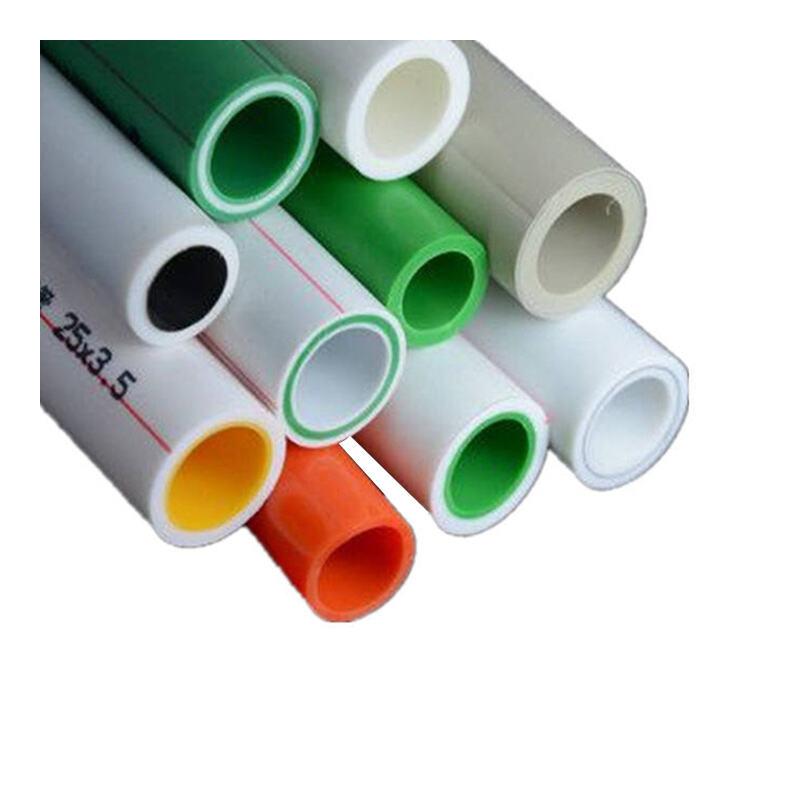
PVC casing pipe for electrical wiring demonstrates remarkable resistance to a wide spectrum of chemicals, environmental conditions, and corrosive agents that commonly damage traditional conduit materials. This comprehensive protection capability stems from the molecular structure of polyvinyl chloride, which remains stable when exposed to acids, bases, salts, and organic solvents typically encountered in industrial and commercial environments. Unlike metal conduits that suffer from galvanic corrosion, rust formation, and chemical attack, PVC casing pipe for electrical wiring maintains its protective properties throughout decades of service life without degradation or performance loss. The chemical resistance of PVC casing pipe for electrical wiring proves particularly valuable in industrial facilities, chemical processing plants, wastewater treatment facilities, and marine environments where aggressive chemicals and high humidity levels create challenging operating conditions for electrical infrastructure. These pipes resist attack from chlorine compounds, sulfuric acid, sodium hydroxide, and petroleum-based chemicals commonly found in industrial processes, ensuring continuous protection for critical electrical systems. Environmental resistance extends beyond chemical exposure to include ultraviolet radiation protection, temperature cycling tolerance, and moisture barrier properties that prevent water infiltration and vapor transmission. PVC casing pipe for electrical wiring formulations include UV stabilizers that prevent polymer chain breakdown when exposed to sunlight, making these conduits suitable for outdoor installations and applications with direct sun exposure. Temperature stability allows these pipes to function reliably across wide temperature ranges without becoming brittle in cold conditions or softening in high-temperature environments. The non-porous surface of PVC casing pipe for electrical wiring prevents bacterial growth, mold formation, and biological contamination that can compromise electrical system integrity and create health hazards in building environments. This biological resistance makes these pipes ideal for food processing facilities, healthcare institutions, and clean room environments where sanitation requirements are stringent.